
Reviewed · LOCAL FOOD TOURS
Osaka: Daytime Hanami (Cherry Blossom) and Food Tour
Spring walks in Osaka taste better.
This 3-hour daytime hanami and food tour is built around a quieter side of old Osaka, centered on the Karahori area. You get a spring-flavored stroll, guided tastings from seasonal stalls, and a final pause at shrines with cherry trees, all without the usual crowd crush.
I especially like how the tour blends the seasonal theme with practical eating. You do not just look at blossoms, you snack as you walk, with tea, sake, beer, and other drinks included. A second big plus for me is the small group size, limited to 10, which makes it easier for the guide to slow down, answer questions, and even adjust when rain throws a wrench in the plan.
One thing to consider is that blossom timing and weather can affect what you actually see. Even with a guide doing their best, you may get a less-than-perfect show if trees are past peak or conditions are rainy.
In This Review
- Key things to know before you go
- Karahori in Daytime: Why Osaka Sakura Season Feels More Human Here
- Getting Started Outside Matsuyamachi Station (No Pickup, Just Go)
- Backstreet Tastings: How the Food Tour Keeps the Hanami Feeling Going
- Shops You Might Miss: A Seaweed Stop That Changes How You Think About Flavor
- A Traditional Bar and Tea Ceremony Break
- The Hanami Finale: Shrines, Cherry Trees, and Time to Sit
- Price and Value for a 3-Hour Blossom and Food Tour
- Who This Tour Fits Best (And Who Might Prefer Something Else)
- Practical Tips for a Smooth Osaka Spring Day
- Should You Book This Osaka Daytime Hanami Food Tour?
- FAQ
- How long is the Osaka daytime hanami and food tour?
- What is the group size?
- What is included in the price?
- What is the meeting point and how do I get there?
- Where does the tour end?
- Is hotel pickup included?
- Does the tour require Japanese?
- Is this tour wheelchair accessible?
- What should I bring?
- What are the cancellation terms?
Key things to know before you go
- Karahori old-town lanes: time in a maze of backstreets instead of the busiest blossom photo spots
- Cherry blossom themed food: seasonal snacks and multiple dish tastings along the way
- Included drinks: tea, sake, beer, or other beverages with the stops
- English guidance that adapts: guides like Miki and Sanae can shape the pacing around your group
- A real hanami ending: you finish where shrines and cherry trees meet, with time to sit and snack
Karahori in Daytime: Why Osaka Sakura Season Feels More Human Here
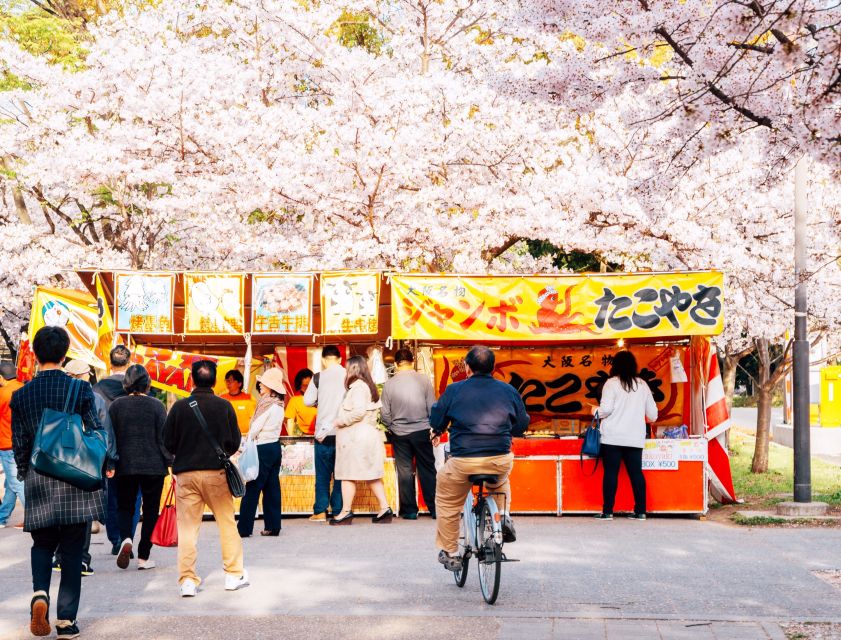
Kansai cherry blossom season can turn Osaka into a wall of people, especially around the classic viewing areas. This tour takes you somewhere else, the old Osaka pocket around Karahori, where you can walk under springtime trees while still seeing the everyday character of the neighborhood.
The biggest idea is simple. You see blossoms, yes, but you also get the rhythm of a local spring outing. Instead of treating hanami as a photo mission, you treat it as an excuse to eat, drink, and linger. That shift makes the season feel personal, not just crowded.
And the tour stays anchored in food. Seasonal street stalls and small shops are part of the journey, so the cherry blossom season is not just a backdrop. It’s the theme connecting the tastings, the drinks, and the final scenic pause.
More plates than one stomach can hold
- Osaka: Shinsekai Food Tour with 13-15 Dishes at 5 Eateries★ 4.8 · 2,204 reviews
- Osaka Food Tour: 13 Dishes at 5 Local Eateries★ 5.0 · 2,149 reviews
- Hungry Osaka Street Food Tour:15 Tastings & 3 Drinks with a Local★ 5.0 · 1,727 reviews
- Hungry Osaka Street Food Tour: 15 Dishes & 3 Drinks★ 4.9 · 694 reviews
- Kuromon Market Food Walking Tour in Osaka (6 stops, 6 tastes)★ 5.0 · 550 reviews
Getting Started Outside Matsuyamachi Station (No Pickup, Just Go)
The meeting point is easy to find once you have one landmark: you start in front of the doll shop Masumuraningyoten Sueyoshibashiten, right outside Matsuyamachi Station.
For train access, take the Osaka Metro: Nagahori Tsurumi Ryokuchi Line to Matsuyamachi Station, then use exit 2.
Two practical things I like here:
- You do not wait for a hotel pickup. You go straight from the station, and your time stays focused.
- The tour ends back at the same meeting point, so you are not figuring out a transit puzzle after your last snack.
The only real downside is that you do need to arrive on your own. Also, the tour involves walking, so comfortable shoes matter.
Backstreet Tastings: How the Food Tour Keeps the Hanami Feeling Going
This is a 3-hour experience that mixes “look around” time with “stop and eat” time. That structure is what makes it work. You get spring sights, but you also keep moving through the neighborhood like a local: short strolls, quick stops, then back out into the lanes.
At multiple food stops, you’ll try a variety of dishes, with an emphasis on seasonal street food flavors. The tour theme is cherry blossoms in the broad sense, so you might see sakura-inspired items or spring seasonal specialties, plus local snacks from seasonal stalls.
What you’ll probably notice as you go:
- The guide connects what you’re eating to the season, so it does not feel like random sampling.
- The stops are paced so you’re not rushed while eating, then sprinting to catch up.
- Since beverages are included, you can focus on tasting rather than constantly checking prices.
From the guides’ style, it sounds like the tour is not rigid either. Guides such as Miki are described as sharing Osaka food secrets and authentic places local people actually use. Other guides, like Sanae, are praised for thoughtful companion energy and good English. With a small group, you’re more likely to get that back-and-forth conversation instead of watching everything like a spectator.
Shops You Might Miss: A Seaweed Stop That Changes How You Think About Flavor
One of the standout moments is the kind of stop you’d usually walk past without thinking. The tour includes a visit to a seaweed shop, and that matters more than it sounds.
In Osaka, seaweed is part of the food culture in subtle ways, from savory seasoning to textures that balance richness. When a food-focused guide chooses that stop, they’re usually showing you something that helps you understand what you’re tasting later. It’s the “behind the flavor” type of moment.
Even if you are not a seaweed superfan, this stop is valuable for two reasons:
- It gives variety from just sweets and classic street snacks.
- It helps you notice how Japanese spring eating can still be earthy and grounded, not only delicate desserts and pastel drinks.
A Traditional Bar and Tea Ceremony Break
About midway through the tour, you get a more formal pause. A traditional bar or restaurant stop is described as superb, and there’s also a tea ceremony component that people remember long after the snacks are gone.
This is a smart choice for a daytime food tour. You’re walking in spring air, and then you sit down. That rest matters. It also gives you a break from noise and foot traffic, so you can slow your body down even if your feet are still in motion.
In practical terms, this stop also helps explain Japanese spring culture beyond the blossoms. Hanami is about enjoying the season, and tea and quiet rituals fit that mood. You’re not just “consuming food.” You’re learning how people create space for appreciation.
If you’re the type who gets a little food-tour fatigue, this kind of break is a relief. You can eat, drink, and reset, then head back out for the final blossom segment.
Other ways to spend a day in Osaka
- Osaka Local Foodie Walking Tour in Dotonbori and Shinsekai
★ 5.0 · 985 reviews - Osaka: Guided Food Tour with 12 Dishes at 4 Local Eateries
★ 5.0 · 533 reviews - Absolute Osaka Food Tour
★ 5.0 · 309 reviews
The Hanami Finale: Shrines, Cherry Trees, and Time to Sit
The tour ends at a secluded spot where shrines and cherry trees intertwine. That’s the hanami finish you want: a place meant for pausing, not just passing through.
What makes this ending especially good is the built-in time to savor the moment. You’re not rushing to hit a checklist of blossoms and then leaving. You sit, snack, and take in the spring atmosphere like locals do.
Now, the real-world caveat: blossom conditions can be unpredictable. One guide can do everything right and still get dealt rain or trees that are not at full bloom. In one case, the tour was still able to find a few trees with sakura and even ume blossoms when cherry trees were less cooperative.
So I’d go in with the right mindset:
- Plan for spring, not perfection.
- If the blossoms are behind schedule or weather is wet, the guide’s job is to adjust and find what they can in the area.
That flexibility is part of why these tours get such strong feedback. A guide who can keep the energy going, even when the season does not cooperate, makes a big difference in how the 3 hours feel.
Price and Value for a 3-Hour Blossom and Food Tour
At $161 per person for about 3 hours, the question is always value. Here’s how I’d judge it.
You’re paying for more than snacks:
- An English-speaking expert guide
- Multiple food stops with variety of dishes
- Included beverages, which can include tea, sake, or beer depending on the stop
- A structured walking route through Karahori, plus the hanami ending with time to sit
If you were to copy this yourself, you could spend money on food anyway, and you’d still miss the local logic behind why those places and seasonal items fit together. You’d also be guessing how to connect blossoms with food without winding around the city randomly.
Where I see the value most clearly is the combo of:
- Small group pacing, so you can actually enjoy tastings
- Guidance that helps you find the right neighborhood and the right spots during a short seasonal window
- The tea ceremony pause plus the shrine-and-cherry finish, which together move it beyond a basic street food crawl
So yes, it’s not cheap, but it’s also not a generic tour. It’s a themed food walk where the guide is doing real work, and you get included drinks and multiple stops to justify the price.
Who This Tour Fits Best (And Who Might Prefer Something Else)
This tour is a great fit if you want spring in Osaka but do not want to feel like you’re trapped in a crowd. If you enjoy food tours, you’ll like the way the guide mixes tastings with seasonal sights rather than making you chase photos alone.
It also works well if you:
- Prefer small group experiences, limited to 10
- Like local neighborhood walking more than big landmark throngs
- Appreciate cultural pauses, like the tea ceremony segment
- Want an English guide to help you order, understand, and keep moving
You should consider skipping if:
- You need wheelchair access. The tour is not suitable for wheelchair users.
- You hate walking. Comfortable shoes are suggested because there will be walking.
- You only want a pure blossom viewing experience and would rather not stop for food and restaurant time.
Practical Tips for a Smooth Osaka Spring Day
Here’s what will make your day easier, based on what the tour emphasizes.
- Wear comfortable shoes. You are walking through backstreets and moving between multiple stops.
- Keep your pace flexible. This is a stroll with breaks, not a race.
- Bring the right expectations about spring. Blossom coverage can vary. The guide may find other spring blooms like ume if sakura is limited.
If you’re visiting during peak bloom, this kind of daytime outing is exactly the time to go. You get spring air and neighborhood energy, and you’re still done before the evening crowds really crank up.
Should You Book This Osaka Daytime Hanami Food Tour?
I think you should book it if you want a thoughtful mix of Karahori cherry blossoms and real Osaka eating, all in a small group with an English guide and included tastings and drinks. The tea ceremony pause and the shrine-and-cherry final sitting time are the kind of details that turn it from snack hopping into an actual spring experience.
Skip it if you want a low-walking, low-food, pure sightseeing option, or if mobility is an issue. For most people who like food, spring, and local neighborhoods, this is one of the more satisfying ways to experience Osaka’s hanami season without spending your day battling crowds.
FAQ
How long is the Osaka daytime hanami and food tour?
The tour lasts about 3 hours.
What is the group size?
The group is limited to 10 participants.
What is included in the price?
The price includes tea, sake, beer, or other beverages, local snacks from seasonal street food stalls, and a variety of dishes at multiple food stops, plus an expert English-speaking guide.
What is the meeting point and how do I get there?
Meet in front of the doll shop Masumuraningyoten Sueyoshibashiten right outside Matsuyamachi Station. The address is 2-8 Matsuyamachi, Chuo Ward, Osaka, 542-0067 (〒542-0067 大阪府大阪市中央区松屋町2−8). By train, use Osaka Metro Nagahori Tsurumi Ryokuchi Line to Matsuyamachi Station, then exit 2.
Where does the tour end?
The activity ends back at the meeting point.
Is hotel pickup included?
No, hotel pickup is not included.
Does the tour require Japanese?
No. The tour is guided in English.
Is this tour wheelchair accessible?
No, it is not suitable for wheelchair users.
What should I bring?
Wear comfortable shoes, since there will be walking involved.
What are the cancellation terms?
You can cancel up to 24 hours in advance for a full refund.
More Food & Drink in Osaka
- Osaka: Traditional Mochi Pounding Experience with Tasting★ 4.9 · 306 reviews
- Osaka: Kuromon Market Food Walking Tour (6 stops, 6 tastes)★ 4.6 · 272 reviews
- Osaka After Dark: Small-Group Night Food Tour (Max 6)★ 4.5 · 245 reviews
- [1 Group Only] Osaka Street Food Tour for Family★ 5.0 · 208 reviews
Just added around Osaka


Local Food Tours, compared.

Shinsekai Food Tour with 13-15 Dishes at 5 Eateries
Read our review →
Osaka Food Tour: 13 Dishes at 5 Local Eateries
Read our review →
Hungry Osaka Street Food Tour:15 Tastings & 3 Drinks with a Local
Read our review →
Hungry Osaka Street Food Tour: 15 Dishes & 3 Drinks
Read our review →
Kuromon Market Food Walking Tour in Osaka (6 stops, 6 tastes)
Read our review →
Guided Food Tour with 12 Dishes at 4 Local Eateries
Read our review →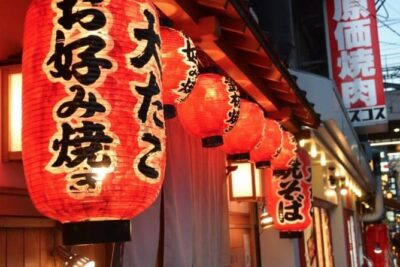
Kuromon Market Food Walking Tour (6 stops, 6 tastes)
Read our review →This tour also fits