
Reviewed · DAY TRIPS TO NARA FROM OSAKA
Osaka to Nara Day Trip with a Local – Private & Personalized
Nara is only a hop from Osaka. This private day trip turns that short ride into a personal, guided tour with entrance tickets bundled and a route adjusted to what you care about. I like that you start with direct local planning via a questionnaire, and I also like how the big sights are paired with calmer moments, like strolling through garden paths. One drawback to consider: it is mostly a walking day, so comfortable shoes matter, and you will handle some costs on your own.
What makes this experience work is the human touch. On one trip, Fumiko was flexible about picking guests up after a hotel change, and helped with train logistics so you could focus on sightseeing instead of figuring it out. Another guide, Alex, was praised for managing time so the day fit everything on your list, then pointing out options for the rest of your trip. Still, there is one negative review about a guide not matching expectations, so take the planning questionnaire seriously and share exactly what you want to see.
If you are traveling with a group that likes options, or you just want Nara without the stress of sorting transit between temples, this is a solid way to do it. You get the structure of a classic route, with the freedom to pause for deer photos, lanterns in the woods, and the kind of pacing that makes a long day feel doable.
In This Review
- Key things to know before you go
- Why Nara feels special when you have a guide steering
- The 9-hour plan, stop by stop (and what to watch for)
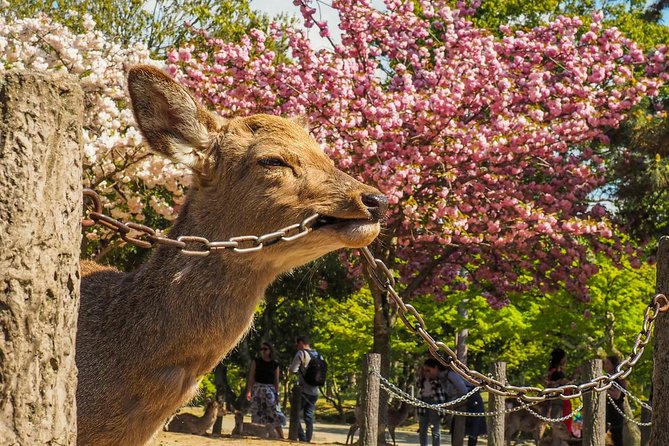
- Nara Park and the deer, from stroll to respectful interaction
- Todai-ji and the 15-meter bronze Daibutsu
- Isuien Garden for a calmer, reflective break
- Kasuga Taisha, lanterns in the forest, and the Fujiwara link
- The extra included temple tickets, without the need to over-plan
- Osaka to Nara logistics that keep your day sane
- Price and value, what you are really paying for
- What to do with the walking, shoes, and comfort
- Meal reality: what’s missing and how to handle it
- The best fit: who this private Nara day trip suits
- Small risks and how to prevent disappointment
- Should you book this private Osaka to Nara day trip?
- FAQ
- How long is the Osaka to Nara day trip?
- Does the tour include entrance fees?
- Are train tickets included?
- Is pickup available in Osaka?
- Is the tour mostly walking?
- Are food and drinks included?
- Can I cancel for a full refund?
Key things to know before you go
- Private guide, private rhythm: your itinerary is tailored around interests you share after booking
- Entrance tickets are included: Kasuga Taisha, Todai-ji, Isuien Garden, plus ticketed stops like Kofuku-ji and Nigatsu-do
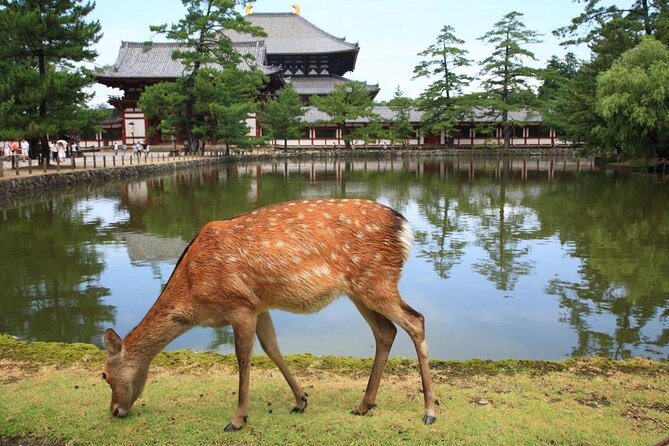
- Nara Park deer time: you get time in the park with freely roaming deer, plus guidance on respectful interaction
- A true “big and small” mix: massive Buddha halls, then quiet garden walking for a reset
- Pickup offered in Osaka: you can arrange hotel pickup, but expect mostly walking between sites
- Meal costs are on you: food and drinks are not included, so plan a realistic day budget
Why Nara feels special when you have a guide steering
Nara is famous for temples, deer, and the kind of atmosphere that makes you slow down. The difference here is that you are not following a rigid bus schedule. Instead, you get a private guide who can aim the day at history, nature, photos, or a slower pace depending on your preferences.
That also affects the quality of the stops. A place like Todai-ji is huge, and it is easy to rush it without understanding why people travel there. With a guide, you can get the story that turns the 15-meter bronze Buddha from a photo op into something you actually understand.
This is also where you benefit from the flexibility mentioned in guide reviews. When your plans change, the guide is expected to adjust. Fumiko, for example, was specifically noted for handling a hotel pickup change smoothly. That kind of practical support matters more than people think, because day trips tend to unravel when the first logistical detail goes wrong.
Deer that bow back, minutes from Osaka
- Ancient Capital Tour: Kyoto and Nara Highlights from Kyoto/Osaka★ 4.5 · 332 reviews
- Kyoto and Nara Day Trip from Osaka★ 4.0 · 175 reviews
- Discover Himeji, Kobe and Nara from Osaka★ 5.0 · 101 reviews
- Kyoto & Nara Private customized tour with English speaking Guide★ 4.5 · 99 reviews
- Kyoto and Nara UNESCO Highlights Full-day Tour From Osaka★ 4.5 · 50 reviews
The 9-hour plan, stop by stop (and what to watch for)
This is roughly a 9-hour experience, including travel time between Osaka and Nara. The walking rhythm is part of the design, so you will feel the day as a sequence of short moves, temple entrances, and then longer strolls in parks and grounds.
You start with an introduction that sets expectations. Your guide helps with a route that fits your interests and keeps the day coherent, instead of a checklist of random landmarks.
Then the day flows through Nara’s classic “temple cluster plus nature breaks” feel.
Nara Park and the deer, from stroll to respectful interaction
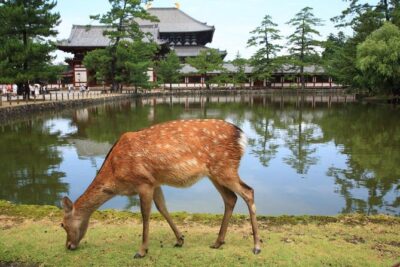
Your tour begins with a look at Nara Park, an area established in 1880 and known for the deer that roam freely. This stop is not just about seeing deer. It is about walking the paths in a way that lets you enjoy the park without getting stressed by the crowds or the attention the deer bring.
A key idea is how you handle close encounters. The plan includes the chance to interact respectfully, and your guide can help you avoid the usual awkward moments like getting too close, blocking paths, or treating the deer like a novelty you can farm for photos.
What I like about this arrangement is the pacing. If you jump straight into temple interiors, you can feel temple fatigue early. Nara Park gives you a breather, plus that classic Nara photo scene, before the day turns more monumental.
Possible drawback: if you are not a fan of animals, you might find deer presence distracting. Even then, you can still enjoy the park walking and nature atmosphere, just treat deer like part of the scenery, not the main event.
Todai-ji and the 15-meter bronze Daibutsu
Todai-ji is the big centerpiece, and your visit is built around one main wow factor: the Daibutsu, a 15-meter-tall bronze Buddha housed in the main hall.
This stop comes with context, not just entry. You learn how Todai-ji connects to the wider Buddhist temple world, including its role as the head temple of provincial Buddhist temples. That makes the whole site feel bigger than one building.
After you see the main hall, the plan also includes panoramic viewpoints across Nara from within the Todai-ji complex area. That is a smart pairing. The Buddha hall is overwhelming in a quiet way, and then the views help your brain reorient to the wider city setting outside the temples.
If you care about photos, this is a place where timing helps. You are not promised crowd-free conditions, but having a guide manage transitions tends to mean you spend less time stuck waiting and more time where you need to be for angles and viewpoints.
Isuien Garden for a calmer, reflective break
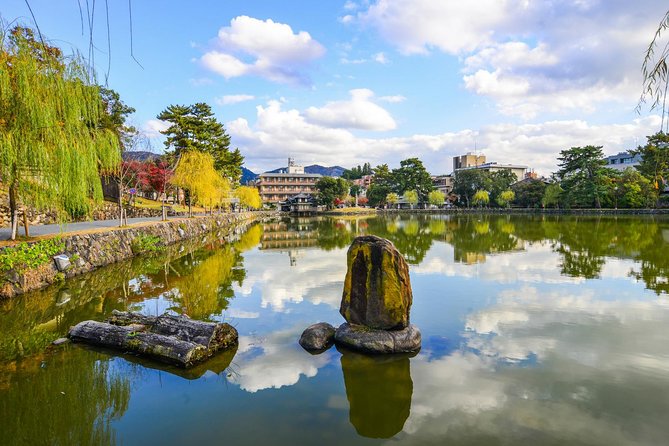
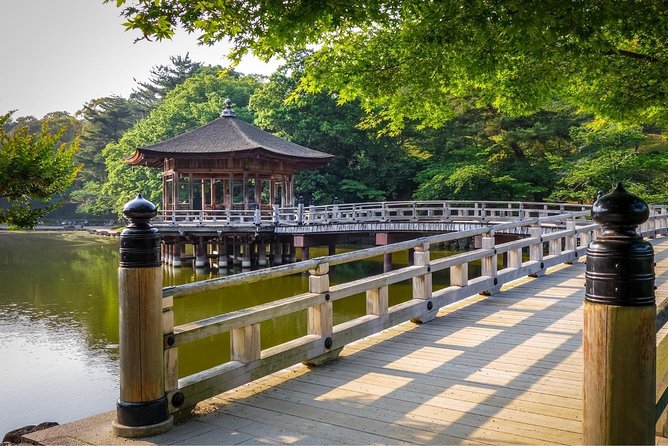
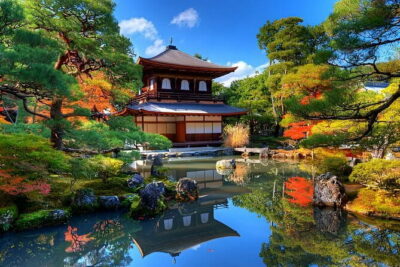
After the grandeur of Todai-ji, you shift to something quieter: Isuien Garden. This garden is described as having layers of viewing and a design aimed at harmony and quiet reflection.
If you have ever felt temple-heavy days go a little flat, a garden stop is a smart counterweight. You get to slow down. You can pause. You can look at the design logic instead of only chasing the biggest names.
This stop also signals something important about the tour style: it is not only about famous icons. The garden visit is part of the value because it gives you a different mood in the middle of a long day.
Practical note: gardens still mean walking on paths. Bring shoes you trust.
Other ways to spend a day in Osaka
- From Kyoto/Osaka: Kyoto Top Highlights 1-Day Guided Bus Tour
★ 4.5 · 714 reviews - Hiroshima & Miyajima 1 Day Bus Tour with Bullet Train Tickets
★ 4.5 · 105 reviews - From Osaka: Hiroshima and Miyajima Day Trip by Bullet Train
★ 4.6 · 83 reviews
Kasuga Taisha, lanterns in the forest, and the Fujiwara link
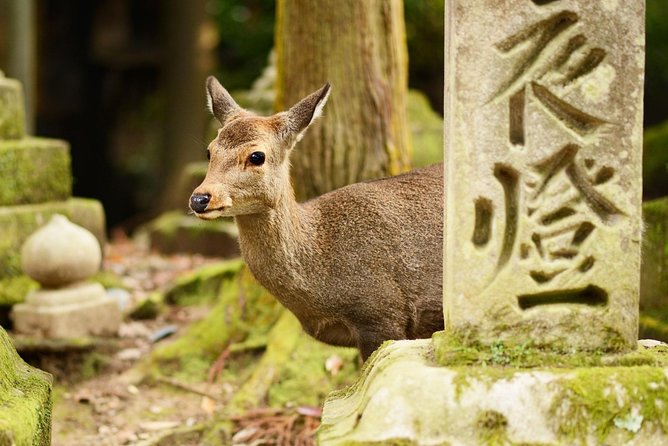
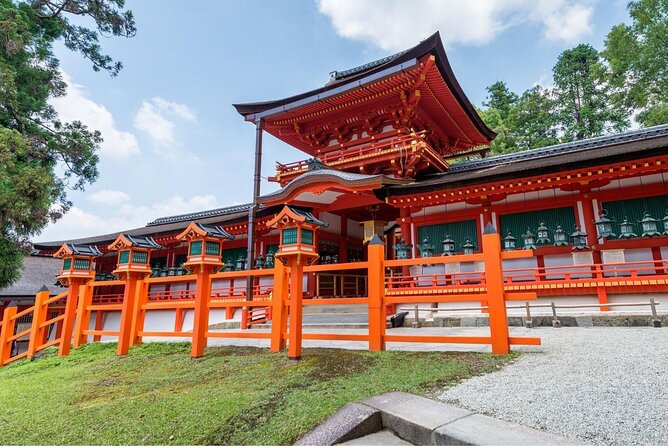
Next is Kasuga Taisha, one of Nara’s most celebrated Shinto shrines. This part of the day leans into the atmosphere: a shrine connected to the powerful Fujiwara clan, reached through forest paths, and famous for the hundreds of stone and bronze lanterns donated by worshippers.
If you want an experience that feels more immersive than a single main hall, this is it. The lanterns are the visual hook, but the forest approach is the real mood setter. Your guide’s explanation of the shrine’s significance helps the lanterns mean something beyond decoration.
This stop is often the one people remember because it feels both sacred and scenic. The combination of shrine context plus the walk through the woods is exactly the kind of Japan moment that stays with you.
The extra included temple tickets, without the need to over-plan
Your included tickets also cover Kofuku-ji Temple and Nigatsu-do, in addition to the major stops already described. The itinerary outline highlights specific stops in detail, but the inclusion list makes it clear you will have ticket access to more than just the absolute top two.
That matters for value. Admission fees add up, especially when you are going for multiple named sites. Here, you are not paying separate entry fees at each stop for the major targets that fit the classic Nara day.
Osaka to Nara logistics that keep your day sane
The experience is designed to start with you in Osaka. Pickup is offered, and the tour is built around returning you to the meeting point at the end.
Your listed start point is:
DAISO2-chōme-2-17 Nanbanaka, Naniwa Ward, Osaka, 556-0011, Japan
In practice, pickup is part of the service, and the guide can adapt to where you are staying. That flexibility is not a minor perk. It reduces the chance of losing time at the start of the day, which is when most day trips get off track.
Transit between sites
- This is primarily a walking experience.
- Public transportation or local taxis may be used between sites, and any additional transportation costs can be discussed after reservation.
- Rail tickets to and from Nara are organized by the tour, but the train costs are listed as own expense. If you are using a Japan Rail Pass, you can travel free on JR lines.
The free JR Nara bus pass is also included. That is useful if you want a break from walking or need to move between parts of the temple area efficiently.
What I think is smart here: the tour is not pretending you can do Nara without movement. It sets the expectation early. Then your guide handles the routing decisions with you.
Price and value, what you are really paying for
At $384.40 per person, this is not a budget day trip. So the question is value: what do you get for the money?
You are paying for:
- A private and personalized 9-hour experience
- Entrance tickets included for major sites like Kasuga Taisha, Todai-ji, and Isuien Garden
- Ticket coverage for additional stops like Kofuku-ji and Nigatsu-do
- A guide who can tailor the itinerary using your interests
- Help navigating transit logistics, especially at the start of the day
From a visitor’s perspective, entrance fees and time savings are the two big value drivers. Nara’s top sites are not expensive only in one place. They stack. Bundling the major entrances into the tour price can make your budgeting easier, even if you still pay some transit and meals yourself.
Where the price can feel high is exactly where you might expect it: if you are the type who only wants one or two sites and spends the rest of the day wandering on your own. This tour is built to give you a full day with guided context at multiple locations. If you want that, it is a good fit.
Also, reviews repeatedly highlight guide quality and time management. People specifically praised guides like Fumiko for flexibility, Alex for managing time and giving trip recommendations afterward, and Marcelo for an amazing tour. That kind of attention to how the day flows is a big part of the value you are paying for.
What to do with the walking, shoes, and comfort
Because the tour is mostly walking, you will want to dress for movement. Think: comfortable shoes you can wear for hours, light layers you can adjust in the day, and a plan for rest stops when you need them.
The route includes parks, garden paths, and temple complexes, which means a lot of small walking stretches instead of one long ride. Your guide may suggest using public transport or taxis between sites if it makes sense, but the baseline expectation is walking.
If you have mobility limitations, this is still listed as most travelers can participate, but your own comfort level matters a lot here. If you know you have trouble with repeated walking, consider discussing a modified pace with your guide during the planning.
Meal reality: what’s missing and how to handle it
Food and drinks are not included. That is normal for many Japanese day trips, but it affects your budgeting.
If you want an easy strategy, I suggest you treat meals as a flexible add-on. Your guide can include recommendations, and you can decide what fits your energy level after each major stop.
One review style detail that matters: there was mention of sake tasting in the positive feedback context, which suggests your guide might steer you toward food and drink experiences beyond just temple entrances. That said, the plan clearly labels cuisine as own expense, so treat food as a personal choice, not a tour-provided benefit.
The best fit: who this private Nara day trip suits
This works especially well if:
- You want a structured Nara day but with personal pacing
- You care about explanations, not only photos
- You want to reduce stress with rail and site planning help
- You are traveling as a couple, family, or small group that benefits from one-on-one adjustments
It also suits travelers who like a mix of moods: one major temple hall, then a garden reset, then shrine lantern forests.
If you prefer to move fast and skip context, you might feel the tour is more than you need. But most people who choose a private guide are picking this kind of day for exactly the reasons above.
Small risks and how to prevent disappointment
Here is the honest part. One review rated the trip poorly and said the guide did not teach much. That is the one downside to private guiding, because quality depends on the match.
You can reduce that risk in two ways:
- Be specific in your questionnaire. Tell the guide what you care about, including whether you want more story, more photos, or more quiet time.
- Ask for how you will spend time at each stop. If you want time in the park versus extra temple halls, say so up front.
Also, remember that rail costs and meals are not included. If you come with a too-tight budget, you may feel the cost more than you expected. A private day trip always has built-in “extras,” even when admissions are bundled.
Should you book this private Osaka to Nara day trip?
I would book this if you want a high-touch Nara day with multiple named sites and a guide who adjusts the pace to your interests. The combination of major temples, Isuien Garden’s calmer walking, and Kasuga Taisha’s lantern forest is a strong lineup for one day, and the included admissions help the math.
Skip it or at least reconsider if:
- You hate walking and do not plan to use taxis between sites when needed
- You only want one highlight and the rest is unstructured wandering
- You are hoping the tour price covers meals and all transport, because food and train costs are on you
If you do book, pack the best habit for a private tour: prepare a short list of must-sees and a short list of things you want to avoid. Then you will get a day that feels like yours, not like a generic template.
FAQ
How long is the Osaka to Nara day trip?
It runs for about 9 hours, including travel time between Osaka and Nara.
Does the tour include entrance fees?
Yes. Tickets are included for Isuien Garden, Todai-ji Temple, Kasuga Taisha Shrine, Kofuku-ji Temple, and Nigatsu-do.
Are train tickets included?
The tour organizes rail tickets, but train transportation costs are not included. If you have a Japan Rail Pass and travel on JR lines, you can use it for free travel.
Is pickup available in Osaka?
Pickup is offered. The tour starts at a listed meeting point in Naniwa Ward, Osaka, and your guide can coordinate pickup at your hotel.
Is the tour mostly walking?
Yes. It is primarily a walking experience, and public transportation or local taxis may be used between sites at an additional cost if needed.
Are food and drinks included?
No. Food and drinks are not included, so you will need to budget for meals during the day.
Can I cancel for a full refund?
Yes. You can cancel up to 24 hours in advance for a full refund. If you cancel less than 24 hours before the start time, the amount paid is not refunded.
Just added around Osaka

Day Trips to Nara from Osaka, compared.
Ancient Capital Tour: Kyoto and Nara Highlights from Kyoto/Osaka
Read our review →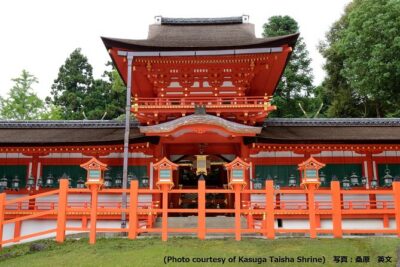

Kyoto & Nara Private customized tour with English speaking Guide
Read our review →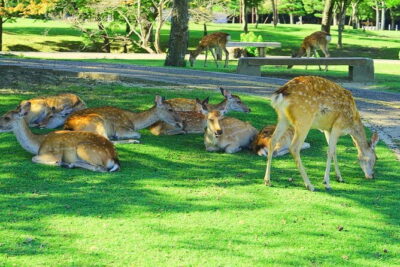
Kyoto and Nara UNESCO Highlights Full-day Tour From Osaka
Read our review →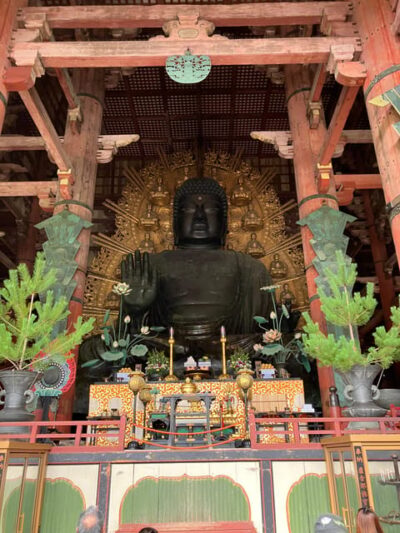
Kyoto & Nara & Uji: Full Day Sightseeing Tour from Osaka or Kyoto
Read our review →This tour also fits