
Reviewed · DESSERT TOURS
Japanese Traditional Sweets “Nerikiri” making
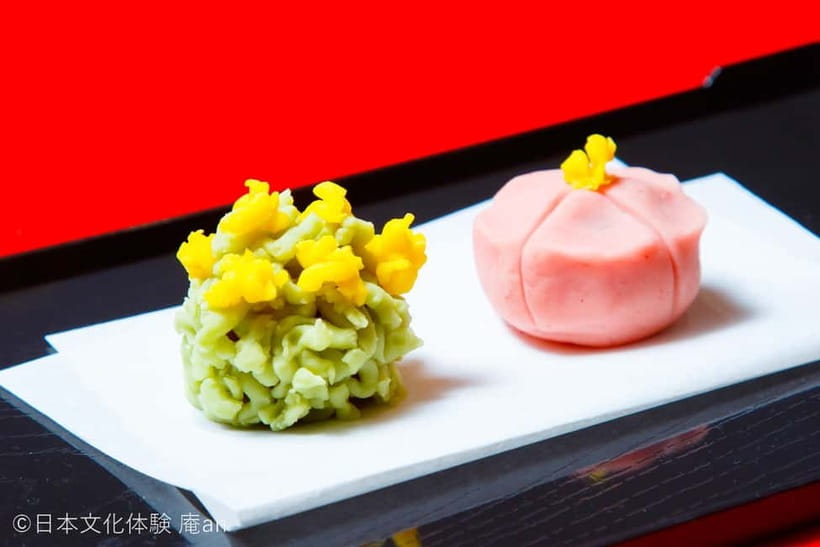
Edible art is the goal here. In this Osaka workshop, you knead and shape nerikiri using Kyoto white or red bean paste, then finish with two seasonal sweets you can try right away.
I like that the ingredients come from long-established Kyoto shops, so the texture you work with feels authentic from the first minute. I also like that you get a clear, hands-on structure, so you’re not just watching, you’re making. One thing to plan around: there is no elevator, so you will take stairs.
In This Review
- Key Highlights You Should Know First
- Nerikiri Basics, Kyoto Bean Paste, and Why Seasonal Shapes Matter
- Where to Go in Osaka: Station Walks, No Elevator, and 10:00 to 17:00
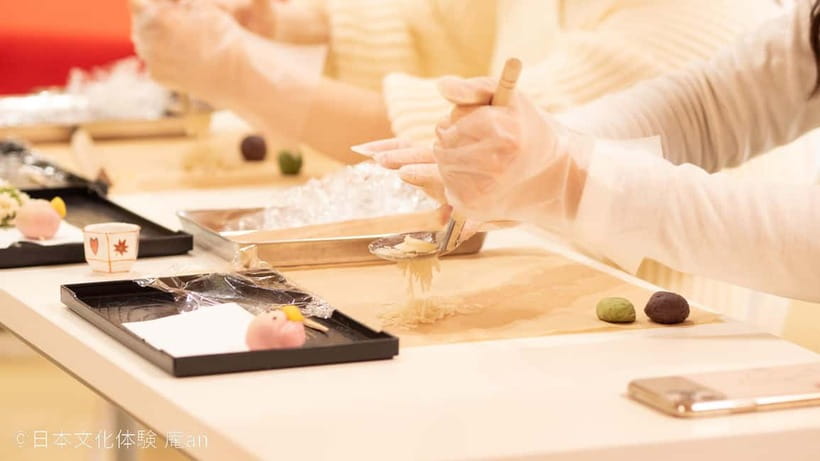
- What Happens in 65 Minutes: A Clear Rhythm From Explanation to Eating
- Flower Shaped Nerikiri: Turning Bean Paste Into a Season-Inspired Form
- Kinton Nerikiri: Your Second Sweet, a Different Look With the Same Skills
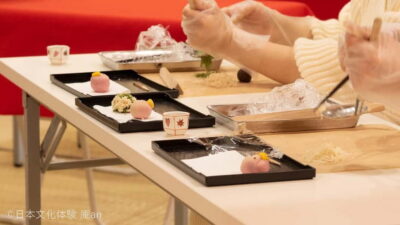
- The Art-Plate Moment, Photo Time, and Eating Your Own Wagashi
- Price and Extras: When $11 Feels Fair, and When to Budget More
- Who This Nerikiri Workshop Fits Best (And Who Might Skip It)
- Should You Book This Nerikiri Making Class?
- FAQ
- How long is the Nerikiri making experience?
- What sweets will I make during the class?
- Can I get help if I do not speak Japanese?
- Can I eat the sweets after I make them?
- Are there any extra costs besides the $11 price?
- What is the easiest station to reach the meeting point from?
Key Highlights You Should Know First
- Kyoto long-established bean paste for your nerikiri (white or red)
- You make two seasonal sweets, matched to the time of year
- Expect a step-by-step flow that includes shaping, then a photo time moment
- You can eat the sweets on the spot, so there is instant reward
- Instruction is in Japanese, with English translation provided as much as possible
Nerikiri Basics, Kyoto Bean Paste, and Why Seasonal Shapes Matter
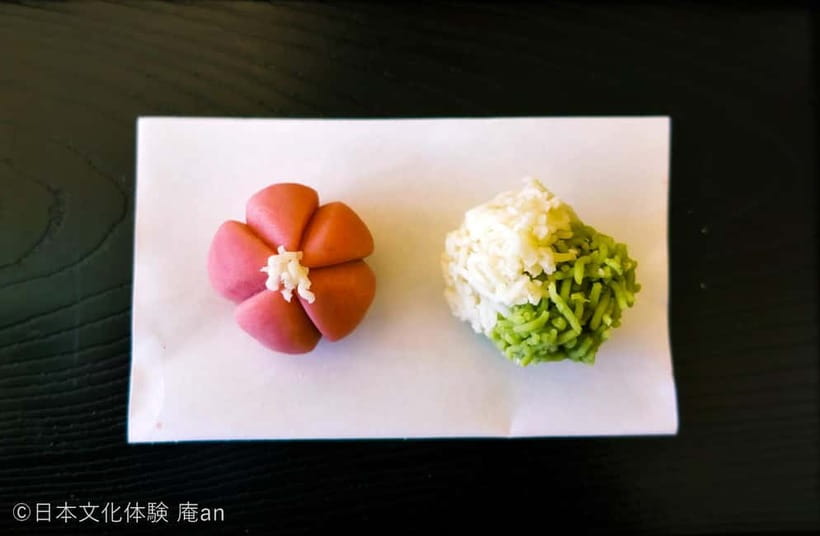
Nerikiri is one of Japan’s most iconic wagashi styles. The appeal is simple: you’re working with bean paste that can be molded into detailed shapes, often inspired by nature and the changing seasons. The look matters, but the feel matters too, because the paste is pliable only when handled correctly.
What makes this class especially satisfying is the ingredient choice. You’re using white or red bean paste produced by Kyoto’s long-established shops, not a generic substitute. That matters because nerikiri is all about texture. When the paste is right, shaping feels smooth instead of sticky, and the final surface takes on a clean finish. Even if you have never touched wagashi before, you can feel the difference.
The second big idea is seasonality. You’ll make two sweets that match the season, which turns a basic cooking lesson into something more like learning a visual language. You’re not recreating one random shape. You’re learning how the same bean paste becomes a flower-like form one day, and a different seasonal concept another day.
Other ways to spend a day in Osaka
- Matcha Making Class in Osaka with Authentic Japanese Sweets Set★ 5.0 · 509 reviews
- Osaka: Matcha Making Experience with Japanese Sweets★ 5.0 · 146 reviews
- Osaka: Japanese Traditional Sweets Making and Tea Ceremony★ 4.7 · 118 reviews
- Craft Sushi and Matcha Ice Cream in Central Osaka (3-Course Meal)★ 5.0 · 2 reviews
- Japanese Sweets Making Class in Osaka★ 5.0 · 1 review
Where to Go in Osaka: Station Walks, No Elevator, and 10:00 to 17:00
This takes place in Honshu, with the meeting point clustered around central Osaka station options. The walk is short from several lines, so you can usually pick the station that best fits your day.
Here are the closest options listed:
- 1 minute walk from Exit 10 of Osaka Metro Yotsubashi Line, Higobashi Station
- 5 minutes walk from Exit 7 of Keihan Nakanoshima Line, Watanabebashi Station
- 7 minutes walk from Exit 10 of Osaka Metro or Keihan Line, Yodoyabashi Station
- 10 minutes walk from Exit 11-5 of JR Tozai Line, Kitashinchi Station
- About 15 minutes walk from the South Central Gate of Osaka Station
Two practical notes. First, no elevator means you’ll climb stairs to reach the venues. If you’re traveling with heavy luggage or you hate stairs, this is worth factoring in early. Second, the experience can’t be held for delays, so give yourself a little buffer.
It runs 10:00 to 17:00. If you book after 17:00, your reservation is processed the next day, so you’ll want to check your timing before planning dinner nearby.
What Happens in 65 Minutes: A Clear Rhythm From Explanation to Eating
The total time is 65 minutes, and it moves in a logical sequence that helps first-timers succeed. You start with a brief overview of Japanese traditional sweets, then you shift right into making.
Here is the flow you can expect:
- Start and explanation of Japanese traditional sweets
- Flower shaped nerikiri making
- Kinton nerikiri making
- Picture time
- Eating time
- Finish and room departure
That rhythm is part of the value. Many food workshops either run too fast or get stuck in theory. Here, you get the basics, then you immediately apply them with your hands. The later picture time also means you’re not rushing to photograph while your hands are still sticky.
You’ll also be guided by a Japanese instructor. English translation is provided as much as possible, and the vibe from prior participants is that the guidance is patient and understandable, which is exactly what you want for something that’s part technique and part art.
Flower Shaped Nerikiri: Turning Bean Paste Into a Season-Inspired Form
The first hands-on piece is a flower shaped nerikiri. Flower designs are a perfect entry point because they teach you the fundamentals: shaping, smoothing, and getting edges to read clearly.
In practical terms, expect to work the paste, then form it into a flower-like silhouette that looks intentional rather than accidental. The instructor’s role is not just telling you what to do, but helping you correct small issues before they lock in. With nerikiri, tiny texture differences can change the final look, so early tweaks matter.
This is also where the Kyoto paste shows up again. When bean paste is the right consistency, it holds shape while you refine details. When it’s not, you get tearing or a dull surface that won’t polish nicely. That’s why you’ll feel the difference from the start, even if you have zero food crafting experience.
If you like taking your time, this part tends to scratch that itch. You’re making something you can actually study up close as it forms, instead of just mixing ingredients and hoping for the best. And yes, there will be an art-plate moment later, but you’ll feel progress immediately during the flower stage.
Kinton Nerikiri: Your Second Sweet, a Different Look With the Same Skills
After you finish the flower sweet, you move to Kinton nerikiri making, your second seasonal sweet. Kinton is a wagashi style that often leans into a richer, more rounded concept, so it typically feels like a change of pace from the first shape.
Think of this as your chance to apply what you learned without starting over from zero. You’ll use similar fundamentals, like shaping and surface finishing, but the form and visual goal will be different. That contrast is one reason this class works well for first-timers. You’re not doing the same thing twice. You’re learning how technique transfers across different styles.
If you care about value, making two sweets in one session is also the sweet spot. At a low price point, many classes only teach you one shape, so you leave feeling half done. Here, two finished results give you a stronger takeaway, both visually and in terms of confidence.
Not ready to leave Osaka yet? A few more ways to fill the day.
- Osaka Go Karting Tour with Funny Costume
★ 5.0 · 2,658 reviews - Osaka Castle: Museum and Tower Entry Ticket
★ 4.5 · 2,380 reviews - Osaka: Shinsekai Food Tour with 13-15 Dishes at 5 Eateries
★ 4.8 · 2,204 reviews
The Art-Plate Moment, Photo Time, and Eating Your Own Wagashi
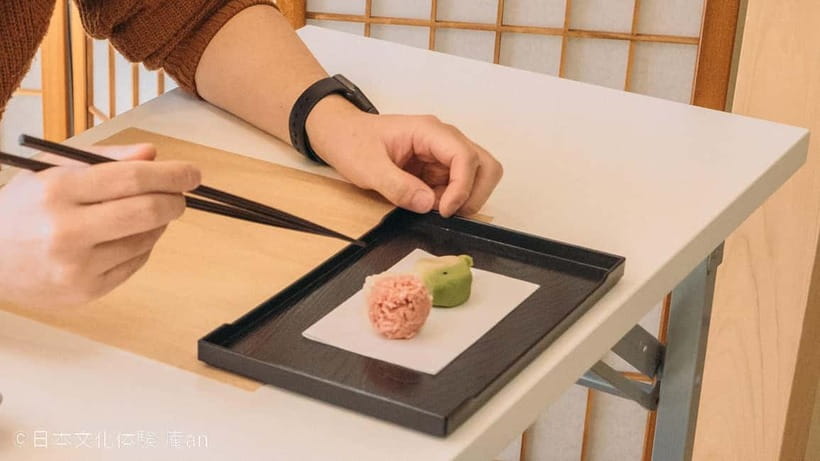
At some point you’ll have picture time, and the class description frames it like you’re placing your handmade sweets on a plate like artwork. That’s not just a nice-to-have. It changes how you approach the final minute. Instead of treating the process as utilitarian, you start polishing the final look because you know you’ll want a clear photo.
Then comes the best part: eating time. You can eat the sweets on the spot, which is rare for workshops that are focused only on craft. You don’t have to wait, wrap, or find a store later. You get instant feedback on whether the texture you worked so carefully achieved the expected feel.
One practical tip for the eating part: take a second before the first bite. Look at how the surface catches light and how the shape holds. Then eat slowly enough to appreciate that nerikiri is not just sweet, it’s designed to feel delicate and well-structured.
If you want to share, it’s easy to do in a group setting because you’ll have two distinct styles to discuss. Even if you’re solo, tasting both sweets back-to-back makes it simpler to spot differences in texture and flavor balance.
Price and Extras: When $11 Feels Fair, and When to Budget More
The core price is $11 per person, and the time is 65 minutes. For Osaka, that is solid value because you’re paying for real instruction, access to the paste, and guided shaping for two finished seasonal sweets.
What’s included is the experience set of nerikiri making. What’s not included are two common add-ons:
- A sweets take-out box (100 JPY)
- An experience completion certificate (300 JPY)
If you plan to bring sweets back, the take-out box matters because wagashi can get messy after handling and shaping. If you like collecting proof of workshops, the certificate is a low-cost souvenir. If you don’t need either, you’re still getting a complete experience because you can eat the sweets on site.
Also consider the translation factor. The class is Japanese language, but English translation is provided as much as possible. In practice, that tends to matter most when you’re learning fine motor skills and you need to understand corrections quickly.
From the feedback you can infer the biggest value drivers are instruction quality and ease. People describe the activity as fun for the hour, and they also point out that the instructor can explain clearly enough in English and takes time with the process. That combination is exactly what makes a craft class worth your time.
Who This Nerikiri Workshop Fits Best (And Who Might Skip It)
This is ideal if you want a hands-on Osaka activity that feels cultural but still approachable. You don’t need any culinary background. You do need patience, because shaping sweets into a clean silhouette takes a few focused minutes.
You’ll also enjoy it if you care about Japanese food aesthetics. Even if you’re not a wagashi fan right now, nerikiri is visually rewarding, and the seasonal theme helps you connect the craft to Japan’s daily rhythm.
Skip it if you strongly dislike stairs, because there is no elevator. Also, if you’re the type who hates any time pressure, note that they cannot hold the event to accommodate delays, so plan on arriving a little early.
If you’re traveling with kids, there is a small detail worth knowing: children who sit on their parents’ lap are free of charge if they are under 2 years old. That can help families keep costs down for a short, structured activity.
Should You Book This Nerikiri Making Class?
Yes, I think you should book this if you want a short, memorable craft experience with real materials and a payoff you can eat immediately. Two seasonal sweets in 65 minutes, using Kyoto bean paste, is a strong combination for the price, and the structure gives first-timers a real chance of finishing with something that looks like wagashi, not just shaped dough.
Book it especially if you like taking home a story you can explain. You’ll have two distinct sweets to show, and the process itself makes it easy to talk about what you learned. If stairs are a problem for you, then it’s worth considering alternatives.
FAQ
How long is the Nerikiri making experience?
The experience lasts 65 minutes.
What sweets will I make during the class?
You will make two Japanese traditional sweets called Nerikiri. The class includes a flower shaped Nerikiri and Kinton Nerikiri.
Can I get help if I do not speak Japanese?
An English translation is provided as much as possible, and the instructor is Japanese.
Can I eat the sweets after I make them?
Yes. You can eat the sweets on the spot.
Are there any extra costs besides the $11 price?
The take-out box costs 100 JPY, and the completion certificate costs 300 JPY. These are not included in the main price.
What is the easiest station to reach the meeting point from?
It is listed as 1 minute walk from Exit 10 of Higobashi Station on the Osaka Metro Yotsubashi Line. Other nearby options include Watanabebashi Station, Yodoyabashi Station, and Kitashinchi Station.
Just added around Osaka


Dessert Tours, compared.
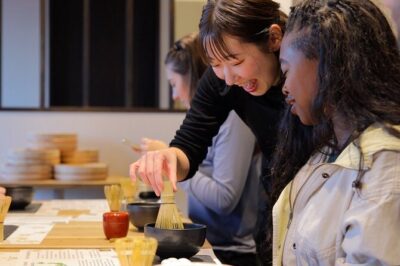
Matcha Making Class in Osaka with Authentic Japanese Sweets Set
Read our review →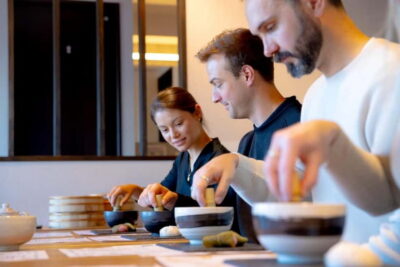
Japanese Traditional Sweets Making and Tea Ceremony
Read our review →
Craft Sushi and Matcha Ice Cream in Central Osaka (3-Course Meal)
Read our review →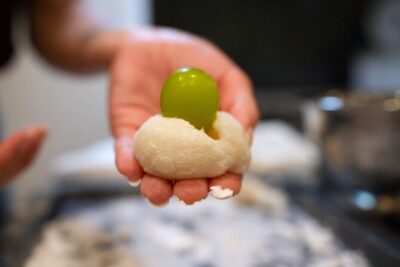
This tour also fits