
Reviewed · TEA CEREMONY & MATCHA EXPERIENCES
Osaka: Japanese Traditional Sweets Making and Tea Ceremony
Nerikiri and matcha in one calm lesson. In this Osaka traditional sweets workshop, you shape seasonal wagashi called nerikiri and then enjoy the tea ceremony using Uji matcha you prepared. It’s a small, hands-on way to taste Japanese craftsmanship without turning your day into a marathon.
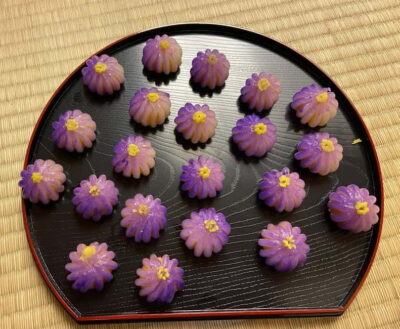
I especially like the start, where you color and form the bean paste into flower-like sweets. You’ll make two sweets matched to the season, using white and red bean paste made by Kyoto’s long-established shops.
One thing to consider: the class is in Japanese (English translation is provided as much as possible), and the venue has stairs only. If you need heavy English support, plan ahead and contact the team.
In This Review
- Key points you will care about
- Making Seasonal Nerikiri in Osaka, Using Kyoto Bean Paste
- The Part That Really Changes the Tea: Uji Matcha and Grinding
- How the Tea Ceremony Moment Works at Your Table
- A 95-Minute Schedule That Feels Like Two Lessons, Not One Rush
- Price and Value: What $18 Buys You in Real Craft
- Getting There Without Stress: Station Walks and Stair-Only Access
- Language and Instructor Style: What You Can Expect
- Who This Workshop Suits Best (And Who Might Reconsider)
- Should You Book Osaka’s Nerikiri and Uji Matcha Class?
- FAQ
- How long is the experience?
- How much does it cost?
- What will I make during the class?
- What kind of matcha is used?
- Is English translation available?
- What does the class include?
- What extra costs might I run into?
- Where is the meeting point near train stations?
- Is the venue elevator-free?
- Is free cancellation available, and can I pay later?
Key points you will care about
- Season-matched nerikiri: you’ll make two sweets that reflect the time of year.
- Kyoto bean paste (red and white): the filling comes from long-established Kyoto shops.
- Single-origin special matcha: you use a focused, high-quality tea rather than generic powder.
- Grinding demonstration: you see matcha made from scratch before drinking.
- A clear rhythm with a break: about half the time goes to sweets, then tea steps start with a pause.
- Instructors are praised for patient guidance: names like Maiko, Jun, and Mihiko show up in recent feedback.
Making Seasonal Nerikiri in Osaka, Using Kyoto Bean Paste
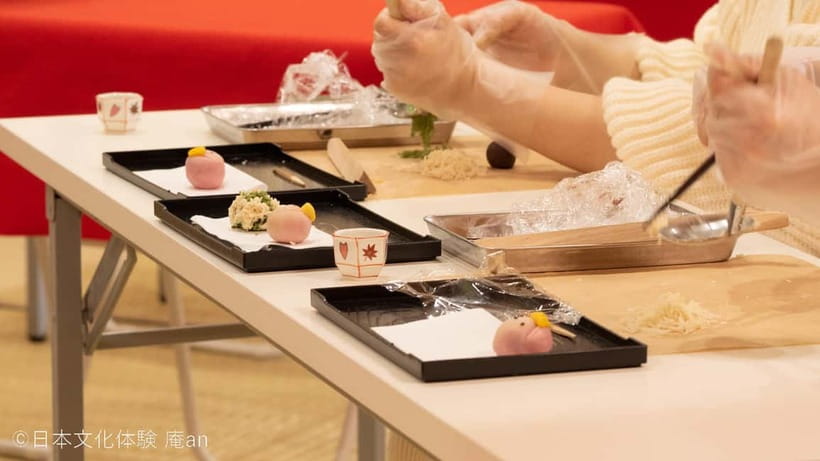
This experience is built around a very specific kind of Japanese sweet: nerikiri. It’s a higher-end style of wagashi made by working colored bean paste into designs that often look like flowers, fruits, and nature themes that match the season.
You start with the fun part: coloring the white bean paste. That step matters more than it sounds. Getting the color right is part of the craft, and it helps you understand why nerikiri is seen as more than just dessert. The paste has to be handled with care, and you’ll feel how malleable it is as you mix, shape, and refine.
After that, you’ll move into forming your sweets. The class is designed so you end up making two nerikiri that fit the seasonal theme. You’re not just copying a random shape either. The whole point is that nerikiri is meant to look like something from the world around Japan, so you’ll be crafting small edible art. In the class description, you’ll hear about Kinton nerikiri, and the process is taught from coloring through shaping.
Most importantly for value: the bean paste is not described as a generic ingredient. You’ll be using white and red bean paste produced by Kyoto’s long-established shops. Kyoto has a reputation for refined sweets, and in a workshop like this, it gives your finished wagashi a more “real” flavor than you’d get from cheaper bases.
Slow down for a bowl of matcha
- Osaka: Tea Ceremony Experience★ 4.9 · 1,426 reviews
- Tea Ceremony Experience in Osaka Doutonbori★ 5.0 · 754 reviews
- Matcha Making Class in Osaka with Authentic Japanese Sweets Set★ 5.0 · 509 reviews
- Osaka: Matcha Making Experience with Japanese Sweets★ 5.0 · 146 reviews
- Osaka Temple Cool Foot Bath & Matcha Experience〈45min〉★ 4.9 · 82 reviews
The Part That Really Changes the Tea: Uji Matcha and Grinding
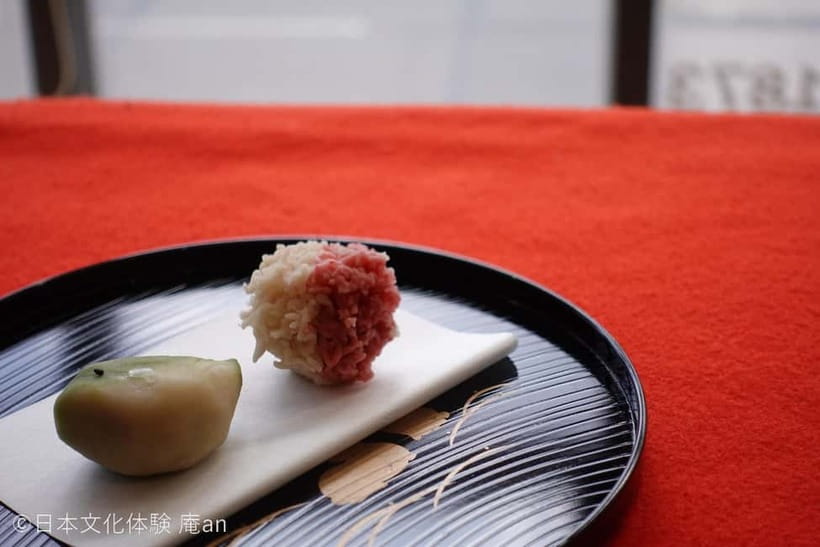
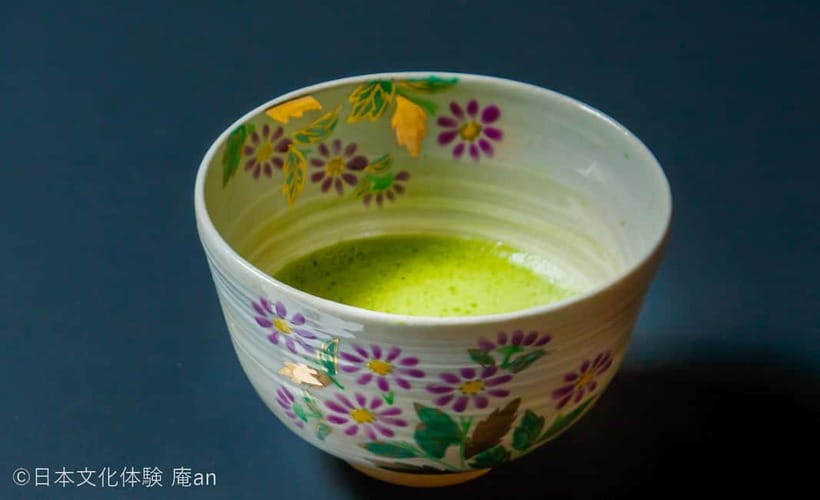
After the sweets, the lesson shifts to tea, and the matcha is the star. You use single-origin special matcha, specifically Uji matcha. That matters because Uji is widely associated with high-quality green tea, and using a named origin is a good sign that this class is trying to keep the tea focused and consistent.
The best moment is the matcha grinding demonstration. You watch how matcha becomes a fine powder, and that sets expectations for the final taste. Freshly ground matcha tends to smell stronger and feel more vibrant in the mouth, even if you’ve never done anything like this before.
Then you prepare your tea and drink it alongside the sweets you made. The class description highlights something you should pay attention to while tasting: the sweetness of the high-quality bean paste is meant to balance the matcha. In plain terms, this pairing is built to prevent the tea from feeling harsh and the sweets from feeling one-note.
If you’re a tea beginner, this is a friendly way to understand why matcha ceremonies exist. It’s not just about “how to drink.” It’s about paying attention to the sensory match between tea bitterness, sweetness, texture, and aroma.
How the Tea Ceremony Moment Works at Your Table
You don’t just get a lecture and a cup. The flow is designed so you learn the steps and then try them. Around the middle of the class, you’ll get an explanation of tea, then the matcha grinding demo, and then a tea-ceremony experience.
It’s useful to go in with a realistic expectation: this is a workshop style format, not a long formal ceremony lasting hours. The goal is to teach you the core ideas and let you participate. You’ll also likely take photos near the end, since the schedule includes a picture time right before eating and drinking.
What you’ll take away here is the etiquette and attitude around tea. The class description frames it as appreciating the ceremony and the culture. In practice, that means you’ll handle the tea with care, watch the steps closely, and then take your time tasting what you made.
Also note the pacing detail: there’s a break after the sweets portion. That helps you recharge before the tea segment, so you’re not trying to concentrate on two fine-skill activities in a row.
A 95-Minute Schedule That Feels Like Two Lessons, Not One Rush
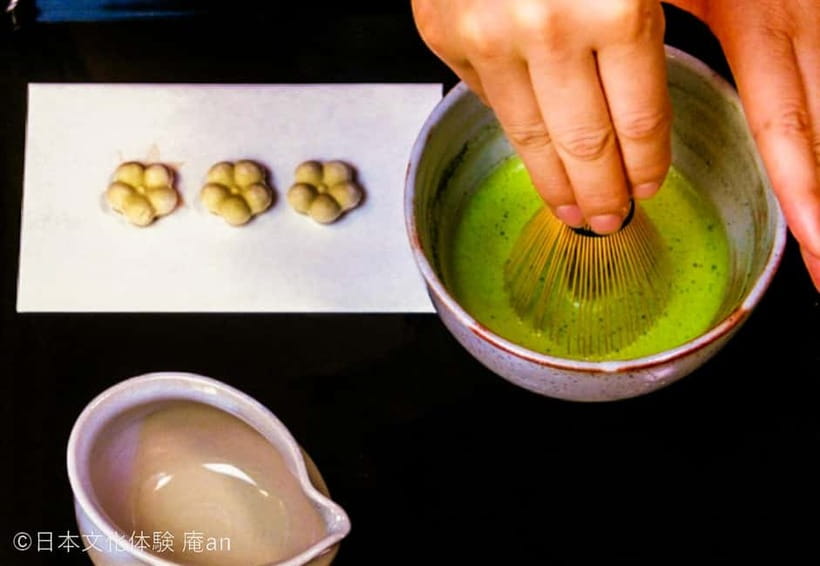
The total time is 95 minutes, which is a sweet spot. Long enough to feel like you learned something real, short enough to fit into a day in Osaka without stress.
Here’s the rhythm you can expect:
- Start (around 0 minutes): explanation about Japanese traditional sweets.
- Sweets making (0 to about 55 minutes): you make your nerikiri, starting with coloring and then shaping your seasonal flower-like designs.
- Break time (around 55 to 65 minutes): you get a pause before tea steps begin.
- Tea explanation and matcha (about 65 to 85 minutes): tea talk, grinding demonstration, and your tea-ceremony experience.
- Eating and drinking (about 85 to 95 minutes): you enjoy the sweets you prepared with your matcha, then you leave the room.
That mid-class break is not a throwaway detail. For many people, shaping sweets requires fine hand control and patience. A short reset makes it easier to focus for the tea section, especially if you’re traveling with kids or you’re just coming off a busy morning.
Price and Value: What $18 Buys You in Real Craft
At $18 per person, the value here is strong, but it depends on what you compare it to.
For your money, you’re not paying only for a drink. You’re making two seasonal wagashi, using bean paste sourced from Kyoto’s long-established shops. Then you learn about matcha with single-origin special matcha and you participate in the tea ceremony. Even the tools are included, and the class is structured so you use them rather than watching from the sidelines.
There are a couple of optional extras to be aware of:
- A take-out box for sweets costs 100 JPY.
- A completion certificate costs 300 JPY.
If you like hands-on travel, this is the kind of class where you actually leave with something edible and memorable, not just a photo. And the experience is timed for efficiency, so you aren’t paying for hours of sitting.
Other ways to spend a day in Osaka
- Japanese Traditional Sweets “Nerikiri” making
★ 4.2 · 5 reviews - Craft Sushi and Matcha Ice Cream in Central Osaka (3-Course Meal)
★ 5.0 · 2 reviews - Japanese Sweets Making Class in Osaka
★ 5.0 · 1 review
Getting There Without Stress: Station Walks and Stair-Only Access
Location-wise, this is pretty workable in Osaka’s transit grid. You’ll want to use one of these nearby meeting points:
- 1 minute walk from Exit 10 of Osaka Metro Yotsubashi Line Higobashi Station
- 5 minutes walk from Exit 7 of Keihan Nakanoshima Line Watanabebashi Station
- 7 minutes walk from Exit 10 of Osaka Metro/Keihan Line Yodoyabashi Station
- 10 minutes walk from Exit 11-5 of JR Tozai Line Kitashinchi Station
- 15 minutes walk from South Central Gate of Osaka Station
One practical warning: the venue can be hard to spot. Some recent bookings noted that the building is gray and that Google Maps may not be crystal clear. My advice is simple: give yourself a little extra time to confirm the exact entrance.
Also, plan for stairs. The building has no elevator, so you’ll need to take steps to reach each venue. If you’re carrying a lot of luggage or you have mobility challenges, plan accordingly.
If you’re driving, there is coin parking nearby, but transit is clearly the easier path for most people.
Language and Instructor Style: What You Can Expect
The instructor is Japanese, and English translation is provided as much as possible. If you want more English support, the guidance says you can contact the team to request it.
This is a good setup if you’re comfortable with a few hands-on instructions, but it’s worth being honest about expectations. A few recent experiences mention that English can vary, and at least one booking suggested it would help to have more English support. On the other hand, several other bookings praised instructors for clear English and for being patient, including guides such as Maiko, Jun, and Mihiko who are mentioned by name in feedback.
So how do you handle the language factor?
- Go in with a can-do mindset for visuals and demonstrations.
- Watch the instructor’s hands, not only the words.
- Ask questions even if your Japanese is basic, since the format is interactive and questions are part of the learning.
Who This Workshop Suits Best (And Who Might Reconsider)
This is a solid match for:
- People who want a hands-on wagashi activity, not just a tea lecture
- Tea beginners who want a real tea ceremony experience paired with tasting
- Families, since recent bookings included kids enjoying both the sweets and matcha learning
It’s less ideal if:
- You require fully bilingual instruction throughout. Translation is described as provided as much as possible, and some people did wish for more English.
- You strongly prefer a purely formal tea ceremony. This format includes participation and demonstrations, but it is designed to fit into a 95-minute schedule.
If you want a “chill but meaningful” cultural stop that produces edible results, this fits nicely. And if you’re near the station options listed above, you can slot it into a day without needing complicated transit planning.
Should You Book Osaka’s Nerikiri and Uji Matcha Class?
I think you should book it if you want a compact, craft-focused experience: you’ll make two seasonal nerikiri using Kyoto bean paste, then you’ll learn matcha with single-origin Uji matcha and participate in a tea ceremony.
Skip it, or at least contact the team first, if you need heavy English support, or if stairs are a problem for you. Also, plan extra time to find the building entrance, since a few recent bookings flagged that the location can be a little tricky to spot.
If those points work for you, this is one of the better “value for money” cultural activities in Osaka: you leave with skills, with context, and with sweets you made yourself.
FAQ
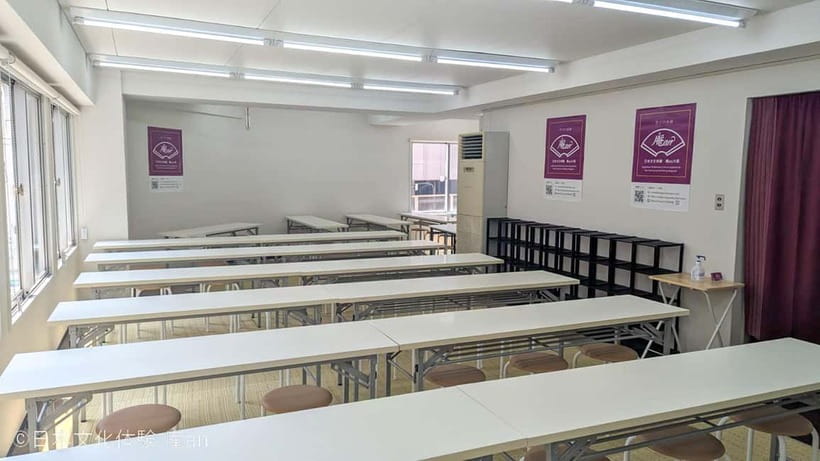
How long is the experience?
The total duration is 95 minutes.
How much does it cost?
The price is $18 per person.
What will I make during the class?
You’ll make two Japanese sweets in the nerikiri* style that match the season.
What kind of matcha is used?
You’ll use single-origin special matcha from Uji.
Is English translation available?
English translation is provided as much as possible. If you want to add English, the info suggests you should contact the team.
What does the class include?
It includes the experience and the use of required tools.
What extra costs might I run into?
A sweets take-out box costs 100 JPY and an experience completion certificate costs 300 JPY.
Where is the meeting point near train stations?
You’ll meet near several options, including 1 minute from Higobashi Station (Exit 10), and 7 minutes from Yodoyabashi Station (Exit 10), among other listed nearby exits.
Is the venue elevator-free?
There is no elevator, and you will need to take stairs.
Is free cancellation available, and can I pay later?
Yes, you can cancel up to 24 hours in advance for a full refund. The listing also offers reserve now & pay later.
Just added around Osaka
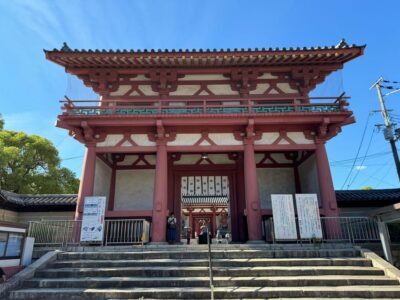


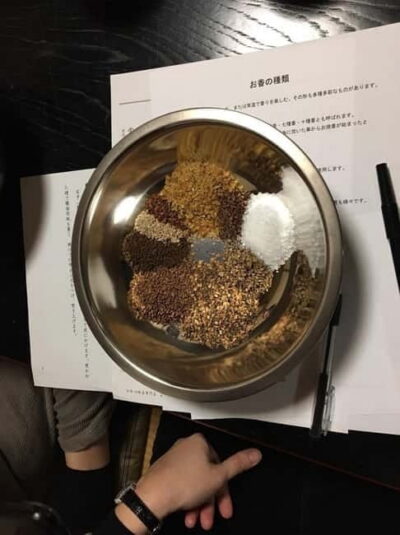
Tea Ceremony & Matcha Experiences, compared.
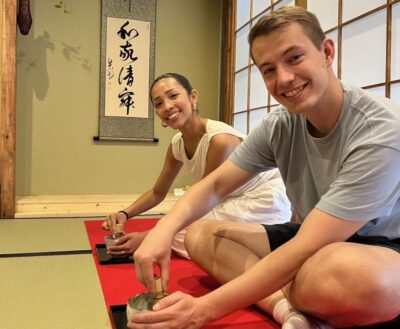
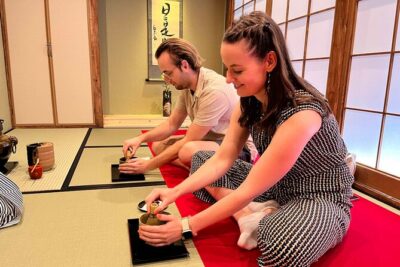
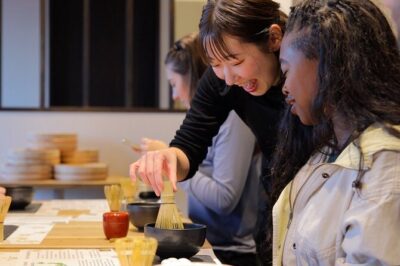
Matcha Making Class in Osaka with Authentic Japanese Sweets Set
Read our review →
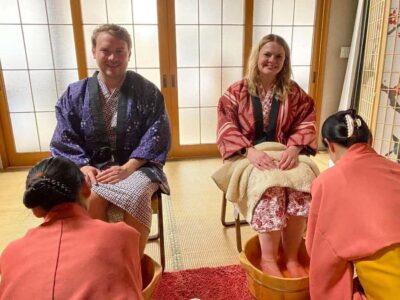
Osaka Temple Cool Foot Bath & Matcha Experience〈45min〉
Read our review →
Samurai Show, Tea Ceremony, Japanese Traditional Activities
Read our review →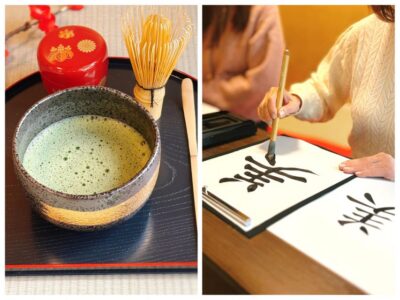
Osaka; Japanese Tea ceremony experience, Macha and Sencha
Read our review →This tour also fits