
Reviewed · TEA CEREMONY & MATCHA EXPERIENCES
Osaka: Matcha Making Experience with Japanese Sweets
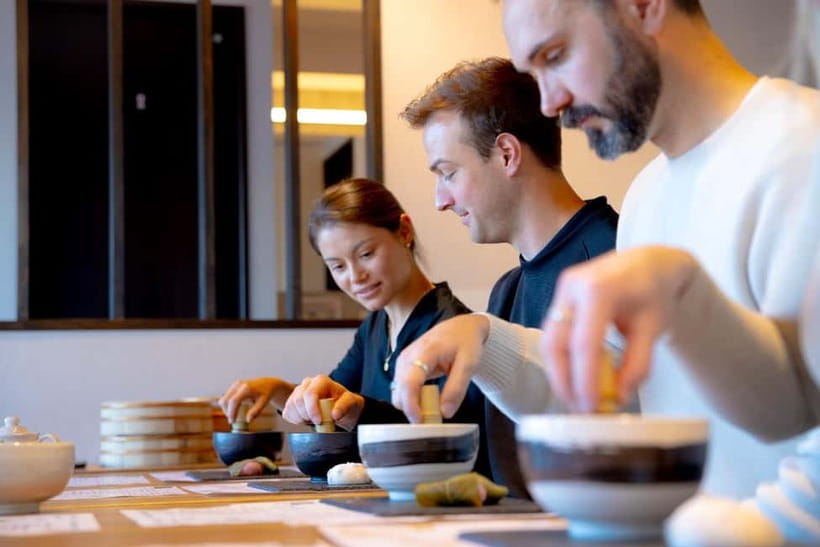
Whisk your matcha like a pro in Osaka. Matcha Making Osaka is a one-hour class that mixes hands-on tea practice with an interactive quiz on matcha history. Small group size keeps it personal, and English-speaking staff make everything feel easy to follow.
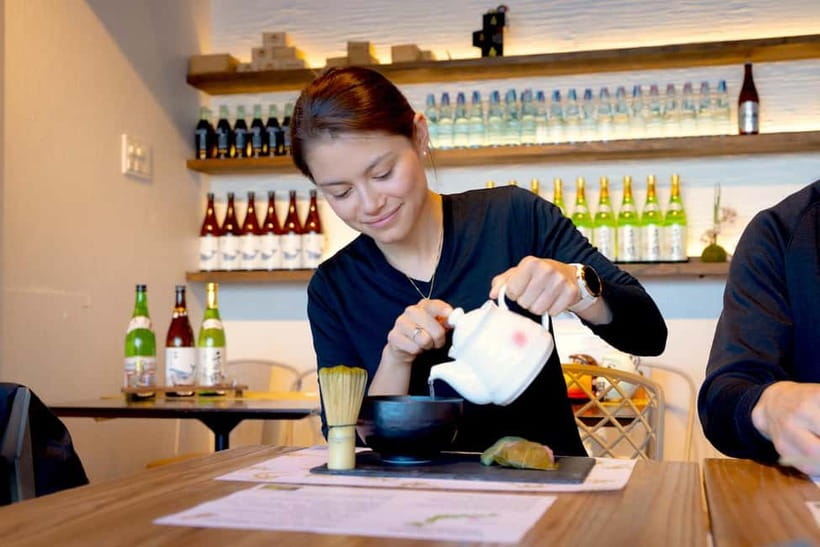
You’ll whisk your own matcha with traditional tools, then sip your tea alongside Japanese sweets guided by the staff. It’s a relaxing sit-down break in the Dotonbori, Shinsaibashi area, not a rushed food stop.
The only real catch is the time. At just 1 hour, it’s great for learning the basics, but you may want more time if you’re hoping for a long, formal tea ceremony experience.
In This Review
- Key highlights worth caring about
- Osaka Matcha, Made Simple and Surprisingly Fun
- The One-Hour Flow: Quiz, Whisk, Sip, and Snack
- The start: matcha history through a quick quiz
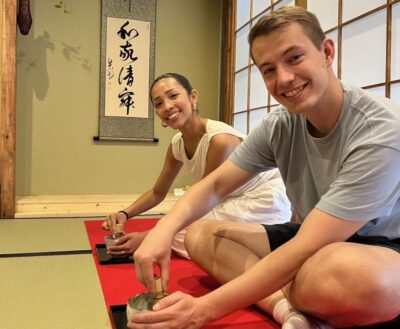
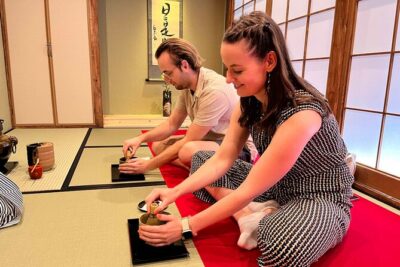
- Then comes the hands-on: whisking with traditional tools
- Taste time: drink your matcha with Japanese sweets
- End with practical tips and a calmer finish
- What You Actually Learn, Beyond Just Making Tea
- Instructors: Friendly Energy and Real Teaching Help
- Price and Value: Is $22 Worth It?
- Where to Meet in Osaka, and How Not to Stress
- Central Osaka Timing: Pair It With Food Without Overloading Your Day
- Who This Experience Fits Best
- A Few Practical Tips Before You Go
- Should You Book Matcha Making Osaka?
- FAQ
- How long is the matcha making experience?
- How much does it cost?
- Is an English-speaking instructor available?
- Do I need any prior experience with matcha?
- What is included in the class price?
- Is hotel pickup and drop-off included?
- Where do I meet for the class?
- What group size should I expect?
- Can I cancel for a full refund?
- Can I reserve first and pay later?
- What do we do during the class?
Key highlights worth caring about
- Max 6 participants, so you get real help, not just a demo
- English-speaking instructor, including names like Serin, Fujiko, Shota, and Yui you may meet
- History made approachable through a light, interactive matcha quiz
- Hands-on whisking technique, so you taste the results right away
- Matcha plus Japanese sweets, served with the tea you make
- Central Osaka location, around Shinsaibashi and Dotonbori, easy to pair with sightseeing
Osaka Matcha, Made Simple and Surprisingly Fun
If you come to Osaka for food, you already get how much care people put into everyday culture. This matcha experience fits right in, because it treats tea like something you can learn, share, and enjoy, not just something you watch from a distance.
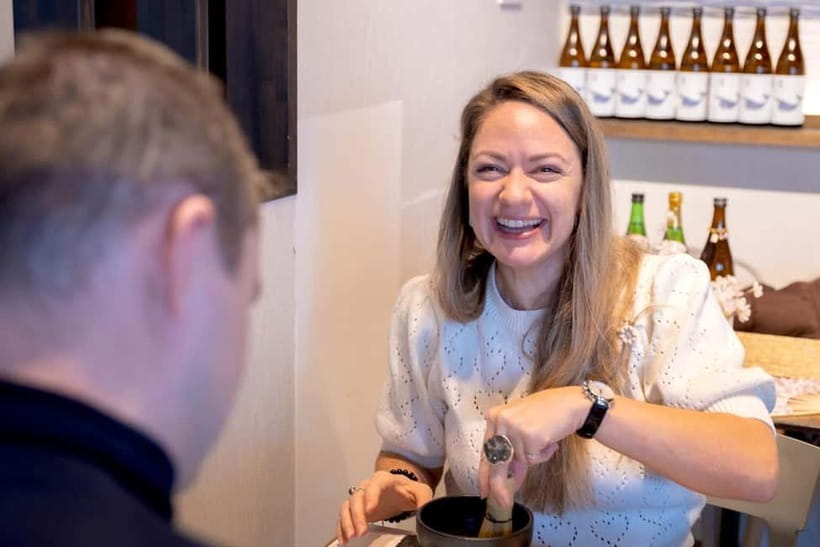
I like that it’s built around real participation. You don’t just stand around while someone explains matcha, you actually whisk it, taste it, and eat along with it. That hands-on rhythm helps the history stick too, because the quiz comes before the mixing, so the story has somewhere to land in your brain.
The other thing I appreciate is the vibe. Multiple instructors described in the experience reviews have an upbeat, friendly teaching style, and the class is structured as a calm break from the street energy outside. If you want something central but not stressful, this one is aimed at that sweet spot.
Slow down for a bowl of matcha
- Osaka: Tea Ceremony Experience★ 4.9 · 1,426 reviews
- Tea Ceremony Experience in Osaka Doutonbori★ 5.0 · 754 reviews
- Matcha Making Class in Osaka with Authentic Japanese Sweets Set★ 5.0 · 509 reviews
- Osaka: Japanese Traditional Sweets Making and Tea Ceremony★ 4.7 · 118 reviews
- Osaka Temple Cool Foot Bath & Matcha Experience〈45min〉★ 4.9 · 82 reviews
The One-Hour Flow: Quiz, Whisk, Sip, and Snack
This class is scheduled for 1 hour, and it runs in a clear sequence that’s easy to prepare for. There are no complicated prerequisites, and you’re guided step-by-step in English.
The start: matcha history through a quick quiz
The experience begins with an interactive and lighthearted quiz about matcha. That matters more than it sounds. Matcha can feel like a huge topic because people talk about it in health, ritual, and quality terms. A quiz helps you learn the basics without turning the session into a lecture.
You’ll also get the context for why matcha is made the way it is, and why the process is tied to how it’s enjoyed. Expect a friendly tone, with plenty of chances to ask questions as you go.
Then comes the hands-on: whisking with traditional tools
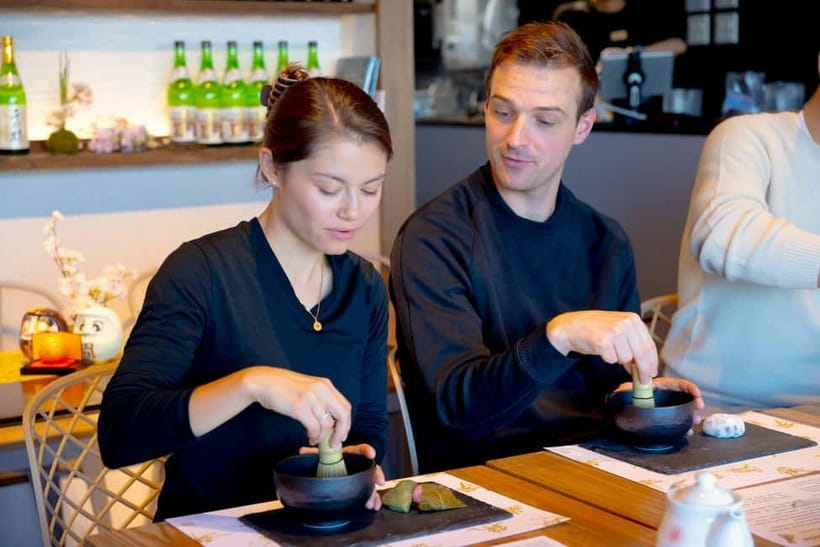
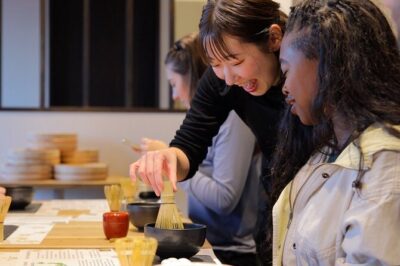
Next you whisk your own matcha. The class uses traditional tools guided by the instructor, described in the highlights as tea master-style technique. Reviews repeatedly point out that the instruction is practical, including help with getting a smoother texture when you mix.
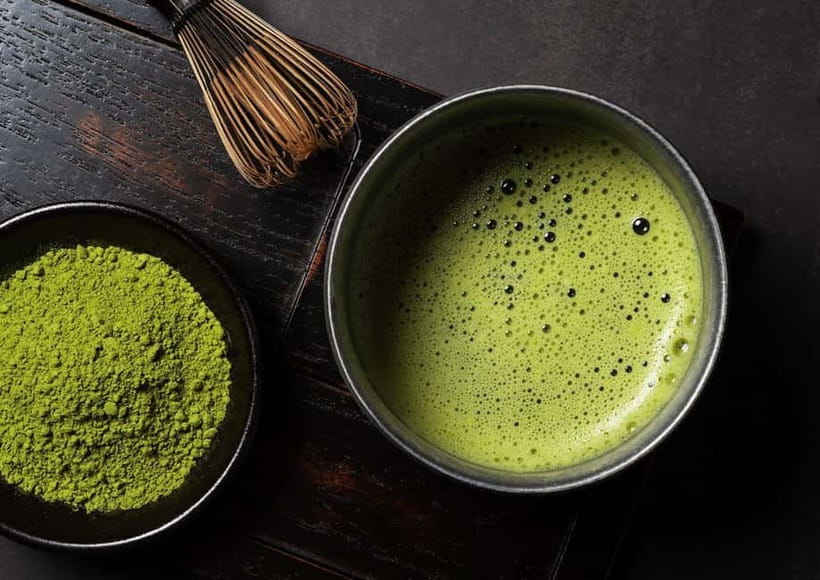
This is where the experience earns its keep. Matcha is powder, and the magic happens in how you dissolve and whisk it. When you do it yourself, you learn the difference between simply mixing and actually preparing matcha in the more traditional way.
Taste time: drink your matcha with Japanese sweets
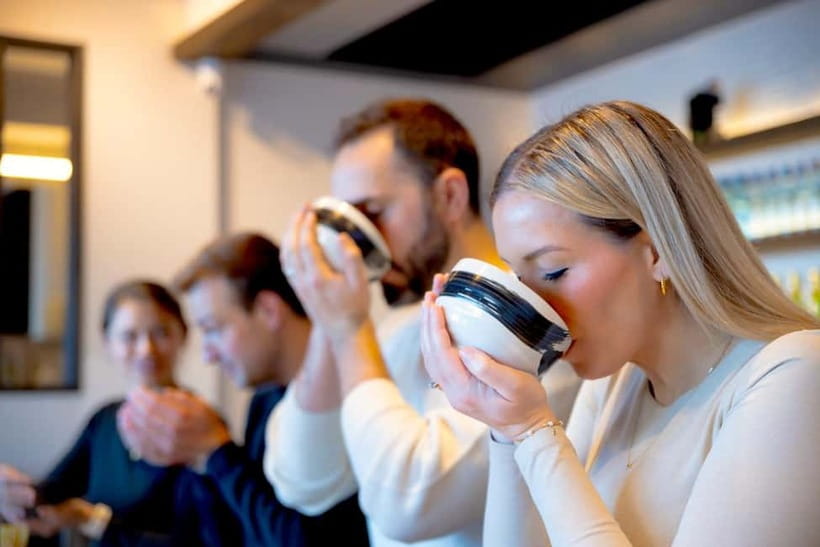
After whisking, you drink what you made. You also eat Japanese sweets as part of the same session, guided by local staff. This is a smart pairing setup for a first-time matcha experience, because it gives your taste buds something familiar but still Japanese.
If you’re new to matcha, the sweets help you approach it without overthinking. If you already like matcha, the tasting part becomes a quick calibration, letting you notice how whisking and tea serving style change the final cup.
Other ways to spend a day in Osaka
- Japanese Traditional Sweets “Nerikiri” making
★ 4.2 · 5 reviews - Craft Sushi and Matcha Ice Cream in Central Osaka (3-Course Meal)
★ 5.0 · 2 reviews - Japanese Sweets Making Class in Osaka
★ 5.0 · 1 review
End with practical tips and a calmer finish
The class ends after tasting, and you leave with a clearer sense of how matcha is prepared and enjoyed. Reviews highlight that instructors often share extra pointers and local recommendations around Osaka, which makes the hour feel like more than just the tea lesson.
What You Actually Learn, Beyond Just Making Tea
This experience isn’t only about producing a cup. It teaches you how to understand matcha as a cultural food, not just a drink you order.
You’re learning matcha history in a way that’s meant to be usable. The quiz format nudges you toward the key ideas, then the hands-on mixing turns those ideas into muscle memory. It’s also why the tasting is built in, because you’ll remember what the cup tastes like once you know why it’s made that way.
From the reviews, a common theme is clarity. Different instructors are highlighted, including Serin, Fujiko, Shota, Yui, Takara, and Hinata, and the class style seems to be consistent across them: explain the steps, then help you do the steps. That’s what makes it feel approachable, even if you know almost nothing about tea.
A small but important detail: you’re not stuck kneeling. One review notes the table setup avoids kneeling on the floor while still keeping a traditional feel. That’s the kind of comfort detail that can decide whether an hour feels relaxing or annoying.
Instructors: Friendly Energy and Real Teaching Help
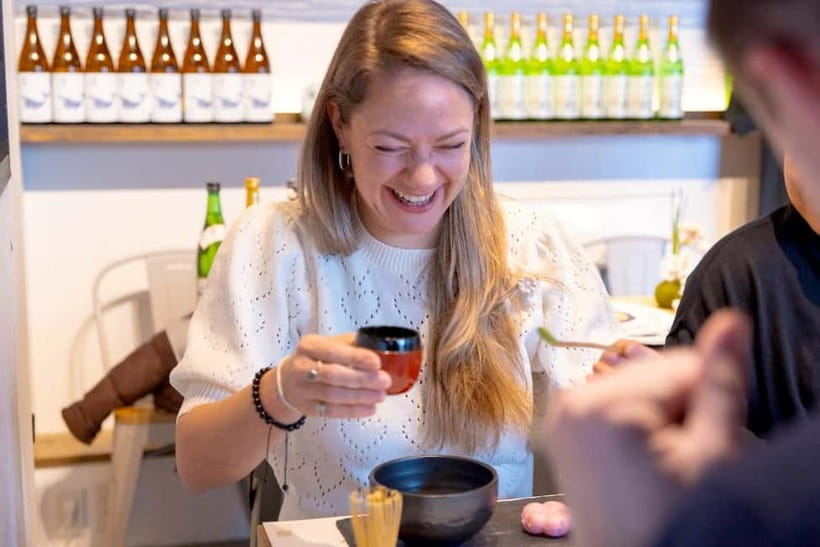
The biggest strength of this experience is the human side. Instructors are described as interactive, patient, and funny in a natural way, not forced. When you’re learning something hands-on like whisking matcha, that support matters.
You may meet instructors such as:
- Serin, described as kind and interactive
- Fujiko, praised for humor and clear English
- Shota, highlighted as a great host
- Yui, noted for helpful explanations
- Takara and Hinata, mentioned for patient, calm guidance
Even when different names appear, the pattern in the feedback is similar: English explanations are easy to follow, and you get help when you’re doing the process yourself. That’s the difference between a “watch and taste” activity and a true learn-to-do experience.
Also worth noting: the staff include people who are willing to answer matcha questions. That turns the session into a two-way conversation, which helps you leave feeling confident enough to try matcha again at home.
Price and Value: Is $22 Worth It?
At $22 per person for a 1 hour class, the value comes down to what’s included and how personal the session is.
Included:
- The cooking class itself
- Ingredients
- Instructor guidance
Not included:
- Hotel pickup and drop-off
So you’re paying for the teaching, the materials, and the chance to make and taste matcha with sweets. The small group size of up to 6 is a big part of that value. In a large group, you often get one quick explanation and then you’re on your own. Here, the format is set up so the instructor can check your technique and answer your questions.
If you’re the type of traveler who likes to leave with a skill you can repeat, this price is easier to justify. You’ll go from ordering matcha to understanding what makes a good cup, especially the whisking step and how it affects texture.
If you’re only interested in drinking matcha and you do not care about technique or history, you might find cheaper options around Osaka. But for a first-time matcha experience done properly in a central location, this one is priced like a learning experience, not just a snack stop.
Where to Meet in Osaka, and How Not to Stress
The meeting point is 3rd floor, Galleria Acca Building, about 5 minutes walk from Shinsaibashi Station. The coordinates listed are 34.6723159, 135.5024459.
Practical tip: plan to arrive a bit early and be ready for stairs, since one review specifically mentions finding the location involved going up. The good news is that Shinsaibashi and Dotonbori are already a familiar, central hub area. So even if you have a little extra time, you’re not stuck in some far-off neighborhood.
Once you finish the class, you’re right where you want to be for Osaka food browsing. This is a big part of the appeal. You learn matcha in a calmer indoor setting, then you can step back out into the street-level energy of the city.
Central Osaka Timing: Pair It With Food Without Overloading Your Day
Because the class is short and in a convenient spot, you can fit it into almost any Osaka plan.
A smart approach is to use this as a midday or early afternoon reset. Reviews mention it can feel like a break from heat and crowd pressure. If your day is already packed with walking, this kind of tea break gives your body a chance to slow down, while your brain gets something new.
You can also treat it like a lead-in to your later food exploration. Matcha is not just a drink in Japan. It shows up in desserts, sweets, and seasonal items. After you learn the basics here, you’ll start noticing matcha flavors more clearly when you see it around town.
Who This Experience Fits Best
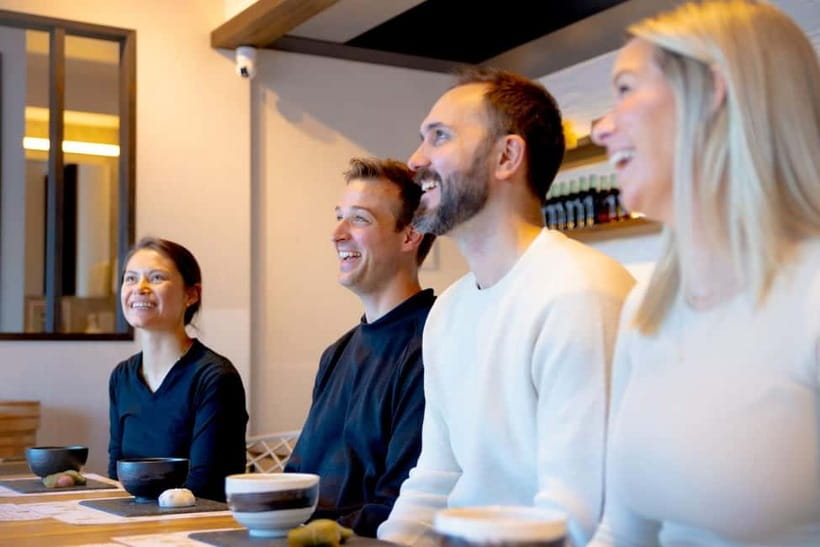
This class works well for a few different travel styles:
- First-time matcha drinkers who want the basics explained in English and supported step-by-step
- Food-focused travelers who like hands-on culture, not only eating
- Small-group seekers who prefer an intimate setting over a crowd
- Families in particular, since at least one review mentions bringing a 9-month baby and another review praises the class approach for elementary school kids
If you’re traveling solo, you still get a guided experience and a real chance to ask questions. If you’re with friends or family, the small group format helps keep the energy friendly instead of chaotic.
If you already know tea ceremony at a high level, you might find this more beginner-friendly than formal. Still, even experienced tea fans often enjoy comparing how their expectations match the reality of whisking texture and the matcha-sweet pairing.
A Few Practical Tips Before You Go
You don’t need special experience, but you can get more from the hour by showing up ready.
- Come with curiosity. Ask one question early, so you get more out of the quiz and explanation time.
- Watch your whisking step carefully. The whole class is built around texture and preparation, so don’t rush that part.
- Plan for taste. You’ll drink what you make and eat sweets, so avoid scheduling it right after an ultra-heavy meal if you want to enjoy every bite comfortably.
- Wear something comfortable. Even though the table setup avoids kneeling, you’ll still be seated and focused on a hand task.
And if you’re the type who likes to bring home a tool, some reviews mention purchasing items like a chawan bowl. If shopping is part of what you want, it’s worth keeping an eye out during the session.
Should You Book Matcha Making Osaka?
Book it if you want a short, high-value cultural activity where you make something with your own hands. The combination of a fun matcha history quiz, hands-on whisking, and a sit-down matcha and sweets tasting is exactly the sort of experience that turns “I tried matcha” into “I understand matcha.”
I’d skip it only if you want a long, formal tea ceremony with a strict ritual flow, or if you’re only chasing the cheapest matcha you can find. This is a learning-first class, not a full ceremony marathon.
For most people visiting Osaka, especially if you’re already planning to spend time around Shinsaibashi and Dotonbori, this is one of the easiest ways to add something truly memorable to your trip without eating up half your day.
FAQ
How long is the matcha making experience?
The experience lasts 1 hour.
How much does it cost?
The price is $22 per person.
Is an English-speaking instructor available?
Yes. The class is taught in English.
Do I need any prior experience with matcha?
No. The experience is designed for beginners, and you do not need prior matcha experience.
What is included in the class price?
The price includes the cooking class, ingredients, and the instructor.
Is hotel pickup and drop-off included?
No. Hotel pickup and drop-off are not included.
Where do I meet for the class?
Meet at 3rd floor, Galleria Acca Building, about 5 minutes walk from Shinsaibashi Station.
What group size should I expect?
It’s a small group, limited to 6 participants.
Can I cancel for a full refund?
Yes, you can cancel up to 24 hours in advance for a full refund.
Can I reserve first and pay later?
Yes. There is an option to reserve now and pay later.
What do we do during the class?
You learn matcha history through an interactive quiz, then you whisk matcha with traditional tools, and you drink your matcha with Japanese sweets.
Just added around Osaka

Tea Ceremony & Matcha Experiences, compared.
Matcha Making Class in Osaka with Authentic Japanese Sweets Set
Read our review →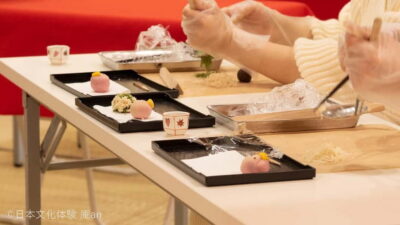
Japanese Traditional Sweets Making and Tea Ceremony
Read our review →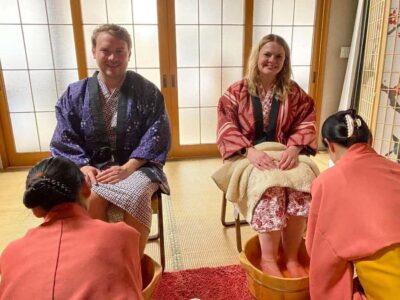
Osaka Temple Cool Foot Bath & Matcha Experience〈45min〉
Read our review →
Samurai Show, Tea Ceremony, Japanese Traditional Activities
Read our review →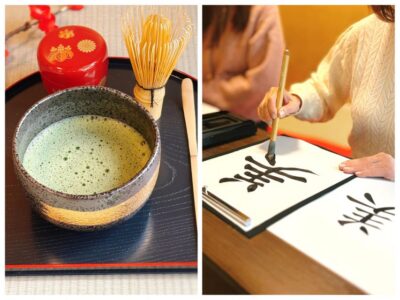
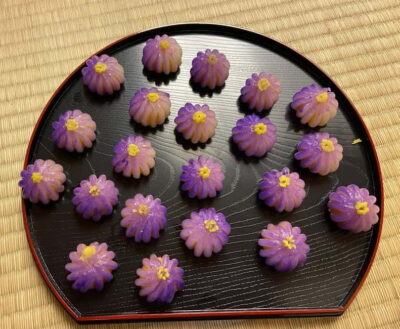
Osaka; Japanese Tea ceremony experience, Macha and Sencha
Read our review →This tour also fits