
Reviewed · DESSERT TOURS
Japanese Sweets Making Class in Osaka
Color, texture, and tea, all in one class. In Osaka, you’ll learn how to make three classic wagashi, including Sanshoku Dango with its spring colors, plus cherry-blossom styled Sakura Nerikiri and fruit-filled Fruit Daifuku. You work hands on with an experienced instructor, so the techniques feel doable, not mysterious.
I love that you make three different sweets in one 2 hours 30 minutes session. I also like the take-home part, because you’re not just tasting, you’re leaving with handmade confections you can share.
One consideration: transportation to and from the class is not included, so plan your own route to the meeting point near public transit. Also, there’s no mention of provided aprons or personal items, so wear clothes you do not mind getting a little sticky.
In This Review
- Key things to know before you go
- Arriving at Matcha Experience Osaka in Suita
- Sanshoku Dango Skewers, spring colors in your hands
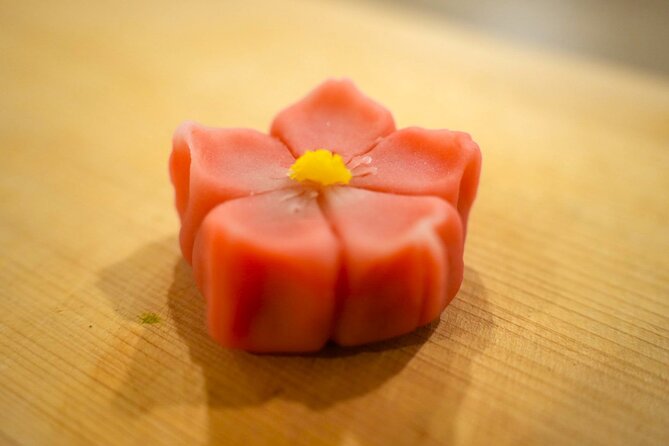
- Sakura Nerikiri cherry blossoms from bean paste
- Fruit Daifuku mochi, with sweet bean paste and seasonal fruit
- Tea included: matcha or sencha with your finished sweets
- What you get for $45.84, and why it feels like value
- Small-group reality check: what could slow you down
- Who this Osaka wagashi workshop is best for
- Should you book this Japanese sweets making class in Osaka?
- FAQ
- What Japanese sweets will I make in this class?
- How long is the Japanese sweets making class in Osaka?
- How much does the class cost?
- How many people are in the group?
- What is included in the price?
- Is Japanese tea included?
- Can I take the sweets home after class?
- Do I need to bring an apron or personal items?
- Where does the class meet, and where does it end?
- What is the cancellation policy?
Key things to know before you go
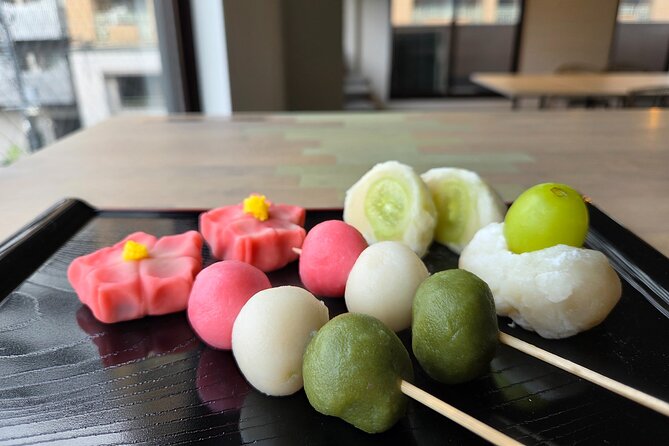
- Three wagashi, one session: Sanshoku Dango, Sakura Nerikiri, and Fruit Daifuku
- Small group size: up to 8 people, so you get real guidance
- Tea included: matcha or sencha with your finished sweets
- Everything supplied: ingredients and tools are included
- Take-home included: bring your creations home to share
Arriving at Matcha Experience Osaka in Suita
This class runs in Osaka Prefecture, with the meeting point at Matcha Experience Osaka in Suita, at 3-chōme-35-5 Tarumichō, Suita, Osaka 564-0062. The activity ends back at the meeting point, so you do not have to figure out a second location.
It is listed as near public transportation, which matters because you will likely arrive with enough time to settle in and start smoothly. The tour uses a mobile ticket, so have that ready on your phone when you check in.
Timing is straightforward: plan for about 2 hours 30 minutes total. If you are the type who likes to slow down and read signs before you move on, give yourself a little extra buffer getting there.
Other ways to spend a day in Osaka
- Craft Sushi and Matcha Ice Cream in Central Osaka (3-Course Meal)★ 5.0 · 2 reviews
- Matcha Making Class in Osaka with Authentic Japanese Sweets Set★ 5.0 · 509 reviews
- Osaka: Matcha Making Experience with Japanese Sweets★ 5.0 · 146 reviews
- Osaka: Japanese Traditional Sweets Making and Tea Ceremony★ 4.7 · 118 reviews
- Japanese Traditional Sweets “Nerikiri” making★ 4.2 · 5 reviews
Sanshoku Dango Skewers, spring colors in your hands
You start with Sanshoku Dango, the three-colored dumplings often associated with spring festivals. The class focuses on the hands on part, so you do the rolling and shaping yourself, rather than watching from the sidelines.
Then you place the shaped dumplings onto skewers using the traditional colors of pink, white, and green. That step is a nice “aha” moment, because it is where the sweets stop being just dough and start looking like the festival treats you may have seen in Japan.
A small practical consideration: dumpling shaping takes a light touch. If you tend to push too hard when you’re concentrating, you may find the dough responds more slowly than you expect, so keep your pace steady and follow the instructor’s step by step cues.
Sakura Nerikiri cherry blossoms from bean paste
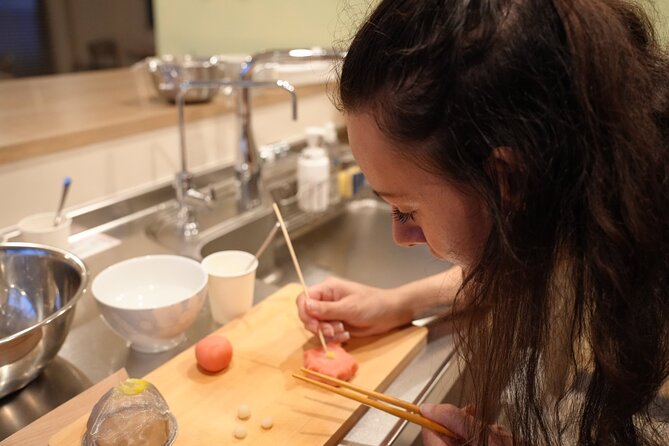
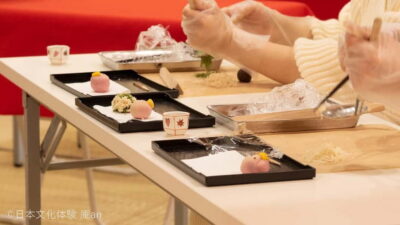
Next comes Sakura Nerikiri, a wagashi made with bean paste that is known for its flower shapes. You will create sweets shaped like cherry blossoms, and the instructor guides you through the process step by step.
This is the part of the class where patience pays off. Bean paste work is all about texture, and it can feel different from fruit or mochi based sweets. The payoff is that you end up with something visually delicate, even though you made it with your own hands.
This section is also a great way to understand how Japanese sweets often balance taste with appearance. You are not only aiming for sweetness, you are shaping something meant to look like a season.
Fruit Daifuku mochi, with sweet bean paste and seasonal fruit
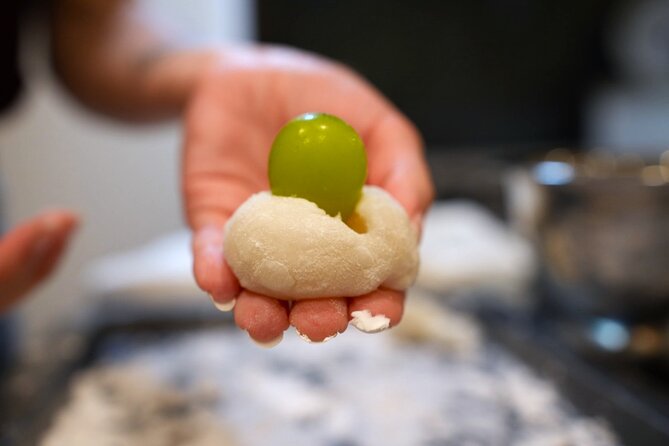
Finally, you make Fruit Daifuku, a favorite type of wagashi. It combines soft mochi with sweet bean paste, plus fresh seasonal fruit such as strawberries or grapes.
This section is usually the most fun if you like a “mix of textures” experience. Mochi has that springy, chewy feel, and filling it adds a tactile challenge. The class keeps it simple and guided, so you are not left guessing how much filling to use or how to close it properly.
One thing to keep in mind: the fruit is described as seasonal, so what you get may vary. Plan to enjoy whatever fruit is offered that day, since the whole point is that it is tied to the season.
Tea included: matcha or sencha with your finished sweets
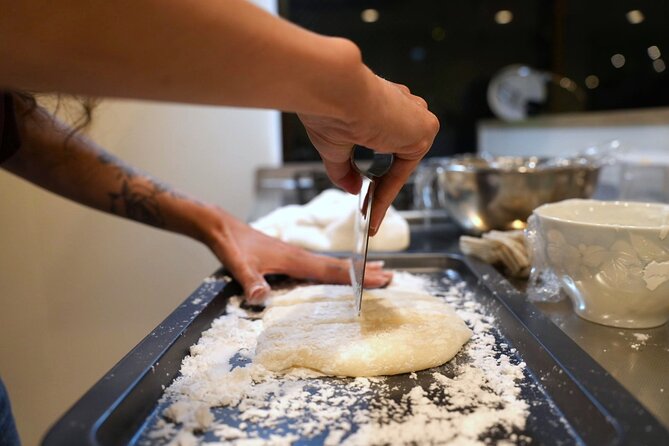
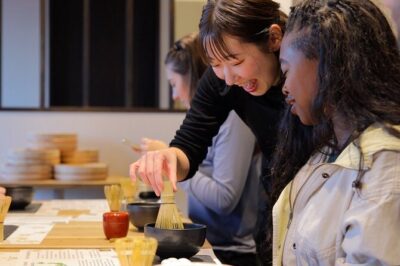
When you finish crafting, you get to enjoy what you made with a cup of Japanese tea. The class includes matcha or sencha, and that choice keeps the experience flexible depending on what you like.
Tea is not just a nice finish here. It helps you reset your palate after working with sweet bean paste and mochi, and it gives you a more complete picture of how wagashi is traditionally served, not just eaten as a single bite.
After the tea, you can take your handmade sweets home. That is a big deal for value and for fun, because you get to treat the class like a craft workshop, not a one-time snack.
Not ready to leave Osaka yet? A few more ways to fill the day.
- Full Day Tour of Kyoto with Private Transportation
★ 5.0 · 130 reviews - Sakai – Knife Factory and Craft Walking Tour
★ 5.0 · 44 reviews - Kyoto private tour (Shore excursion available from Osaka or Kobe port)
★ 5.0 · 39 reviews
What you get for $45.84, and why it feels like value
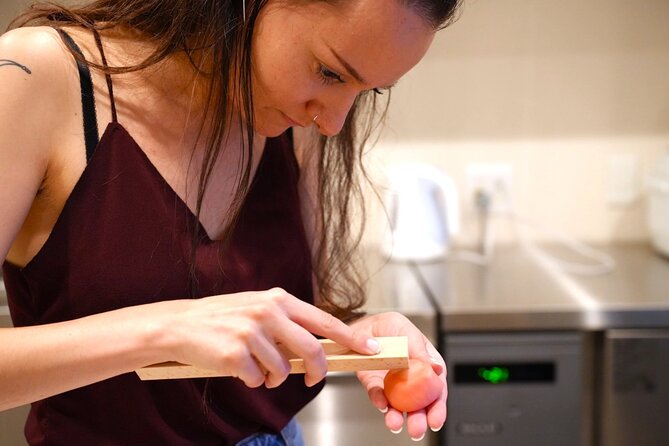
At $45.84 per person, this class is priced like a hands-on food experience where you are paying for instruction plus materials. The good part is that ingredients and tools are included, so you are not hit with add-ons for the basics.
You also get instructor guidance throughout, plus Japanese tea. Then you get to take your creations home, which means you get more than just a tasting moment. You are basically getting multiple finished sweets in addition to the learning time.
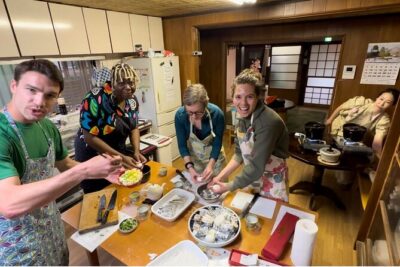
Group size helps the value too. The class has a maximum of 8 travelers, and that usually translates into more attention during shaping and filling. It also makes it feel less chaotic, which matters with sticky dough and bean paste.
Booking is typically done a few days ahead, on average about 5 days in advance. If your dates are tight, you will want to reserve earlier rather than waiting, since it is a smaller group.
Small-group reality check: what could slow you down
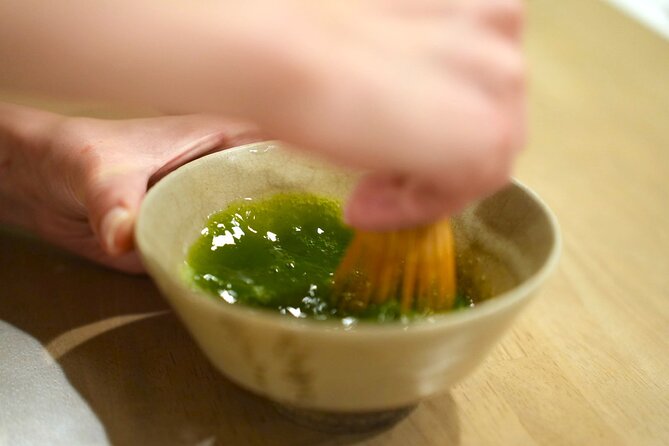
This is a “simple, hands-on” class, and that is a positive if you want something friendly and approachable. Still, it is not described as a fast-paced cookie factory. If you are expecting a quick demo and instant results, you might find you need to slow down and follow instructions.
Another practical point: transportation is not included. The meeting point is near public transportation, so it should be manageable, but you still have to handle the getting there part.
Finally, personal items or aprons are not included. The lesson itself does supply tools and ingredients, but you should come with the mindset that you may get a little messy, especially during mochi and filling work.
Who this Osaka wagashi workshop is best for
This class is a strong match for people who want a real cultural food activity, not just a tasting. You learn three distinct styles of wagashi, so you walk away with a broader sense of how different ingredients and shapes can change the whole experience.
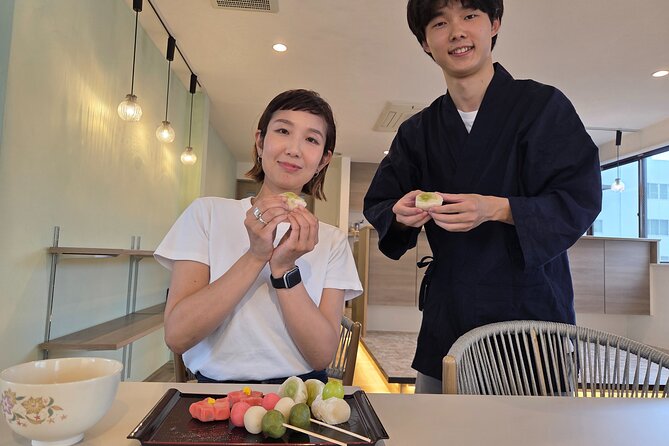
It is also a good choice if you are traveling with family. One review notes a parent and daughter had a nice time together, and the instructor was friendly and helpful. That kind of teaching approach matters because wagashi work rewards clear steps.
If you are visiting Osaka and want something you cannot do at home without equipment, this is a solid pick. It is hands on, guided, and the final product is something you can share later.
And if you are a tea fan, the included matcha or sencha adds a satisfying end. Even if you do not drink tea often, it gives you a reason to try it alongside sweets the way they are meant to be enjoyed.
Should you book this Japanese sweets making class in Osaka?
Book it if you want a guided, small-group wagashi workshop where you make multiple sweets, get tea, and take everything home. The structure is clear, the instructor support is part of the package, and you get three signature treats: Sanshoku Dango, Sakura Nerikiri, and Fruit Daifuku.
Skip it if you need transportation included or if you want a very hands-off experience with minimal food contact. Also consider your timing, because 2 hours 30 minutes means you will want a calm schedule before and after.
If you like learning by doing, and you enjoy sweets with careful shape and texture, this is the kind of class that turns into a memorable souvenir.
FAQ
What Japanese sweets will I make in this class?
You will make three kinds of Japanese sweets: Sanshoku Dango, Sakura Nerikiri, and Fruit Daifuku.
How long is the Japanese sweets making class in Osaka?
The class lasts about 2 hours 30 minutes.
How much does the class cost?
The price is $45.84 per person.
How many people are in the group?
This activity has a maximum of 8 travelers.
What is included in the price?
All ingredients and tools are included, along with Japanese tea and guidance from an experienced instructor. You also take home your handmade sweets.
Is Japanese tea included?
Yes. The class includes Japanese tea, either matcha or sencha.
Can I take the sweets home after class?
Yes. You can take home everything you make.
Do I need to bring an apron or personal items?
Aprons or personal items are not included, so you may want to bring what you prefer for comfort and cleanliness.
Where does the class meet, and where does it end?
The meeting point is Matcha Experience Osaka, 3-chōme-35-5 Tarumichō, Suita, Osaka 564-0062, Japan. The activity ends back at the meeting point.
What is the cancellation policy?
You can cancel for free up to 24 hours in advance for a full refund. If you cancel less than 24 hours before the start time, the amount paid is not refunded.
Just added around Osaka



Dessert Tours, compared.
Matcha Making Class in Osaka with Authentic Japanese Sweets Set
Read our review →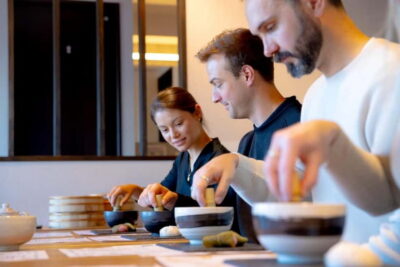
Japanese Traditional Sweets Making and Tea Ceremony
Read our review →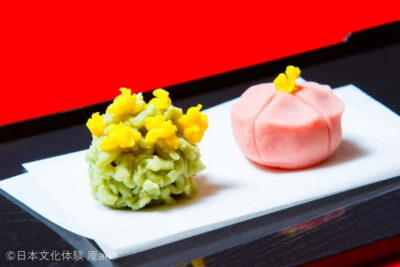

Craft Sushi and Matcha Ice Cream in Central Osaka (3-Course Meal)
Read our review →This tour also fits