
Reviewed · RAMEN MAKING CLASSES
Make Ramen and Gyoza with Homemade Secret Recipe
Ramen gets personal in Osaka. In a small studio near Matsuyamachi Station, chef Shohei helps you run a noodle-making machine and choose your ramen soup base. You leave with a meal you made with your own hands, plus recipes you can use at home.
This class does require planning around your time and your diet. If you have allergies or vegetarian needs, you need to flag them at booking so the team can adjust the gyoza and meal.
In This Review
- Key highlights to know before you go
- Osaka Ramen and Gyoza in a Small Studio Near Matsuyamachi Station
- Your Broth Choice Sets the Tone: Soy Sauce, Miso, or Salt
- Making Ramen Noodles: Machine-Guided, Still Very Hands-On
- Gyoza Lesson: Bean Paste Filling and Pan-Frying Skills
- Rice Plus Ramen, The Half-Ramen Style You Can Replicate
- Photos, Recipes, and Take-Home Souvenirs That Make the Class Stick
- Price and Value: What $84.70 Buys You for 2.5 Hours
- What the Timeline Feels Like, From Walking In to Eating Out
- Dietary Needs: How to Handle Allergies and Vegetarian Requests
- Who This Class Is Best For (and Who Should Skip It)
- Practical Tips That Help You Get the Most Out of It
- Should You Book This Ramen and Gyoza Cooking Class?
- FAQ
- Where is the meeting point for the ramen and gyoza class?
- How long does the experience last?
- What do you cook during the class?
- Can I choose the ramen soup base?
- Do they teach you how to make gyoza?
- Is the class small?
- What is included in the price?
- What is not included?
- What should I do if I have allergies or vegetarian requirements?
- If I need to cancel, is it refundable?
Key highlights to know before you go
- A short walk from Matsuyamachi Station to a studio setup designed for hands-on cooking
- Custom broth choices: soy sauce, miso, or salt, so your ramen starts the way you want
- Noodles made with a machine under chef guidance, not guesswork
- Gyoza from filling to pan-frying, with clear instruction and plenty of time to learn
- Eat what you cook, take photos, then leave with recipes and souvenirs (plus cooking chopsticks)
Osaka Ramen and Gyoza in a Small Studio Near Matsuyamachi Station
Osaka is famous for ramen, so it feels right to learn it where people actually shop, snack, and keep moving. This experience starts at Matsuyamachi Station and the meeting point is walkable, about a 5-minute walk away from where the studio activity happens.
Part of the fun is that you do not just meet in a random kitchen. The setup is designed for a group cooking format, and they guide you from the station to the space. You also get the kind of stroll that helps you get your bearings quickly, including time on a nearby old-fashioned shopping street.
The group size stays small, with a maximum of 15. That matters because it keeps the experience more hands-on and easier to ask questions. If you like food learning where you can actually talk to the chef, this size fits.
Build a bowl from the broth up
- Osaka: Five Must-See Highlights Walking Tour & Ramen Lunch★ 4.7 · 411 reviews
- Osaka: Ramen and Gyoza Cooking Class in Dotonbori★ 5.0 · 378 reviews
- Ramen and Gyoza Cooking Class in Osaka★ 5.0 · 202 reviews
- Walking Tour of Osaka’s 5 Must-See Sights, with Ramen for Lunch★ 5.0 · 158 reviews
- Cooking Ramen&Gyoza/KatsuCurry/Bento/Okonomiyaki+Store Tour@Osaka★ 5.0 · 138 reviews
Your Broth Choice Sets the Tone: Soy Sauce, Miso, or Salt
One of the best parts is that your ramen does not start as a single preset bowl. Early on, you pick your soup base from soy sauce, miso, or salt. That choice changes the whole direction of the meal, from how you think about balance to what you taste later.
This also makes the class feel personal. Even if two people cook on the same schedule, the ramen can come out meaningfully different because your base guides the flavor from the start.
If you are the type who usually orders by taste, not just by what is trendy, you will like this. You are basically deciding your ramen style before you ever taste it.
Making Ramen Noodles: Machine-Guided, Still Very Hands-On
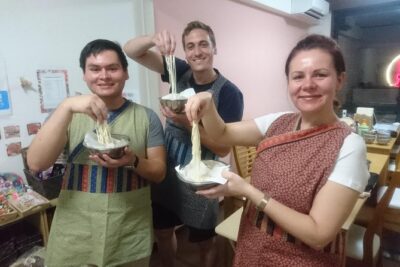
You will make noodles using a noodle-making machine, and they guide you through it. This is not about being a pasta expert or forcing you to do every step alone. Instead, you get the mechanical part handled with direction, so you understand the process without the stress.
Why I think this part is valuable: ramen noodles are where your effort turns into texture you can actually feel. Even small changes in how dough is handled show up when you cook and eat.
You will also be taught how the ramen soup is built in the workflow. You are not just assembling a meal at the end. You are learning the order of operations, how the noodle step connects to the broth step, and what to watch for as you go.
Gyoza Lesson: Bean Paste Filling and Pan-Frying Skills
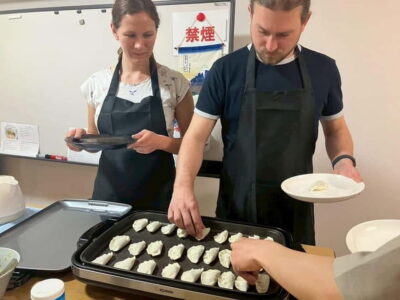
Then you switch gears from ramen noodles to gyoza, the Japanese dumpling that somehow fits into both home cooking and casual meals. The course guides you through the process, including preparing the filling and then pan-frying.
You will work through the workflow from filling prep to cooking. And because gyoza is pan-fried, you get a more practical skill than recipes that only involve boiling. Pan-frying also makes the lesson feel real and rewarding. You can see progress as the dumplings cook.
This part is also where the chef teaching shines. In the reviews, chef Shohei comes up repeatedly as a kind guide, and his assistant Marie is mentioned as supportive. That combination matters, because you get instruction plus a friendly second pair of hands when you need clarification.
One extra bonus: they can adapt for dietary needs if you request it at booking. In one review, the team made vegetarian gyoza for a guest. That is exactly what you want from a cooking class that claims hands-on authenticity, not a one-size-fits-all approach.
Rice Plus Ramen, The Half-Ramen Style You Can Replicate
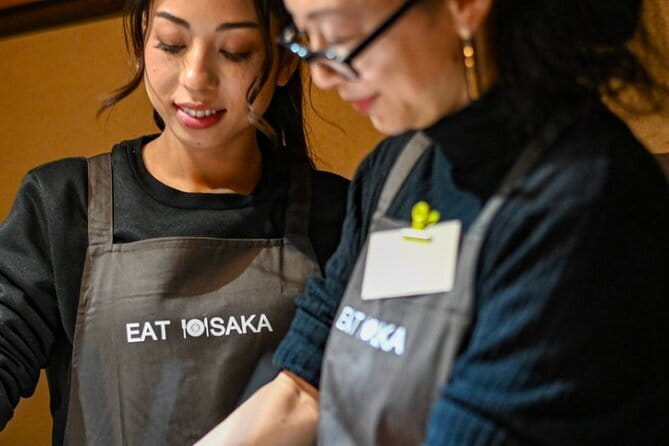
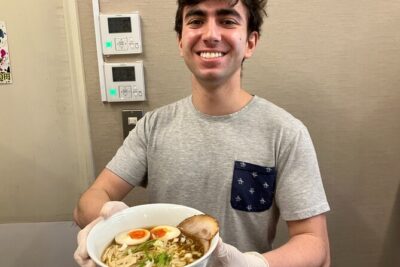
You will prepare rice as part of your final meal. The class format includes making your own “half-rice ramen with gyoza,” which is a fun concept if you like comfort food that is both filling and flexible.
It also makes the tasting phase feel like you are eating a complete setup, not just sampling components. You get ramen, you get gyoza, and you get rice in a combined style that is easy to recreate later if you want a home version.
After cooking, you taste what you made and you get time for photos. That sounds simple, but in practice it turns the class into a full experience. You are not rushed out right after you finish. You get to enjoy your work.
Not ready to leave Osaka yet? A few more ways to fill the day.
- Osaka Go Karting Tour with Funny Costume
★ 5.0 · 2,658 reviews - Osaka Castle: Museum and Tower Entry Ticket
★ 4.5 · 2,380 reviews - Osaka: Shinsekai Food Tour with 13-15 Dishes at 5 Eateries
★ 4.8 · 2,204 reviews
Photos, Recipes, and Take-Home Souvenirs That Make the Class Stick

The food is the headline, but the take-home items are what keep the lesson from fading after your plane lands.
At the end, you receive the recipes you learned during the course. You also get souvenirs based on the recipes. And there is a specific take-home gift included: cooking chopsticks.
I like this approach because it turns your class into something you can use. You are not just eating a nice meal and calling it done. You can use the recipe format at home, and the chopsticks make it feel like a real kitchen souvenir, not just a collectible.
They also build in photo time. For many people, this helps you document what you made, which then makes it more likely you will actually cook it again later.
Price and Value: What $84.70 Buys You for 2.5 Hours
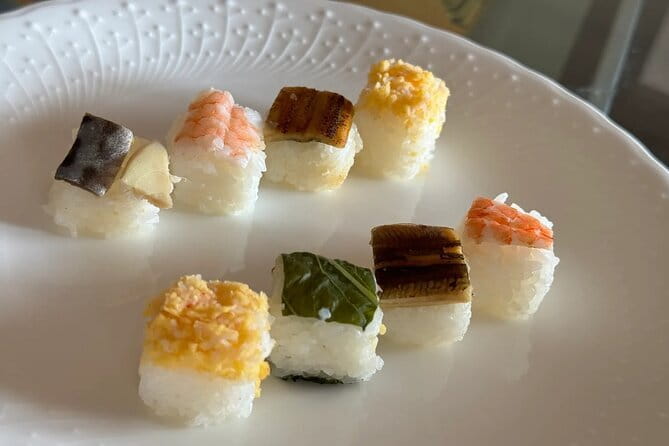
The price is $84.70 per person, and the duration is about 2 hours 30 minutes. That is not cheap compared to buying ingredients at a supermarket, but it is not trying to compete with that.
You are paying for:
- Instruction from an experienced chef
- Ingredient and material costs
- Venue fees, tableware, and cooking equipment rental
- Souvenir fees, plus the recipe pack and chopsticks
The lesson also includes what you cook and eat. You are not paying for a talk, you are paying for the guided process plus a full meal experience.
What is not included is important for value math. Drinks and alcohol are not included, and transportation to the meeting point is not included. If you are building your day around this class, budget for a water or soft drink nearby on your own.
Also note the class runs in set time windows, such as 7:30 to 10:00, 11:00 to 13:30, 14:30 to 17:00, and 18:00 to 20:30. Choosing the slot that fits your schedule matters, because it is better to do the class when you are not already exhausted from a packed itinerary.
What the Timeline Feels Like, From Walking In to Eating Out
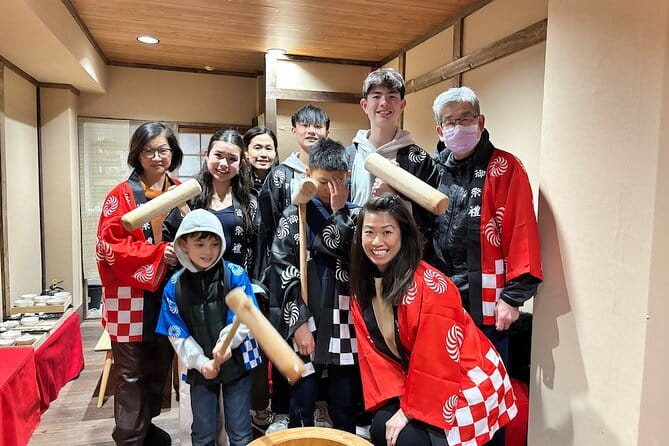
Even without a minute-by-minute schedule, you can picture the rhythm. You meet at the station, then head to the studio. After that, you start with the soup base selection.
Next comes noodle-making on the machine, followed by building ramen components. Then you switch to gyoza, moving through filling prep and pan-frying. Rice fits into the plan so your final meal becomes your own half-rice ramen with gyoza.
Finally, you eat what you cooked, take photos, and receive recipe materials plus souvenirs. The whole flow is designed so you learn by doing, not watching.
Because it is about 2.5 hours, it is a solid use of half a day. It is also a strong choice if the weather turns bad, since the cooking happens indoors.
Dietary Needs: How to Handle Allergies and Vegetarian Requests
This is a class that asks you to think ahead about food needs. The instructions say you should tell them about allergies or vegetarian requirements at the time of booking. That is not just polite wording. It is how the team can prepare the right ingredients and handle substitutions.
In a review, a vegetarian guest appreciated the fact that the chefs made vegetarian gyoza. That gives you confidence that they take dietary adjustments seriously when you communicate early.
My practical advice: when you book, list your needs clearly and include any allergy details you can. Do not wait until you arrive. You will get a better result when the menu plan is set.
Who This Class Is Best For (and Who Should Skip It)
This is a great fit if you want a genuine Japanese cooking experience, not just a meal. The hands-on format works well for couples, food lovers, and anyone who likes learning how dishes are built from the ground up.
It is also described as family-friendly in reviews. If you are traveling with kids and everyone is comfortable cooking in a guided environment, this can be a fun shared project.
It may not be ideal if you only want to eat and move on quickly. You do need to be present for the full 2 hours 30 minutes, and it is an active lesson with several cooking steps.
One more fit note: language support matters. Reviews say the instructor’s English was excellent in one case, which helps if you do not speak Japanese.
Practical Tips That Help You Get the Most Out of It
Here are the small planning moves that make a class like this smoother.
First, pick a time slot that matches your energy level. Morning can be great, but you want to avoid doing it when you are already running on empty.
Second, plan your day so you are not rushing afterward. You want time to enjoy your tasting and photos, and you will likely have food on your mind after you finish. If you want more food, keep it nearby so you do not feel distracted.
Third, remember what is included and what is not. Cooking lesson, materials, venue, tableware, equipment rental, and souvenirs are included. Drinks and alcohol are not. So have a plan for water.
Should You Book This Ramen and Gyoza Cooking Class?
Book it if you want the kind of Osaka experience that teaches real skills. Choosing your broth base, making noodles on a machine, and learning gyoza from filling to pan-frying is a full food education in one sitting. The class also pays attention to the details that keep it practical for home cooks, including recipes and take-home cooking chopsticks.
Skip it if your main goal is a quick sit-down meal. This is time spent learning, not just eating. Also, if you have complex allergies, book with extra care and communicate early so the team has time to prepare.
For most people who love Japanese comfort food and want more than a souvenir meal, this is a strong value pick. You get a guided, small-group experience near Matsuyamachi Station, you eat what you make, and you leave with a recipe path to repeat it back home.
FAQ
Where is the meeting point for the ramen and gyoza class?
You meet at Matsuyamachi Station (2 Chome-6 Andojimachi, Chuo Ward, Osaka, 542-0061, Japan). The activity ends back at the meeting point.
How long does the experience last?
It lasts about 2 hours 30 minutes.
What do you cook during the class?
You make your own ramen and gyoza. The format also includes preparing rice, with your meal described as half-rice ramen with gyoza.
Can I choose the ramen soup base?
Yes. You choose from soy sauce, miso, or salt.
Do they teach you how to make gyoza?
Yes. You are guided through the gyoza process, including preparing the filling and pan-frying.
Is the class small?
Yes. There is a maximum of 15 travelers.
What is included in the price?
Material costs, the cooking lesson fee, venue fee (cooking and drinking), souvenir fee, and tableware and cooking equipment rental are included.
What is not included?
Personal expenses are not included, including drinks and alcohol. Transportation expenses to the meeting point are also not included.
What should I do if I have allergies or vegetarian requirements?
Inform the operator at the time of booking about allergies or vegetarian needs so they can adjust the meal.
If I need to cancel, is it refundable?
No. The experience is non-refundable and cannot be changed for any reason.
Just added around Osaka


Ramen Making Classes, compared.

Five Must-See Highlights Walking Tour & Ramen Lunch
Read our review →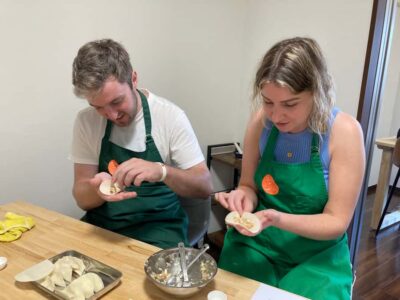

Walking Tour of Osaka’s 5 Must-See Sights, with Ramen for Lunch
Read our review →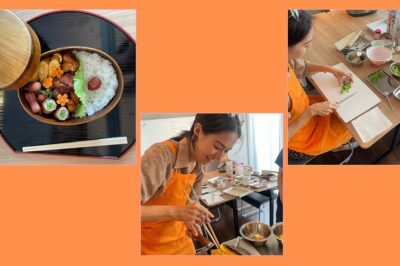
Cooking Ramen&Gyoza/KatsuCurry/Bento/Okonomiyaki+Store Tour@Osaka
Read our review →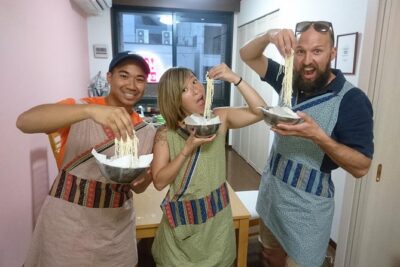
This tour also fits