
Reviewed · RAMEN MAKING CLASSES
Three Types of Ramen Cooking Class in Osaka
Handmade ramen beats takeout every time. In Osaka, this small-group class has you making handmade noodles and cooking three ramen styles in about 2.5 hours. It is hands-on, ingredient-provided, and end-to-end focused on learning the method, not just tasting the result.
What I like most is the full cycle of skills: you start from scratch with the noodles, then you build three different broths and toppings. I also love that the meal comes right after, with dessert and green tea, plus a printed recipe to take home. One consideration: there is no hotel pickup, so you will need to get yourself to the meeting point in Kitahorie.
In This Review
- Quick hits: what makes this ramen class worth your time
- Why this Osaka ramen class feels different than a food tour
- What you are really buying at this price
- The ramen lineup: salt, soy sauce, and miso made practical
- Why learning three broths helps you later
- Step-by-step: what the 2 hours 30 minutes actually feels like
- The noodle portion detail: 100g total
- Your meal includes ramen plus the stuff that makes a workshop feel complete
- Spiciness note to plan for
- Small-group size in Osaka: why it matters in a hands-on class
- Where to meet in Kitahorie and how to show up ready
- What to bring
- Vegetarians and dietary needs: how flexible is this?
- Price and value in plain numbers: is $79.28 reasonable?
- Who should book this ramen class?
- Practical tips to get the best results
- Treat it like a skill class, not a performance
- Ask about flavor balance early
- Be ready for the full meal
- Should you book this Osaka ramen class?
Quick hits: what makes this ramen class worth your time
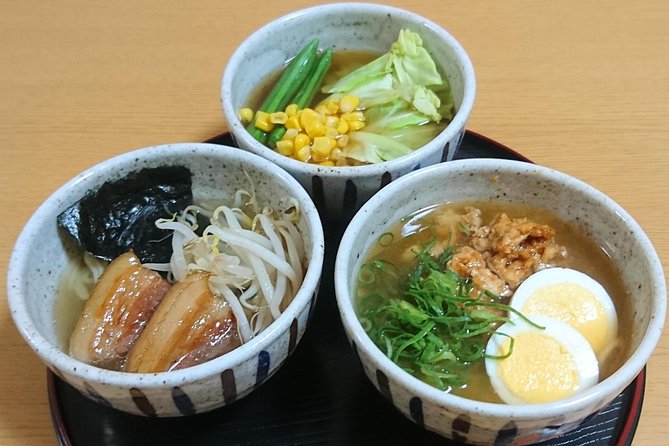
- Three ramen types in one session: salt, soy sauce, and miso, with different toppings for each bowl
- Noodles from scratch: you make the noodles by hand, then learn how to match them to each broth
- Small group feel: limited to eight people for a more personalized class, with a total cap of 12 travelers
- You eat what you make: lunch/dinner format with ramen, dessert, green tea, and seasonal fruits
- Take-home support: a printed recipe so you can repeat the results later
Why this Osaka ramen class feels different than a food tour
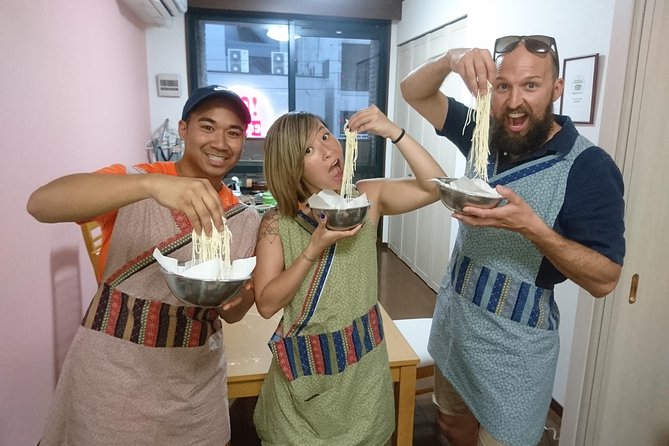
If you have ever watched someone make noodles and thought, That looks impossible, this class is a great antidote. You are not just standing around. You are rolling dough, shaping noodles, and then turning that work into three finished bowls with different flavor directions.
The value here is not only that ramen is delicious. It is that you learn the logic behind ramen. In Japan, ramen is a system: noodles, broth base, salt or soy or miso seasoning, then toppings that balance texture and taste. This class forces you to practice that system in one go, so you leave with a mental map, not a vague memory of good food.
Build a bowl from the broth up
- Osaka: Five Must-See Highlights Walking Tour & Ramen Lunch★ 4.7 · 411 reviews
- Osaka: Ramen and Gyoza Cooking Class in Dotonbori★ 5.0 · 378 reviews
- Ramen and Gyoza Cooking Class in Osaka★ 5.0 · 202 reviews
- Walking Tour of Osaka’s 5 Must-See Sights, with Ramen for Lunch★ 5.0 · 158 reviews
- Cooking Ramen&Gyoza/KatsuCurry/Bento/Okonomiyaki+Store Tour@Osaka★ 5.0 · 138 reviews
What you are really buying at this price
At $79.28 per person, you are paying for a lot more than ingredients. The class includes:
- all ingredients for your meal (lunch/dinner style)
- kitchen utensils and equipment
- a printed recipe to take home
- seasonal fruits
- ramen plus dessert and green tea
When you add up those pieces, it starts to feel less like a snack-and-story activity and more like a focused cooking workshop. Also, the total noodle amount is listed as 100g, which matters. You are not getting tiny bites you can barely taste. You are making something that is enough to learn with and still eat comfortably afterward.
The ramen lineup: salt, soy sauce, and miso made practical
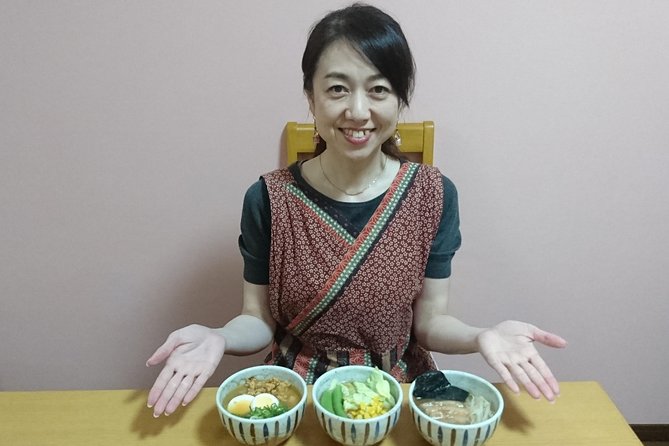
This class is built around three common ramen directions. You will make:
1) Salt ramen
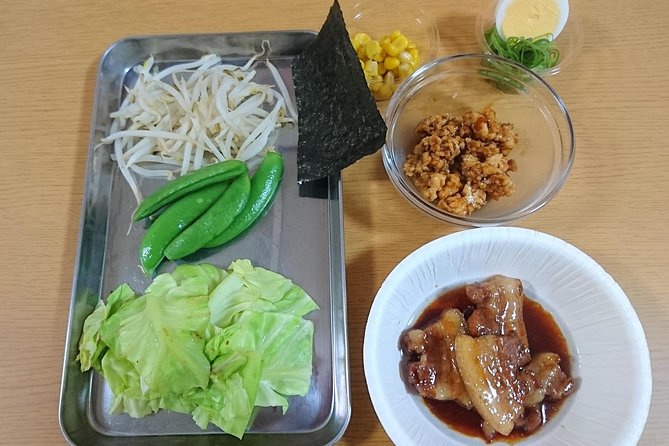
- Toppings: sweet pork, bean sprouts, seaweed
2) Soy sauce ramen
- Toppings: steamed cabbage, green vegetables, sweet corn
3) Miso ramen
- Toppings: spicy chicken, boiled eggs, green onion
The smartest part for you as a visitor is that these are distinct enough to feel different, but close enough that you can compare them. You will notice how changing the base changes the whole bowl, including how the toppings work. Sweet pork and sprouts feel lively and clean for salt. Cabbage and sweet corn help soy sauce ramen feel more rounded and easy to eat. Miso’s deeper, heavier profile gets a bold partner in spicy chicken and the comfort of boiled egg.
Why learning three broths helps you later
Most ramen classes teach one style well. This one teaches three in one kitchen session. That means you can go home and choose what to make depending on mood:
- Want something lighter and snappier? Salt ramen.
- Want savory, familiar comfort? Soy sauce ramen.
- Want deeper flavor and a more filling bowl? Miso ramen.
Even if you do not recreate the exact topping mix later, you will still understand what kind of taste each base is aiming for.
Step-by-step: what the 2 hours 30 minutes actually feels like
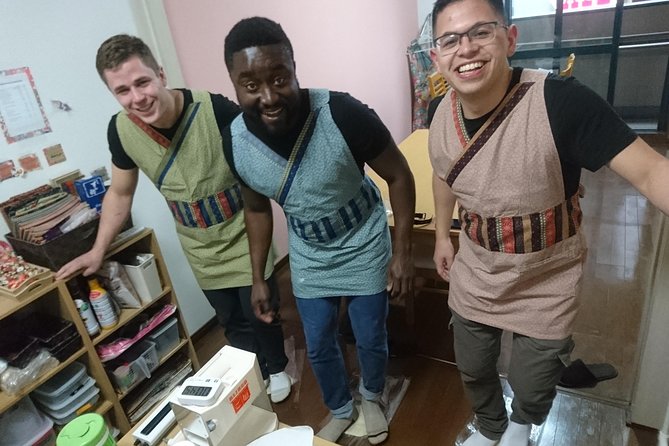
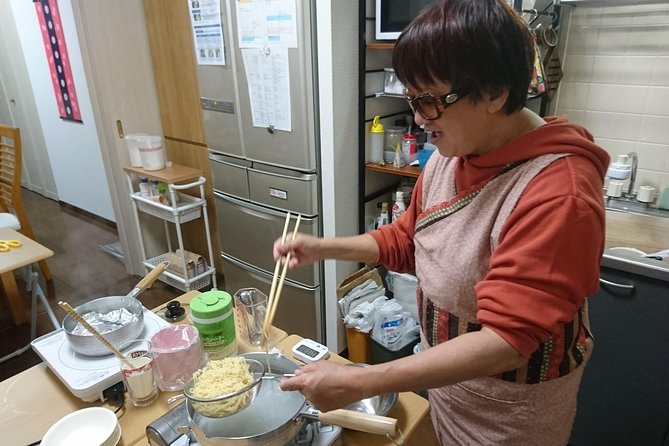
The pacing is built for real learning and a full meal at the end. You start by putting on an apron, then you move quickly into handmade noodle making. From there, you shift into preparing the noodles and building out the three ramen bowls, including soup and topping prep.
A practical way to think about the flow:
- You begin with the skill that makes ramen unique: the noodles.
- Then you apply that skill three times, matching each broth direction to its topping choices.
- Finally, you eat the results right there in the class setting.
At the end, the class does a nice cultural touch. You place the dishes out, grab chopsticks, and say “Itadakimasu,” then you enjoy the bowls you made.
Other ways to spend a day in Osaka
- Osaka Cooking Class: Okonomiyaki &Japanese cuisines experience
★ 5.0 · 261 reviews - Osaka Sake Tasting with Takoyaki Cooking
★ 5.0 · 156 reviews - Osaka Sake Tasting & Takoyaki Cooking Experience
★ 5.0 · 149 reviews
The noodle portion detail: 100g total
The class notes the total noodles are 100g. For you, that is useful information. It suggests you will not be leaving with a half-bowl taste and a sugar crash afterward. You should come away feeling satisfied, especially since the meal is paired with dessert and green tea, plus seasonal fruits.
Your meal includes ramen plus the stuff that makes a workshop feel complete
Ramen classes sometimes stop at the cooking. This one keeps going until you have a full break in the middle of the day, even if you booked it as an activity.
You will eat:
- the three ramen dishes you made
- dessert
- green tea
- seasonal fruits
That combination matters because it helps you separate the activity from the food. Cooking can make your brain tired. Dessert and green tea give you a reset, so you can actually enjoy the flavors you just worked for.
Spiciness note to plan for
One caution that comes up in past experiences: be careful with any chili oil added at the end. If you like spicy food, go ahead and adjust. If you are sensitive, start small, because it can linger.
Small-group size in Osaka: why it matters in a hands-on class
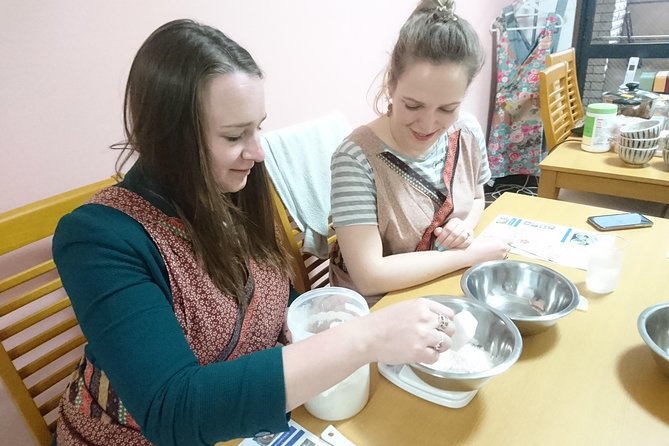
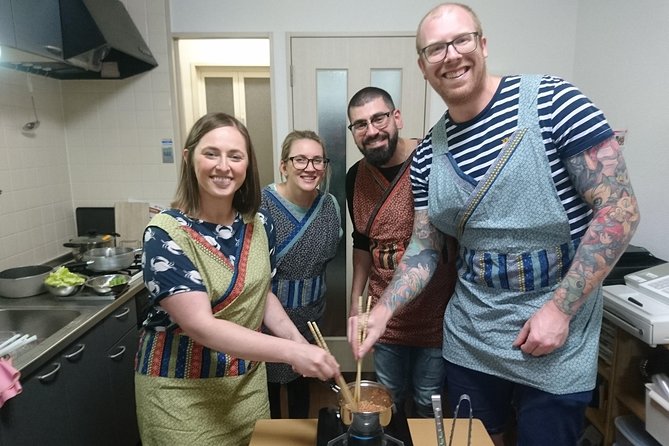
This class is designed for intimate attention. It is limited to eight people for a more personalized experience, and the maximum number of travelers is capped at 12. That is a real difference compared with the big kitchen-demo style workshops.
In practice, a smaller group helps you in three ways:
- You can see what your hands are doing, not just what the instructor is doing.
- You get quicker feedback when your dough or noodle handling is off.
- You can ask questions as you go instead of saving them for the end.
Language is another factor. Multiple past participants highlight English support from the instructors, so you should not feel lost while learning step-by-step techniques.
Where to meet in Kitahorie and how to show up ready
The meeting point is Banix北堀江 Japan, 550-0014 Osaka, Nishi Ward, Kitahorie, 3-chōme62 システマギャラリー. The activity ends back at the meeting point, so plan on returning there after class.
A few practical notes:
- It is near public transportation, so you can use train and walk as needed.
- There is no hotel pickup, so you should budget extra time to get there.
- You will receive a mobile ticket.
What to bring
You likely do not need to bring much. The class states that all utensils and ingredients are provided. Still, I recommend you bring:
- an empty stomach
- comfortable closed-toe shoes (you will be moving around a kitchen space)
- a small towel or napkins preference, in case you want something extra while handling dough
Vegetarians and dietary needs: how flexible is this?
If you avoid meat or animal products, this is worth asking about before you book. One participant highlighted a vegetarian ramen version where the instructor was mindful about ingredients and even adjusted the broth so it did not contain animal products.
That suggests the workshop can handle dietary requests thoughtfully. Because the class lists specific toppings like sweet pork and spicy chicken, you should contact the provider ahead of time and confirm what can be substituted and what stays the same.
Price and value in plain numbers: is $79.28 reasonable?
For Osaka, cooking classes can range a lot. This one is priced at $79.28 per person, and it earns that number by stacking benefits you normally pay for separately:
- you get guided instruction for the hardest part (noodle making)
- you get three ramen builds, not one
- you get lunch/dinner, not just tasting
- you get dessert, green tea, and seasonal fruits
- you get a printed recipe to take home
If you were to buy ingredients in Osaka, take a cooking demo class without a meal, or pay for a translator plus a guided market stop, the cost often adds up fast. Here, the class is self-contained: ingredients, tools, coaching, and a real meal are bundled together.
Also, the included printed recipe is a key value lever. It means you can turn the experience into a repeatable skill, instead of keeping it as a one-time memory.
Who should book this ramen class?
This is a strong match if you:
- love ramen and want to understand how flavors are built
- want hands-on cooking time, not just watching
- like learning a Japanese technique you can repeat at home
- travel with kids or family, since past experiences mention classes working well across ages
It may be less ideal if you:
- want a quiet, sit-down food tasting with minimal mess
- have a tight schedule and cannot travel to the Kitahorie meeting point on your own
- are very sensitive to spice and do not want any chili elements at all, since a chili oil note comes up
Practical tips to get the best results
Here are a few tips that will help you enjoy the class and leave with confidence, even if you are a first-time cook.
Treat it like a skill class, not a performance
You do not need to be a chef. You just need to follow cues closely. The class is step-driven, and the noodle making is the main confidence-builder.
Ask about flavor balance early
Since you are making three different bowls, you will naturally learn how each base behaves. When you have a chance, ask the instructor how salt, soy sauce, and miso are meant to taste in the final bowl. That is the part that helps you recreate later.
Be ready for the full meal
You are making, then eating. With dessert and green tea included, you might feel comfortably full by the time you finish. Go easy on heavy pre-class snacks so you can actually enjoy everything.
Should you book this Osaka ramen class?
I think you should book it if your goal is real ramen understanding, not just a fun meal in Osaka. The combination of handmade noodle making, three ramen styles in one session, and the fact that you eat the finished dishes right after makes it a high-value workshop.
Book it especially if you want a practical takeaway. The printed recipe plus the skill you practice in the kitchen gives you a shot at making ramen at home that tastes like ramen, not like noodles in broth.
If you are unsure, ask yourself one question: Do you want to learn how ramen is built, or do you mostly want to eat ramen? This class is for people in the first group.
More Workshops in Osaka
- Sushi Making Osaka Roll and Authentic Japanese Sushi Class★ 5.0 · 1,220 reviews
- Matcha Making Class in Osaka with Authentic Japanese Sweets Set★ 5.0 · 509 reviews
- Osaka: Roll and Authentic Sushi Making Class in Dotonbori★ 4.9 · 239 reviews
- Osaka: Sushi Class in Dotonbori★ 4.9 · 160 reviews
Just added around Osaka


Ramen Making Classes, compared.

Five Must-See Highlights Walking Tour & Ramen Lunch
Read our review →

Walking Tour of Osaka’s 5 Must-See Sights, with Ramen for Lunch
Read our review →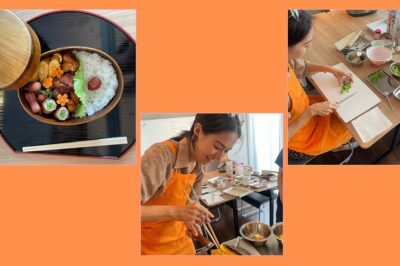
Cooking Ramen&Gyoza/KatsuCurry/Bento/Okonomiyaki+Store Tour@Osaka
Read our review →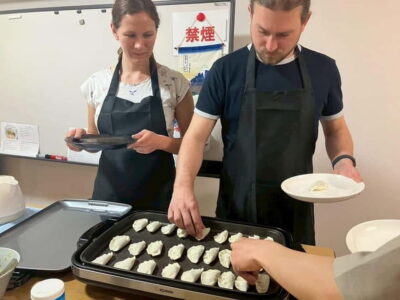
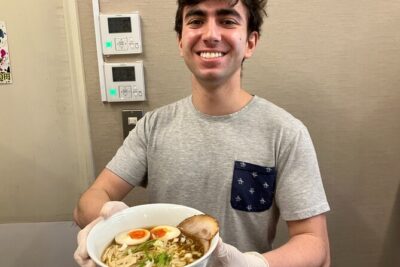
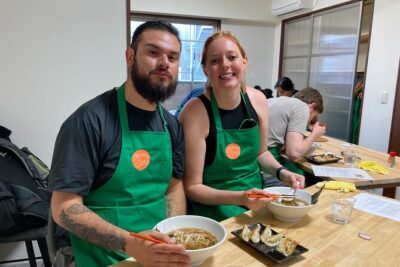
Ramen and Gyoza Cooking Class in Osaka Dotonbori
Read our review →This tour also fits