
Reviewed · DAY TRIPS TO NARA FROM OSAKA
Nara, Todaiji Temple & Kuroshio Market Day BUS Tour from Osaka
Three regions, one long coach day. You’ll connect Wakayama Castle, the Kuroshio Market tuna scene, and Nara’s Todai-ji area in a single 10-hour round-trip from Osaka. It’s a packed route, but the mix of castles, seafood theater, and famous temple scale makes it memorable.
I especially like the practical structure: a reserved coach with an English/Chinese speaking guide and clear stop times for Kuroshio Market and Todai-ji. I also like that the plan is designed for real moments, like the chance to meet the sika deer for selfies and feeding time.
One drawback to plan for: you’ll spend a big chunk of the day on the road, and the major sights (castle and key temple buildings) have separate admission fees.
In This Review
- Key highlights to know before you go
- Getting There From Osaka: The 8:30 Departure and 10-Hour Reality
- Wakayama Castle Stop: Old Power, Paid Entry, and Possible Closures
- Kuroshio Market Tuna Country: Seafood Browsing Plus a Filleting Show
- Todai-ji Temple and Nara Sika Deer: The Main Feels of the Day
- Guide Quality Can Swing: How to Get the Most From Commentary
- Price and Value: What You Pay For, What You Still Need to Budget
- Who This Coach Tour Suits Best, and Who Should Skip
- Should You Book This Osaka to Nara Day Trip?
- FAQ
- Where is the meeting point, and what time does the tour start?
- How long is the tour?
- How much does the tour cost, and do I get a mobile ticket?
- What is included in the tour price?
- What admissions are not included, and what are the prices for them?
- Do I need to pay to enter Kuroshio Market?
- How large can the group be, and how many people are needed for the tour to run?
- What languages does the guide speak?
- What happens if the weather is poor or you want to cancel?
Key highlights to know before you go
- Early start, long travel day: You leave at 8:30 am and expect substantial coach time.
- Tuna Country at Kuroshio Market: Seafood stalls plus a tuna dismantling or filleting show.
- Nara’s sika deer time: Built in for interaction, selfies, and feeding.
- Todai-ji scale needs time: The main complex costs extra in several buildings and halls.
- Guide quality can swing: Some days feel explained and fun, other days feel more like directions.
Getting There From Osaka: The 8:30 Departure and 10-Hour Reality
This is a straight coach day from Osaka. You meet at 2 Chome-2 Umeda, Kita Ward, Osaka (530-0001) at 8:30 am, and the tour ends back at the same meeting point. The total duration is listed as about 10 hours, so even before you hit temples or markets, you should brace for a long, scheduled day.
The upside of the format is obvious. You get air-conditioned transport and a professional English/Chinese speaking guide handling the routing and timing. That matters on a day trip like this, where you’d otherwise piece together multiple trains and buses while also managing transfers and waiting time.
The downside is just as real. With three major stops across different cities, you’re not walking off stress. Plan around the idea that the clock will be doing a lot of work for you, and your personal pacing options are limited. A few people found the coach hours heavy, so if you hate long rides, factor that in early.
Group size is capped at 45 travelers, and the tour needs at least 8 people to run. That means you’ll likely be in a mid-sized group where everyone gets moved along together. If you want quieter museum time or lots of wandering without constraints, this style may feel too tight.
Deer that bow back, minutes from Osaka
- Ancient Capital Tour: Kyoto and Nara Highlights from Kyoto/Osaka★ 4.5 · 332 reviews
- Kyoto and Nara Day Trip from Osaka★ 4.0 · 175 reviews
- Discover Himeji, Kobe and Nara from Osaka★ 5.0 · 101 reviews
- Kyoto & Nara Private customized tour with English speaking Guide★ 4.5 · 99 reviews
- Kyoto and Nara UNESCO Highlights Full-day Tour From Osaka★ 4.5 · 50 reviews
Wakayama Castle Stop: Old Power, Paid Entry, and Possible Closures
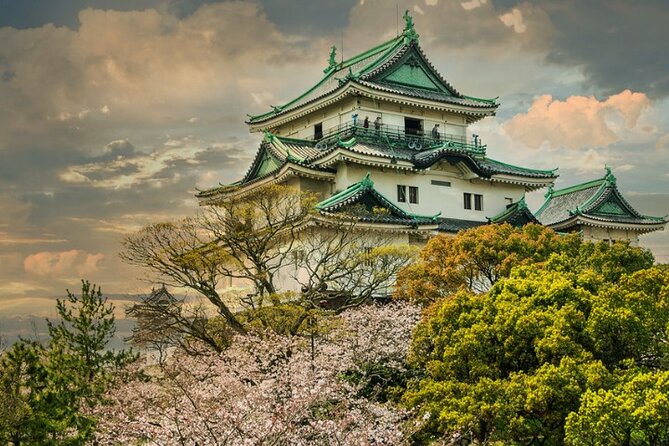
Wakayama Castle is the first major stop, with about 1 hour 20 minutes on the ground. The castle traces back to Toyotomi Hideyoshi, with construction in 1585, and later expansions and fortifications under Tokugawa Hidetada. Even if you only catch a slice of what’s there, the timeline matters because you’re looking at a place shaped by the big power shifts of the late 1500s into the Tokugawa era.
A key point for budgeting: Wakayama Castle admission is not included. Adults pay JPY 410 and children JPY 200. That’s not a huge cost, but it is an extra you’ll want to have ready.
Also, be aware that castle openings can affect your day. One common frustration on fixed itineraries is arriving to find a site closed, and then losing time with no easy workaround. Since the tour is built around this stop first, check local opening information for your travel date when you can, and keep your expectations realistic about what you can access in a single visit window.
When the stop works, this is a nice palate cleanser after Osaka city life. You get a classic Japanese landmark with a built-in story you can read quickly before you move on. Just know you won’t get a slow, deep visit here. You’ll be there to see the highlights and keep the day moving.
Kuroshio Market Tuna Country: Seafood Browsing Plus a Filleting Show
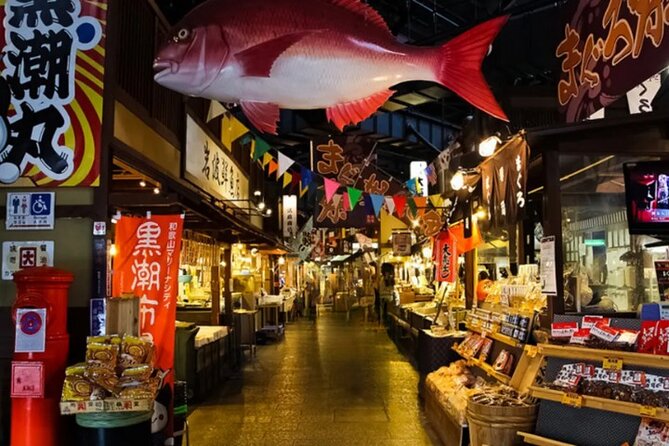
Next up is Kuroshio Market, a seafood market in Wakayama City near the Wakayama Marina City area. You’re allocated about 2 hours, and admission is free. This part of the day is where the tour shifts from “landmark sightseeing” into “food energy,” with vendors, smells, and the kind of practical sightseeing that’s best enjoyed by doing.
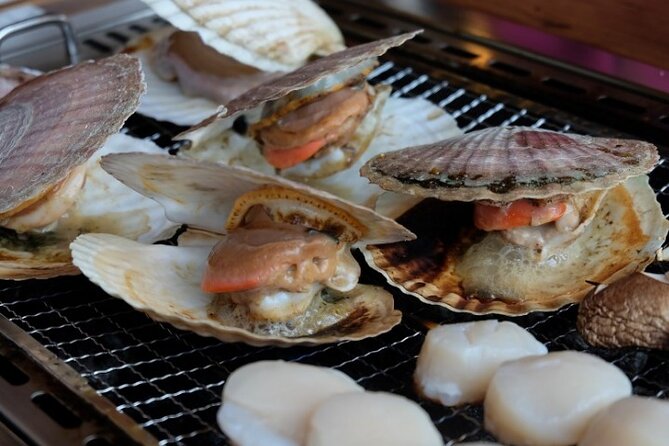
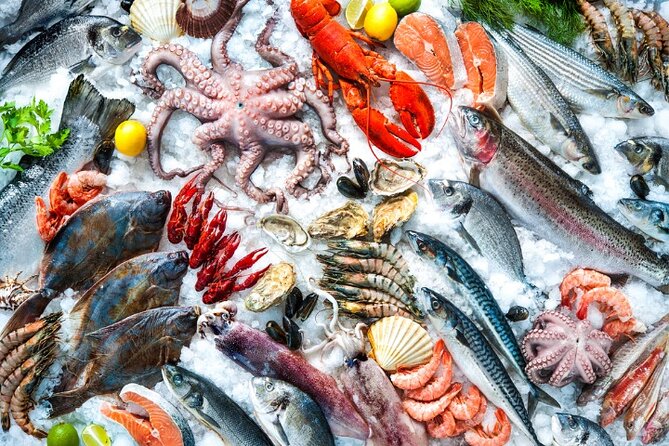
The headline is the tuna show. The experience description calls it a tuna dismantling show and a filleting demonstration, and that theatrical element is a big part of why this stop works for many people. Even if you’re not a tuna superfan, a live cut-and-display format helps you connect the seafood to how it gets transformed.
For purchases and tips: bring cash. Several parts of the day can involve cash payments, and market vendors and on-site fees often aren’t fully card-friendly. If you want to buy snacks, try small tastings, or grab something to take home, having yen ready saves time and stress.
Two hours is enough to do the essentials. You can walk, watch the show, and still have time to browse. But if you’re the type who wants to sample everything or linger over seafood displays, this window may feel short. The best approach is to pick your goals fast, so you don’t lose your best moments to indecision.
Todai-ji Temple and Nara Sika Deer: The Main Feels of the Day
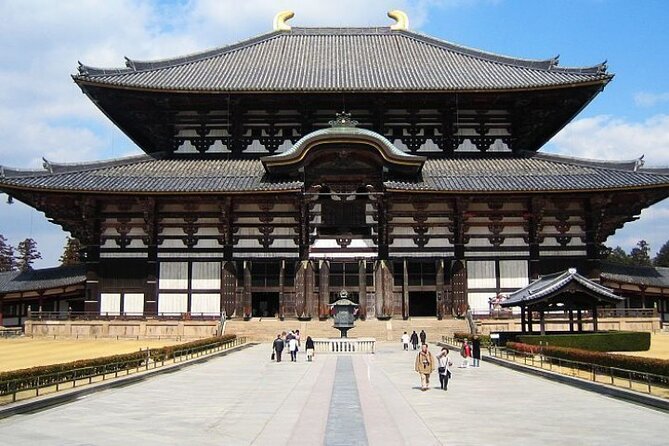
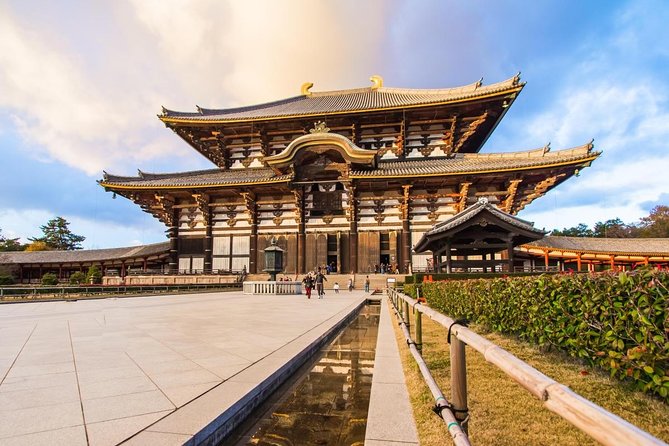
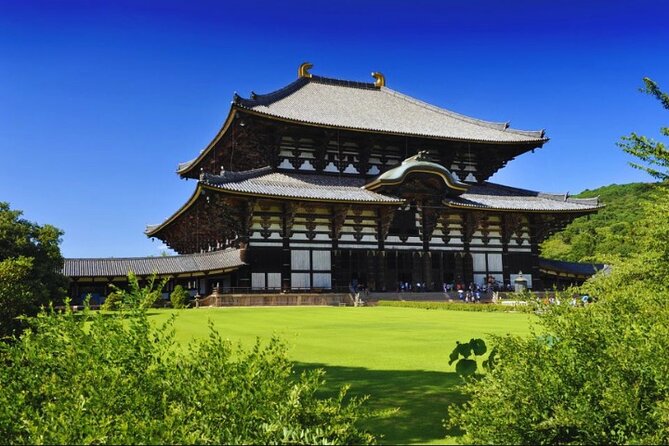
The Nara portion centers on Todai-ji Temple, one of Japan’s most important Buddhist sites. It was founded in the early 8th century during the Nara period, and it’s famous for the scale of its buildings, including the Great Buddha Hall area. This is also tied to its UNESCO World Cultural Heritage status, which gives the day a “big deal” feeling even if you’re not chasing plaques.
You’re given about 2 hours at Todai-ji. The major catch is that several of the key buildings and the museum do have separate admissions:
- Great Buddha Hall, Hokke-do, Kaidan-do, Senju-do, and the Todai-ji Museum: JPY 600 per person (and JPY 300 for the reduced price)
That means your free-time planning needs a little math. If you want to see the highlights beyond just walking the outer areas, budget for these fees and aim to use your time efficiently once you enter.
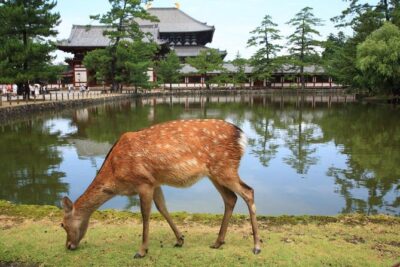
Now add the sika deer component, which the experience description specifically includes: time to interact, take selfies, and feed them. This is the emotional payoff for a lot of people because it’s quick, goofy, and totally different from the formal temple energy. You go from the grandeur of ancient architecture to a very Japanese street-level moment of deer encounters.
The risk is the usual one with fixed-route groups: if the timing feels rushed, you’ll have less buffer for both the temple complex and the deer area. So build in patience. Todai-ji takes attention, and deer encounters take coordination and quick photo moments. With limited hours, your best tool is choosing what you care about most ahead of time.
Guide Quality Can Swing: How to Get the Most From Commentary
This tour lives or dies with the guide. The good news is that the tour provides a professional English/Chinese speaking guide, and when the guide is engaging, you get the kind of context that makes signs and architecture mean something. Names you might hear include Chan and Poey, and there are also references to guides like Alan doing an informative, friendly job.
When the guide is strong, you get more than directions. You get history explained in plain language, small routing tips, and a smoother experience through crowded areas. You also get help syncing the group pace with what’s realistic inside each stop.
When the guide is lighter on explanation, the day can feel more like a delivery service: you arrive, you follow a path, you watch the show, and you handle the rest. You can avoid some of that by going in prepared. If you arrive with 2 or 3 questions you care about, like what Todai-ji is known for or why sika deer are a thing in Nara, you’ll be able to pull meaning out of the visit even if the spoken commentary is minimal.
There’s also a small logistics note about vehicles. One report described a van in poor condition, which matters because a shaky ride is still a ride for a full day. If seat comfort is important to you, try to choose a spot that feels stable once you’re onboard, since you’ll be sitting for long stretches.
Quiet spaces between the neon
- Osaka: Minoh, Katsuoji Temple, & Minoh Falls Full-day Tour
★ 4.9 · 172 reviews - Sagano Romantic Train & Arashiyama, Kiyomizudera, Fushimi Inari Taisha Day Tour
★ 4.5 · 171 reviews - Full Day Kyoto Tour : Bamboo Forest, Golden Temple, Fushimi Inari
★ 5.0 · 84 reviews
Price and Value: What You Pay For, What You Still Need to Budget
At $99.04 per person, this isn’t a bargain, but it can be good value depending on what you need from the day. What you pay for directly is the big-ticket convenience: transport from Osaka, a guide who can manage the stops, and the structure that keeps you from spending your day on transfers.
What’s not covered is also clear. You’ll add:
- Wakayama Castle admission: JPY 410 adults, JPY 200 children
- Todai-ji internal fees for major buildings and museum: JPY 600 per person (and JPY 300 reduced)
And the day does not include obvious extras like lunch or paid activities beyond admissions mentioned. Some people felt the tour price included too little, especially if you want a meal included or you end up paying for multiple entrances. That’s a fair way to evaluate it.
Here’s how I’d calculate value for you:
- If you would struggle with public transport timing or you want an easy day without planning, the coach + guide can justify the price quickly.
- If you’re comfortable navigating trains and want freedom to linger, the added admission costs plus the rigid schedule might feel like a trade you dislike.
Also remember the schedule factor. If you end up feeling like most of your time is on the bus, then your value equation tilts. The best way to protect yourself is to decide in advance what you want most: the tuna show, the deer interaction, or the Todai-ji interior experience. Then you’ll judge the day by those priorities, not by the total time spent moving.
Who This Coach Tour Suits Best, and Who Should Skip
This tour fits best if you check a few boxes. You’ll likely enjoy it if:
- You want a single-day way to see Osaka area landmarks plus Nara without arranging transport yourself
- You like guided routing and don’t want to stress over train transfers
- You’re curious about seafood culture in Wakayama, including the tuna filleting demonstration
- You want a moment that’s fun and memorable, like feeding and photographing sika deer
It’s less ideal if you:
- Hate long coach rides and want a slower, more flexible day in one place
- Plan to spend a lot of time inside every Todai-ji building, because your time at the complex is limited
- Expect the guide to do constant, detailed explanations the entire time. Support can vary, so come with curiosity and a simple plan for what you want to see.
If you’re traveling with older kids or family members, the deer moment plus the open-air market energy can be a nice payoff. If you’re traveling solo or as a couple and you prefer independence, you may still want to consider building your own route so you can control pacing.
Should You Book This Osaka to Nara Day Trip?
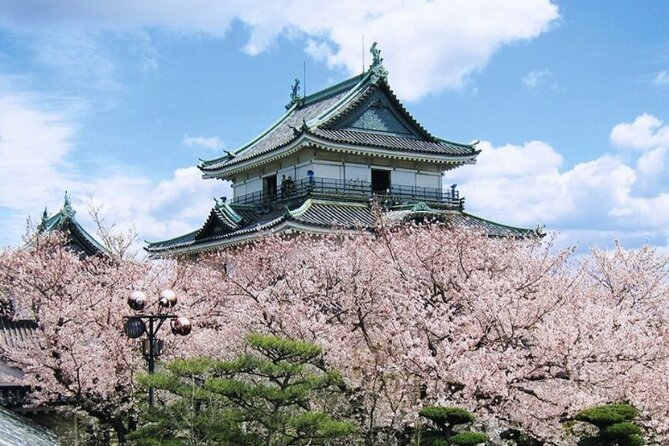
Book this tour if your priority is convenience and you’re excited by three “anchors”: Wakayama Castle, the Kuroshio Market tuna show, and the Nara Todai-ji area with sika deer interaction. The coach structure and bilingual guide support are the main reasons to choose it, especially for a first-time Osaka visitor.
Skip it, or at least rethink it, if you’re very sensitive to travel time or you want long, quiet time inside one site. This is a high-schedule day where the road takes its share. Also, treat admissions as a real budget item, not an afterthought, because several key parts of Todai-ji are paid.
If you do book, I’d suggest three practical moves. Pack comfortable shoes for temples and crowds. Bring yen in cash for market shopping and temple fees. And decide your top priority before you go, so a tight timeline doesn’t steal the best moments from you.
FAQ
Where is the meeting point, and what time does the tour start?
The meeting point is 2 Chome-2 Umeda, Kita Ward, Osaka, 530-0001, Japan, and the tour starts at 8:30 am.
How long is the tour?
The tour duration is listed as approximately 10 hours.
How much does the tour cost, and do I get a mobile ticket?
The price is $99.04 per person, and the tour includes a mobile ticket.
What is included in the tour price?
The tour includes an air-conditioned vehicle and a professional English/Chinese-speaking guide.
What admissions are not included, and what are the prices for them?
Wakayama Castle admission is not included (JPY 410 for adults, JPY 200 for children). Todai-ji admissions are also not included: the Great Buddha Hall, Hokke-do, Kaidan-do, Senju-do, and the Todai-ji Museum cost JPY 600 per person (JPY 300 reduced).
Do I need to pay to enter Kuroshio Market?
No. Kuroshio Market admission is listed as free.
How large can the group be, and how many people are needed for the tour to run?
The tour has a maximum of 45 travelers. A minimum of 8 travelers is required for the tour to depart.
What languages does the guide speak?
The guide speaks English and Chinese.
What happens if the weather is poor or you want to cancel?
The experience requires good weather, and if it is canceled due to poor weather, you will be offered a different date or a full refund. You can cancel for free up to 24 hours in advance of the experience start time for a full refund.
More Shops, Less Planning
- Kuromon Market Food Walking Tour in Osaka (6 stops, 6 tastes)★ 5.0 · 550 reviews
- Osaka: Kuromon Market Food Walking Tour (6 stops, 6 tastes)★ 4.6 · 272 reviews
- Cooking Ramen&Gyoza/KatsuCurry/Bento/Okonomiyaki+Store Tour@Osaka★ 5.0 · 138 reviews
- Kuromon Market Tour: All inclusive 6~8 Dishes & 3~4 samplings★ 5.0 · 103 reviews
Just added around Osaka

Day Trips to Nara from Osaka, compared.
Ancient Capital Tour: Kyoto and Nara Highlights from Kyoto/Osaka
Read our review →
Kyoto & Nara Private customized tour with English speaking Guide
Read our review →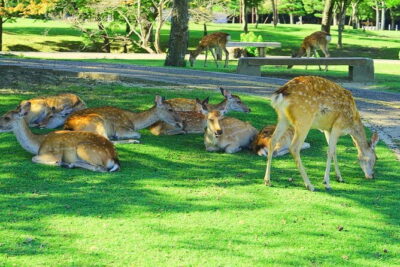
Kyoto and Nara UNESCO Highlights Full-day Tour From Osaka
Read our review →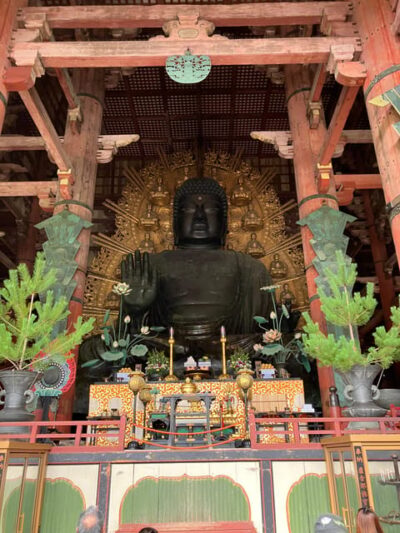
Kyoto & Nara & Uji: Full Day Sightseeing Tour from Osaka or Kyoto
Read our review →This tour also fits