
Reviewed · DOTONBORI EXPERIENCES
Osaka: Sushi Class in Dotonbori
Making sushi in Osaka is a real skill shortcut. This class focuses on three styles you can actually repeat at home, from nigiri to Osaka’s oshizushi. You also get a hands-on salad roll that mixes classic ingredients in a more casual, approachable way.
What I really like is the step-by-step pace. The English instruction is clear, and the small group format keeps you from getting lost when your fingers start doing their own thing. Another big win is that you don’t leave with a tiny plate, you finish with plenty of sushi you made yourself, with instructors such as Yoshi, Yoko, Ami, Eriko, and Naomi mentioned for patient guidance and friendly talk.
One thing to consider: the meeting spot can be tricky to locate the first time. You’ll go to Cooking Sun Osaka, room 202, and you need to press 202 and the 呼出 (call) button at the entrance.
In This Review
- Key Things You’ll Love (Before You Even Take Your First Bite)
- Where You Go in Osaka: Cooking Sun, Room 202, and the Call Button
- Your Sushi Line-Up: Salad Roll, Nigiri, and Osaka Oshizushi
- Salad Roll: A Friendly Roll With Nori and a Tamagoyaki Core
- Nigiri: Vinegared Rice and the Art of Topping Placement
- Oshizushi: Osaka Box Sushi, Pressed in a Square Frame
- What the Class Feels Like: Small Group Teaching, Hands-On Pace
- Salad Roll Step-By-Step: Layers, Nori, and the Egg Core
- Nigiri Practice: Vinegared Rice as the Foundation
- Osaka Oshizushi, Pressed Box Sushi: A Local Technique Worth Doing
- Price and Value: $67 for Technique Plus a Real Meal
- Who Should Book This Sushi Class in Osaka
- Dietary Notes: Vegetarian and Gluten-Free Requests
- Little Practical Tips That Make Class Day Easier
- Should You Book This Osaka Sushi Class?
- FAQ
- How long is the Osaka sushi class?
- How much does the class cost?
- How many people are in the group?
- What types of sushi will I make?
- Is the instructor available in English?
- Where is the meeting point?
- Can I request a vegetarian or gluten-free option?
- Is the class wheelchair accessible?
- What is the cancellation policy and is pay later available?
Key Things You’ll Love (Before You Even Take Your First Bite)
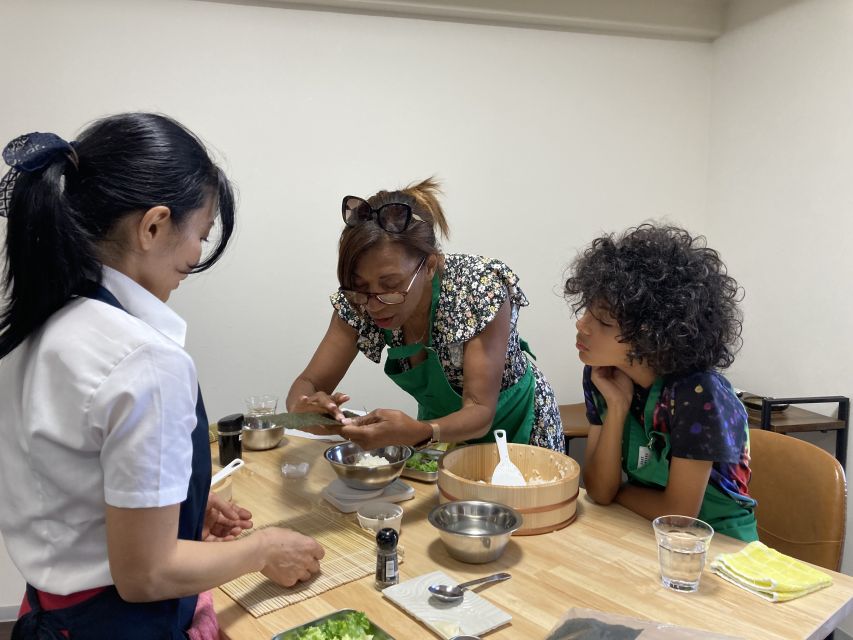
- Three sushi techniques, one class: salad roll, nigiri, and Osaka’s pressed oshizushi
- Small-group teaching (up to 8): easier questions, more hands-on time
- You eat what you make: the class ends as a meal, not a tasting sample
- English instruction with practical tips: clear guidance that helps novices succeed
- Osaka-specific touch: learn box sushi, still popular in Kansai
Where You Go in Osaka: Cooking Sun, Room 202, and the Call Button
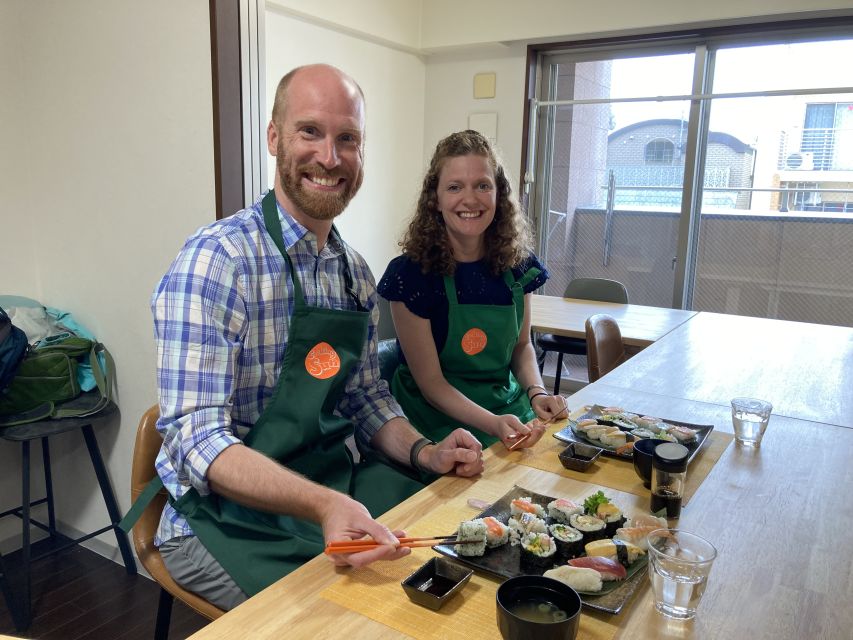
This class happens at Cooking Sun Osaka, room 202. When you arrive, press 202 and the 呼出 (call) button at the entrance. It’s simple once you know the trick, but it can slow you down if you’re arriving on foot and your first guess is a nearby doorway.
The upside is that you’re not dealing with a big warehouse studio or a crowded restaurant. A room number like 202 usually means a tighter setup, which matches the small-group limit of 8. That matters because sushi making is fiddly. You need space to roll, spread rice, and press oshizushi without bumping into elbows.
If you’re using a taxi or ride share, ask the driver to go to Cooking Sun Osaka first, then handle the room 202 call. Once you see the entrance setup, the “how do I check in” moment becomes quick.
Learn why the rice matters most
- Sushi Making Osaka Roll and Authentic Japanese Sushi Class★ 5.0 · 1,220 reviews
- Osaka Sushi Making Experience★ 5.0 · 400 reviews
- Osaka: Roll and Authentic Sushi Making Class in Dotonbori★ 4.9 · 239 reviews
- Osaka Dotonbori: Sushi Making Experience★ 4.9 · 122 reviews
- Osaka: Sushi Making in Spacious Studio (SAME-DAY OK!)★ 5.0 · 75 reviews
Your Sushi Line-Up: Salad Roll, Nigiri, and Osaka Oshizushi
You’ll make three types of sushi in about 3 hours. The class is structured so you learn technique, not just recipes. You start with a roll format, move into hand-formed nigiri, and finish with a local Osaka method that uses pressing.
Here’s what each one teaches you, and why it’s a great combo for your first sushi class:
Salad Roll: A Friendly Roll With Nori and a Tamagoyaki Core
This salad roll is more approachable than it sounds, and that’s the point. You’ll build a roll that includes crab-flavored kamaboko, lettuce, cucumber, and tuna mixed with mayonnaise. Then you wrap it in nori seaweed.
The clever part is the tamagoyaki core, the sweet-savory Japanese egg roll inside the sushi roll. It helps you understand how texture and flavor layers work together, not just how to roll.
Nigiri: Vinegared Rice and the Art of Topping Placement
Nigiri is the iconic “famous sushi in the world” style. Vinegared rice forms the base, and sushi ingredients go on top. The technique is all about balance, size, and gentle pressure so the rice holds up and the topping looks right.
Even if you’ve eaten nigiri before, this teaches you what makes it feel effortless in a skilled hand. It’s not only ingredients, it’s control.
Oshizushi: Osaka Box Sushi, Pressed in a Square Frame
Oshizushi is Kansai region sushi, and in Osaka it’s often called “box sushi.” You’ll fill a square wooden frame with sushi rice and toppings, then press it with your hand so everything sticks together.
The final shape is a square, and you cut it into pieces just before eating. That timing matters for texture, because you want the pressed surface to stay tight.
This trio is smart: roll technique, hand-formed technique, and a pressed technique. After class, you’ll have three ways to approach sushi at home.
The glowing strip everyone photographs
- Osaka Local Foodie Walking Tour in Dotonbori and Shinsekai
★ 5.0 · 985 reviews - Osaka: Dotonbori District River Cruise with Drink Discount
★ 4.2 · 876 reviews - Ultimate Osaka Walking Tour: Castle, Dotonbori & Hidden Gems
★ 5.0 · 862 reviews
What the Class Feels Like: Small Group Teaching, Hands-On Pace
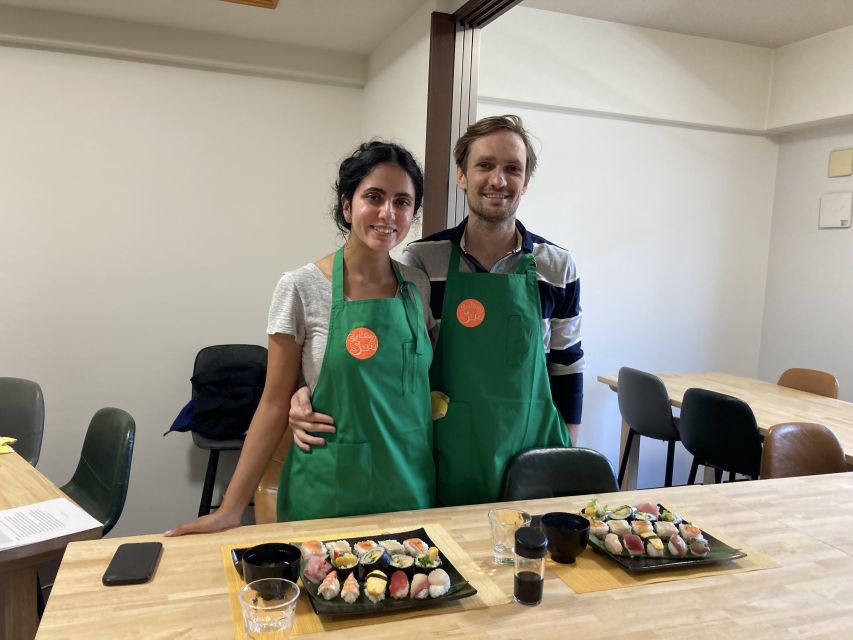
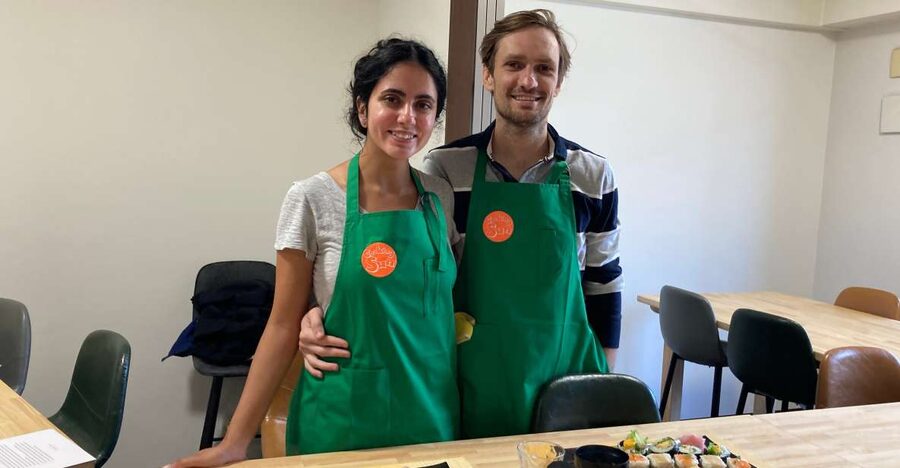
The class is designed for small groups, limited to 8 participants. That’s not just a comfort detail. When you’re learning, you need frequent quick checks, like whether your rice is spread evenly or your roll is tight enough.
I also like how interactive the instruction seems to be. Instructors are described as attentive and communicative, and the class setting encourages questions. Some instructors are also mentioned as discussing Japanese food culture and how certain items are preserved or purchased, so you’re not only learning how to shape sushi, you’re picking up “why.”
And yes, you’ll probably leave hungry in the best way. The most repeated theme is that you get a lot of food at the end, and it’s fresh.
Salad Roll Step-By-Step: Layers, Nori, and the Egg Core
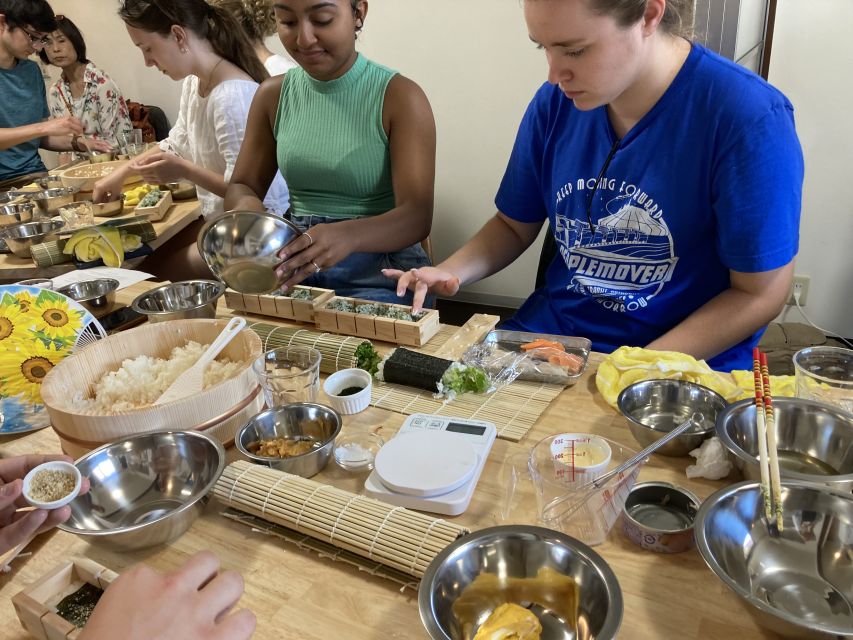
This is your warm-up, but don’t treat it like a “light” lesson. A salad roll is a layering exercise. You’re teaching yourself how to distribute ingredients so you can roll without gaps.
You’ll be working with:
- nori seaweed sheets as the wrapper
- lettuce and cucumber for crunch
- crab-flavored kamaboko for that familiar savory sweetness
- tuna mixed with mayonnaise to add richness
- a tamagoyaki egg roll core for structure and contrast
What to watch for is consistency. If one layer is thicker than the others, your roll gets lumpy and uneven. If you overstuff, you’ll fight the roll seam. If you underpack, the roll won’t hold together.
The tamagoyaki core is a great training tool because it forces you to place the center neatly. You’re not only rolling, you’re planning.
Nigiri Practice: Vinegared Rice as the Foundation
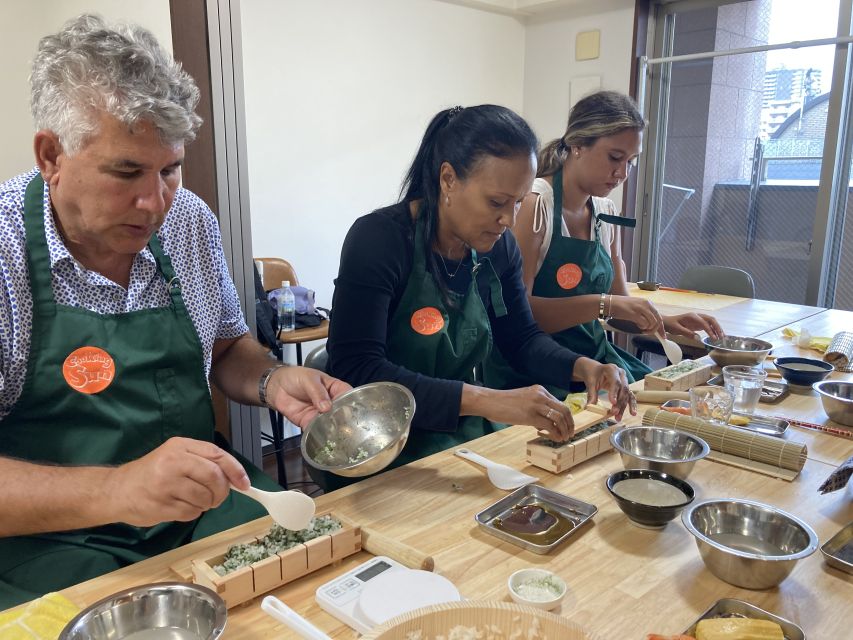
Nigiri looks simple, but it’s technical. The rice is vinegared, and that acidity is part of the balance. You form bite-sized rice and place ingredients on top.
The key skill is topping placement. You want the topping to sit securely without sliding, and you want the bite to look intentional. In a class setting, you’ll likely get guidance on gentle handling and the “press enough, not too much” sweet spot.
One reason I like starting with nigiri after a roll is momentum. By then, you’ve already handled rice and ingredients. Now you’re focusing on precision and proportion rather than rolling technique.
Also, this is a useful class takeaway because nigiri is the style you’ll recreate when you want sushi but don’t want the work of pressing or rolling.
Osaka Oshizushi, Pressed Box Sushi: A Local Technique Worth Doing
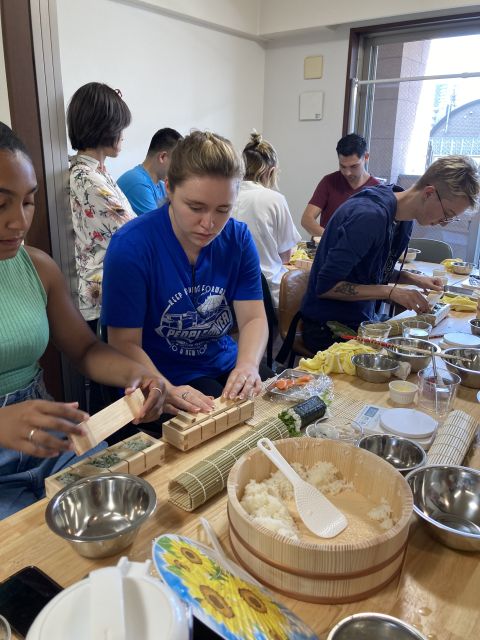
Oshizushi is where Osaka shows its personality. Instead of shaping sushi by hand, you build it in a square wooden frame, then press it so it binds.
Here’s what you’re learning:
- how rice and toppings behave when compressed
- how to fill the mold evenly
- how pressing changes texture and structure
- how to cut it into pieces just before eating
That last point is more practical than it sounds. Pressed sushi tends to hold its form, but the dining moment is when texture matters most. The “cut just before eating” approach helps you serve pieces while they still feel fresh and tight.
This is also a fun contrast to nigiri. With oshizushi, you’re not chasing perfect hand shapes. You’re creating a clean, square result and then portioning it.
Price and Value: $67 for Technique Plus a Real Meal
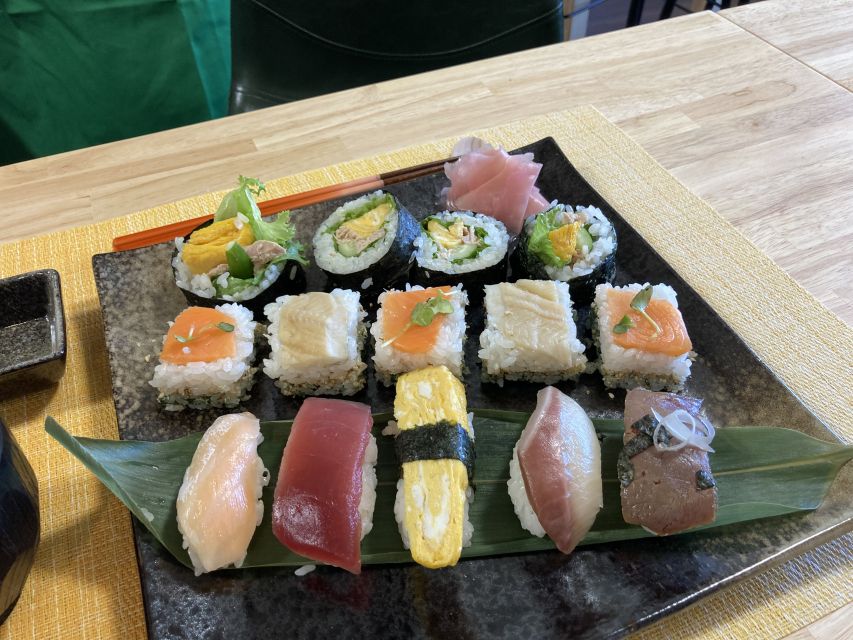
At $67 per person for 3 hours, this class is priced in a way that makes sense for most visitors who want hands-on learning, not a short demo. What makes it feel like good value is the combination of:
- multiple sushi techniques (not just one)
- all ingredients included
- and a full eating experience at the end
A lot of food classes teach one dish and leave you with a small bite. This one teaches three and then feeds you from the results. That’s a big deal on a Japan trip, where food costs add up fast and you may want at least one meal that feels like part of the day’s activity.
You’re also paying for structured teaching in English. With a group capped at 8, you get more time for corrections, which usually translates into better results even if you’re a total beginner.
Who Should Book This Sushi Class in Osaka
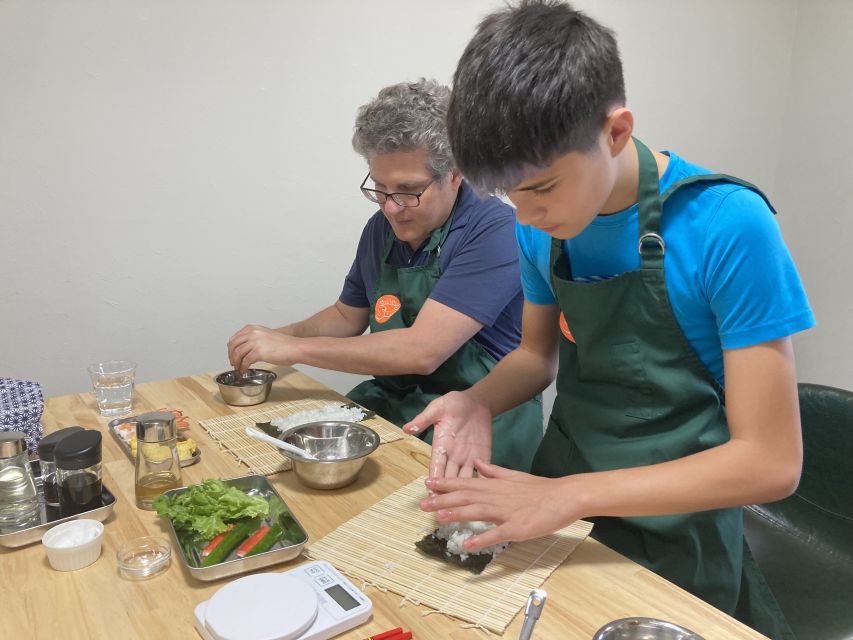
This class is a good fit if:
- you want a structured introduction to sushi techniques beyond just ordering sushi
- you enjoy hands-on cooking more than watching
- you want something that fits into an afternoon or evening slot without taking over your whole day
- you’re traveling as a couple or small group and like instruction that doesn’t disappear into a crowd
It’s also a strong choice for first-timers. The class format and small size make it easier to follow along even if you’ve never handled rice properly before.
If you’re already a confident home cook, you’ll still enjoy it because oshizushi pressing is a different method than typical at-home sushi rolling.
Dietary Notes: Vegetarian and Gluten-Free Requests
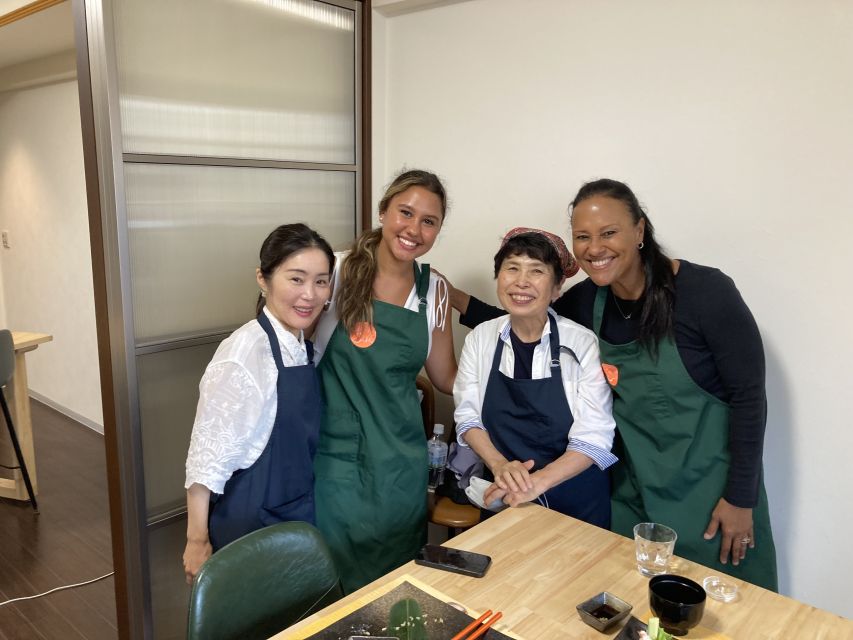
There’s a clear note option when you book. If you need vegetarian or gluten-free, you should leave a note upon booking so the class can adjust. This matters because sushi ingredients and seasonings can vary, and you don’t want to find out at the last minute.
If dietary needs are a big part of your planning, this is one of the cleaner ways to handle it in a cooking class, since it’s explicitly supported as a request.
Little Practical Tips That Make Class Day Easier
- Arrive with time to find room 202, then press 202 and the 呼出 (call) button.
- Plan to be ready to work with your hands. Sushi making gets messy in a good way.
- Go hungry. The class includes ingredients and you eat what you make, so skipping a big breakfast is usually smart.
- If you’re in the mood for culture as well as cooking, expect instructors to share context and recommendations as the class progresses.
Should You Book This Osaka Sushi Class?
Yes, if you want a first-timer friendly sushi lesson that still feels substantial. The small-group limit, English instruction, and the fact you make three real styles makes it a strong value at $67. I’d especially recommend it if you’re curious about Osaka’s oshizushi, because that pressed box sushi method is both practical and distinctly Kansai.
Skip it only if you already have strong sushi-making experience and you’re looking for something more advanced than technique foundations. For most visitors, this hits the sweet spot: learn, do it yourself, and eat a lot of what you made.
FAQ
How long is the Osaka sushi class?
The class duration is 3 hours.
How much does the class cost?
The price is $67 per person.
How many people are in the group?
The class is a small group limited to 8 participants.
What types of sushi will I make?
You will make three types of sushi: a salad roll, nigiri, and Oshizushi (pressed sushi).
Is the instructor available in English?
Yes. The instructor speaks English.
Where is the meeting point?
The meeting point is Cooking Sun Osaka, room 202. On arrival, press 202 and the 呼出 (call) button at the entrance.
Can I request a vegetarian or gluten-free option?
Yes. Leave a note upon booking for a vegetarian option and/or a gluten-free option.
Is the class wheelchair accessible?
Yes, the class is wheelchair accessible.
What is the cancellation policy and is pay later available?
Free cancellation is available up to 24 hours in advance for a full refund. You can also reserve now and pay later.
More Workshops in Osaka
- Matcha Making Class in Osaka with Authentic Japanese Sweets Set★ 5.0 · 509 reviews
- Osaka: Ramen and Gyoza Cooking Class in Dotonbori★ 5.0 · 378 reviews
- Osaka Cooking Class: Okonomiyaki &Japanese cuisines experience★ 5.0 · 261 reviews
- Ramen and Gyoza Cooking Class in Osaka★ 5.0 · 202 reviews
Just added around Osaka



Dotonbori Experiences, compared.
Osaka Local Foodie Walking Tour in Dotonbori and Shinsekai
Read our review →
Dotonbori District River Cruise with Drink Discount
Read our review →
Ultimate Osaka Walking Tour: Castle, Dotonbori & Hidden Gems
Read our review →
Dotonbori River Cruise with Glico Sign & Neon Views
Read our review →

Roll and Authentic Sushi Making Class in Dotonbori
Read our review →This tour also fits