
Reviewed · SUSHI MAKING EXPERIENCES
Sushi Making Osaka Roll and Authentic Japanese Sushi Class
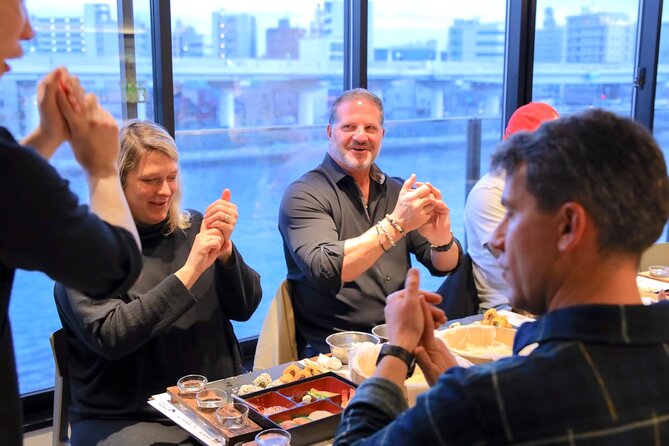
Sushi feels doable when someone guides your hands. This Osaka sushi-making class keeps things practical, with your ingredients already prepped and ready so you can focus on the real steps for maki rolls and nigiri. I also like the English-speaking instructors and the way they bring sushi history into the lesson without turning it into a lecture, with staff like Reika, Fujiko, Fuko, Aina, and Arisa showing up in the lineup. One possible drawback to plan for, based on feedback, is that the timing can feel a bit rushed, with limited room for photos, lingering, or a slow, relaxed meal.
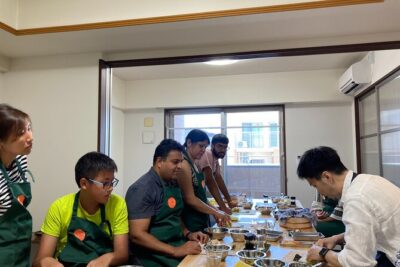
The good news is you are not just watching. You make sushi, you eat it, and the setup is convenient for anyone staying near Dotonbori and Shinsaibashi. With a maximum group size of 20, the room stays lively but not chaotic, which makes it a strong add-on when your Osaka day is already full of food stops.
In This Review
- Key Highlights You Should Not Skip
- Why This Osaka Sushi Class Beats Just Ordering Nigiri
- Getting There Near Dotonbori and Shinsaibashi (Without Stress)
- The 1 Hour 40 Minute Flow, From First Lesson to Finished Sushi
- What You Will Actually Make: Maki Rolls and Nigiri Basics
- English-Speaking Instructors and the “Friendly Energy” Factor
- Food Options, Vegetarian Choices, and Dietary Notes
- How the Meal Fits Into the Experience (And Why Portion Size Matters)
- Price and Value: What You Are Paying For
- Timing, Room Comfort, and a Couple of Watch-Outs
- Photos, Videos, and How to Save Your Memories
- How to Pair This With Your Osaka Day
- Should You Book This Osaka Sushi Making Class?
- FAQ
- What will I learn to make in this class?
- Do I need any cooking experience?
- Is the class taught in English?
- Where does the class meet?
- How long does the class take?
- How big are the groups?
- Can the class handle vegetarian or dietary preferences?
- What is the cancellation policy?
Key Highlights You Should Not Skip
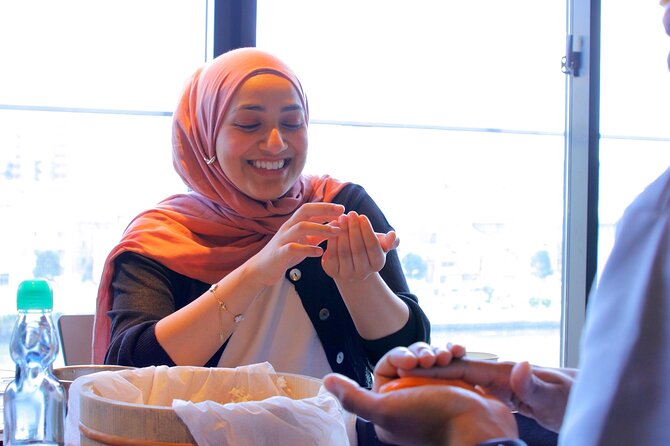
- Ingredients are prepped in advance, so you start cooking fast instead of waiting around
- Beginner-friendly step-by-step instruction for both maki rolls and nigiri
- English-speaking instructors who explain sushi techniques and context, with friendly personalities
- Convenient location near Dotonbori and Shinsaibashi, easy to pair with shopping and street food
- You eat what you make, so the meal feels like part of the experience, not an afterthought
Why This Osaka Sushi Class Beats Just Ordering Nigiri
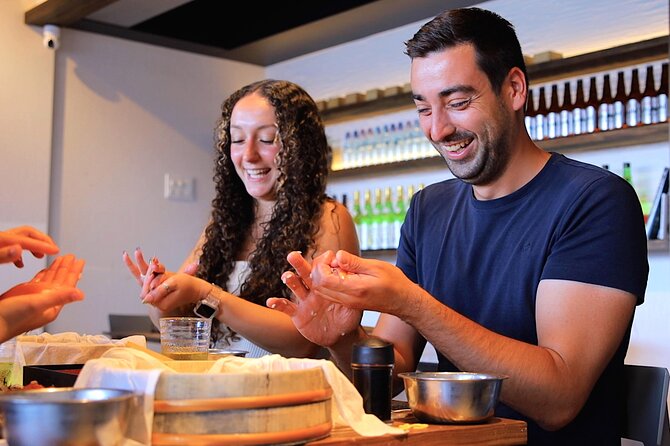
Osaka is one of the easiest cities in Japan to find great sushi, but there is a difference between eating it and learning it. This class is built around the hands-on part, so you leave with techniques you can actually repeat at home, even if your first attempt is not perfect.
What makes it feel worth the time is the workflow. You arrive, the ingredients are already taken care of, and you jump into making sushi rather than spending the session on prep. Add the fact that the instruction is in English, and you get a smoother experience than you might expect from a cooking class in a non-English-speaking setting.
Learn why the rice matters most
- Osaka Sushi Making Experience★ 5.0 · 400 reviews
- Osaka: Roll and Authentic Sushi Making Class in Dotonbori★ 4.9 · 239 reviews
- Osaka: Sushi Class in Dotonbori★ 4.9 · 160 reviews
- Osaka Dotonbori: Sushi Making Experience★ 4.9 · 122 reviews
- Osaka: Sushi Making in Spacious Studio (SAME-DAY OK!)★ 5.0 · 75 reviews
Getting There Near Dotonbori and Shinsaibashi (Without Stress)
Meeting point is at Sushi Making Osaka, Cooking Class in Japan, 1-chōme-16-20 Higashishinsaibashi, Chuo Ward, Osaka, 542-0083. The location is described as being near Dotonbori shopping street and Shinsaibashi, so you can often make this work without changing your whole itinerary.
A practical tip from how people describe the space: plan to arrive a little early. One review notes the room can be tricky to find and mentions it being on the third floor of a small building. If you are walking around Dotonbori and Shinsaibashi already, give yourself extra time so you do not end up sprinting while trying to confirm you are in the right place.
The 1 Hour 40 Minute Flow, From First Lesson to Finished Sushi
The class runs about 1 hour 40 minutes (approx.), and it is structured so you can learn, make, and eat. You can usually find sessions in the morning, afternoon, and evening, which helps when you want to time it around other plans in Osaka.
Here is the basic rhythm you can expect:
- You get introduced to sushi and the goal of the session. People mention learning some history and context, not just technique. This helps you understand why certain steps matter, even at a beginner level.
- Ingredients are ready for you. You are not chopping for ages, and you are not assembling everything from scratch. That is a big deal when you only have about two hours total.
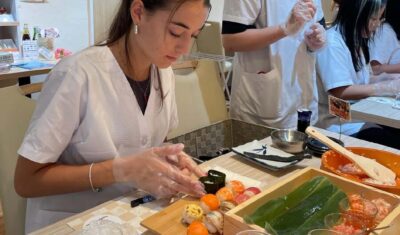
- You learn how to make maki rolls and nigiri step by step. The pace is described as beginner-friendly, with instructors moving around to help.
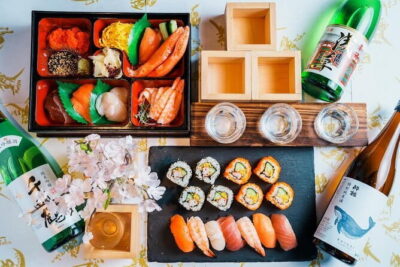
- You eat the sushi you made. Multiple reviews point out that the class is built around actually tasting your work, and that you will not leave hungry.
- You take photos if there is time. This is where you should manage expectations, since one negative comment says photo and video time felt limited.
What You Will Actually Make: Maki Rolls and Nigiri Basics

The core of the class is maki rolls and nigiri. That matters for value because these are the two most recognizable styles of sushi, and they are different enough that you learn more than one skill.
From the feedback, you spend time practicing the steps with support from the instructors. People also highlight that the finished sushi is tasty, and that the class is interactive enough for families and first-timers. Even if you come in with zero cooking experience, the teaching approach is described as “fun and easy to follow,” with lots of encouragement during the shaping and rolling.
If you care about learning for home use, this is one of the better formats. You are not just copying one final product that looks like the photo. You are making multiple pieces during the session, so you get more than a single try.
English-Speaking Instructors and the “Friendly Energy” Factor
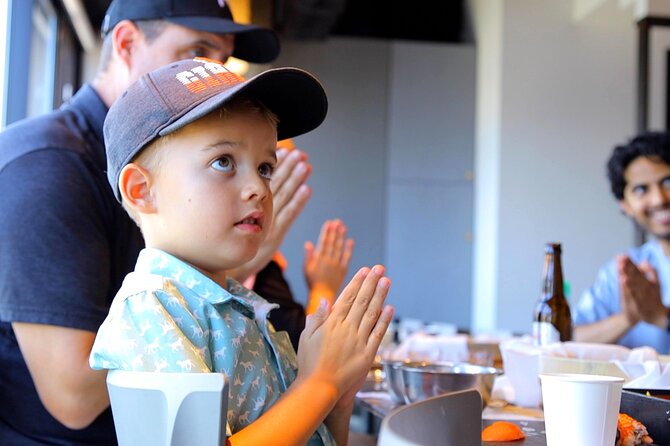
One of the most consistently praised parts is the teaching style. Instructors are repeatedly described as friendly, energetic, patient, and helpful, especially when people are new to sushi.
You might be taught by instructors such as Reika, Fujiko, Fuko, Ina, Aina, and Arisa, based on the names that come up in the class feedback. Regardless of who you get, the class approach seems designed for international visitors: English explanation, direct help at your station, and room for questions.
This is especially useful in Japan, where cooking classes can sometimes assume you already know terms and technique. Here, the staff is positioned to help you understand what you are doing and why, which makes it easier to actually improve in the moment instead of guessing.
Other ways to spend a day in Osaka
- Matcha Making Class in Osaka with Authentic Japanese Sweets Set
★ 5.0 · 509 reviews - Osaka: Ramen and Gyoza Cooking Class in Dotonbori
★ 5.0 · 378 reviews - Osaka Cooking Class: Okonomiyaki &Japanese cuisines experience
★ 5.0 · 261 reviews
Food Options, Vegetarian Choices, and Dietary Notes
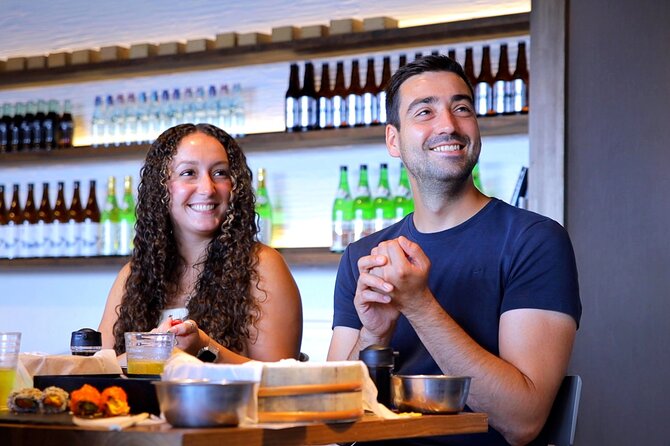
The class includes ingredients and a meal, and multiple comments mention vegetarian options as well as fish options. That is a good sign if you want sushi but you do not eat meat.
That said, one piece of practical advice comes from a food restriction complaint. If you have dietary preferences or restrictions, note them in advance. One reviewer said the class could not swap out shrimp for another fish when the preference was not handled the way they expected, and they suggested putting dietary needs into the reservation clearly.
Bottom line: if you have any must-avoid foods, tell them ahead of time so the kitchen can plan. And remember that the class is limited in size, so accommodations depend on what they can prep for your group.
How the Meal Fits Into the Experience (And Why Portion Size Matters)
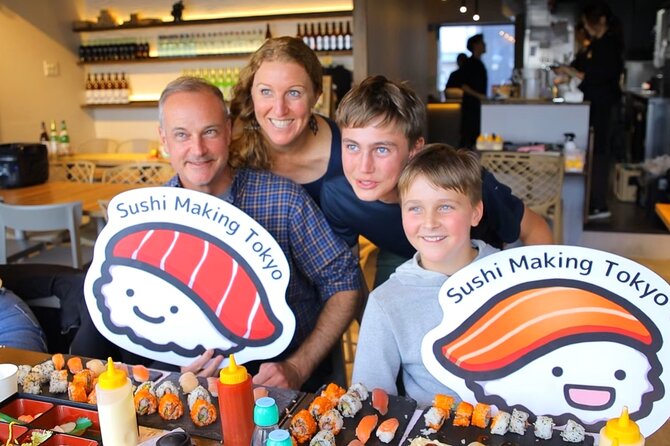
You do not just taste a sample. People repeatedly say you eat the sushi you make, and that there is enough food for lunch-level satisfaction.
Some reviews even mention approximate quantities, like making one maki roll and several pieces of nigiri depending on how quickly you work. That variability is normal in hands-on classes. But the consistent theme is that the meal is substantial enough that you can treat this as a planned food stop, not a small snack between attractions.
At $31.01 per person, it can also feel like good value compared to paying full price at a sushi restaurant for the same time window. You are paying for instruction plus a meal, and you leave with a skill you did not have at the start.
Price and Value: What You Are Paying For
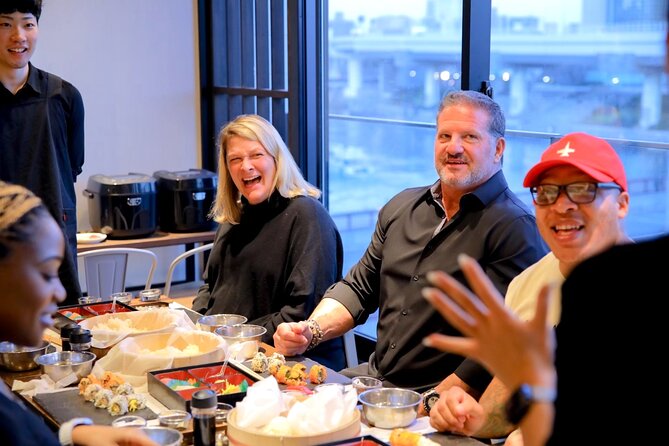
This is not a cheap activity by Japanese standards, and one critical comment did question whether it felt expensive for what they received. So let’s be honest about where the value is coming from.
You are paying for:
- English instruction
- hands-on practice with step-by-step help
- ingredients and meal included
- a location that is convenient for people already in the Dotonbori and Shinsaibashi area
If you want a purely relaxed meal without instruction, you may prefer simply eating sushi outside. But if you want an interactive experience, the price is easier to justify because the session is built around creating and eating, not just watching.
Timing, Room Comfort, and a Couple of Watch-Outs
Most feedback is positive, including comments about a clean, well-run class and good organization. Still, there are a few practical considerations worth knowing before you commit.
1) Rushed feeling and limited linger time
Some feedback says the class can feel super rushed, with limited time for photos or enjoying the food. If you care about slow pacing, arrive early and be ready for a full, efficient schedule.
2) Lighting for photos
One reviewer mentions the lighting in the room is not great, with shadowing that made photos turn out darker. If photos matter, use your phone camera’s portrait or adjust exposure, and plan to shoot quickly between steps.
3) Food handled at room temperature
A review raises a food safety concern, noting fish sitting out for about 1.5 hours at room temperature. The class includes ingredients and meal, so the overall setup is meant to be safe and organized. But if you are very cautious, consider asking staff about how ingredients are handled and whether anything is kept chilled during the prep stage.
These points do not ruin the experience for most people, but they help you set the right expectations.
Photos, Videos, and How to Save Your Memories
You will likely want photos because sushi-making is half the fun. The class encourages a photo moment, but one comment says there was not much time to take videos or really enjoy before cleanup for the next group.
My practical approach for this kind of class:
- take your “finished sushi” photos right when you are done plating, not at the very end
- grab a quick shot of your hands and tools during the rolling stage
- keep your camera charged, because class time can be tight
Also, because some lighting is described as dim, try shooting from an angle where your hands are lit by the room light, not straight under a shadow.
How to Pair This With Your Osaka Day
This class sits near Dotonbori and Shinsaibashi, so it naturally fits into a day built around street food and shopping. You can do it before dinner plans or as your main meal and let the rest of the evening become a walk-and-snack session.
If you are planning around crowds and hunger:
- schedule the class so you are not already stuffed from snacks
- after the class, do a slow stroll through Dotonbori, grab something light, and keep moving
One reason I like this pairing is that it turns Osaka from a place where you just eat into a place where you learn. Even one small cooking skill makes your trip feel more personal.
Should You Book This Osaka Sushi Making Class?
Book it if you want an English-friendly, beginner-approachable Osaka cooking experience where you make maki rolls and nigiri and then eat what you create. It is also a solid family option based on repeat mentions of children being engaged and instructors helping with patience.
Skip it or consider it carefully if:
- you want a slow, unhurried meal with lots of downtime
- you are very sensitive to photo lighting or timing constraints
- you have strict dietary needs and want maximum flexibility, since accommodations may depend on how preferences are recorded in advance
If you are in Osaka near Dotonbori and Shinsaibashi and you have about two hours to trade for a hands-on skill, this is a great way to turn your appetite into a memory you can recreate later.
FAQ
What will I learn to make in this class?
You will make sushi rolls (maki) and nigiri, with step-by-step instruction from an English-speaking instructor. After you finish, you eat the sushi you made.
Do I need any cooking experience?
No cooking experience is required. The class is described as beginner-friendly, with support to help you follow along.
Is the class taught in English?
Yes. An English-speaking instructor is included, and the format is designed to be smooth for international visitors.
Where does the class meet?
The meeting point is Sushi Making Osaka, Cooking Class in Japan, at 1-chōme-16-20 Higashishinsaibashi, Chuo Ward, Osaka, 542-0083, Japan. It is near Dotonbori and Shinsaibashi.
How long does the class take?
The duration is about 1 hour 40 minutes (approx.).
How big are the groups?
This activity has a maximum of 20 travelers.
Can the class handle vegetarian or dietary preferences?
Vegetarian and fish options are mentioned as available. If you have a dietary preference or restriction, it is best to note it in advance so the instructors can plan accordingly.
What is the cancellation policy?
You can cancel for a full refund up to 24 hours in advance of the experience start time. If you cancel less than 24 hours before, the amount you paid will not be refunded.
Just added around Osaka


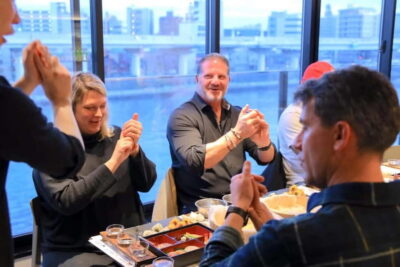
Sushi Making Experiences, compared.

Roll and Authentic Sushi Making Class in Dotonbori
Read our review →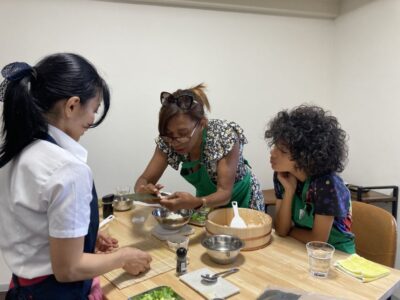
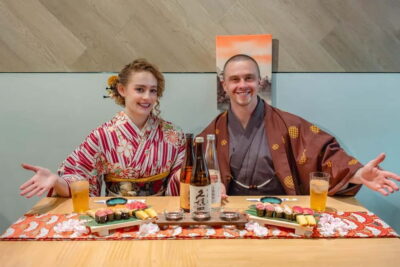
Make Sushi and Create Unforgettable Memories in Osaka
Read our review →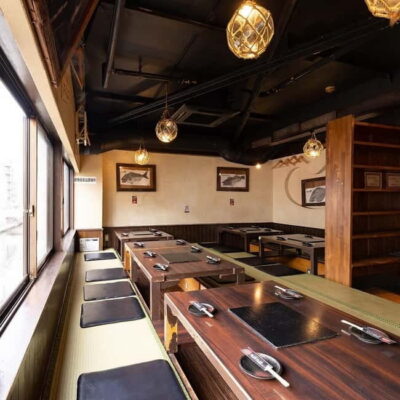
This tour also fits