
Reviewed · NINJA & SAMURAI EXPERIENCES
Osaka: Samurai Training Experience KENDO in Osaka
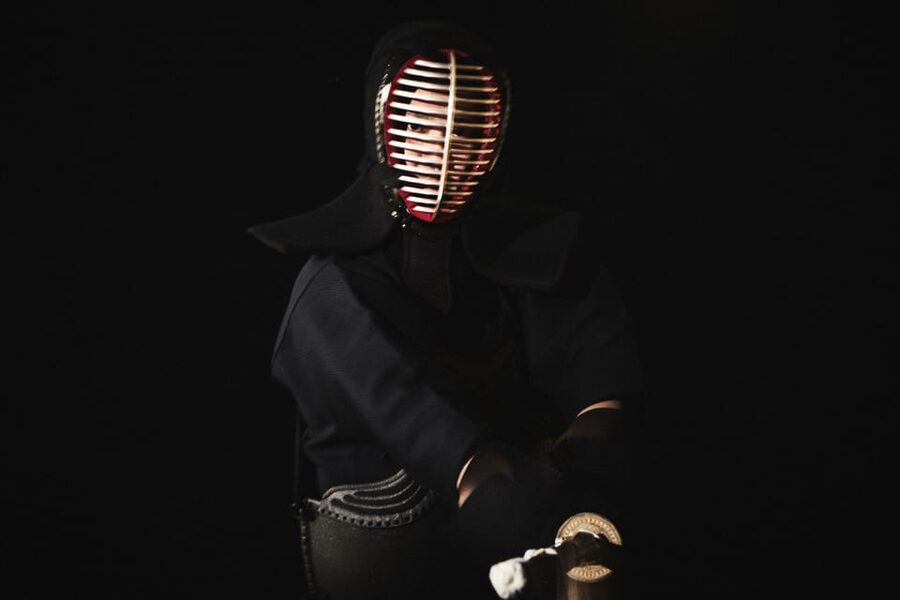
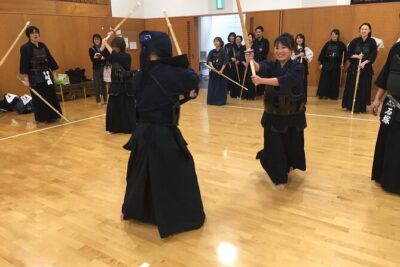
Two hours in armor changes your whole trip. You’ll train in a real Osaka City dojo, learn the etiquette behind Kendo, and then spar using a full Kendo armor setup with a shinai. I like that the instruction is English-speaking and patient, so you’re not left guessing what to do.
One thing to plan for: Kendo is physical. Even for beginners, the footwork and paired practice can leave your legs burning. Also, there are age limits, with adults over 75 only able to view.
In This Review
- Key highlights worth planning around
- Samurai Kendo in Osaka City, not a quick photo stop
- The dojo warm-up: Reiho, Bushidō, and why etiquette comes first
- Getting dressed in Dōgi, Hakama, and full bogu armor
- Shinai basics: posture, footwork, and safety rules you’ll actually use
- Paired practice and match-style sparring for real timing and control
- The photo session inside the dojo: Samurai-style memories with real props
- Value and price: what $127 buys you in Osaka for 2 hours
- Who should book this Kendo training (and who should skip it)
- Tips to make your session smoother before you even arrive
- Should you book this Osaka Samurai Kendo experience?
- FAQ
- How long is the Kendo experience in Osaka?
- What is included in the price?
- Is it beginner-friendly?
- What do I need to bring?
- Are there age limits for trying Kendo?
- What languages are used during the class?
- Is cancellation possible?
Key highlights worth planning around
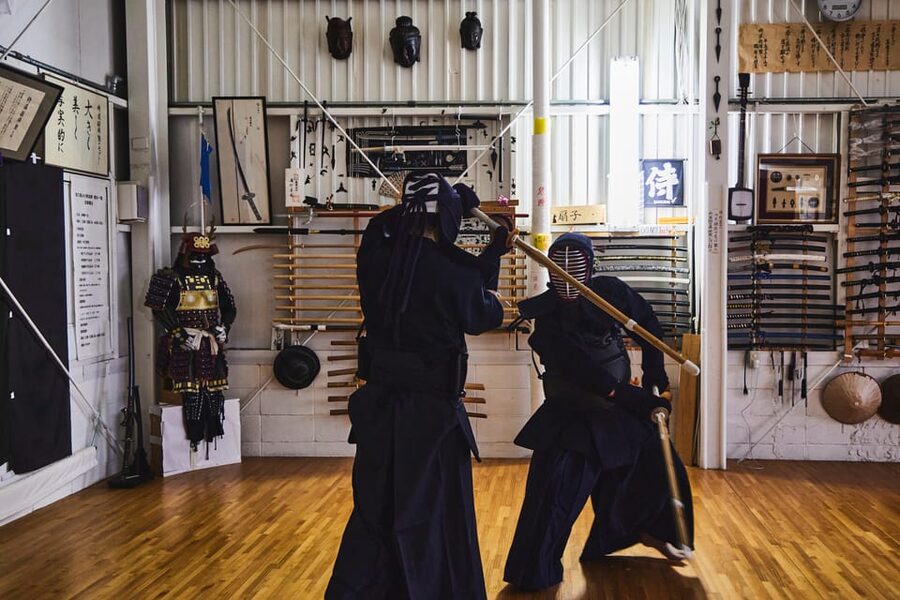
- Full bogu gear, shinai, and guided fit so you can train safely
- Reiho and Bushidō context first, not as an afterthought
- English, Japanese instruction with corrections as you go
- Beginner-friendly, match-style sparring focused on timing and spirit
- Samurai photo session inside a real dojo with props and swords
- Clean, spacious training space that supports a comfortable first session
Samurai Kendo in Osaka City, not a quick photo stop
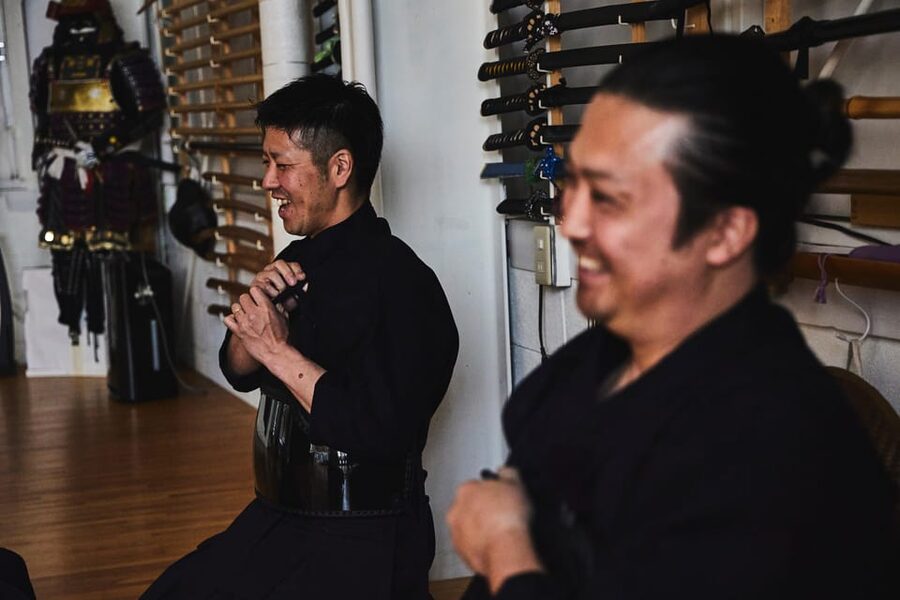
If you want Osaka culture that isn’t just eating and taking pics, this is a smart pick. This is hands-on martial practice, taught in a genuine dojo setting, and built around the real structure of Kendo training. You’ll start with the mindset and rules, then move into physical drills and paired exchanges under instructor control.
The value is that you’re not just watching Kendo. You’re wearing the gear, learning the positions, and getting to do match-style practice by the end. That mix is rare for a 2-hour activity, especially in a format that works for first-timers.
You also get the photo session at the end, inside the training space. That matters. It means your costume look happens in context, not in a generic studio with fake walls.
Swing a sword like it's 1600
- Samurai Training Experience KENDO in Osaka★ 5.0 · 515 reviews
- OSAKA NIGHT FUSION Japanese Taiko Kabuki Samurai Dance Show★ 4.8 · 155 reviews
- Osaka: A Modern Samurai, Kabuki, Taiko, & Dance Show★ 4.5 · 66 reviews
- Osaka 2-Hour Genuine Kendo / Samurai Experience In Japan★ 5.0 · 65 reviews
- Osaka: Learn Bushido – Trial Slashing with Samurai Sword★ 4.9 · 59 reviews
The dojo warm-up: Reiho, Bushidō, and why etiquette comes first
The session begins with an introduction to Kendo’s place in Japanese history and how it connects to Bushidō. You’ll also learn Reiho, the etiquette that shapes how Kendo is practiced and respected.
This isn’t just “say please and thank you.” In Kendo, Reiho shows up in how you stand, how you respond to instructions, how you treat your partners, and how you behave in sparring. Learning that up front keeps the whole class grounded, even when the practice gets intense later.
You’ll also get safety rules before you swing the shinai. That’s a big deal for beginners. Knowing what to do with distance, timing, and control makes the experience feel confident instead of chaotic.
Getting dressed in Dōgi, Hakama, and full bogu armor
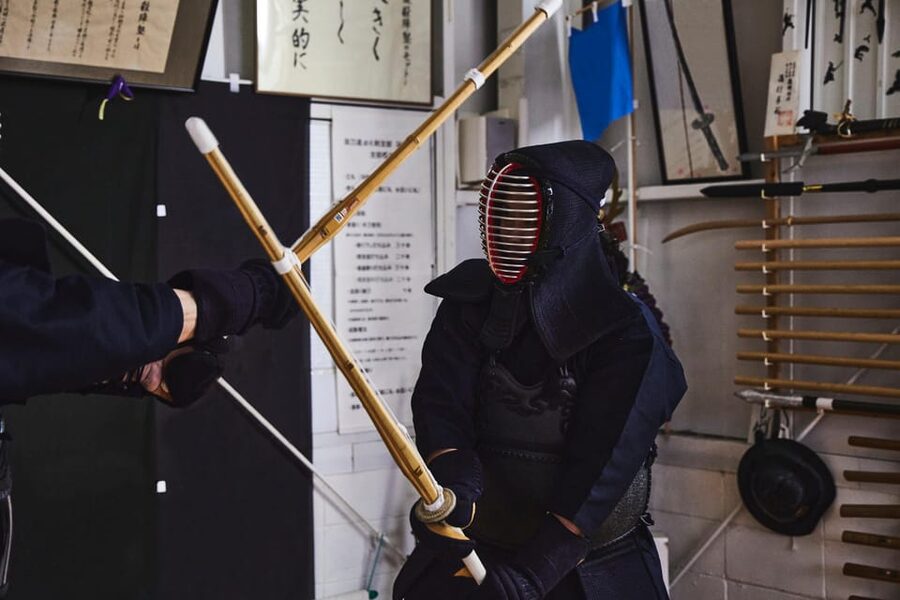
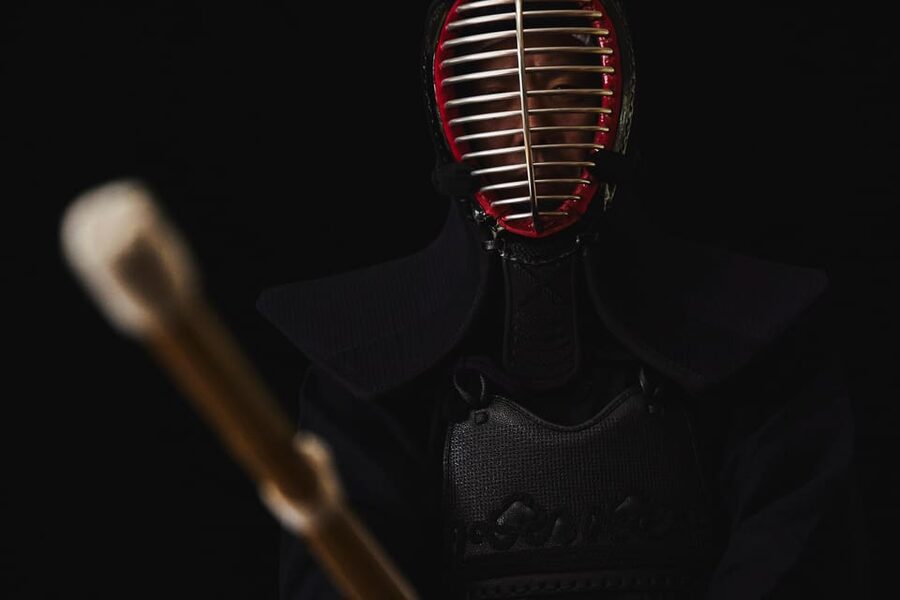
One of the most praised parts of this experience is the gear. You’ll change into traditional Kendo clothing, including the dōgi and hakama, then put on protective armor (bogu).
You’ll train with the main pieces: men (head protection), kote (gloves for wrists), dō (chest protector), and tare (waist protection). You hold a shinai, the bamboo sword used in Kendo.
Practical tip: the instructors ask for your height, weight, and gender to help with a comfortable and safe fit. Don’t treat that like paperwork. Fit affects mobility and how stable your stance feels.
The staff also help with dressing and photo setup, and that care shows in the end result. Many people leave talking about how professional the guidance felt, not how rushed it was.
Shinai basics: posture, footwork, and safety rules you’ll actually use
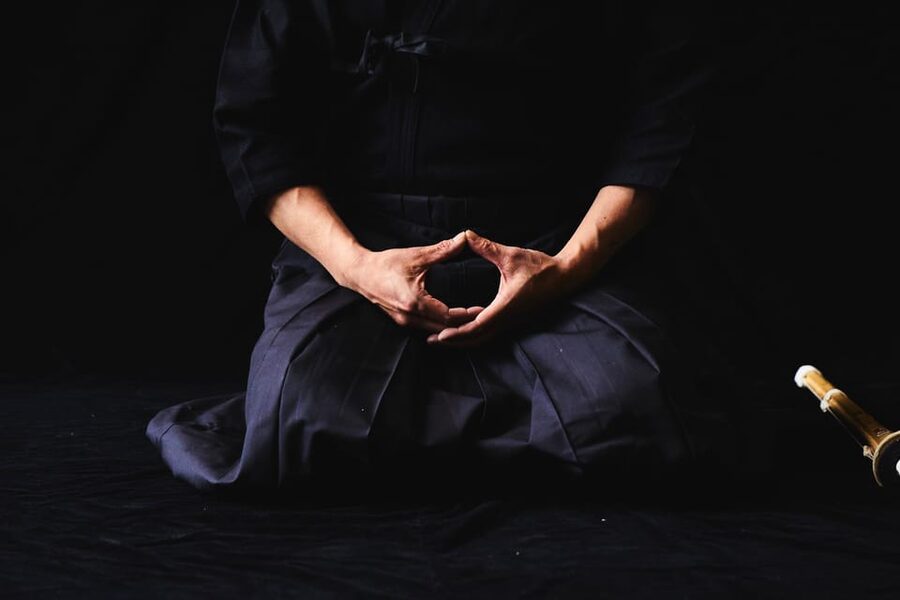
After gear and etiquette, you’ll focus on fundamental movement. You’ll learn posture and how to hold your shinai correctly. Then comes footwork, which is where beginners usually feel it first.
Kendo footwork is about balance and readiness. You’ll practice stepping patterns and returning to guard positions so your body learns the rhythm, not just the technique name. Because the class is designed mainly for beginners, it’s structured to build in layers.
You also learn the safety rules that govern how strikes and practice exchanges work. This is how the class stays fun while still letting you move like you mean it.
A nice detail: the instruction is adjusted to your level. If you’re brand new, you’ll get clear step-by-step guidance. If you’ve trained in martial arts before, you can still enjoy the paired work and sparring with a skilled practitioner while staying respectful to Kendo rules.
Paired practice and match-style sparring for real timing and control
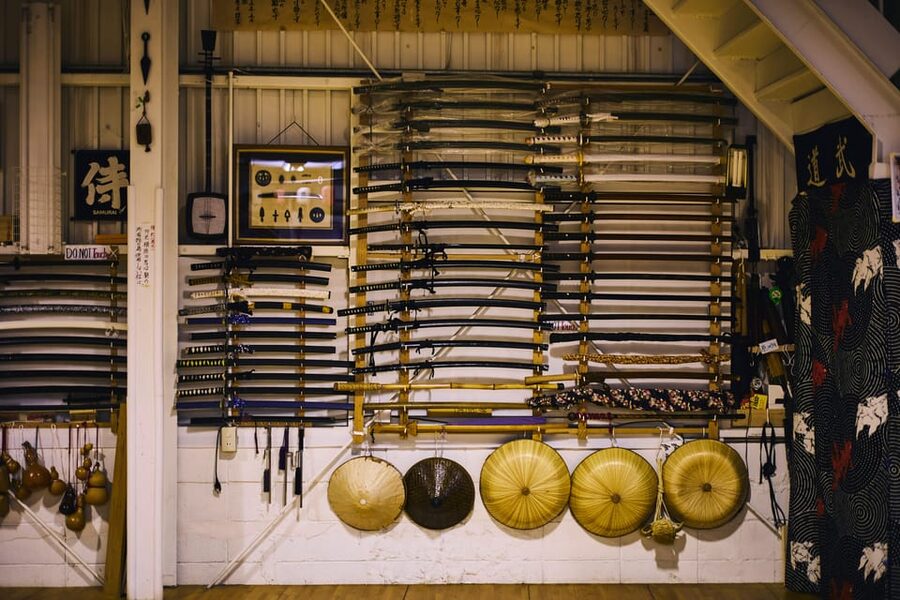
Once you have basics, you shift into paired practice. This is where the experience moves from “lesson” to “I’m doing Kendo.” You’ll practice attacks, blocks, and counters, then progress into match-style exchanges that follow real Kendo rules.
The sparring isn’t about raw strength. The coaching emphasizes timing, focus, and spirit (the mental side of pushing through with discipline). That’s why people who thought they wouldn’t be athletic still end up saying it’s a workout.
You may spar with other participants, and the instructors can also join. In some cases, the class can become smaller or semi-private depending on how many people book your time slot. If you like more direct attention, that can be a bonus.
Practical consideration: you’ll likely get sore later, especially in the legs and core, and your feet will feel it. Plan for comfortable shoes the rest of the day, because you might be walking more than usual after the training.
Not ready to leave Osaka yet? A few more ways to fill the day.
- Osaka Go Karting Tour with Funny Costume
★ 5.0 · 2,658 reviews - Osaka Castle: Museum and Tower Entry Ticket
★ 4.5 · 2,380 reviews - Osaka: Shinsekai Food Tour with 13-15 Dishes at 5 Eateries
★ 4.8 · 2,204 reviews
The photo session inside the dojo: Samurai-style memories with real props
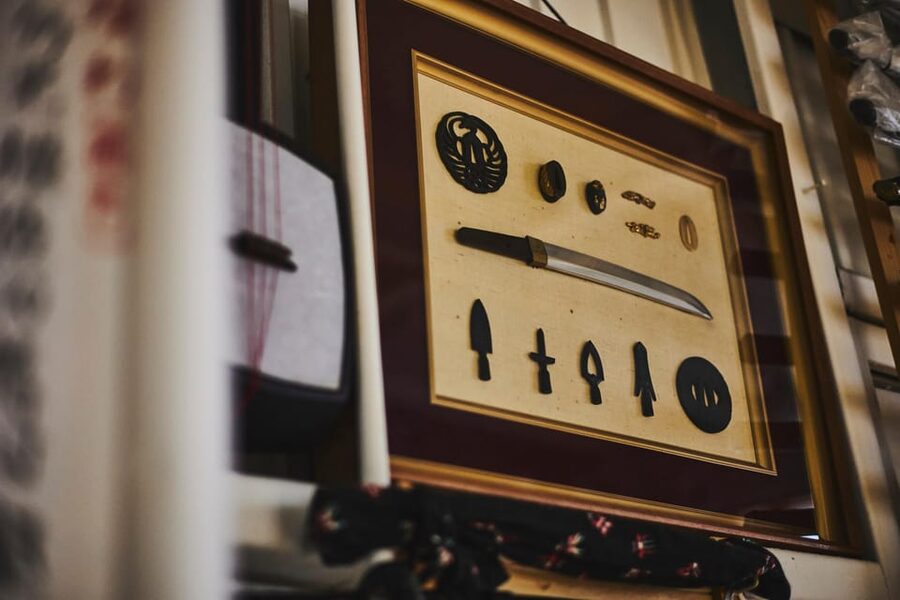
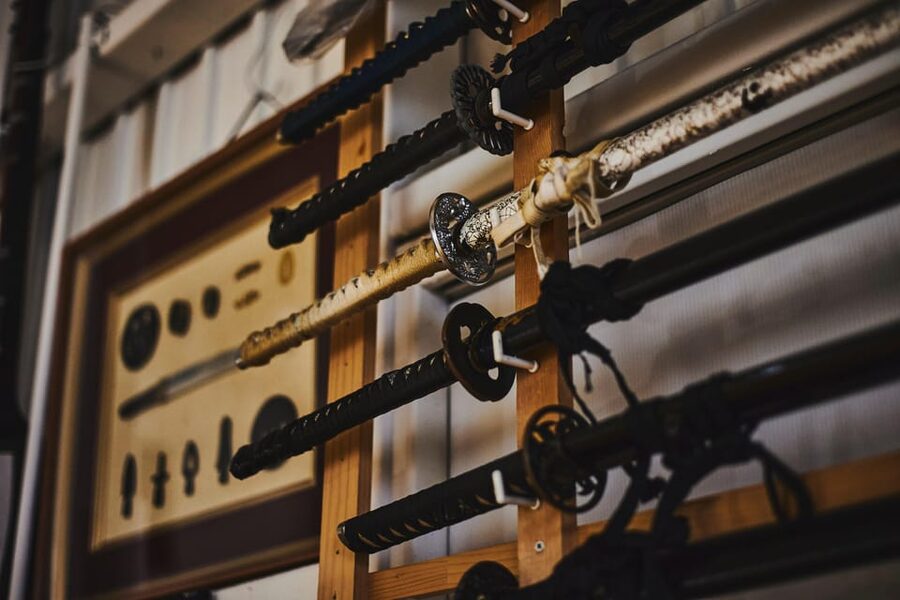
At the end, you get a photo session in the authentic dojo setting, with Samurai items and props. You’ll get to wear the gear and create “Samurai photos” with swords and the look you’re imagining from anime and historical drama.
This part is more than a souvenir. Because it happens after you train, your photos feel earned. You’re not standing there clueless with a borrowed costume. You’ve already learned the basics of posture and presence, so the final photos look better and feel more natural.
The hosts also handle the photo moment, which helps if you don’t have someone traveling with you. Many participants mention how friendly the staff are and how much time they give for pictures, including posed and action-style shots.
Value and price: what $127 buys you in Osaka for 2 hours
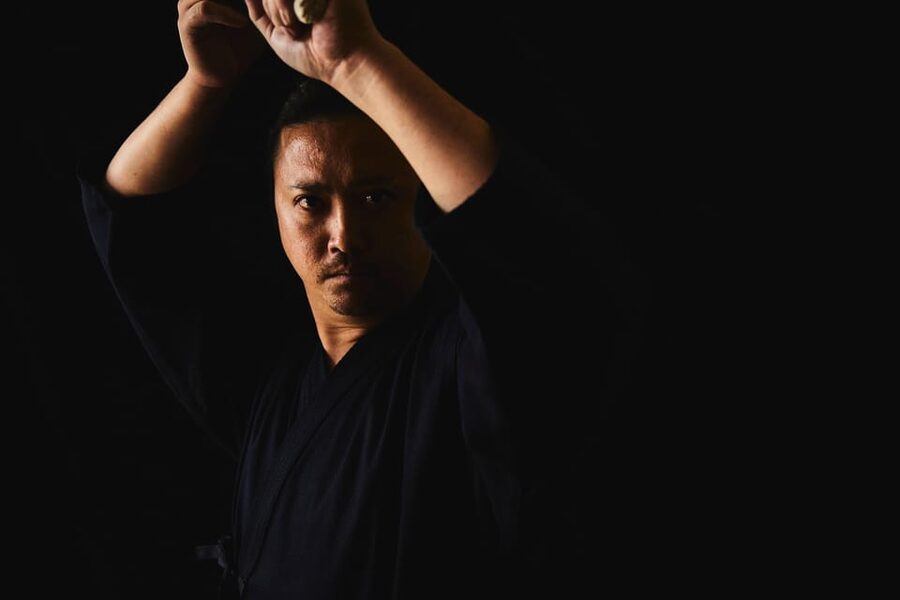
At $127 per person for about 2 hours, this isn’t the cheapest activity in Osaka. But the price makes sense when you look at what’s included.
You get:
- a guided lecture on Kendo and its values
- traditional dōgi and hakama
- full protective armor (men, kote, dō, tare)
- a shinai for practice
- English-speaking instruction and hands-on training
- a Samurai photo session inside the dojo
In other words, you’re paying for equipment, coaching, and structured sparring time, not just someone talking at you. And because it’s in a real dojo environment, there’s a legitimacy factor you don’t get from costume demos.
Also, you don’t need to be a “fitness person.” You do need to be willing to work your legs and follow safety rules. If you want a vacation activity that’s half culture education and half real movement, this is a strong value.
Who should book this Kendo training (and who should skip it)
This is ideal if you:
- want hands-on martial arts culture, not just watching
- enjoy anime-style Samurai aesthetics but prefer learning the real sport side
- like interactive classes with clear explanations and friendly correction
- want a beginner-friendly workout with structure
It’s also suitable for people with prior martial arts or Kendo experience who want respectful sparring with a trained practitioner.
Skip it if:
- you’re over the age limit for trying Kendo. Adults over 76 are not allowed to try and only view.
- you’re bringing a child under 2. That age group can’t try Kendo.
- you want an adult-style Kendo sparring experience for a very small child. Kids aged 3 to 5 mainly do uniform and armor trial plus photos, not the same training as adults.
Tips to make your session smoother before you even arrive
These small choices help your time feel easier:
- Bring a drink. Hydration matters because you might get sweaty quickly.
- Follow instructions about fit and gear. If you’re asked for height, weight, and gender, send it. It supports safety and comfort.
- Wear easy layers underneath your clothing plan, since you’ll change into traditional Kendo gear.
- Expect rules and etiquette to be taught early. If you’re unsure, ask. The English instruction is part of why first-timers can relax.
Also, note the guide team. Many sessions are led by names like Toshi and Kumiko, with English support from staff such as Nao or others, depending on the day. It helps to know you’re in caring hands, not just a “quick class” setup.
Should you book this Osaka Samurai Kendo experience?
If you want a true Kendo experience in Osaka City, where you practice in armor, learn Reiho, and end with match-style sparring and dojo photos, I’d book it. It’s one of those activities where you leave with both a physical memory and a cultural one.
Book it now if you’re:
- a beginner who wants structure
- a martial arts fan who wants the real equipment and rules
- a culture traveler who likes learning values like discipline and respect through action
I’d think twice if you dislike physical training, or if you need an experience that is mostly seated. The class is designed for first-timers, but it’s still Kendo, and it still uses your legs and focus.
FAQ
How long is the Kendo experience in Osaka?
The experience lasts about 2 hours.
What is included in the price?
You get a lecture about Kendo, traditional dōgi and protective armor, instruction from an experienced English-speaking instructor, and a Samurai photo session.
Is it beginner-friendly?
Yes. The program is designed mainly for beginners and first-time participants, with safety rules taught first. People with prior martial arts or Kendo experience can also participate in respectful sparring.
What do I need to bring?
You should bring a drink.
Are there age limits for trying Kendo?
Yes. People over 75 are not allowed to try Kendo, and those over 76 are for viewing only. Children under 2 cannot try. Children aged 3 to 5 mainly do uniform and armor trying and photo shoots.
What languages are used during the class?
Instruction is available in English and Japanese.
Is cancellation possible?
Yes. Free cancellation is available up to 2 days in advance for a full refund.
Just added around Osaka
Ninja & Samurai Experiences, compared.
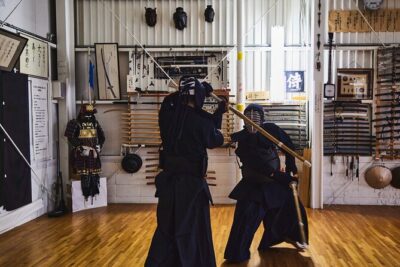

OSAKA NIGHT FUSION Japanese Taiko Kabuki Samurai Dance Show
Read our review →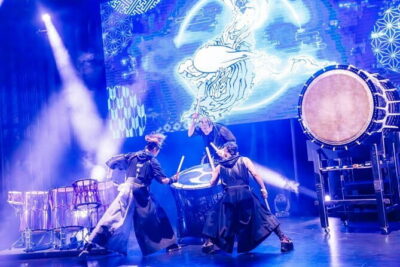
Osaka 2-Hour Genuine Kendo / Samurai Experience In Japan
Read our review →
Learn Bushido – Trial Slashing with Samurai Sword
Read our review →
Samurai Show, Tea Ceremony, Japanese Traditional Activities
Read our review →
Private Samurai Experience – Train with Sword Master
Read our review →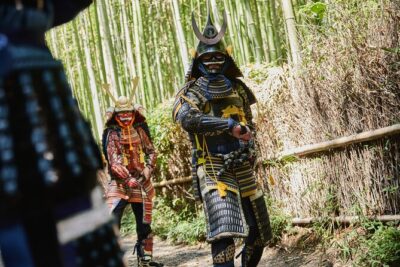
Honor – Experience Samurai & traditional Culture to the fullest
Read our review →This tour also fits