Reviewed · WORKSHOPS
Beautiful Wagashi (Japanese Sweet) Making Class
Stop by for edible art. In Osaka, you’ll learn nerikiri wagashi step by step, with small-group attention that keeps the class focused and friendly.
I also like that it’s built around Japanese sweets made from simple, plant-based ingredients like white bean paste and glutinous rice flour, so wagashi can work for vegans and vegetarians.
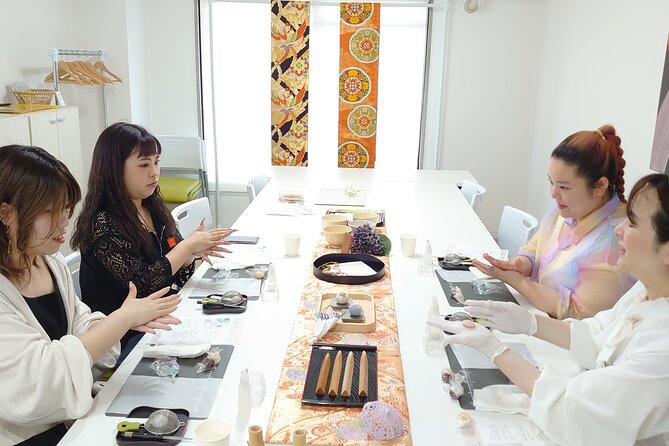
You’ll love the hands-on flow: make the dough from scratch, color it, and shape decorative flower details into the kind of sweets often associated with the tea ceremony. I especially like that you’ll get recipes you can use later, so this is more than a one-time snack.
One thing to plan for: the meeting point can be a little hard to find. Reviews mention the entrance is tricky, so I’d give yourself extra time and use any helpful visuals you’re given so you can start calmly.
In This Review
- Key highlights
- Japanese wagashi and nerikiri in Osaka: why this class is worth your time
- Banix北堀江 meeting point: how to show up ready to make sweets
- Step-by-step nerikiri dough: the part that teaches the most
- Coloring and decorative flower shaping: where your creativity actually counts
- Eating your wagashi, taking photos, and the matcha bonus effect
- Price and value: what $45.53 gets you in practice
- Who this Osaka wagashi class is best for (and who should skip it)
- Should you book this Beautiful Wagashi making class in Osaka?
- FAQ
- How long is the wagashi making class?
- What is included in the class?
- Where is the meeting point in Osaka?
- Is the class near public transportation?
- How large is the group?
- Is the wagashi vegan or vegetarian friendly?
- What wagashi will I make?
- Can kids join?
- Will I be able to follow the class in English?
- What is the cancellation policy?
- Do I get confirmation after booking?
Key highlights
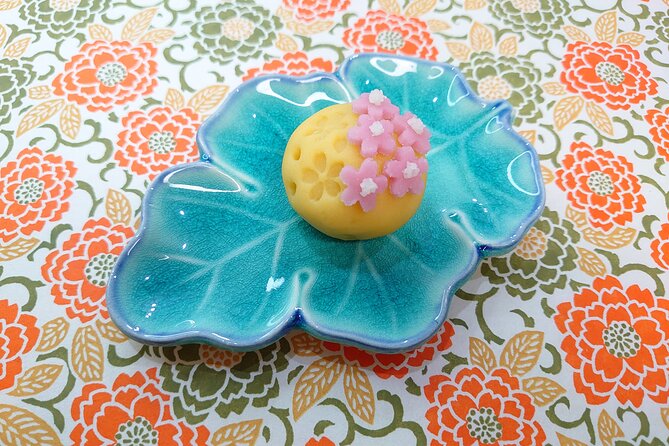
- Nerikiri practice: make a high-quality wagashi style used in the tea ceremony
- Small group size: maximum 8 travelers, so you get real help, not just a demo
- Plant-based ingredients: white bean paste and glutinous rice flour, suitable for vegans and vegetarians
- Photo-ready results: color and flower-shaped details, then take pictures before eating
- Take-home recipes: you leave with instructions to remake your wagashi at home
Japanese wagashi and nerikiri in Osaka: why this class is worth your time
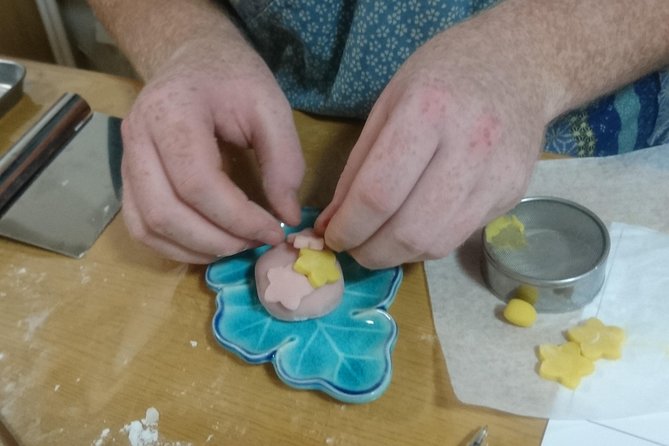
Japanese sweets, or wagashi, may look delicate, but the craft is practical. They’re made from ingredients like rice flour and beans, and the texture comes from careful handling of the dough. That’s why making wagashi feels different from typical baking classes. You’re learning form, feel, and finish, not just following a timer.
Nerikiri is the star here. It’s described as one of the highest quality wagashi, commonly linked with the tea ceremony. In plain terms, that means the style is designed to look intentional and refined, down to the flower details. When you shape your own, you get why tea sweets are treated like small edible art objects.
This is also a solid “culture plus food” experience. You’re not just being told history. You’re doing the steps that create the look and texture people associate with traditional Japanese sweets. And because it’s plant-based (white bean paste and glutinous rice flour), you can enjoy the final product without needing a workaround.
Other ways to spend a day in Osaka
- Sushi Making Osaka Roll and Authentic Japanese Sushi Class★ 5.0 · 1,220 reviews
- Matcha Making Class in Osaka with Authentic Japanese Sweets Set★ 5.0 · 509 reviews
- Osaka: Ramen and Gyoza Cooking Class in Dotonbori★ 5.0 · 378 reviews
- Osaka Cooking Class: Okonomiyaki &Japanese cuisines experience★ 5.0 · 261 reviews
- Osaka: Roll and Authentic Sushi Making Class in Dotonbori★ 4.9 · 239 reviews
Banix北堀江 meeting point: how to show up ready to make sweets
The class starts at Banix北堀江 in Nishi Ward, Kitahorie, at the address listed for the meeting point: 3-chōme62 システマギャラリー. It’s near public transportation, which is a big help in Osaka, where getting around fast often beats complicated plans.
Now the practical part. One review flags that the entrance can be difficult to find. That’s not a reason to avoid the class, it’s a reason to arrive a few minutes early. If you’re coming straight from another stop, give yourself buffer time so you’re not rushing while you’re trying to get situated.
What to bring is simple. Have your camera ready for photos, because you’ll want to capture your wagashi before eating. Wear comfortable clothes too, because shaping dough takes a bit of handwork. And if you’re doing this as part of a busy day, keep your schedule flexible afterward, since you’ll be eating at the end (or taking it away if you want).
Step-by-step nerikiri dough: the part that teaches the most
The class is built around a clear progression, and that matters because nerikiri is not a “mix and bake” project. First, you’ll make the dough from scratch. The core ingredients are white bean paste and glutinous rice flour, which create the chewy, moldable texture wagashi is known for.
This stage is where you learn the logic of the craft. If the dough is too stiff, shaping becomes harder. If it’s too soft, details blur. Even if your first try isn’t perfect, you’ll quickly feel what “right” looks like in the dough. That hands-on feedback is one reason this class earns strong marks for being fun and satisfying.
Then comes the part that makes your sweets look delicate but still intentional. You’ll color the dough in delicate colors. Wagashi color is not random. The goal is gentle shades that match the flower-like shapes you’ll create. If you’re the kind of person who loves aesthetics and fine details, you’ll likely have a good time here, because you get to influence what you make.
Coloring and decorative flower shaping: where your creativity actually counts
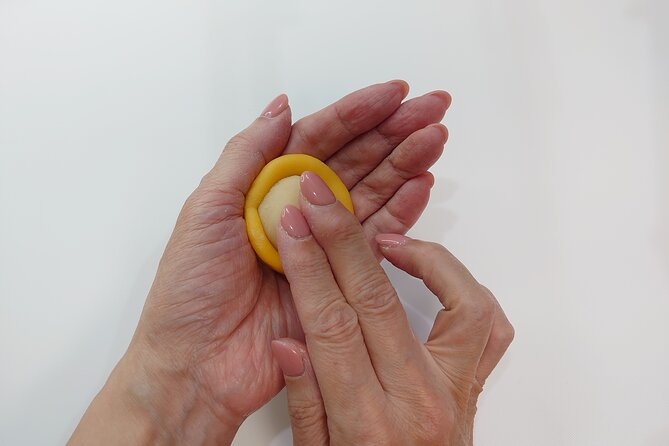
After the dough is ready and colored, you’ll move into the visual craft steps. The experience focuses on creating decorative flowers from the dough, then using those details as garnishes.
This is the most “art-lab” portion of the class. You’re shaping small components, then arranging them so they hold their form. The instructions are described as clear in reviews, and that’s a key ingredient. Nerikiri can look complicated, but when the steps are broken down, it becomes manageable.
You’ll shape the dough into balls and garnish them with the decorative flowers. It sounds simple, but it’s also where quality comes through. That’s why the class emphasizes skill. You’ll be aiming for neat edges, balanced shapes, and flowers that look like flowers, not just lumps of colored dough.
Reviews also highlight that creativity is encouraged. One person loved being able to make the sweets in a personalized way. That lines up with how wagashi is often presented: each seasonal style or design can tell a story. Even within one short class, you can leave with something that looks distinctly yours.
Eating your wagashi, taking photos, and the matcha bonus effect
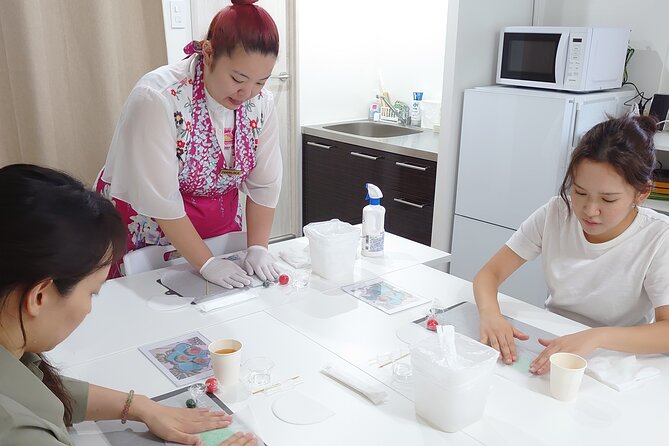
At the end, you get to enjoy what you made. The experience encourages you to take photos of your beautiful wagashi before eating. That’s not a throwaway suggestion. With food art, the reward is both visual and sensory, and photos are the easiest way to remember the details you worked hard on.
You can eat it there or take it away. That flexibility is handy. If you’re doing this near other plans, you can keep your timing. If you want a relaxed moment, you can enjoy it on-site.
One extra note from reviews: some sessions include a matcha tea bonus, with Japanese instruments. Even if you’re mainly here for wagashi, that kind of add-on makes the experience feel more complete, like you’re getting a small taste of the tea-culture setting that nerikiri is tied to.
Not ready to leave Osaka yet? A few more ways to fill the day.
- Osaka Go Karting Tour with Funny Costume
★ 5.0 · 2,658 reviews - Osaka Castle: Museum and Tower Entry Ticket
★ 4.5 · 2,380 reviews - Osaka: Shinsekai Food Tour with 13-15 Dishes at 5 Eateries
★ 4.8 · 2,204 reviews
Price and value: what $45.53 gets you in practice
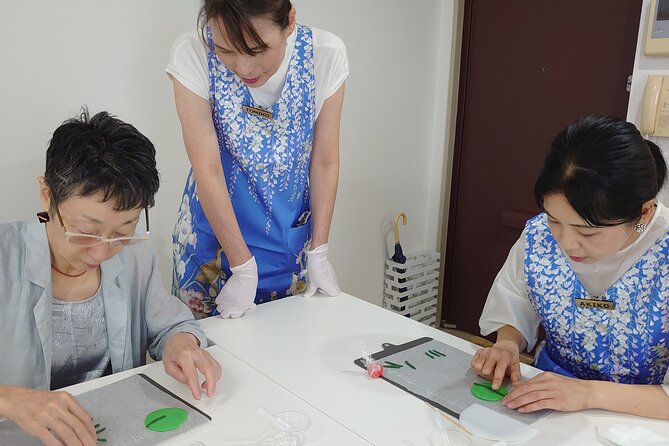
At $45.53 per person for about 1 hour, you’re paying for more than the final sweet. You’re paying for structured instruction in a traditional technique, plus the guidance to actually finish a nerikiri-style wagashi that looks good enough to photograph.
Here’s how I’d judge the value:
- Small-group attention (max 8): this is huge for skill-based crafts. If you get stuck, you’re not waiting in line.
- From scratch teaching: the class doesn’t assume you already know dough work.
- Recipes to take home: leaving with written instructions turns the class into a future activity, not a one-and-done souvenir.
The reviews also point to clear instructions and that the instructor can explain well in English. One guide named Fumi is specifically credited for great English translations. That kind of communication matters when you’re working with texture and timing, not just ingredients.
Is it expensive compared with grocery-store desserts? Sure, because you’re buying instruction and experience. Is it good value for a short, hands-on Japanese food class with personalized help? In my view, yes, especially if you want a practical souvenir. You’re not just taking home sugar, you’re taking home a repeatable method.
Who this Osaka wagashi class is best for (and who should skip it)
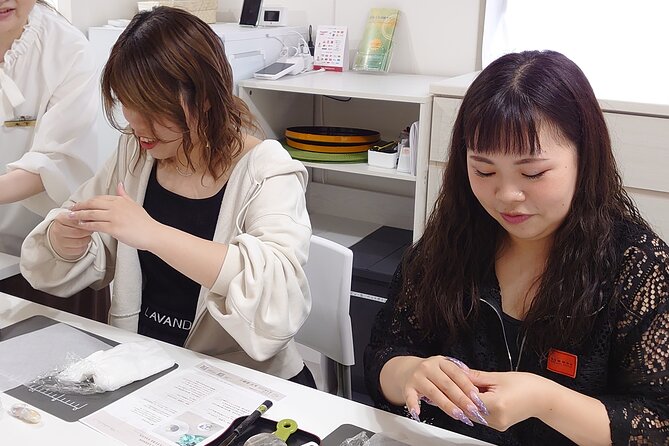
This class is ideal for foodies and baking enthusiasts. If you like cooking that involves texture and shape, this fits. If you enjoy learning cultural details tied to everyday life, nerikiri brings that into the hands-on portion fast.
It also works well for vegans and vegetarians because wagashi here is made from plant-based ingredients like white bean paste and glutinous rice flour. If you usually avoid sweets because of dairy or eggs, this is a reassuring option to look into.
Children must be accompanied by an adult. The class is short, so it’s more about focus and patience than it is about hours-long kitchen chaos. That can be a good fit for families who can manage attention for about an hour.
Who might not love it? If you’re looking for a long meal experience, or you want something with minimal hands-on work, a 1-hour craft class may feel too brief. Also, if you strongly dislike shaping fine details, the flower step could frustrate you. But if you’re open to learning and willing to try, you’ll likely enjoy the payoff.
Should you book this Beautiful Wagashi making class in Osaka?
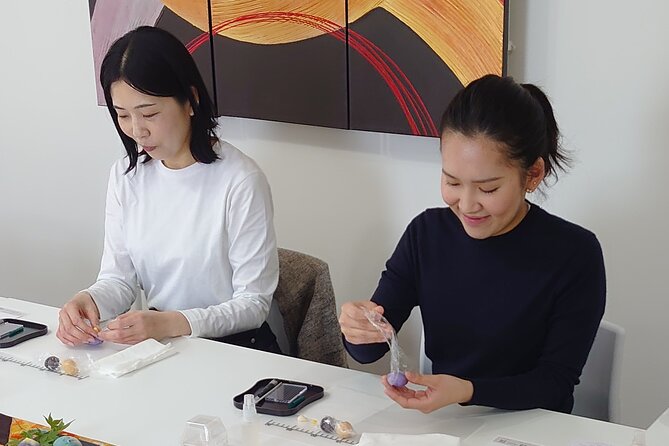
Book it if you want a high-skill craft you can actually do, with clear guidance, a small group, and the chance to create something that looks like it belongs with tea-ceremony culture. The photo-ready results and the recipes you take home are what make this class feel worth repeating.
Consider it carefully if you’re the type who hates getting directions a little wrong. Because the entrance can be tricky to locate, I’d plan to arrive early and double-check your final approach. With that small effort, the rest is straightforward: make the dough, color it, shape the flowers, then enjoy your wagashi.
If your Osaka plan includes good food and at least one activity that’s more than sightseeing, this class makes a lot of sense.
FAQ
How long is the wagashi making class?
The class runs for about 1 hour.
What is included in the class?
You will learn how to make nerikiri wagashi, including making the dough from scratch, coloring it, shaping decorative flower details, and garnishing the sweets. You also receive recipes to make Japanese sweets at home.
Where is the meeting point in Osaka?
The class meets at Banix北堀江 in Nishi Ward, Kitahorie, Osaka, at the listed address in the meeting point details.
Is the class near public transportation?
Yes, the meeting point is near public transportation.
How large is the group?
The class has a maximum of 8 travelers.
Is the wagashi vegan or vegetarian friendly?
Yes. The class notes wagashi can be enjoyed by vegans and vegetarians, using ingredients such as white bean paste and glutinous rice flour.
What wagashi will I make?
You will prepare nerikiri, a high-quality wagashi style typically used in the tea ceremony.
Can kids join?
Children must be accompanied by an adult.
Will I be able to follow the class in English?
Reviews mention the instructor, Fumi, had great English translations, and the instructions are described as clear.
What is the cancellation policy?
You can cancel for a full refund up to 24 hours before the experience starts.
Do I get confirmation after booking?
Confirmation is received within 48 hours of booking, subject to availability.
Just added around Osaka


Workshops, compared.

Sushi Making Osaka Roll and Authentic Japanese Sushi Class
Read our review →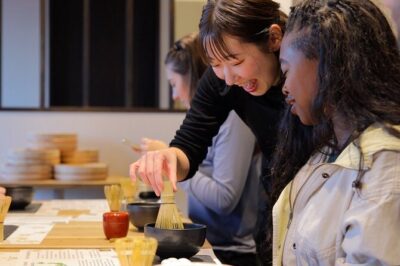
Matcha Making Class in Osaka with Authentic Japanese Sweets Set
Read our review →
Osaka Cooking Class: Okonomiyaki &Japanese cuisines experience
Read our review →
Roll and Authentic Sushi Making Class in Dotonbori
Read our review →