
Reviewed · COOKING CLASSES
Family Friendly Osaka Tempura Cooking Class
Osaka tempura, made with your own hands. This family-friendly cooking class is a practical way to get real restaurant technique, not just watch someone fry. I like that Max, a Japanese-American chef and restaurant owner, teaches in a clear, bilingual way, and I especially like that the class keeps you moving from learning to cooking to eating.
One thing to plan for is safety: kids under 16 cannot fry themselves, so younger children will mostly be watching and helping in other ways.
I also love the way the meal is built around what you can actually eat. Options are available for gluten-free, halal, vegan, vegetarian, and pescetarian diets, and you’ll still get the full set of sides like rice, miso soup, tea, and seasonal dessert. Add in the Osaka-kitchen vibe, plus a great view while you eat, and it makes the class feel like a mini food outing, not just a cooking stop.
In This Review
- Key Things to Know Before You Go
- Why Osaka Tempura Is a Skill Worth Learning
- Meeting Chef Max in Matsuyamachi, Osaka
- Inside the Kitchen: What the Class Flow Really Feels Like
- The Four Dishes You Make, Shrimp, Seasonal Veg, and Kakiage
- Frying Like a Pro, Safely, and Without Guesswork
- The Meal Part You Will Actually Remember
- Dietary Options That Make the Class Feel Flexible, Not Risky
- Price and Value: What $55.92 Buys You in Osaka
- Who This Tempura Cooking Class Is Best For
- Making the Most of Your 90 Minutes
- Should You Book This Family-Friendly Osaka Tempura Class?
- FAQ
- How much does the Osaka tempura cooking class cost?
- How long is the class?
- Where does the experience meet?
- Is a mobile ticket provided?
- How big is the group?
- Can the host accommodate dietary restrictions?
- Can children participate, and can they fry?
- What if I am late to the meeting point?
- What is included in the experience?
- What is the cancellation window?
Key Things to Know Before You Go
- Chef Max leads the class: Bilingual instruction in Japanese and English, with restaurant owner experience guiding the steps.
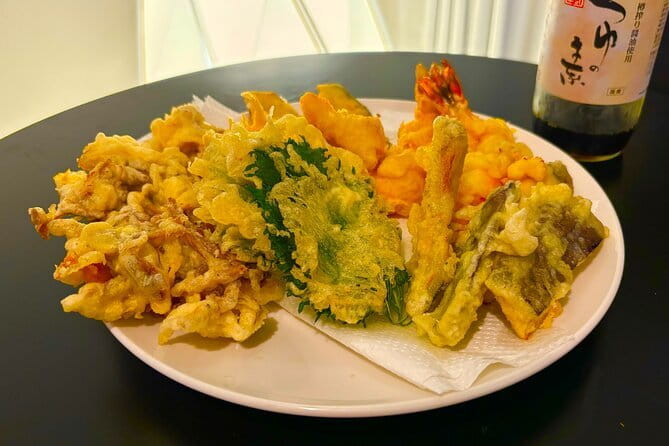
- You make four dishes: Shrimp, two seasonal vegetables, and kakiage, the crispy fried vegetable mix.
- You eat what you fry: Rice, miso soup, green tea, and seasonal dessert are part of the meal.
- Dietary needs are taken seriously: Gluten-free, halal, vegan, vegetarian, and pescetarian are supported if you inform the host in advance.
- Kids can join, with limits: Children age six and under can participate for free, but children under 16 cannot fry.
- Small group size: Maximum of 10 travelers, which usually means more attention at the cooking station.
Why Osaka Tempura Is a Skill Worth Learning
Tempura is one of those foods that seems simple until you try it yourself. The magic is in details like batter texture, oil temperature, and timing. In this class, the goal is not just to get a plate of fried food, but to help you understand the technique so you can repeat it later.
Osaka is a great place for this. The city has a strong food culture, and tempura fits right in as something you can enjoy casually, then get more sophisticated with. When you learn how shrimp and vegetables can come out light and crisp instead of heavy, it changes how you shop for ingredients and how you cook at home.
Other ways to spend a day in Osaka
- Osaka: Ramen and Gyoza Cooking Class in Dotonbori★ 5.0 · 378 reviews
- Osaka Cooking Class: Okonomiyaki &Japanese cuisines experience★ 5.0 · 261 reviews
- Ramen and Gyoza Cooking Class in Osaka★ 5.0 · 202 reviews
- Osaka Sake Tasting with Takoyaki Cooking★ 5.0 · 156 reviews
- Osaka Sake Tasting & Takoyaki Cooking Experience★ 5.0 · 149 reviews
Meeting Chef Max in Matsuyamachi, Osaka
The class starts at 3-27 Matsuyamachi, Chuo Ward, Osaka, 542-0067. It’s near public transportation, which matters because you likely have other Osaka plans the same day. You’ll meet the host at the meeting point, then head to Max’s kitchen.
If you’re running late, don’t panic, but do act fast. You’ll need to go directly to the venue, which is about a 5 to 7 minute walk from Matsuyamachi Station. Also, the host waits up to 15 minutes before the start time, so give yourself some buffer.
Inside, the kitchen sits in a shared building. That sounds minor, but it affects behavior: you should keep the space calm. Running, stomping, shouting, and other loud actions are strictly prohibited. It’s good to know because it keeps things safe and helps the cooking flow without chaos.
Inside the Kitchen: What the Class Flow Really Feels Like
This is a straightforward 90 minute format that moves with purpose. You arrive, get an overview of the recipe, then get to work making your meal. The structure is designed for families too, with clear steps and a group size capped at 10.
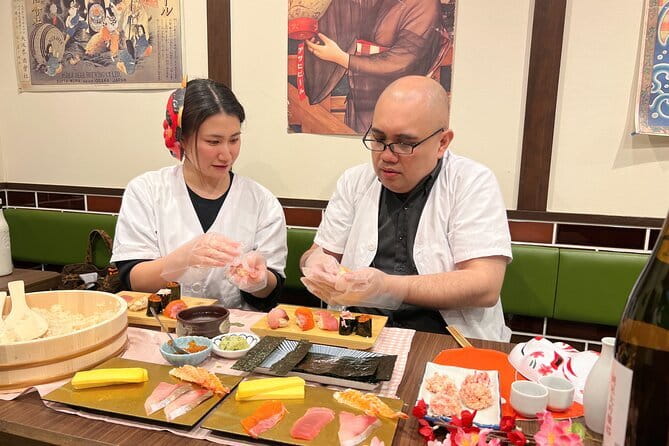
I like this style because cooking classes can get messy fast. Here, you’re not just observing. You’re learning the sequence and participating in the parts you can do, while Max guides you in both Japanese and English. That bilingual help matters if your Japanese is rusty, because you can still follow the why behind each step, not just the how.
The Four Dishes You Make, Shrimp, Seasonal Veg, and Kakiage
The menu is built to show different tempura styles without overwhelming you.
You’ll make:
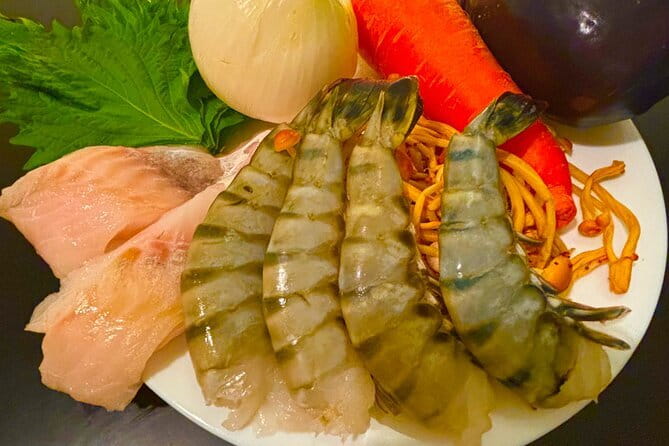
- Shrimp tempura
- Two seasonal vegetables
- Kakiage, a fried vegetable mix
Shrimp is the classic anchor. It’s also a good teaching tool because you can see how batter clings, how the shrimp texture stays tender, and how crispness forms quickly when oil temperature is right.
The two seasonal vegetables let you taste tempura with different textures, depending on what’s in season when you go. Even if you’re not a vegetable fanatic, tempura is one of the easiest ways to make vegetables feel fun and craveable.
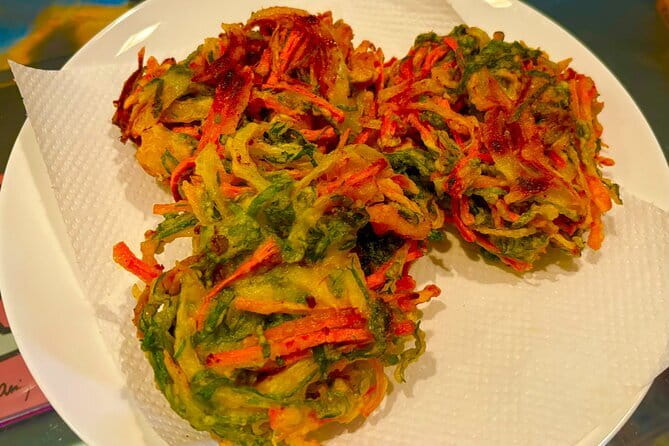
Then there’s kakiage, which is the crispy, irregular-edged cousin of standard tempura. It’s made by frying a mixture, so you get lots of crunchy bits in every bite. If you’ve only ever had tempura one way, kakiage is a great reminder that Japanese frying can be playful, not just formulaic.
Along with those tempura items, you’ll also prepare rice and miso soup, so you’re not leaving hungry or relying on outside food.
Frying Like a Pro, Safely, and Without Guesswork
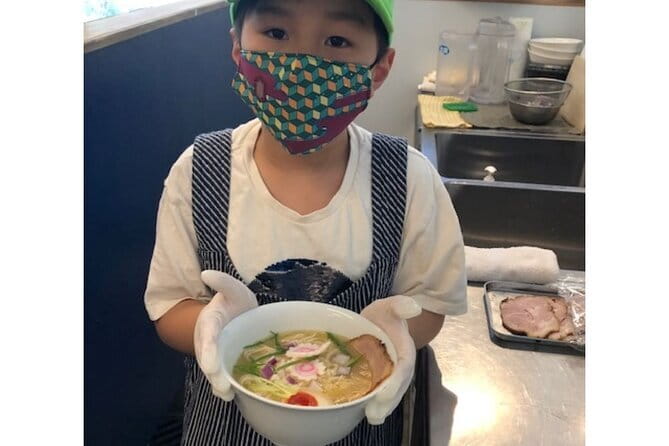
Tempura frying looks fast, but it is actually timing plus temperature control. In a good class, you learn how to avoid the most common home problems, like batter going greasy, or food staying undercooked, or everything getting soggy right away.
That’s what Max’s instruction is aiming for. You’ll get the overview of the recipe at the start, then make the dishes yourself with ingredients and utensils provided. The hands-on part matters because technique sticks better when you feel the batter consistency and watch the frying results.
There are also important safety rules that shape how the class runs. Children under 16 cannot fry anything themselves, so frying is handled by those old enough to manage hot oil safely. If you’re traveling with a multigenerational group, this is a sensible approach. It keeps the class safer and keeps you focused on learning without worrying.
Not ready to leave Osaka yet? A few more ways to fill the day.
- Osaka Go Karting Tour with Funny Costume
★ 5.0 · 2,658 reviews - Osaka Castle: Museum and Tower Entry Ticket
★ 4.5 · 2,380 reviews - Osaka: Shinsekai Food Tour with 13-15 Dishes at 5 Eateries
★ 4.8 · 2,204 reviews
The Meal Part You Will Actually Remember
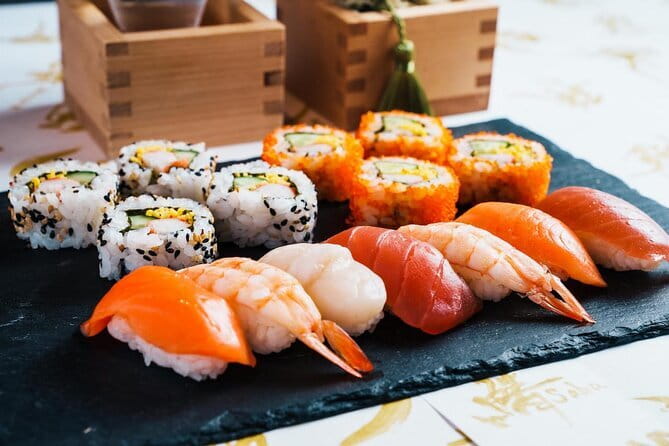
Here’s the payoff: you’ll eat what you cook. After frying, the class shifts into meal mode.
You’ll enjoy:
- Rice
- Miso soup
- Green tea
- Seasonal dessert
This is not just included as filler. It’s part of how Japanese meals make sense together. The rice and miso give you comfort and balance against the crisp, fried tempura. Green tea is a classic partner for fried foods, and it helps reset your palate between bites.
And the seasonal dessert gives you a satisfying end that feels connected to the meal rather than tacked on. I also like that you’ll eat while taking in an Osaka view. Even if you only have a short time in the city, it turns cooking into a real break in your sightseeing day.
Dietary Options That Make the Class Feel Flexible, Not Risky
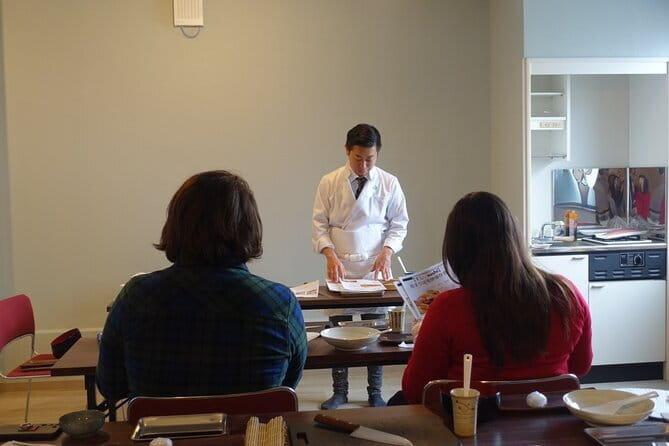
Food allergies and dietary restrictions can ruin plans fast when a class is strict or unclear. This one is more accommodating by design. The class can support gluten-free, halal, vegan, vegetarian, and pescetarian diets, as long as you inform the host in advance.
That last part is key. To make it truly work for you, send your dietary needs early during booking so Max can plan ingredients. If you’re gluten-free, for example, you’ll want the host to confirm the approach ahead of time so you can relax during the lesson.
This flexibility is one reason the class is a strong family choice. Everyone can participate in eating, not just watch.
Price and Value: What $55.92 Buys You in Osaka
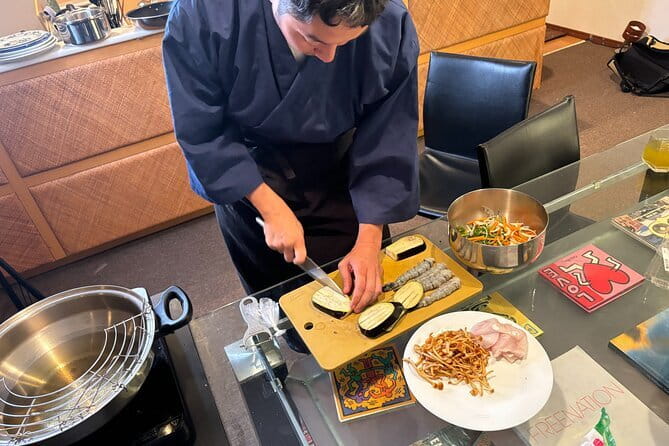
At $55.92 per person for about 1 hour 30 minutes, you’re paying for more than a meal. You’re paying for:
- A guided, bilingual cooking lesson led by an experienced restaurant owner
- Ingredients and utensils for a complete tempura meal
- A dining experience with rice, miso soup, green tea, and seasonal dessert
- Recipes and souvenirs you can take home
Cooking classes vary wildly in what they include. Some are heavy on watching and light on eating. Here, you do the work, you eat, and you leave with take-home materials. That makes the price feel more fair for a family, especially because small group size means the host can keep things running smoothly for a limited number of people.
Also, the class is close to public transport. That helps your overall budget because you may not need taxis just to reach the kitchen.
Who This Tempura Cooking Class Is Best For
This is a strong match if you want food with a hands-on story.
You’ll like it if:
- You want restaurant-style tempura technique without needing Japanese fluency
- You’re traveling with family and want a structured activity
- You care about dietary options and want support for gluten-free, vegan, halal, or vegetarian needs
- You want something short and contained, 1 hour 30 minutes, that fits into an Osaka itinerary
You might think twice if:
- You’re hoping to put very young kids directly at the fryer. Children under 16 cannot fry.
- You expect a loud, high-energy activity. The shared kitchen environment has strict rules against running and shouting.
Making the Most of Your 90 Minutes
With any cooking class, the small habits make the biggest difference.
Plan to arrive on time. The host waits up to 15 minutes at the meeting point, then you’ll need to head directly to the venue if you’re late. Wear comfortable clothes that you can stand in for a while, and keep your expectations realistic. This is a cooking lesson, not a private chef show, so you’ll follow the class rhythm and the group flow.
If you bring kids, set expectations early. They can join, and kids age six and under can participate for free if you inform the booking. But they won’t be frying, so the best mindset is learning and tasting together.
Finally, tell Max about your dietary restrictions clearly. It’s what makes the class smooth and safe for your specific needs.
Should You Book This Family-Friendly Osaka Tempura Class?
I’d book it if you want an Osaka food experience that is practical, structured, and genuinely useful. The biggest wins for me are the bilingual instruction from Chef Max, the chance to make multiple tempura items including kakiage, and the fact that your class meal includes sides like rice and miso soup, plus tea and seasonal dessert.
The main tradeoff is age and fryer access. If you’re traveling with teens and adults, that’s no issue. If you’re hoping kids under 16 will fry, you’ll need to choose a different kind of activity or adjust your expectations.
If that setup sounds right for your group, this is a great way to turn one meal into a skill, a story, and a take-home recipe you can actually use.
FAQ
How much does the Osaka tempura cooking class cost?
The price is $55.92 per person.
How long is the class?
It runs about 1 hour 30 minutes.
Where does the experience meet?
The start point is 3-27 Matsuyamachi, Chuo Ward, Osaka, 542-0067, Japan, and the activity ends back at the meeting point.
Is a mobile ticket provided?
Yes, it includes a mobile ticket.
How big is the group?
The class has a maximum of 10 travelers.
Can the host accommodate dietary restrictions?
Yes. The class can accommodate gluten-free, halal, vegan, vegetarian, and pescetarian diets, as long as you inform the host in advance.
Can children participate, and can they fry?
Children age six and under can participate for free if you inform the booking. However, children under 16 cannot fry anything themselves.
What if I am late to the meeting point?
If you are late, you should notify the host. You’ll have to go directly to the venue, which is a 5 to 7 minute walk from Matsuyamachi Station.
What is included in the experience?
Included are the bilingual instructor, ingredients and utensils to make the tempura meal, plus recipes and souvenirs to take home.
What is the cancellation window?
You can cancel for a full refund up to 24 hours before the experience starts. Free cancellation is offered.
Just added around Osaka


Cooking Classes, compared.
Osaka Cooking Class: Okonomiyaki &Japanese cuisines experience
Read our review →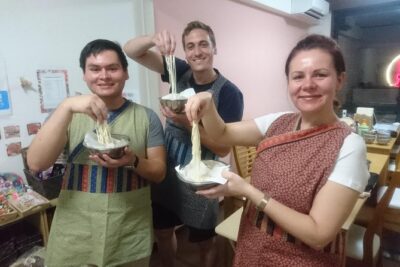
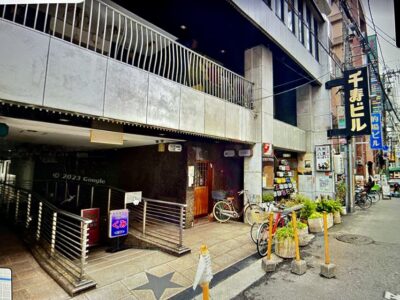
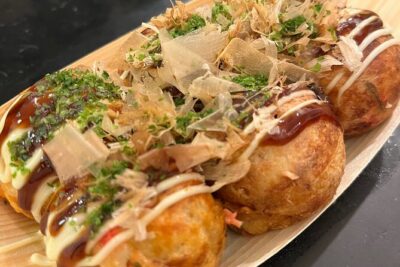
Osaka Sake Tasting & Takoyaki Cooking Experience
Read our review →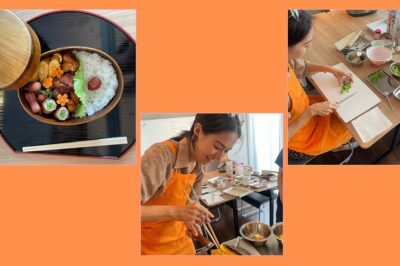
Cooking Ramen&Gyoza/KatsuCurry/Bento/Okonomiyaki+Store Tour@Osaka
Read our review →
Eat Osaka: Street Food Cooking in an Authentic Kitchen!
Read our review →This tour also fits