Reviewed · WORKSHOPS
Kintsugi Workshop: Beauty in Brokenness
A broken cup can turn into a work of art. This Osaka kintsugi workshop teaches the meaning of repair, not replacement, using hands-on steps that create the classic gold-vein look. You’ll work in a real artisan studio and finish with a restored piece you can keep.
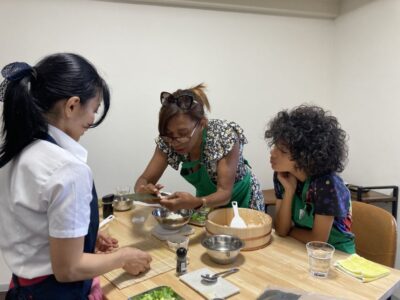
I especially like the guided, step-by-step craft time with Tomoko-san and her team. I also like that it is not just a demonstration, you actually handle the materials, bond the broken areas, and dust the finish so you leave with something genuinely made by your hands.
One thing to consider: the pottery you repair comes from a selection of broken pieces, so if you are very picky about shape or color, you may want to plan for that reality.
In This Review
- Quick hits: what makes this kintsugi class worth your time
- Kintsugi in plain terms: why broken things get gold
- Finding the studio in Osaka: convenient transit, small group energy
- Your 3-hour flow: from broken pottery choice to gold-flecked finish
- What you will actually use: lacquer, resin, and silver-based gold powder
- Choosing your pottery: the selection helps, but it may limit your picky side
- Take-home results: what you leave with and how to use it
- Price and value: $97.73 for a full craft session
- Logistics that matter: starting at 3:00 pm and planning your day
- Who should book this kintsugi workshop in Osaka
- Should you book Kintsugi Beauty in Brokenness?
- FAQ
- How long is the Kintsugi workshop in Osaka?
- What is included in the price?
- Do I need any experience with crafts?
- Where is the meeting point?
- How many people are in a group?
- What is the cancellation policy?
Quick hits: what makes this kintsugi class worth your time
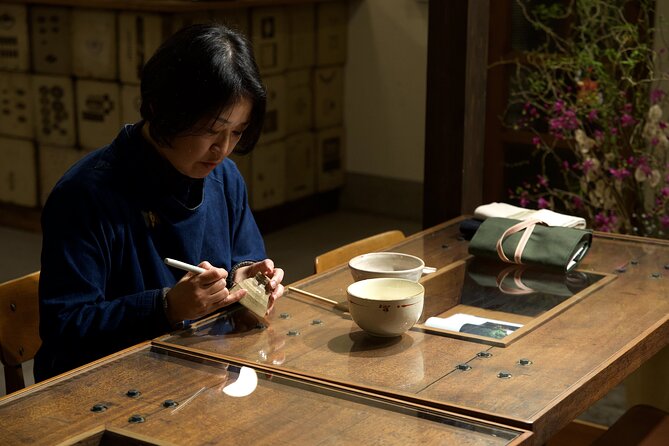
- Real artisan studio setting in Osaka, not a classroom-style demo
- Small group size (max 8), which keeps the instruction personal
- You do the main work, including lacquer bonding, resin filling, and gold dust finishing
- Materials included, so you arrive empty-handed and start right away
- Take-home piece, safely finished and wrapped for the trip back
Kintsugi in plain terms: why broken things get gold
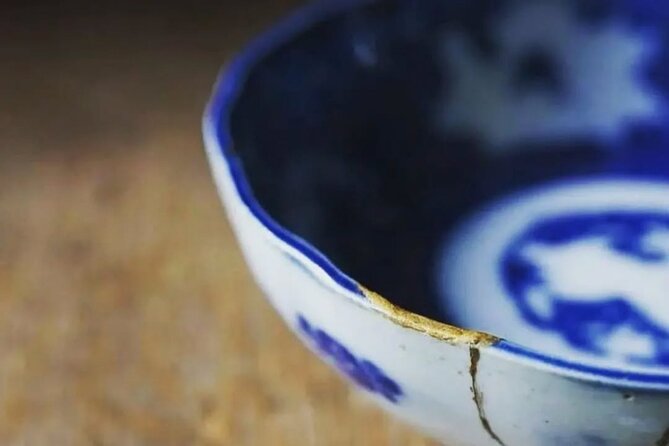
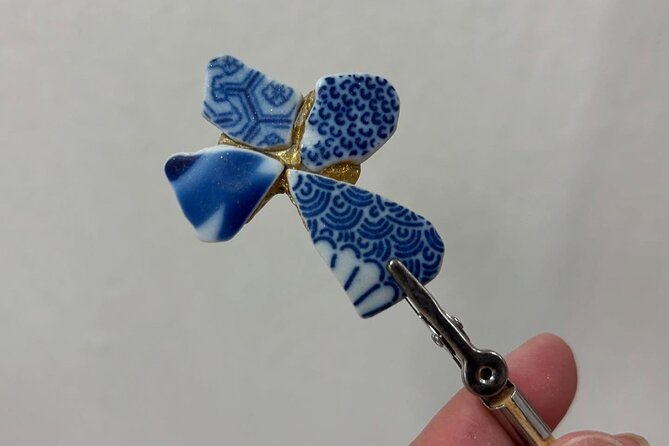
Kintsugi means joined by gold. In practice, it is a Japanese repair method that treats damage as part of an object’s life. Instead of hiding cracks, you emphasize them with lacquer and metal powder so the repaired lines look intentional and even beautiful.
Under the surface, the idea ties into wabi-sabi, the way Japanese culture often values impermanence and imperfection. That can sound poetic, but the workshop keeps it practical. You’ll learn a process for turning a broken pottery moment into a new design, one you can actually see and feel.
If you like experiences that teach a mindset you can use later, this is one of those. The craft itself is satisfying, and the philosophy helps you notice a shift: repair can be a form of care.
Other ways to spend a day in Osaka
- Sushi Making Osaka Roll and Authentic Japanese Sushi Class★ 5.0 · 1,220 reviews
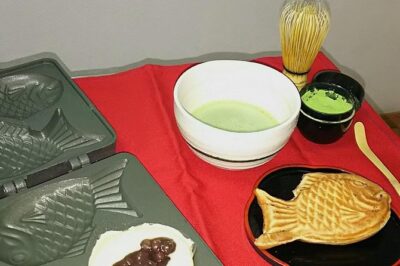
- Matcha Making Class in Osaka with Authentic Japanese Sweets Set★ 5.0 · 509 reviews
- Osaka: Ramen and Gyoza Cooking Class in Dotonbori★ 5.0 · 378 reviews
- Osaka Cooking Class: Okonomiyaki &Japanese cuisines experience★ 5.0 · 261 reviews
- Osaka: Roll and Authentic Sushi Making Class in Dotonbori★ 4.9 · 239 reviews
Finding the studio in Osaka: convenient transit, small group energy
The meeting point is at 102, 1-chōme-4-18 Shigita, Joto Ward, Osaka, 536-0015, Japan, and the start time is 3:00 pm. The venue is described as near public transportation, and people say it is an easy ride on the Osaka Loop train to reach the studio area.
This is not a large-scale workshop. There is a maximum group size of 8, and the tone is relaxed and focused. In one of the standout moments people describe, there was even a session where there was only one participant with the kintsugi masters, which tells you the instruction can feel calm and unhurried.
For your planning, that small-group feel matters. When you are working with lacquer, resin, and powder, you want time to ask questions and adjust your pace. You are not forced to rush through steps just to make room for the next group.
Your 3-hour flow: from broken pottery choice to gold-flecked finish
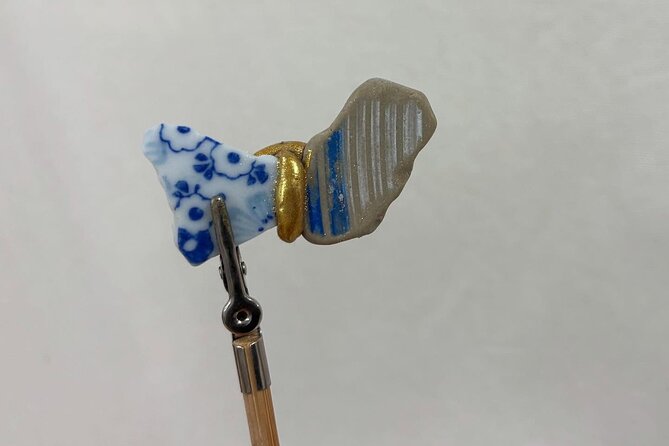
The workshop runs about 3 hours and follows a clear sequence. Here is what you can expect, step by step.
First, you choose a piece of broken pottery from the studio’s available selection. You are not expected to bring your own item, and the experience includes access to broken pieces for repair. That choice sets your expectations, because the final look depends a lot on the shape and where the missing fragments are.
Next comes the bonding stage. You’ll learn to bond broken pottery pieces using synthetic lacquer. This is the step that reconnects the parts so the object becomes whole enough to proceed.
Then you fill missing areas with resin. Resin helps create continuity where pieces are gone, so the repair is not just a line, it is a completed surface.
Finally, you finish with powder. You dust the piece with silver-based golden powder, which creates the signature metallic repair effect. The goal is not to make it disappear. The goal is to make the repair look like it belongs.
When the time is done, you leave with your restored piece. One person specifically noted taking home a safely wrapped teacup, which is what you want in a workshop like this. Even if you do not know what you are doing at the start, the studio provides what you need and teaches you as you go.
What you will actually use: lacquer, resin, and silver-based gold powder
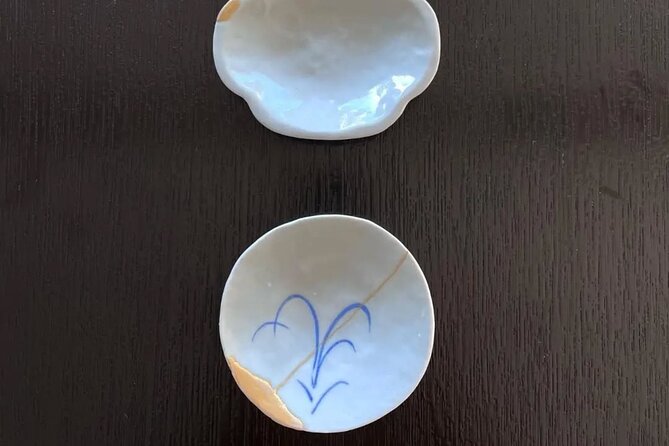
A lot of craft classes tell you about materials. This one uses them. The process calls for synthetic lacquer to join broken pottery, resin for missing fragments, and silver-based gold powder for the final visual effect.
Why that matters for you: these aren’t just art supplies, they are the heart of kintsugi’s look and meaning. The lacquer provides the bonding structure, resin shapes the repaired areas, and the powder creates the high-contrast “gold joined” aesthetic that turns cracks into decoration.
Also, the workshop provides all tools and materials. You do not have to hunt down brushes or powders before you arrive. That is part of the value, because paying for a workshop is one thing, but paying to be supplied is the difference between a smooth experience and a frustrating scavenger hunt.
The studio environment is described as relaxed and focused, so you can work at a comfortable pace. That helps a lot if you are not a confident craft person.
Choosing your pottery: the selection helps, but it may limit your picky side
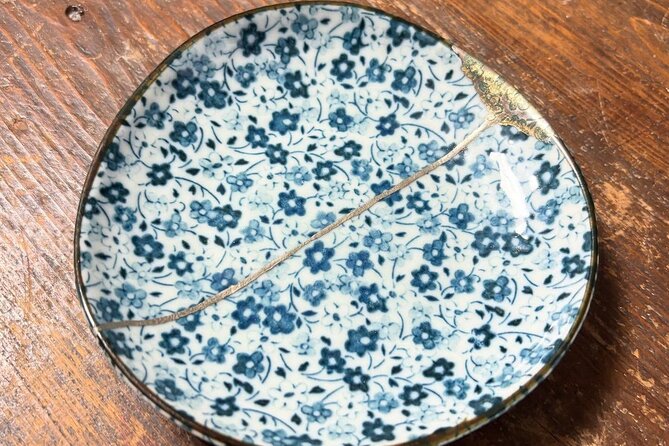
Here is the practical reality: you repair a piece chosen from the studio’s assortment of broken pottery. The selection is included, and it is designed so most people can participate without stress.
Still, one concern showed up in feedback. A participant wished there had been more broken pieces to choose from, and suggested bringing your own broken dish if you care about a specific color or shape. That tip makes sense, because when you are aiming for a particular aesthetic outcome, starting with the perfect base helps.
So here is how to approach it:
- If you want to learn the technique and enjoy the meaning, the studio selection is likely a great fit.
- If you have a strong idea of what you want your final piece to look like, you might want to bring your own broken item. Only do this if your experience allows it, since your class information here focuses on choosing from the studio selection.
Either way, your final result will be unique. Kintsugi is supposed to show the object’s history, not erase it.
Not ready to leave Osaka yet? A few more ways to fill the day.
- Osaka Go Karting Tour with Funny Costume
★ 5.0 · 2,658 reviews - Osaka Castle: Museum and Tower Entry Ticket
★ 4.5 · 2,380 reviews - Osaka: Shinsekai Food Tour with 13-15 Dishes at 5 Eateries
★ 4.8 · 2,204 reviews
Take-home results: what you leave with and how to use it
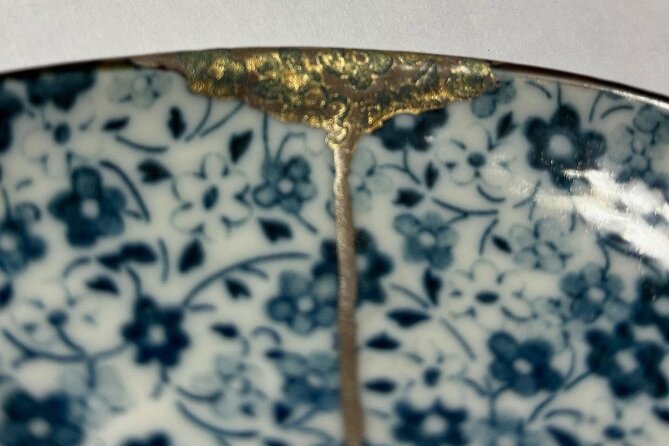
You leave with your completed kintsugi piece to take home. That is the big difference between a souvenir craft and a real workshop. You are not buying a finished object, you are making one, even if you are new to the technique.
People also mention that the studio wraps the item safely for the journey. That matters because you are carrying something made from repaired breaks, so packaging quality is not a detail, it is part of the experience.
Some participants also mention receiving photos after the event. That is not something you should count on every time, but it is a nice touch if it is offered during your session.
What I’d do with your piece once you get home: treat it as a display object. Even if it looks functional, remember it started as something broken, and the workshop’s focus is on repair art and tradition, not on turning it into a factory-grade everyday item.
And emotionally? This is where the philosophy sticks. A crack becomes a story. You get to keep that story on your shelf, desk, or in your kitchen.
Price and value: $97.73 for a full craft session
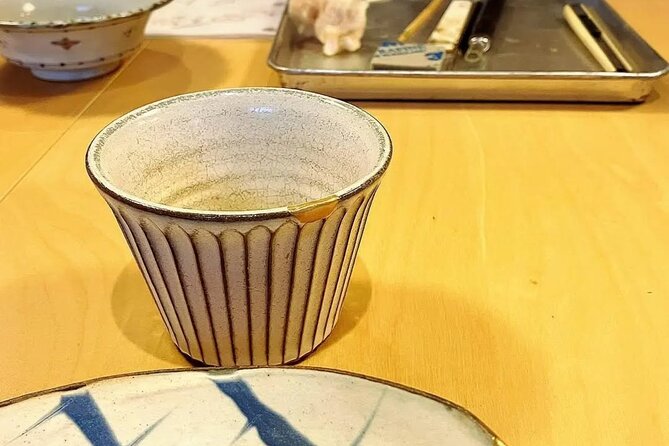
The price is $97.73 per person, and the class runs for about 3 hours. On average, it is booked 20 days in advance, which suggests a steady demand for hands-on artisan activities in Osaka.
To judge value, look at what you get for that price:
- Instruction from a professional artisan (Tomoko-san is specifically named in feedback)
- All materials and tools, including lacquer, resin, and powder
- A pottery piece to repair from the studio selection
- Your completed kintsugi item to take home
- A history and philosophy overview of kintsugi
When you add it up, this is not a cheap ticket for a quick demo. It is closer to a guided workshop plus a finished artwork. If you enjoy crafts, this is exactly the sort of experience where paying a bit more makes sense because you are not just watching, you are doing.
Also, with a maximum of 8 people, you are not paying for elbow-to-elbow crowd energy. You’re paying for time and attention while you make something yourself.
Logistics that matter: starting at 3:00 pm and planning your day
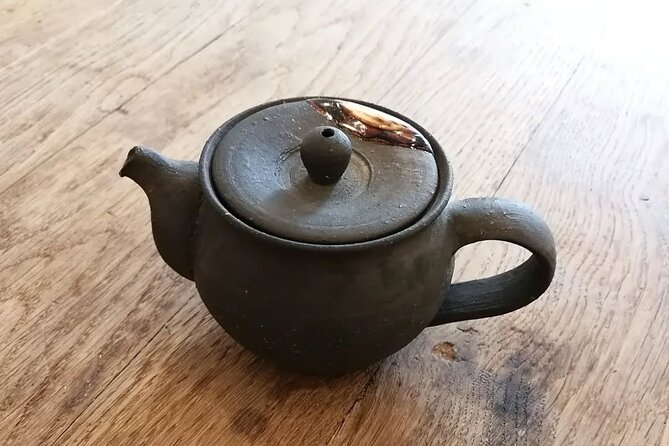
Start time is 3:00 pm, and the activity ends back at the meeting point. That makes it easy to plug into a day in Osaka. Since the workshop is about 3 hours, plan for about 3.5 hours from arrival to leaving, plus time to get there.
Transportation is on you, but the location is near public transportation. People say it is easy to reach via the Osaka Loop train. If you are doing other Osaka sights the same day, schedule a nearby lunch and keep your evening flexible.
Finally, this experience requires good weather. If weather is poor, you may be offered a different date or a full refund. For Japan summer or rainy seasons, I’d keep backup plans in mind.
Who should book this kintsugi workshop in Osaka
This class fits best if you:
- Want a hands-on craft that teaches technique, not just sightseeing
- Like meaningful cultural traditions that connect to how people think about imperfection
- Enjoy small-group instruction and slower, focused time
- Are willing to accept that your repaired piece depends on the studio’s selection
It may not be your best match if you want a big, multi-stop tour with lots of moving around. This is about the workshop itself, and the value is in the time you spend repairing and finishing.
Also, if you want to repair a very specific item, consider the earlier tip about bringing your own broken piece, since selection size may feel limited for very particular preferences.
Should you book Kintsugi Beauty in Brokenness?
I think you should book it if you want a memorable Osaka activity that is creative, tactile, and quietly powerful. The combination of an artisan studio setting, a small group size, and real instruction with lacquer, resin, and silver-based gold powder is exactly what makes this kind of workshop feel authentic.
The biggest reason I’d lean yes is that you leave with something you made, not just photos. And the biggest reason to pause is the pottery choice. If you are extremely picky about shape and color, you might need a more flexible expectation or plan to bring your own broken item (only if your workshop supports that).
If you have the afternoon free and you like hands-on culture, this is a strong buy at $97.73, because the materials, guidance, and take-home piece are all part of the package.
FAQ
How long is the Kintsugi workshop in Osaka?
It runs for about 3 hours.
What is included in the price?
The workshop includes hands-on instruction by a professional artisan, all necessary tools and materials, access to broken pottery pieces to repair, an overview of kintsugi history and philosophy, and you take your completed piece home.
Do I need any experience with crafts?
No experience is required. The tools and materials are provided, and you are guided through the process.
Where is the meeting point?
The meeting point is 102, 1-chōme-4-18 Shigita, Joto Ward, Osaka, 536-0015, Japan. It is near public transportation.
How many people are in a group?
The workshop has a maximum of 8 travelers.
What is the cancellation policy?
You can cancel for a full refund up to 24 hours before the experience starts. If you cancel less than 24 hours before, the amount paid is not refunded. If it is canceled due to poor weather, you will be offered a different date or a full refund.
Just added around Osaka


Workshops, compared.

Sushi Making Osaka Roll and Authentic Japanese Sushi Class
Read our review →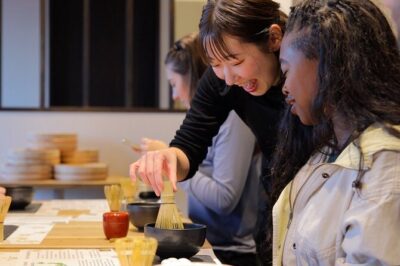
Matcha Making Class in Osaka with Authentic Japanese Sweets Set
Read our review →
Osaka Cooking Class: Okonomiyaki &Japanese cuisines experience
Read our review →
Roll and Authentic Sushi Making Class in Dotonbori
Read our review →