
Reviewed · COOKING CLASSES
Master Washoku: 5 Core Techniques for Authentic Cooking
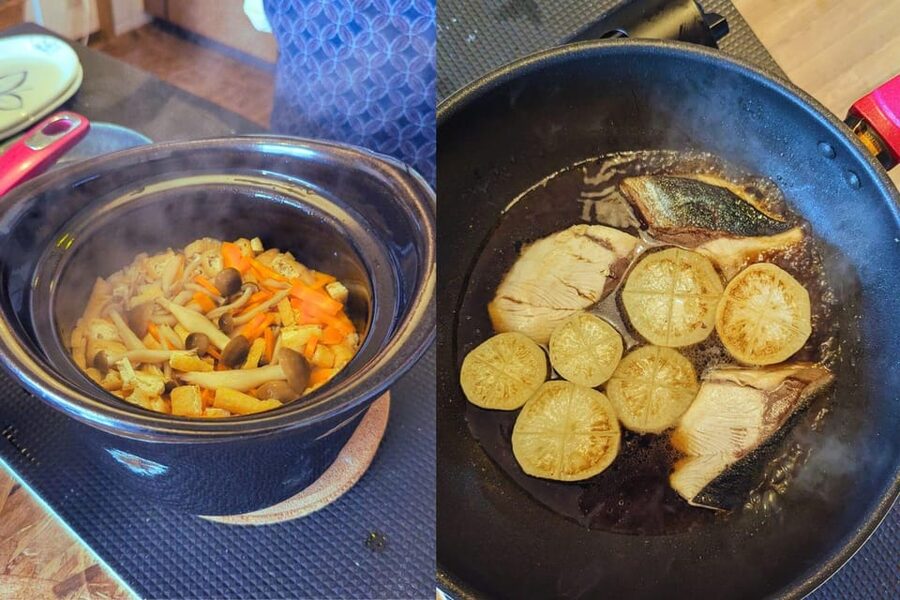
Osaka teaches you washoku the practical way. In this hands-on class with a Michelin-trained chef, you do not just watch recipes, you cook five authentic Japanese snacks while learning flavor-building methods that go way beyond sushi and tempura. I especially like how the lesson uses familiar pantry staples like soy sauce, mirin, and sake, so the skills feel usable at home.
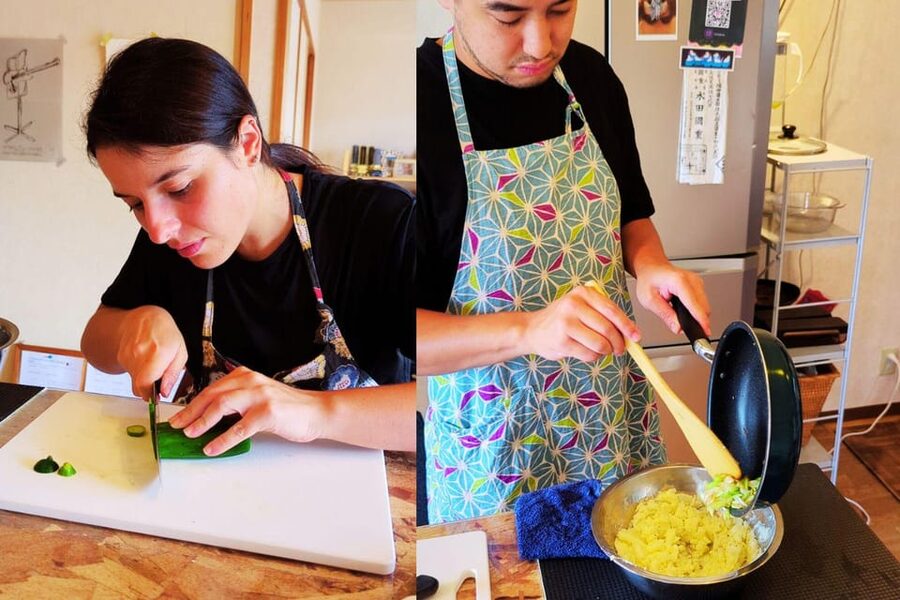
The vibe is relaxed, and Yuki stays attentive without hovering. I also like that the small group stays limited to 4 people, so you get real feedback while you work through grilling, simmering, marinating, and pickling. One thing to plan around: transportation is not included, and the meeting point can vary depending on your option.
In This Review
- Key Highlights Worth Your Time
- Why This Washoku Class Works for Real Home Cooking
- Small-Group Comfort in a Central Osaka Apartment
- The Core Techniques You Practice, Not Just Memorize
- Your Menu: Five Snacks That Teach Washoku from Different Angles
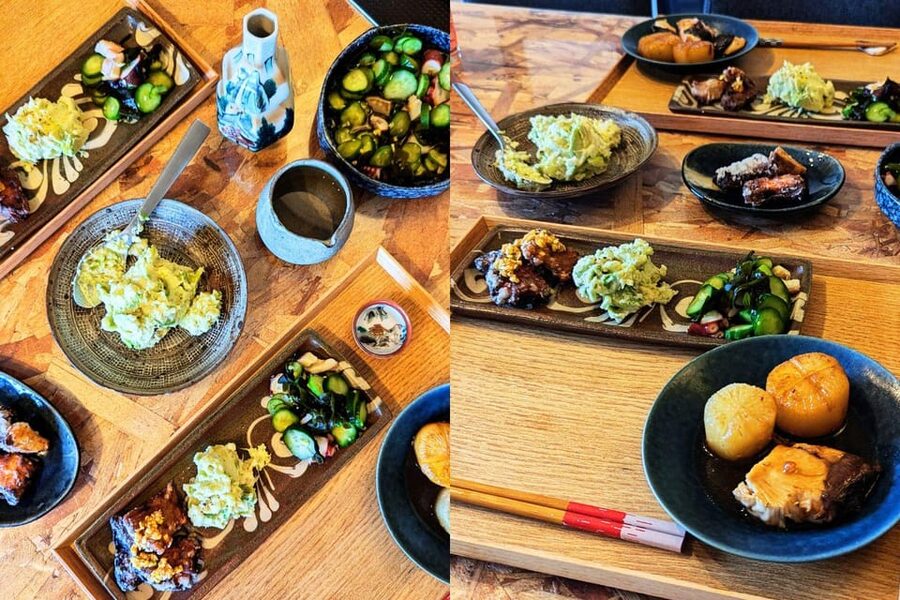
- 1) Wasabi Garlic Potato Salad
- 2) Octopus and Cucumber Vinegar Salad
- 3) Fish Tatsuta-age with Scallion Sauce
- 4) Simmered Yellowtail with Daikon
- 5) Mixed Rice Onigiri
- Optional Premium Sake Tasting, Chill and Warm Comparisons
- Chef Coaching and the Calm, Helpful Pace with Yuki
- Price and Value at $109 for 3 Hours of Cooking
- Who This Class Fits Best, and Who Should Skip It
- Should You Book Master Washoku in Osaka?
Key Highlights Worth Your Time
- Michelin-trained chef instruction in Osaka, focused on real technique, not just plating
- Five Japanese snacks cooked hands-on, tied directly to core washoku methods
- Classic flavor building blocks like soy sauce, mirin, and sake, explained in practical terms
- Optional premium sake tasting with temperature contrast, chilled Junmai vs Junmai Ginjo, plus warm sake
- Small-group size (max 4) for quicker help when something goes off track
- Useful takeaways like digital photos, plus aprons, water, and tea to keep you comfortable
Why This Washoku Class Works for Real Home Cooking
Japanese food gets labeled in easy buckets. Sushi. Tempura. Maybe ramen if you are feeling brave. But washoku is bigger than that, and it shows up in everyday dishes built from balance: salty, sweet, sour, and umami tuned to the ingredient and the season.
What I like about this class is that it teaches you the framework behind the flavors. You learn how to shape taste using the big washoku tools, not just memorizing five finished recipes. That means you get practice with methods like grilling, simmering, marinating, and pickling, then you apply those methods immediately to what is on your menu.
Also, this is not a lecture hall. You are working with ingredients, tasting, and adjusting along the way. That matters because Japanese cooking is often about small corrections, like how you time a simmer or how you balance a sauce. You cannot fake that with screenshots.
And yes, the chef background adds credibility. This lesson is taught by a chef with Michelin training, and the teaching style reflects that. Clean steps, clear goals, and a focus on the details that change flavor.
Other ways to spend a day in Osaka
- Osaka: Ramen and Gyoza Cooking Class in Dotonbori★ 5.0 · 378 reviews
- Osaka Cooking Class: Okonomiyaki &Japanese cuisines experience★ 5.0 · 261 reviews
- Ramen and Gyoza Cooking Class in Osaka★ 5.0 · 202 reviews
- Osaka Sake Tasting with Takoyaki Cooking★ 5.0 · 156 reviews
- Osaka Sake Tasting & Takoyaki Cooking Experience★ 5.0 · 149 reviews
Small-Group Comfort in a Central Osaka Apartment
This class takes place in a comfortable apartment near central Osaka on Honshu. If you are used to crowded tour groups, you will feel the difference right away. The group is capped at 4 participants, and that keeps the pace calm. You get room to work, and the chef can actually notice what you are doing.
The duration is a focused 3 hours. It is long enough to learn, cook, and eat everything you make. It is not so long that you feel stuck in the chair while the class drags.
Timing is another practical point. The meeting point can vary based on the option you book, and transportation to the venue is not included. That is the main logistics consideration. If you are planning your Osaka day, give yourself a little buffer so you do not arrive stressed. Once you are inside, you will have complimentary water and tea, plus aprons and digital photos of your experience.
Language support is also built in. Instruction is available in English and Japanese, so you should not feel like you are translating everything in your head. If you want to ask questions, you can.
The Core Techniques You Practice, Not Just Memorize
A lot of cooking classes stop at recipes. This one is structured around five core techniques that map to real washoku cooking.
Here is what that means in plain terms for you:
- Grilling teaches how to manage heat and timing so flavors develop without going harsh.
- Simmering is where Japanese cooking gets gentle but deep. You learn to cook until ingredients become tender and sauce clings properly.
- Marinating shows how flavor can soak in and also how to avoid overpowering the ingredient.
- Pickling is about balance. Vinegar or acid needs support from sweetness and seasoning so the bite stays clean, not sharp.
- Flavor balancing through sauces and ingredients like soy sauce, mirin, and sake gives you the repeatable part you can use again later.
What you take home is not just what to cook, it is how to think while cooking. When you practice these methods in the context of dishes you actually eat, they stick.
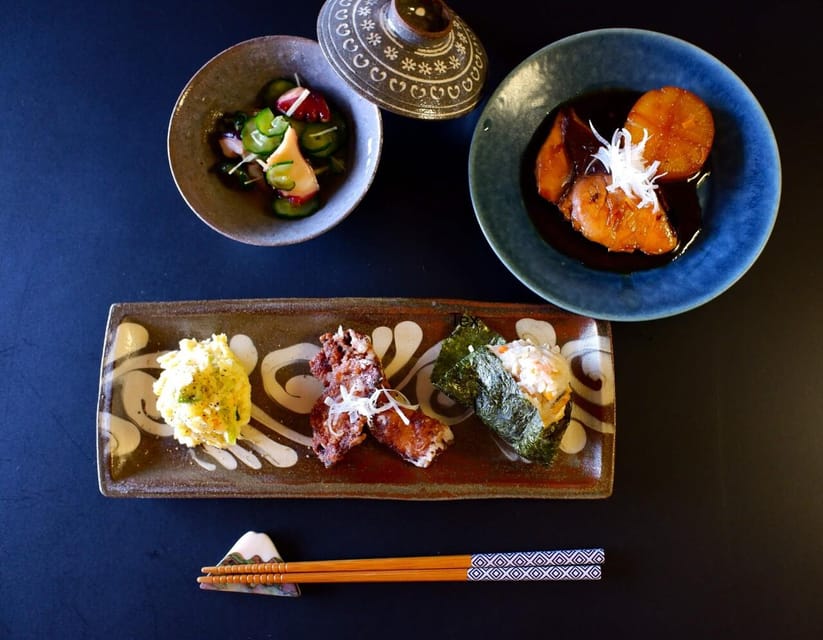
And the menu is designed to force variety. You will go from cool vinegar salad to crispy-feeling fish with scallion sauce to a simmered yellowtail dish, then finish with onigiri. That variety is useful because it trains your palate and your technique switches smoothly.
Your Menu: Five Snacks That Teach Washoku from Different Angles
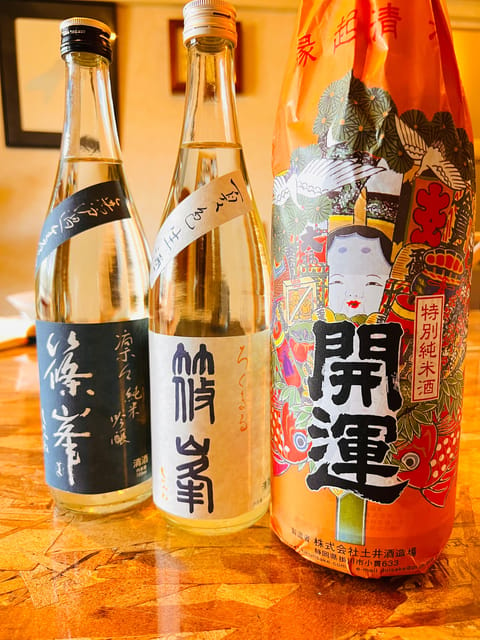
You will cook five dishes over the course of the class. Each one is a mini lesson.
1) Wasabi Garlic Potato Salad
This is an izakaya-style favorite with a spicy kick from wasabi and punch from garlic. Why it matters: potato salads can get bland fast if the seasoning is not strong enough or if the balance is off. You learn how to make the flavor bold without turning it into something one-note.
If you love bold side dishes with drinks, this one is a good anchor. It also helps you understand how heat and aroma interact in Japanese seasoning, especially when wasabi is part of the mix.
Not ready to leave Osaka yet? A few more ways to fill the day.
- Osaka Go Karting Tour with Funny Costume
★ 5.0 · 2,658 reviews - Osaka Castle: Museum and Tower Entry Ticket
★ 4.5 · 2,380 reviews - Osaka: Shinsekai Food Tour with 13-15 Dishes at 5 Eateries
★ 4.8 · 2,204 reviews
2) Octopus and Cucumber Vinegar Salad
This dish teaches the logic of Japanese vinegar salads. You learn how to make it refreshing and balanced, not sour for sour’s sake. Pickling and vinegar technique are baked into this course, even if you are not making traditional long-fermented pickles.
Cucumber brings cooling crunch, while octopus supports that savory depth washoku is known for. The result is a dish that feels like a palate reset between richer bites.
3) Fish Tatsuta-age with Scallion Sauce
Here the focus shifts to seasoning and creating an appetizer-ready texture. Tatsuta-age style fish is built for eating with sake, and the scallion sauce adds freshness and aroma.
Practical win for you: this teaches how to season fish so it does not taste flat. It is also a reminder that Japanese flavor often leans on subtle additions, like green herbs and layered sauce, rather than heavy-handed spices.
4) Simmered Yellowtail with Daikon
This is classic comfort with technique. You learn how to cook daikon tender and how to get the yellowtail right in a simmered preparation.
Why it is valuable: simmering is one of the easiest ways to create depth at home, but it is also easy to mess up by cooking too aggressively or not allowing enough time. This dish trains your timing sense and shows you how Japanese simmered flavors come from careful heat control and proper seasoning.
5) Mixed Rice Onigiri
You finish with onigiri made from seasoned mixed rice. This part is more than shaping. It teaches rice seasoning and gives you a practical way to use leftovers or build a quick savory snack.
You will learn how to shape it into onigiri, which is the kind of skill that feels simple once you do it, but surprisingly hard to get right without guidance. The best part is that onigiri is portable. Once you learn it here, you can use the method for lunches back home.
Optional Premium Sake Tasting, Chill and Warm Comparisons
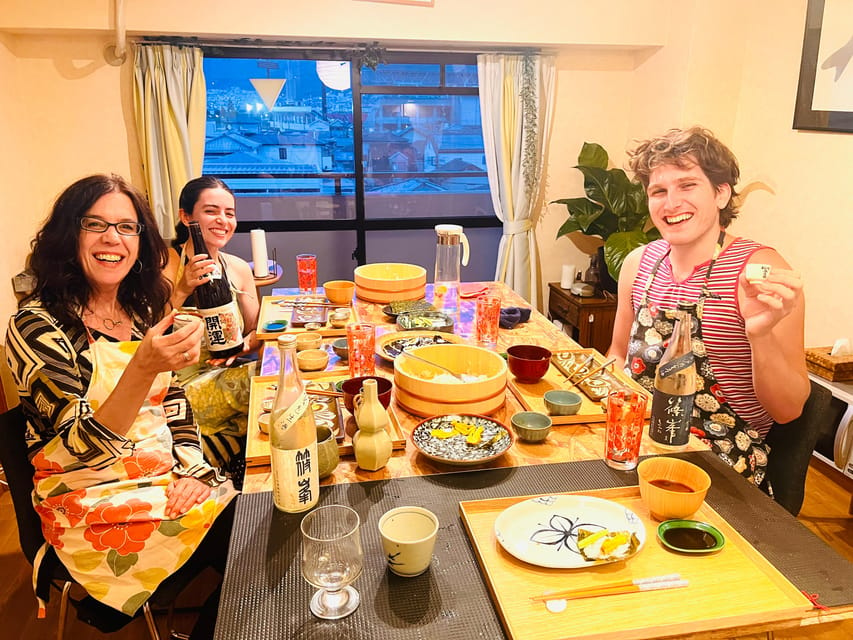
If you add the sake tasting, you will taste three premium sakes: two chilled sakes and one warm sake. The chilled pair comes from the same brand, with one being Junmai and the other Junmai Ginjo. The warm one lets you taste how flavor changes when temperature changes.
That structure is actually smart. It avoids the chaos of guessing which factors matter. You compare within the same brand when chilled, then you test temperature as the variable by trying a warm pour.
Practical advice if you choose the tasting: pace yourself. You are also eating the dishes you cooked, so you will want to enjoy the flight without feeling rushed. The tasting is guided, so you can ask what to notice while you sip.
Chef Coaching and the Calm, Helpful Pace with Yuki
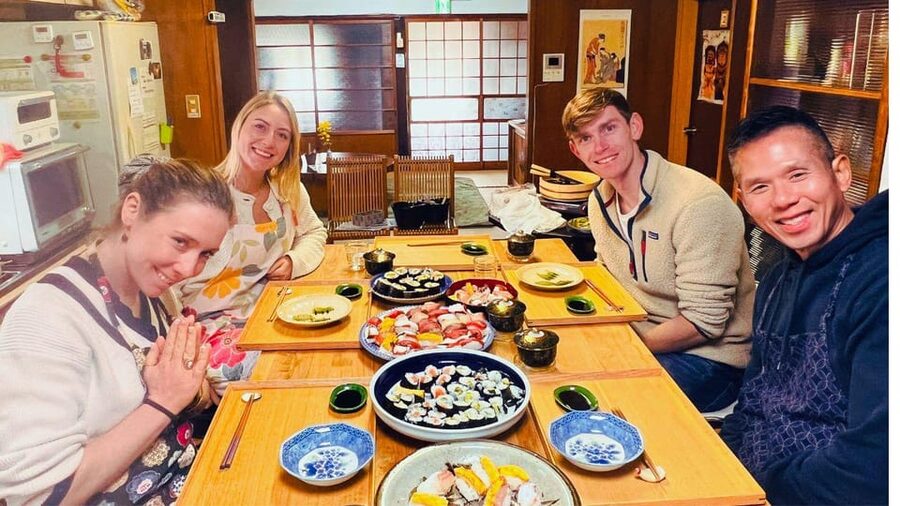
This experience credits a Michelin-trained chef, but the day-to-day teaching feel comes from the host and instructor, Yuki.
What I like about this kind of class is that Yuki can keep things friendly and efficient at the same time. The class environment stays relaxed, yet you still get lots of tips and tricks. That combination is rare. It means you do not feel like you are in a pressured competition, but you also do not get vague instructions that leave you guessing.
Because the group is small, Yuki can be attentive to the details that matter for your specific dish. If your vinegar salad tastes off, you can ask why. If your simmered dish needs more tenderness, you can learn what to look for.
One more thing: the chef speaks English and Japanese. Even if you do not speak Japanese, you can still follow along with confidence. If you prefer to use Japanese terms for ingredients like soy sauce, mirin, or sake, you can too.
Price and Value at $109 for 3 Hours of Cooking
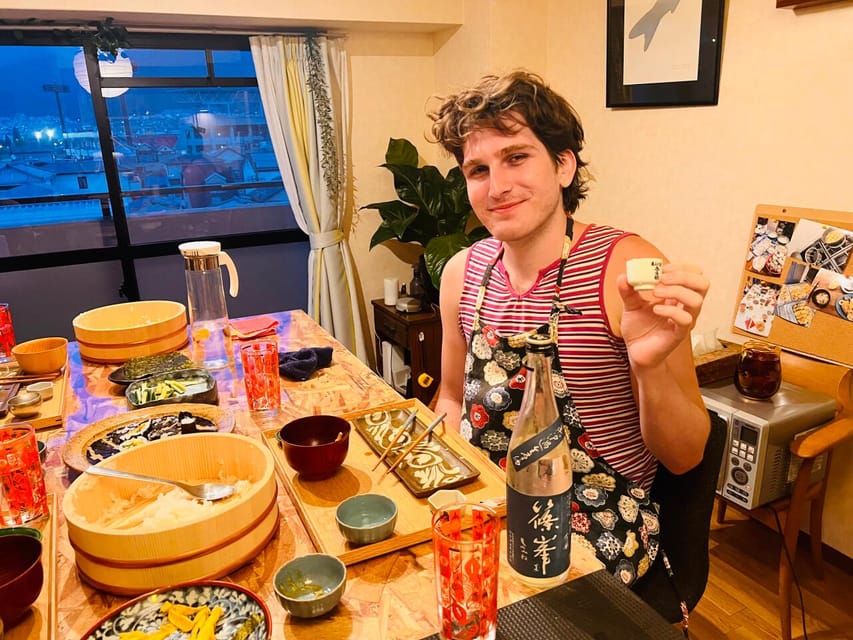
At $109 per person, this class might sound like a “treat yourself” expense, not a casual add-on. But the value is easier to justify when you look at what you receive.
You get:
- expert instruction from a Michelin-trained chef
- hands-on cooking of five authentic snacks
- the ingredients and equipment
- complimentary water and tea
- aprons
- digital photos of your experience
- cultural insights and technique coaching
- optional guided sake tasting with three pours
For many classes, you pay mostly for the seat. Here you are paying for ingredients, time, and technique coaching. You also get enough food to make the session feel like a meal plus a skill-building workshop.
Two cost notes to keep you honest:
- transportation is not included, so factor that into your day
- the sake tasting is optional, so decide based on your preferences and drinking comfort
If your goal is to leave with repeatable know-how, the price looks fair. If your goal is simply to eat a nice snack without learning anything, you could find cheaper meals around Osaka. This class is best when you want skills.
Who This Class Fits Best, and Who Should Skip It
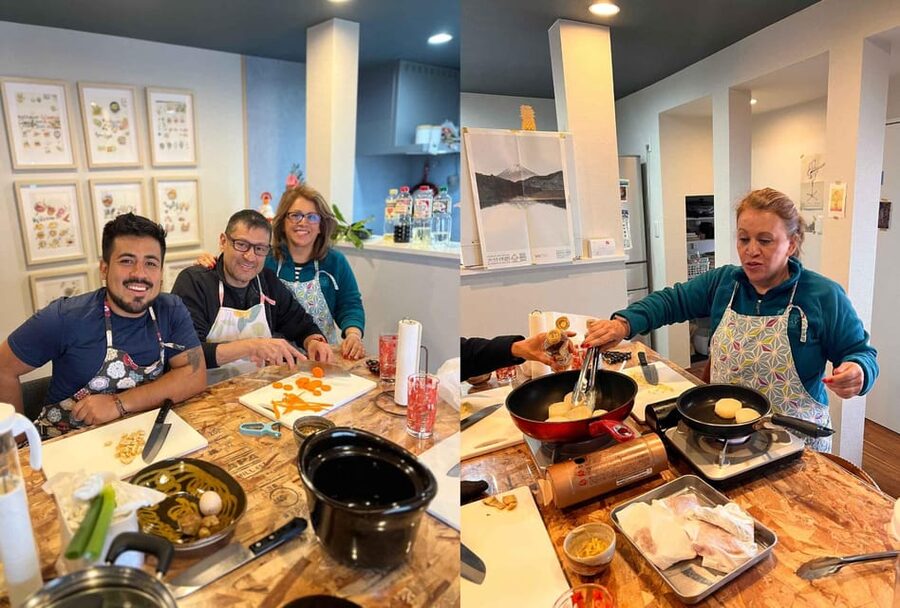
You will likely love this class if you:
- want authentic washoku skills beyond sushi and tempura
- like cooking and want hands-on guidance
- want to understand flavor balance with soy sauce, mirin, and sake
- enjoy small-group teaching where you can ask questions
- are curious about sake and might want the optional flight
You might want to consider another option if:
- you do not want to handle cooking steps, even basic ones
- your schedule is tight because the meeting point can vary and transportation is not provided
- you have dietary restrictions beyond allergies, since the class only notes allergy adjustment
If you have allergies, tell them ahead of time. The class states they will adjust preferences as much as possible, which is the key practical point.
Should You Book Master Washoku in Osaka?
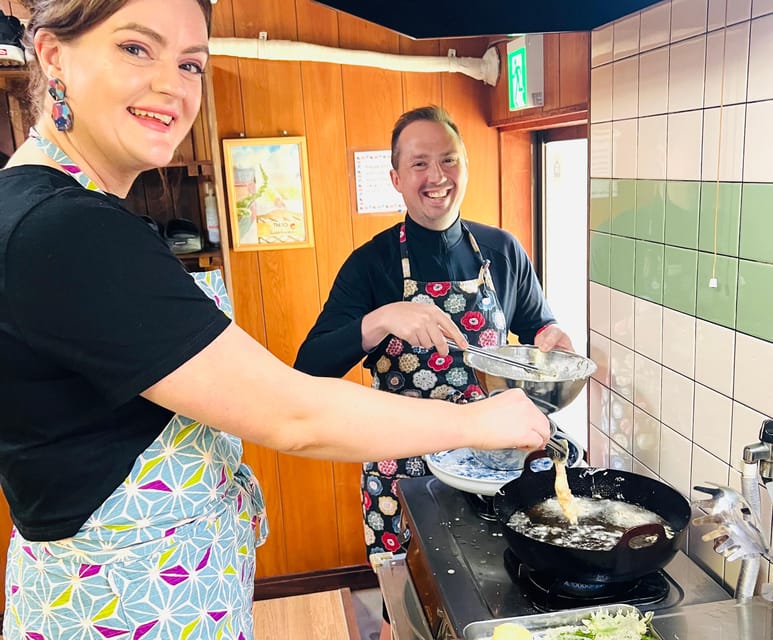
Book it if you want a real skill upgrade. Five snacks, core techniques, and Michelin-trained coaching in a small group is a strong combo for $109, especially if you plan to cook after you return home.
I would also book if you like structured cooking. The class is built around clear methods and a clear menu, so you feel progress after each dish. And if you are a sake person, the optional tasting is one of the simplest ways to learn what changes flavor with temperature.
Skip it if you are only hunting for a quick bite and do not want to cook. This is a working class, not a tasting tour.
If your day in Osaka needs one memorable, useful activity, this one earns a spot on your list.
Just added around Osaka


Cooking Classes, compared.
Osaka Cooking Class: Okonomiyaki &Japanese cuisines experience
Read our review →

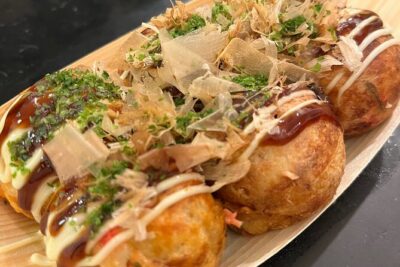
Osaka Sake Tasting & Takoyaki Cooking Experience
Read our review →
Cooking Ramen&Gyoza/KatsuCurry/Bento/Okonomiyaki+Store Tour@Osaka
Read our review →
Eat Osaka: Street Food Cooking in an Authentic Kitchen!
Read our review →This tour also fits