
Reviewed · TEA CEREMONY & MATCHA EXPERIENCES
Matcha Tea Bowl Experience in Osaka
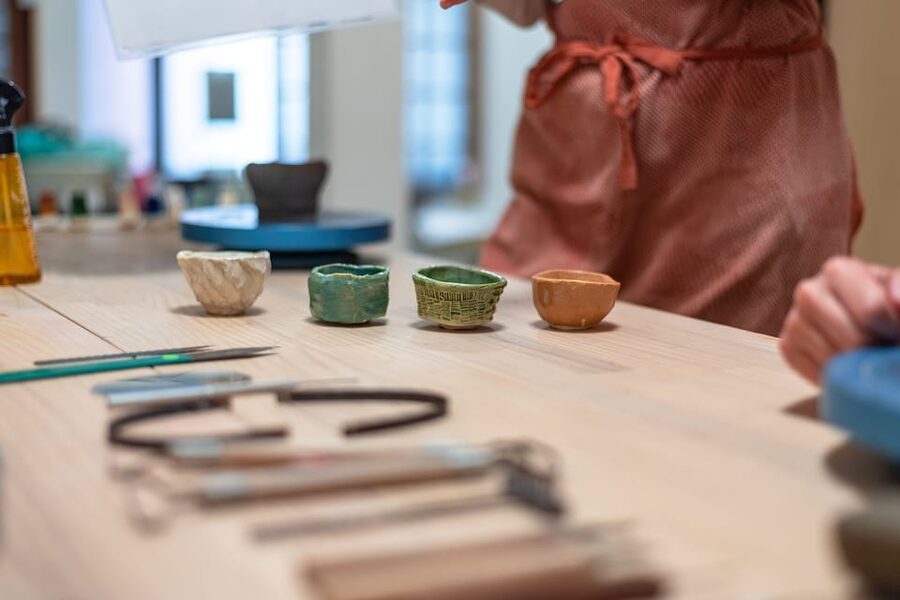
Carve clay, then sip matcha in Osaka. This matcha tea bowl workshop has you making a one-of-a-kind chawan using the traditional kurinuki carving method, then learning how it fits into the tea ceremony. I especially liked the hands-on teaching from Anna and the calm, satisfying pace of decorating something you will actually use at home. One thing to consider is that you will need to wait about two months for your finished bowl to be fired, glazed, and shipped, since shipping costs are extra.
You start at JR Teradacho Station and get picked up to a traditional space where the workshop feels personal and not touristy. After you carve, you can sign your bowl with Japanese characters, pick a color, and enjoy matcha with Japanese sweets right there. The session runs about 90 minutes to 2 hours, and it is not set up for wheelchair users and it is not suitable for kids under 6.
If you want to go deeper, there is an optional combined workshop that includes learning tea ceremony basics with masters Kiyomi and Masako, then making your bowl with Anna. I like that the tea is not just an add-on, it is paired with the bowl you are shaping, so you leave with both the object and the context.
In This Review
- Kurinuki Matcha Bowl Making in Osaka: What You Do Step by Step
- Learning Why a Chawan Is More Than a Bowl
- Inside the Traditional Workshop Space: Pickup, Pace, and the Small Details
- What You Take Home: Your Ceramic Gift and the Wait for Shipping
- Optional Tea Ceremony + Bowl Workshop: Kiyomi and Masako at Work
- Price and Value: Why $83 Can Make Sense Here
- Who This Workshop Fits Best (and Who Might Skip It)
- Final Call: Should You Book the Matcha Bowl Experience?
- FAQ
- Where is the meeting point?
- Does the experience include pick-up from the station?
- How long does the workshop last?
- Is this a private group?
- What languages are available?
- What will I make during the workshop?
- What is included in the price?
- Do I get the finished bowl the same day?
- Are children or wheelchair users allowed?
- Is alcohol allowed?
- What if I’m late?
Kurinuki Matcha Bowl Making in Osaka: What You Do Step by Step
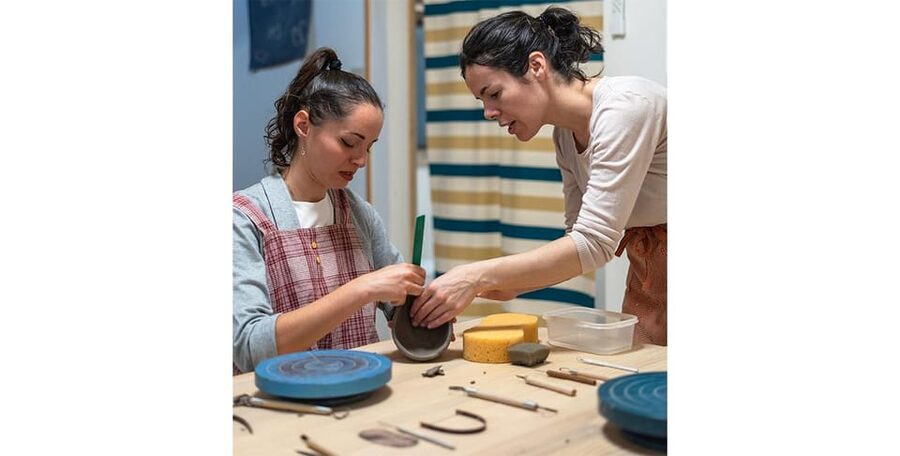
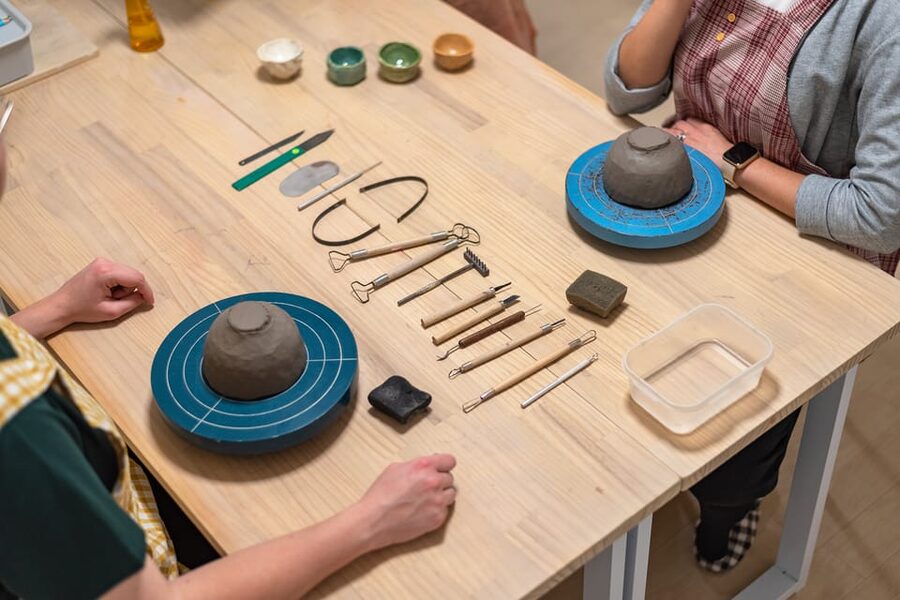
This experience is built around one main goal: you leave with a bowl design that is unmistakably yours. The method is kurinuki, a technique where you carve the clay with different tools to create a pattern that looks natural, not forced. That matters because the look Japanese makers aim for with wabi-sabi is not perfection. It is character, texture, and the feeling that the piece has a story.
Here is how your time typically unfolds.
First, you meet at the north exit of JR Teradacho Station. You will recognize the team by the sign that says Ceramics Tocoton. From there, you use the included station pick-up service to get to the workshop space. You are not handed a “paint-by-numbers” souvenir. You work directly with Anna, who studies ceramics in Osaka and guides you through every stage.
When you begin decorating, you are shaping the surface of your bowl so it has its own rhythm. Kurinuki carving can look intimidating at the start, but the process is set up so you can relax into it. Anna explains what each carving approach does visually, and you can adjust as you go. You will also get help correcting small mistakes, the kind that happen when you are learning a tool technique for the first time.
Then comes a fun, very personal moment: you sign your bowl using Japanese characters. It is small, but it gives the finished chawan that “this came from me” feeling, not just “this is something I bought.”
Near the end, you choose the color for your bowl. That choice affects how your carved texture reads after glazing and firing. It is also the stage where the workshop shifts from making to imagining, because your final piece will not look exactly like your fresh clay today.
Learning Why a Chawan Is More Than a Bowl
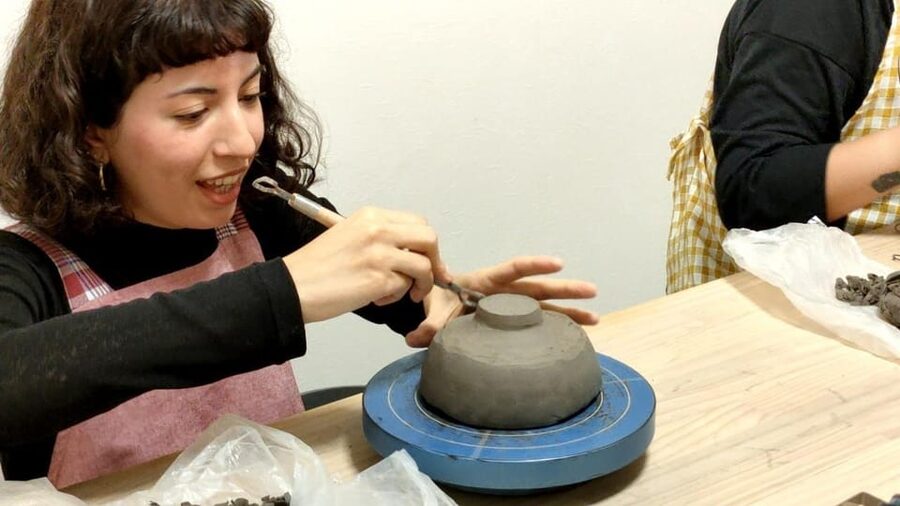
Making the bowl is the creative part. Understanding the bowl is the meaning part. In this workshop, the cultural teaching stays practical, not abstract.
Anna covers why a matcha tea bowl (a chawan) matters in the tea ceremony. You do not just hear about it in theory. You learn how the bowl’s shape, texture, and presence affect the act of serving and drinking matcha.
You also get cultural and technical explanations throughout the session. The workshop connects the craft to everyday Japanese design values, especially wabi-sabi character, where unevenness and natural marks are not defects. They are part of the beauty.
After you finish your carving and decorating steps, you enjoy a drink on site. You get matcha prepared for you with Japanese sweets to go alongside it. This pairing helps you make sense of the bowl right away. Even if you have only watched tea ceremony videos before, drinking matcha from the perspective of your own chawan design is a quick way to understand what the ceremony is trying to slow down and highlight.
Slow down for a bowl of matcha
- Osaka: Tea Ceremony Experience★ 4.9 · 1,426 reviews
- Tea Ceremony Experience in Osaka Doutonbori★ 5.0 · 754 reviews
- Matcha Making Class in Osaka with Authentic Japanese Sweets Set★ 5.0 · 509 reviews
- Osaka: Matcha Making Experience with Japanese Sweets★ 5.0 · 146 reviews
- Osaka: Japanese Traditional Sweets Making and Tea Ceremony★ 4.7 · 118 reviews
Inside the Traditional Workshop Space: Pickup, Pace, and the Small Details
One reason this experience feels special is the format. It runs as a private group, so you are not squeezed into a noisy class with people racing to finish. The workshop is also described as a private experience in a traditional building, which usually means the space is calmer and more respectful of craft than a generic studio.
You can feel this in the pacing. From the moment you arrive, you are doing, not waiting around. Anna’s teaching style is hands-on and supportive, and the tone stays friendly, not formal. One of the strongest repeat themes from the experience is how welcome you feel. That is not a vague compliment. It affects the outcome because you are carving clay and you need confidence with the tools.
You should also plan your arrival carefully. The meeting point is JR Teradacho Station (north exit), and if you are more than 15 minutes late, you need to contact the team. Being over 15 minutes late is treated as a no-show, so set aside extra time to get there.
As a practical note, the space is not adapted for wheelchair users. If mobility is an issue for you, this one may be tough.
What You Take Home: Your Ceramic Gift and the Wait for Shipping
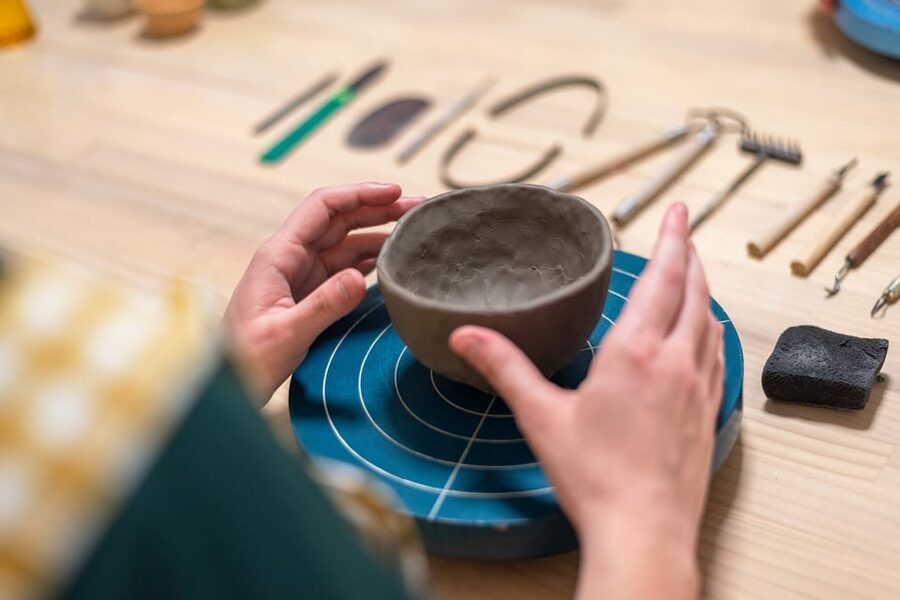
This is one of those experiences where the “souvenir moment” happens twice. The first is during the workshop, and the second is when the real bowl arrives.
During the session, you make your matcha tea bowl. You also enjoy the matcha drink and sweets. The experience includes a ceramic gift made from ceramics, so you are not leaving empty-handed.
The second phase is the big one: your bowl gets fired and glazed after class, then shipped to the address you provide. The timeline is about two months. Shipping costs are not included, and the approximate cost depends on your country and the number of people in your booking. The team asks you to contact them for a price.
I like this setup because it solves a real problem. If you try to rush a handmade piece into a “ready the same day” schedule, you often end up with a weaker result. Here, you design the piece and let the firing happen off-site properly.
Still, the waiting is real. If you are the type who wants everything before you fly home, plan around the two-month shipping window and budget separately for shipping.
Optional Tea Ceremony + Bowl Workshop: Kiyomi and Masako at Work
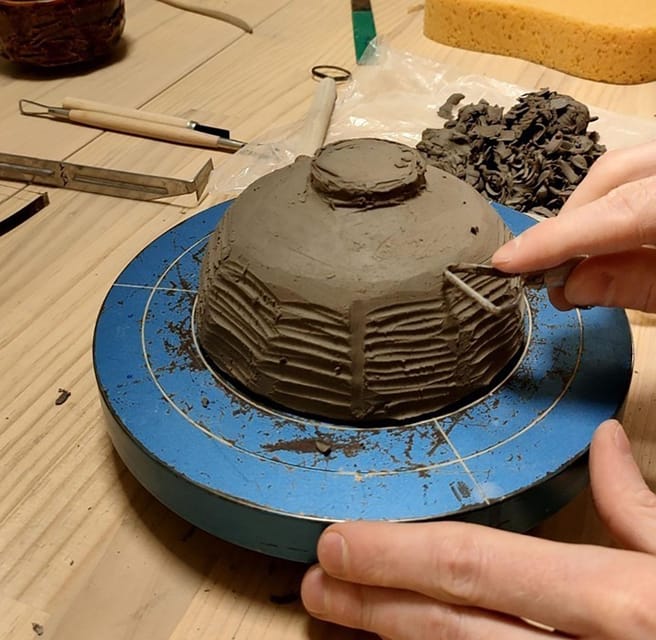
If you want more than craft, pick the combined option.
In this version, you start with the basics of the tea ceremony guided by tea ceremony masters Kiyomi and Masako. The idea is simple: you get the logic of the ceremony and how to appreciate the bowl in context. Then you shift to the ceramics side and make your matcha tea bowl with Anna.
The combined workshop also includes matcha and Japanese sweets. After that, you shape and decorate your bowl using traditional pottery techniques. You take home a small dish as a gift as well, which is designed to be perfect for enjoying sweets during tea ceremony at home.
There is also an add-on suggestion that after the workshop you can explore the local area of Ikuno Ward in Osaka. If you like building a mini itinerary around a cultural class, this is a good pairing.
One practical consideration: because this option includes extra teaching, it is the better match if you enjoy slower learning and you want your day to feel like a mini cultural workshop, not a quick hit.
Price and Value: Why $83 Can Make Sense Here
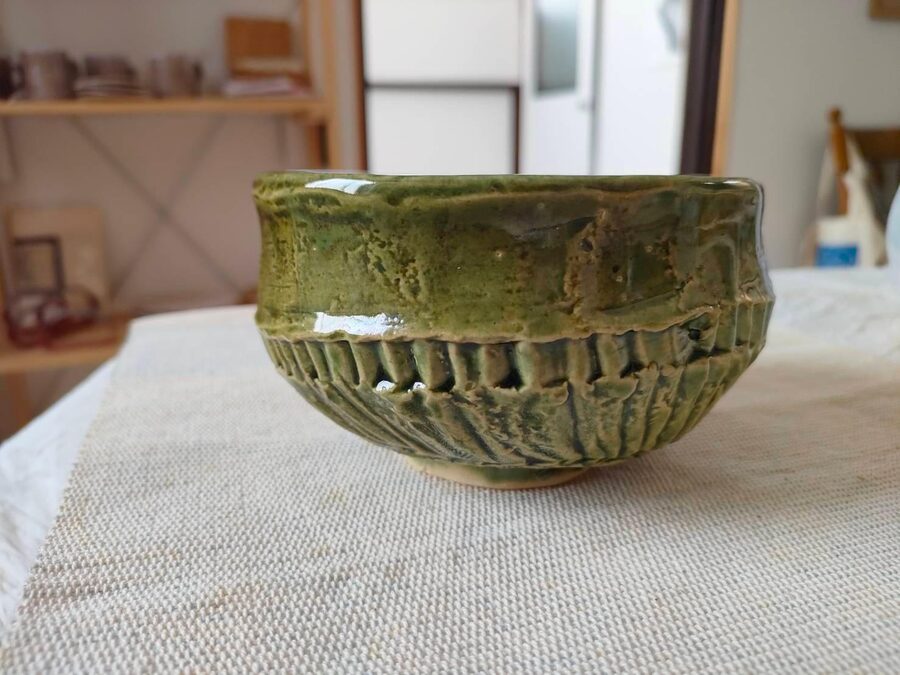
At $83 per person, this is not a budget activity. But it is also not overpriced for what you get.
Here is what your money covers, and why it adds up:
- Private group time with Anna, including technical and cultural explanations
- All materials and equipment, so you are not paying for supplies
- Drinks during the workshop
- A ceramic gift
- Station pick-up service from JR Teradacho Station
The part people sometimes miss is the shipping later. Shipping costs are excluded, so you should plan for that additional fee. The cost still tends to be fair because the firing and glazing process is not something most small workshops can do on the spot, and you are taking home a true handmade item, not a one-day craft that never truly matures.
If you compare this to a “souvenir shopping” approach, the value is clearer. You are paying for time, instruction, and a crafted object that connects to Japanese tea culture.
Not ready to leave Osaka yet? A few more ways to fill the day.
- Osaka Go Karting Tour with Funny Costume
★ 5.0 · 2,658 reviews - Osaka Castle: Museum and Tower Entry Ticket
★ 4.5 · 2,380 reviews - Osaka: Shinsekai Food Tour with 13-15 Dishes at 5 Eateries
★ 4.8 · 2,204 reviews
Who This Workshop Fits Best (and Who Might Skip It)
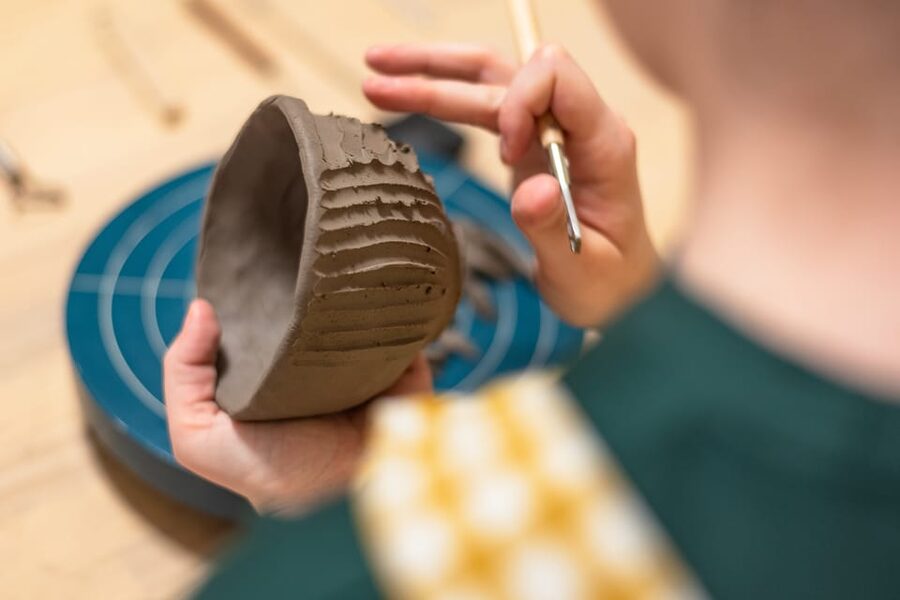
This experience fits best if you want a hands-on craft activity that has cultural meaning. You should especially like it if you:
- enjoy making things with your hands, not just watching demonstrations
- care about traditional techniques and design principles like wabi-sabi
- want a unique souvenir you can actually use
It is also a great option for couples or friends, because the private format makes it feel personal. And it is a good first craft class too, since no previous experience is required.
You might consider skipping if:
- you need a fully finished item the same day
- you rely on wheelchair access (the space is not adapted)
- you are traveling with kids under 6
Final Call: Should You Book the Matcha Bowl Experience?
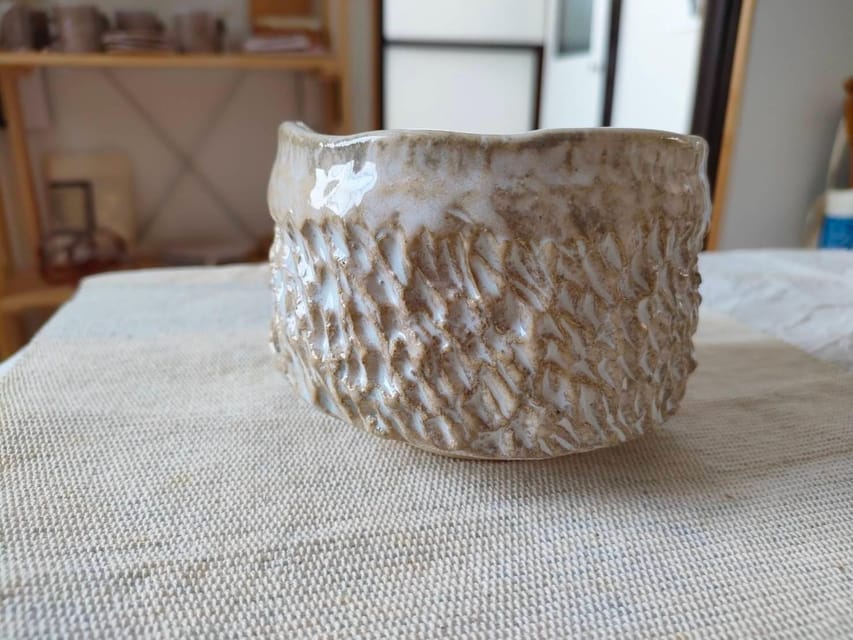
I think you should book this if you want one Osaka activity that mixes craft, culture, and a take-home object with real character. The standout strength is Anna’s guidance and the way the workshop connects kurinuki carving to the purpose of the chawan in the tea ceremony. You get to create, drink, and learn, then you wait for the finished bowl like it is part of the souvenir story.
The main trade-off is time and logistics. You will ship your bowl later, and shipping is extra. If that timing works with your trip, it is an easy yes.
If you want to add even more tea ceremony context, choose the combined workshop with Kiyomi and Masako. That option gives you the “why” behind the bowl before you carve your own.
FAQ
Where is the meeting point?
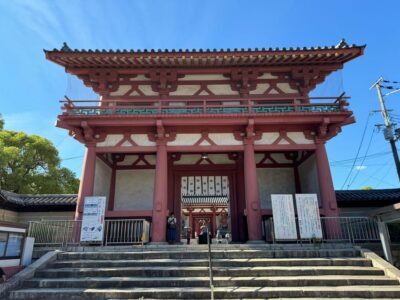
You meet at JR Teradacho Station (north exit). The team carries a sign that says Ceramics Tocoton.
Does the experience include pick-up from the station?
Yes. Station pick-up service is included.
How long does the workshop last?
It lasts about 90 minutes to 2 hours.
Is this a private group?
Yes, it is listed as a private group.
What languages are available?
The workshop is conducted in English or Spanish, and the instructor also lists Catalan and Japanese as available languages.
What will I make during the workshop?
You will decorate and create your own matcha tea bowl using the traditional kurinuki technique.
What is included in the price?
Included are all materials and equipment, drinks, a ceramic gift, and technical and cultural explanations.
Do I get the finished bowl the same day?
No. Your bowl is shipped to the address you provide in about two months. Shipping costs are not included.
Are children or wheelchair users allowed?
The activity is not suitable for children under 6 years old and it is not adapted for wheelchair users.
Is alcohol allowed?
No. Alcohol and drugs are not allowed.
What if I’m late?
If you are going to be more than 15 minutes late, you should contact the team. Being more than 15 minutes late is considered a no-show.
Just added around Osaka


Tea Ceremony & Matcha Experiences, compared.
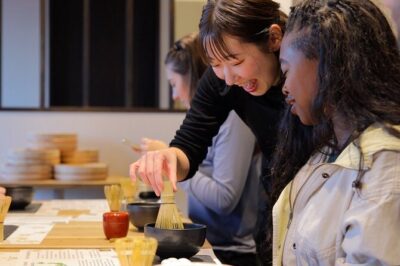
Matcha Making Class in Osaka with Authentic Japanese Sweets Set
Read our review →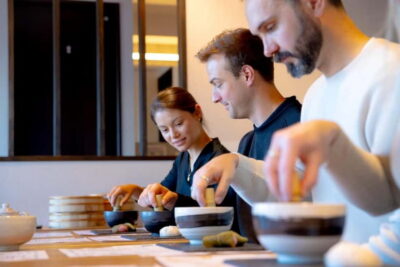
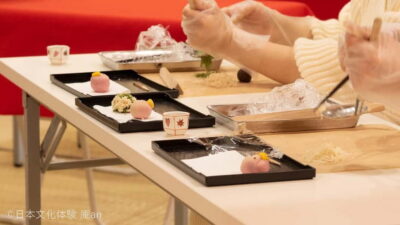
Japanese Traditional Sweets Making and Tea Ceremony
Read our review →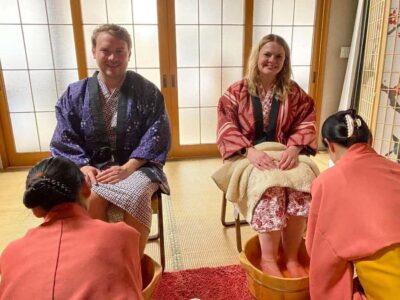
Osaka Temple Cool Foot Bath & Matcha Experience〈45min〉
Read our review →
Samurai Show, Tea Ceremony, Japanese Traditional Activities
Read our review →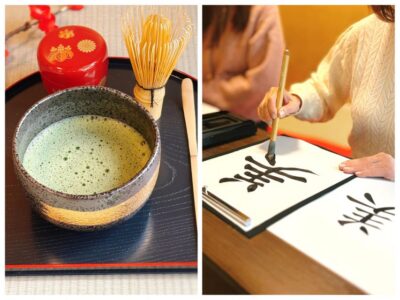
This tour also fits