
Reviewed · TEA CEREMONY & MATCHA EXPERIENCES
Osaka: Private Tea Ceremony and Calligraphy Experience
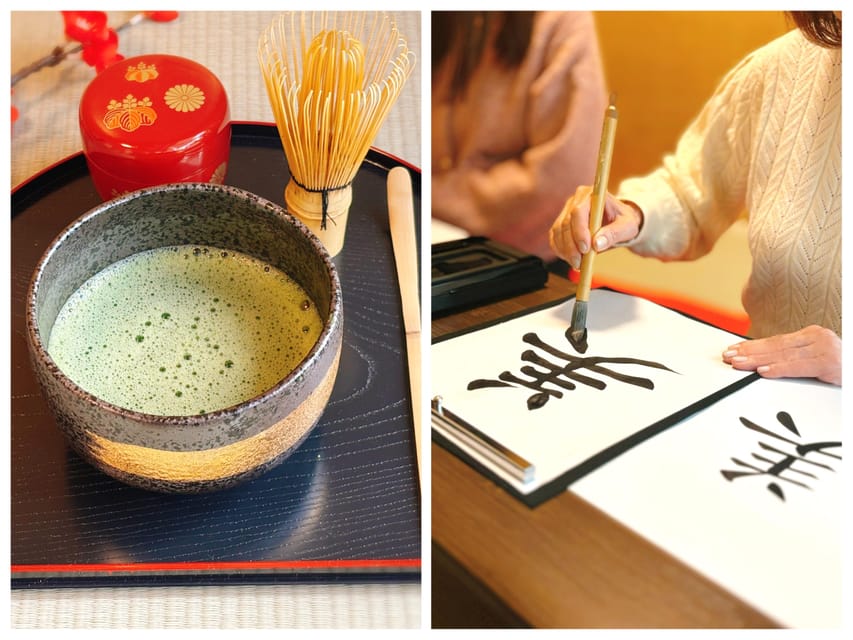
Savor matcha and write your own kanji. This private Osaka experience pairs a calm tea ceremony with hands-on Japanese calligraphy, guided by Wanoma so you can follow at your own pace. The calligraphy lesson also turns your name into kanji based on your personality, and in tea you’ll both taste and make matcha. One thing to consider: it’s a studio class, so you’ll trade some outdoor sightseeing time for slow, mindful instruction.
I like that it’s truly private. You can ask for changes like taking lots of photos or going slowly for a child, and you get close attention throughout the 135 minutes. The setting is right in Namba, which is convenient if you want culture without complicated logistics.
If you’re expecting a quick souvenir stop, this might feel slower than you want. But if you want a real skill, a real ritual, and something you can bring home, it’s a strong value at $64 per person for a full private session.
In This Review
- Key Things That Make This Class Worth It
- Osaka’s Namba Studio: What This Private Class Really Feels Like
- Meeting Point by New Osaka Hotel Shinsaibashi, and How the Session Runs
- Calligraphy Hour: Turning Your Name Into Kanji with Brush-Stroke Guidance
- Choosing a Theme and Paper: Make It Personal, Not Just Decorative
- Tea Ceremony Hour: Make Matcha, Pick a Bowl, Enjoy Sweets Twice
- What You Take Home, and How to Use It After You Leave Japan
- Price and Value for a 135-Minute Private Experience
- Should You Book This Osaka Tea Ceremony and Calligraphy Experience?
- FAQ
- Where do I meet for this experience in Osaka?
- How long is the Osaka private tea ceremony and calligraphy experience?
- Is this activity private?
- What languages does the instructor speak?
- What’s included in the calligraphy lesson?
- Do I need experience to make matcha?
- Are Japanese sweets included during the tea ceremony?
- What should I bring, and is smoking allowed?
- Is it suitable for wheelchair users?
Key Things That Make This Class Worth It
- Private pacing and photo-friendly time so you can linger where you care most.
- Your name in kanji shaped to your personality, not just copied text.
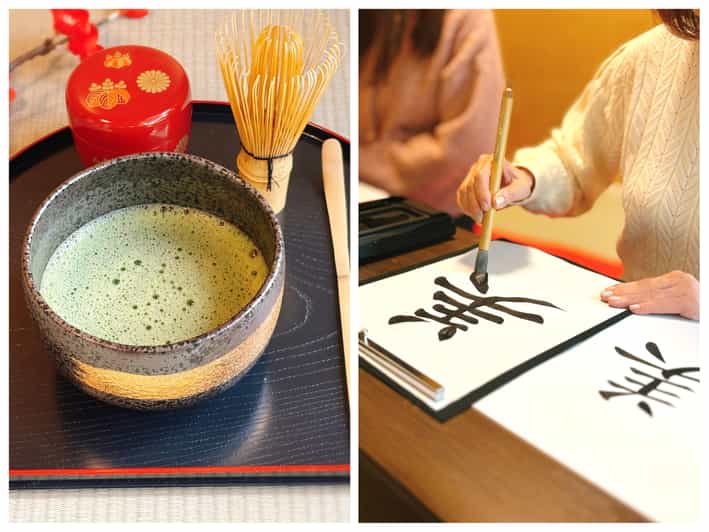
- Matcha making plus tasting, with Japanese sweets offered during the tea ritual.
- Calligraphy taught step-by-step, including brush strokes and a practice round before you write your finished piece.
- A take-home artwork you create yourself on colored paper, finished with initials.
Osaka’s Namba Studio: What This Private Class Really Feels Like
This experience is designed to feel calm from the moment you arrive. Instead of squeezing you into a bigger group, it keeps the class focused on you, which matters for both tea etiquette and calligraphy technique. Tea and brushwork both reward patience, and the private setup makes it easier to slow down without feeling rushed.
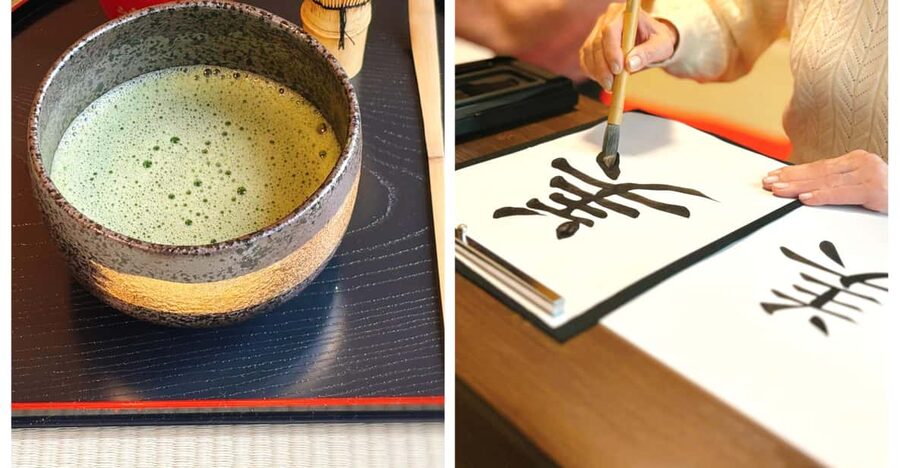
In tea ceremony, you’re not just watching someone perform. You learn what’s happening in each step and then you make matcha yourself. In calligraphy, you’re not just picking a design and copying. You choose what you want to express, learn the basics first, then write your name in Japanese characters, stamp your initials, and take the result home.
This is also a practical Osaka option. The meeting point is in Namba, near major visitor areas like Shinsaibashi, so you can fit the class into a normal sightseeing day.
Brush strokes that take a lifetime to master
- Osaka: Private Japanese Calligraphy Experience★ 5.0 · 66 reviews
- Calligraphy Workshop in Namba, Dotonbori★ 5.0 · 57 reviews
- Learning Zen of Japanese Calligraphy in kimono near Osaka Castle★ 4.5 · 53 reviews
- Samurai dress-up and shows, plus Tea Ceremony & Calligraphy★ 5.0 · 27 reviews
- Osaka: Temple Tour and Traditional Calligraphy Lesson★ 4.9 · 24 reviews
Meeting Point by New Osaka Hotel Shinsaibashi, and How the Session Runs
Meet outside the entrance of New Osaka Hotel Shinsaibashi. Walk west for about 30 seconds and look for the blue vending machine nearby. The instructor waits outside the building about 5 minutes before your booked time, wearing kimono so you can spot them quickly.
Once you’re inside, the core idea is flexibility. The experience is private, so you can request adjustments like “please take lots of photos” or “we need to go slowly so my child can keep up.” That’s a big deal if you travel with kids, or if you’re the type who likes to photograph process steps like bowl choices, brush strokes, and finishing touches.
Time-wise, expect the class to run for 135 minutes. The typical flow goes calligraphy first, then tea ceremony. If you prefer the order the other way, the schedule can be arranged based on requests, which is handy if you want to build your day around energy levels.
Calligraphy Hour: Turning Your Name Into Kanji with Brush-Stroke Guidance
The calligraphy portion starts with choices that help your piece feel personal. You begin by selecting a theme for what you want to write that day. Then you share your favorite letters and words. If you want guidance, the instructor can suggest the best kanji to express your personality and the idea behind your message.
After you pick, you get a basic lesson in the practices you’ll use. This includes how to handle the brush and how to think about the strokes so your character looks intentional. The session then moves into what matters most for beginners: practice. You go through the brush strikes step-by-step, then you practice the character you chose before you do the final piece.
What you end up with is more than a “try it once” souvenir. The class includes writing your name in Japanese characters, and you finish by stamping your initials. That combination makes the result feel like something you created with care, not something pre-made for tourists.
And yes, there’s a specific twist in the calligraphy concept. In addition to writing your name, the experience also guides you to convert your name into kanji based on your personality. So instead of thinking only about spelling, you’re thinking about meaning and expression, which makes calligraphy feel more like language art than handwriting.
Choosing a Theme and Paper: Make It Personal, Not Just Decorative
The colored-paper step is one of those small details that changes the whole feel of your finished work. You choose your favorite sheet from several types of paper, then you write on it. This is where you can steer the style of your souvenir, whether you want something bold or something softer.
The lesson also takes your comfort level into account. For calligraphy, you’re not stuck with one difficulty level. You can choose kanji options, including different difficulty levels, and the instructor walks you through the strokes before you finalize your character.
If you’re bringing kids, there’s a thoughtful option. For young children, the class offers water calligraphy. That’s designed to keep hands and clothes clean, while still letting kids participate in the ritual and feel like they made their own artwork.
One more practical tip: if you care about photos, this is the part where your camera gets the most use. You’ll have moments before the final writing where you can capture brush technique and the moment you switch from practice to the finished piece. Since it’s private, you can pause without feeling awkward.
Tea Ceremony Hour: Make Matcha, Pick a Bowl, Enjoy Sweets Twice
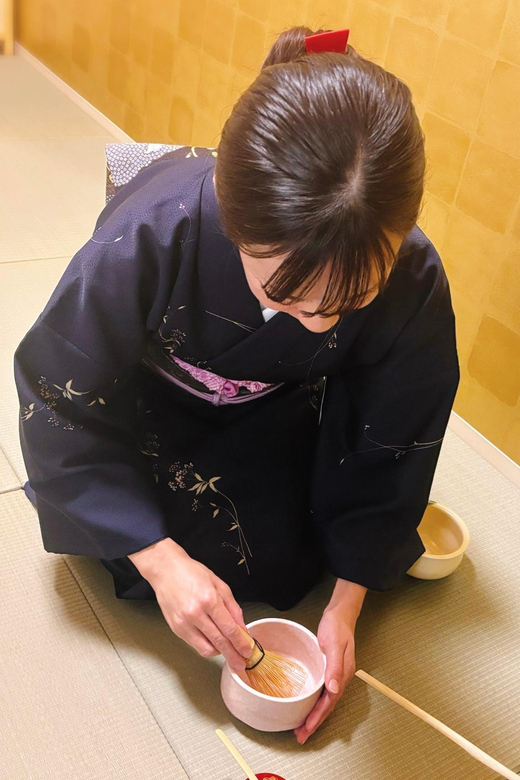
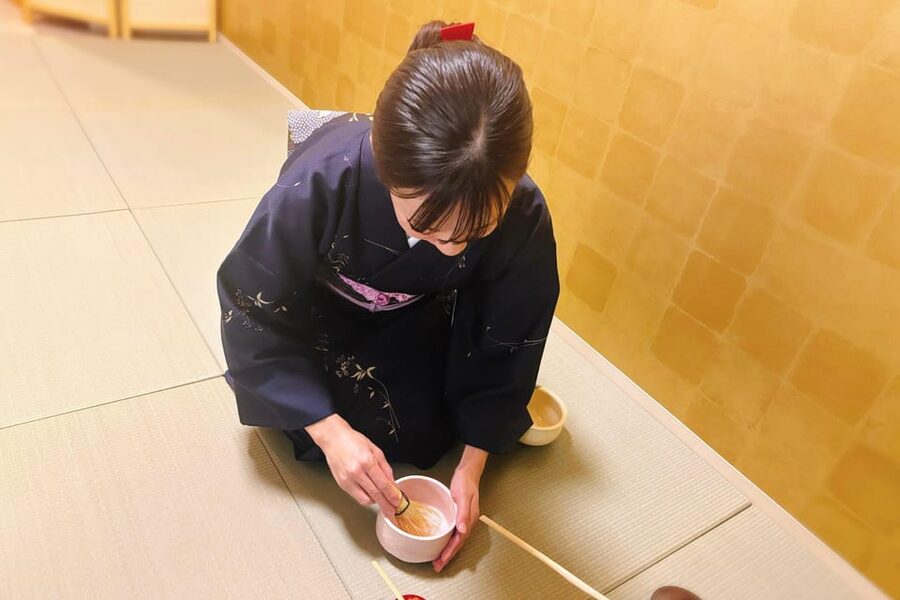
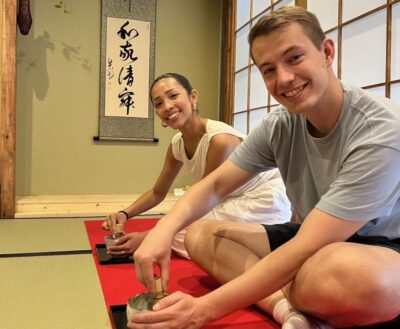
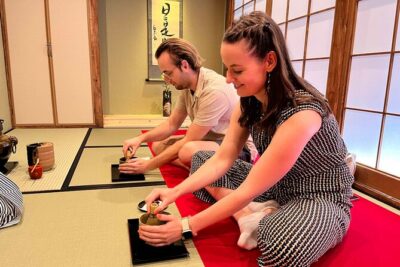
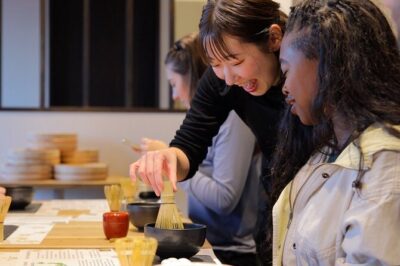
After calligraphy, you shift into the tea ceremony with the same calm pace. You learn how to make tea, then you try making matcha yourself. This part is hands-on and structured, so you’re not guessing. If you’re new to matcha, you don’t need experience. The instructor guides you step-by-step and keeps the session relaxed.
One of the most fun parts is choosing a tea bowl that matches how you feel that day. You’ll get to select from several attractive bowls. That turns tea into something personal rather than “do the steps exactly.” You’re still learning proper procedure, but you’re also shaping the experience with your own choice.
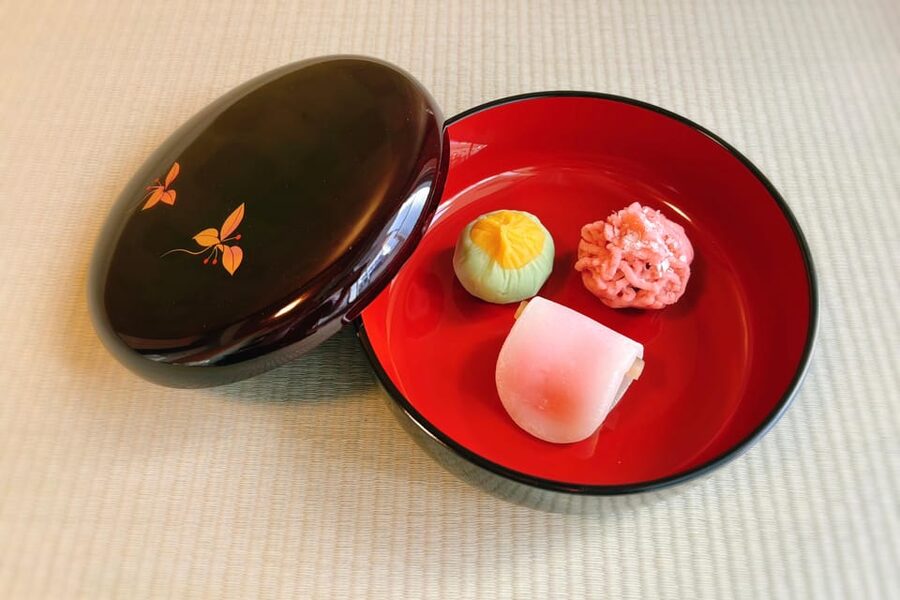
Then come the tastes. You’ll enjoy matcha plus Japanese sweets during the tea ceremony. The experience includes enjoying different types of Japanese sweets twice during the tea ritual. That helps you notice how the sweets pair with the tea, and it keeps the session from feeling flat or repetitive.
A cultural layer also shows up here. You’ll learn the significance of the tea ceremony and how seasonal timing relates to the sweets used throughout the year. Even if you only remember one thing, it’s a useful way to connect what you’re tasting with what’s happening in Japan season to season.
One small but real comfort point: the sweets can include options for dietary needs. Lactose-free sweets have been noted, which is good to know if you’re sensitive to dairy.
Slow down for a bowl of matcha
- Osaka: Tea Ceremony Experience
★ 4.9 · 1,426 reviews - Tea Ceremony Experience in Osaka Doutonbori
★ 5.0 · 754 reviews - Matcha Making Class in Osaka with Authentic Japanese Sweets Set
★ 5.0 · 509 reviews
What You Take Home, and How to Use It After You Leave Japan
Your final souvenir is your own finished calligraphy piece. You write your name in Japanese characters, choose your colored paper, stamp your initials, and bring it home. For many people, that’s the value hook. It’s a personal artifact you can display later, not just something you eat and forget.
The tea side doesn’t come with a packaged product, but it comes with a skill and a memory. Matcha making is one of those things you can repeat at home, and it’s not just for novelty. You’ll understand the rhythm and intention behind the steps, which changes how you think about tea when you order it later.
If you’re the type who likes to translate experiences into “how I’ll use this,” this class makes that easy:
- Hang your calligraphy where you’ll see it and remember the day you chose the strokes.
- Use the matcha process as a mini ritual at home, especially if you travel often and like grounding routines.
Also, since the whole session is designed for private groups, you should feel comfortable asking questions. The class gives you time for conversation alongside the activities, so you’re not just collecting steps. You’re learning context that makes the whole thing make sense.
Price and Value for a 135-Minute Private Experience
At $64 per person for 135 minutes, the price makes more sense when you break down what’s included. You’re paying for:
- A private instructor-led class
- Both calligraphy instruction and your take-home artwork materials (including colored paper)
- Tea ceremony guidance plus a matcha making experience
- Matcha and Japanese sweets, served during the ceremony
- Instructor support throughout the session
Compare that to doing just one activity, like calligraphy by itself, or buying a tea tasting ticket. Here, you get two cultural formats in one smooth afternoon, and you leave with a physical souvenir plus a skill.
Also, the private nature matters for the quality of teaching. With only your group, the instructor can slow down when you need clarity and adjust the pace for kids. That’s not just comfort. It can directly improve your finished calligraphy, because you practice with real feedback before writing the final strokes.
So the best value is for people who want instruction, not just observation. If you like hands-on learning and you enjoy calm cultural rituals, the cost feels aligned with what you actually get.
Should You Book This Osaka Tea Ceremony and Calligraphy Experience?
Book it if you want a meaningful cultural afternoon that’s hands-on from start to finish. The strongest reasons to choose it are private attention, your name transformed into kanji with personality guidance, and matcha making plus sweets twice, all paired with a take-home artwork.
You might skip it if you need fast, high-energy sightseeing, or if you prefer classes where everyone follows the same script with no room for pacing. It’s also not set up for wheelchair users, so keep that in mind.
If you’re visiting Osaka and you want something that feels truly Japanese but not complicated, this is one of those classes that gives you both learning and a keepsake. It’s the kind of experience that stays with you because you did it with your hands.
FAQ
Where do I meet for this experience in Osaka?
You meet at the entrance of New Osaka Hotel Shinsaibashi. Continue walking west for about 30 seconds, near a blue vending machine, and look for the instructor outside the main entrance.
How long is the Osaka private tea ceremony and calligraphy experience?
The experience lasts 135 minutes.
Is this activity private?
Yes. It’s a completely private group experience, with close instructor attention for your group.
What languages does the instructor speak?
The instructor speaks English and Japanese.
What’s included in the calligraphy lesson?
Colored paper is included, and you’ll do a calligraphy lesson where you select what to write, learn basic practices, write your name in Japanese characters, and stamp your initials.
Do I need experience to make matcha?
No. The tea ceremony includes an explanation of the process and then you try making matcha yourself.
Are Japanese sweets included during the tea ceremony?
Yes. You’ll enjoy matcha and various Japanese sweets during the tea ceremony, and the experience includes sweets twice.
What should I bring, and is smoking allowed?
You should bring socks. Smoking is not allowed.
Is it suitable for wheelchair users?
No. The activity is not suitable for wheelchair users.
Just added around Osaka

Tea Ceremony & Matcha Experiences, compared.
Matcha Making Class in Osaka with Authentic Japanese Sweets Set
Read our review →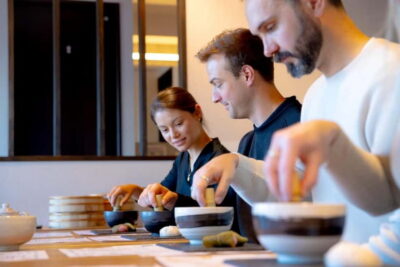
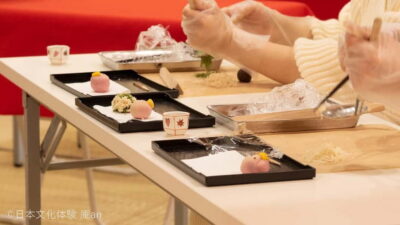
Japanese Traditional Sweets Making and Tea Ceremony
Read our review →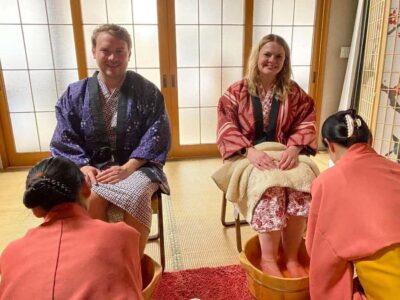
Osaka Temple Cool Foot Bath & Matcha Experience〈45min〉
Read our review →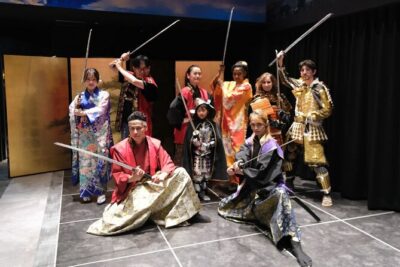
Samurai Show, Tea Ceremony, Japanese Traditional Activities
Read our review →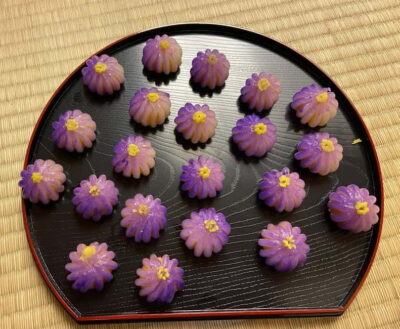
Osaka; Japanese Tea ceremony experience, Macha and Sencha
Read our review →This tour also fits