
Reviewed · TEA CEREMONY & MATCHA EXPERIENCES
Osaka; Japanese Tea ceremony experience, Macha and Sencha
Tea ceremony in Osaka can feel either formal or touristy. This one feels human. You get hands-on matcha instruction, then a second tasting with sencha, all explained by a real tea master.
What I liked most is how clearly the instructor connects the ceremony to everyday Japanese life, not just fancy movements. I also liked that you actually make tea yourself, so you leave with something practical you can remember and repeat.
One thing to consider: this experience includes sweets, and it is not suitable if you have food allergies. Also, it is about quiet attention, so it is not a fit for big party groups or people who want to chat loudly.
In This Review
- Key things that make this Osaka tea experience worth your time
- Osaka Tatami Tea Ceremony: Matcha and Sencha With a Tea Master
- Meet Your Tea Master, Then Set the Tone
- Watching Matcha Being Made, Then You Make It Yourself
- What the Ceremony Teaches Beyond the Motions
- Traditional Sweets With Matcha: A Real Part of the Ritual
- Sencha Tasting: The Tea You’ll Actually See in Japan Today
- Yukata Option and a Photograph Moment
- Price and Value: Why $25 Can Make Sense Here
- How to Find the Meeting Point and Show Up Ready
- Who This Experience Is For (and Who Should Skip It)
- A Realistic Take: What You’ll Walk Away With
- Should You Book This Osaka Tea Ceremony?
- FAQ
- How long is the Osaka tea ceremony experience?
- What does the price include?
- Do I get to make tea myself?
- Is yukata included?
- Can I take a photo?
- What teas will I taste?
- Are there any food allergy restrictions?
- Where is the meeting point?
- What languages are offered?
- Is cancellation flexible?
Key things that make this Osaka tea experience worth your time
- You learn etiquette by doing it, not by watching from the back row
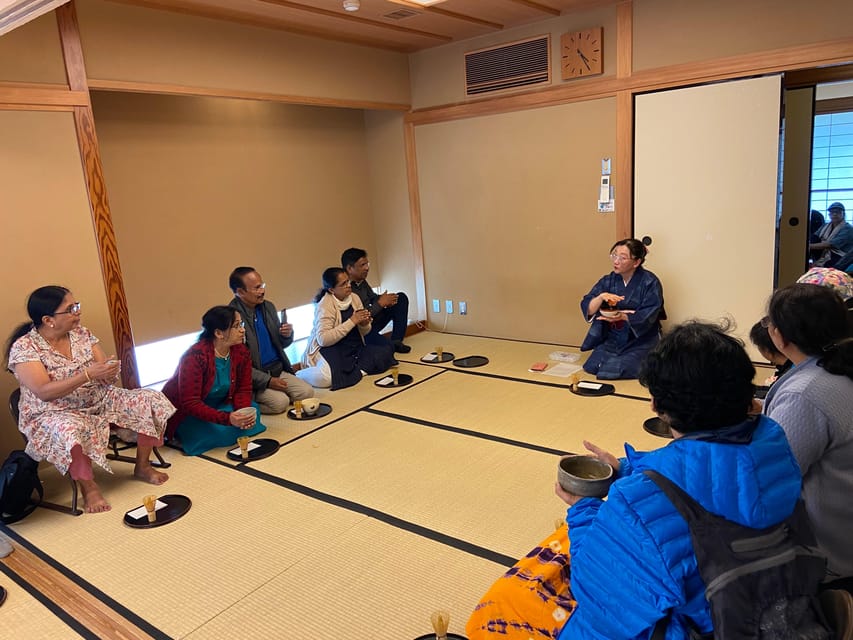
- Tatami room setting that makes the whole ritual feel real
- Matcha and sencha both, so you taste more than one side of Japanese tea culture
- Yuko’s teaching style shines in the reviews, especially English clarity and friendly guidance
- Optional yukata and photo if you want a memorable keepsake without turning it into a theme park
Osaka Tatami Tea Ceremony: Matcha and Sencha With a Tea Master
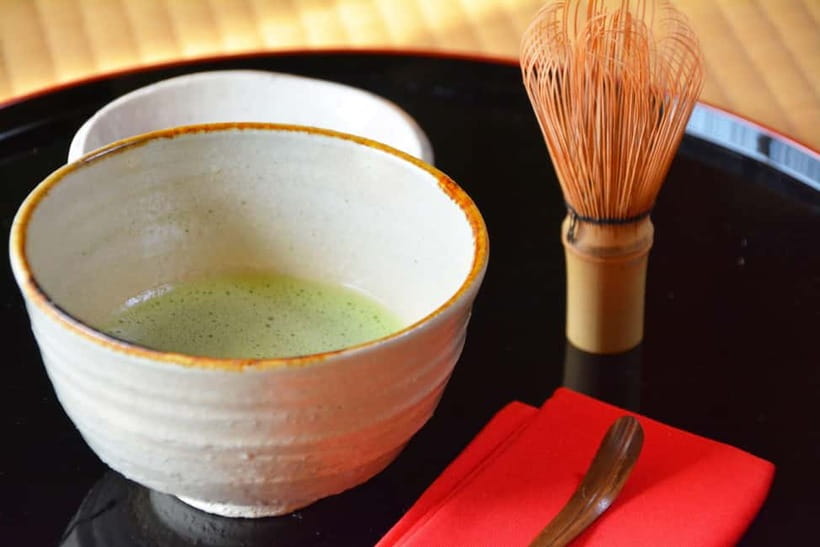
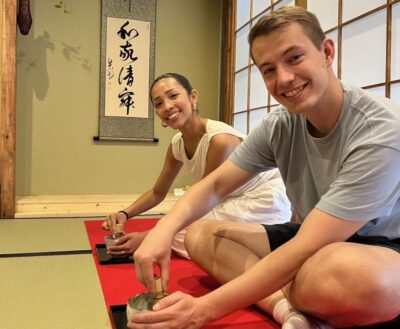
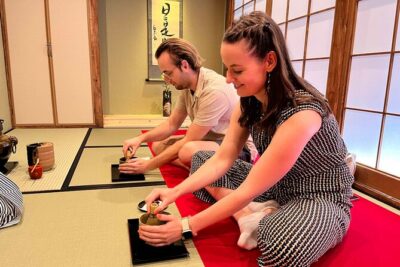
If you are looking for a cultural activity that feels calm, focused, and genuinely Japanese, this tea ceremony hits the sweet spot. It runs about one hour, and you spend that time in a traditional tatami room learning how tea is prepared with proper etiquette.
The structure matters. Many tea experiences are mostly watching, with you doing very little. Here, you watch the tea master prepare matcha green tea, then you get to experience making tea yourself. That shift turns it from entertainment into learning.
I also like that the session does not stop at matcha. After the sweets and matcha, you move into tasting sencha, a tea that is commonly drunk in Japan today. You end up with both the ceremonial side and the everyday side of green tea.
Slow down for a bowl of matcha
- Osaka: Tea Ceremony Experience★ 4.9 · 1,426 reviews
- Tea Ceremony Experience in Osaka Doutonbori★ 5.0 · 754 reviews
- Matcha Making Class in Osaka with Authentic Japanese Sweets Set★ 5.0 · 509 reviews
- Osaka: Matcha Making Experience with Japanese Sweets★ 5.0 · 146 reviews
- Osaka: Japanese Traditional Sweets Making and Tea Ceremony★ 4.7 · 118 reviews
Meet Your Tea Master, Then Set the Tone
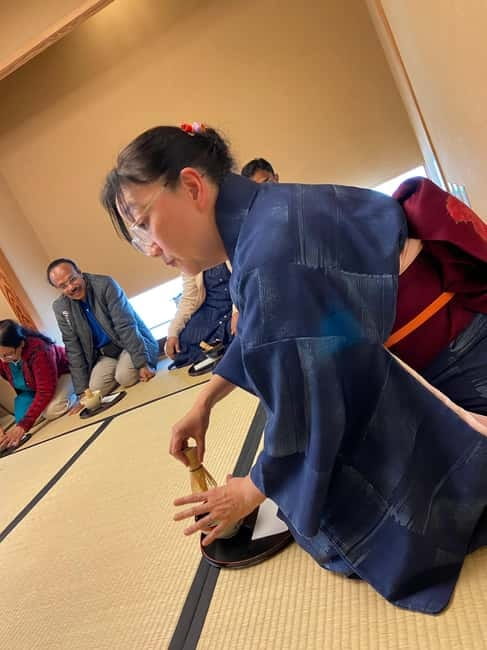
You meet your tea master at the station area near the Midosuji Line, Exit 3 (ground floor). The instructor speaks English and Japanese, which helps a lot if your Japanese is basic. The reviews also point to the instructor’s warmth and clarity, and in particular, Yuko stands out as a skilled teacher who makes the experience feel easy to follow.
Before you start pouring or tasting, the vibe is important. This is a sit-and-focus activity. Rules include no smoking, no alcohol or drugs, no weapons or sharp objects, and no loud behavior. You can still be friendly, but you are expected to keep things respectful and quiet.
That matters for your enjoyment. If you come in expecting a casual chat over coffee, you may find the pace slower than you want. If you come in ready to pay attention, you will get more out of every step.
Watching Matcha Being Made, Then You Make It Yourself
The heart of the experience is the matcha ceremony. First, you watch the tea master prepare matcha in front of you. This is where you see the tools and movements that make matcha different from just steeping green tea.
Then it is your turn. You learn how to make tea according to tea ceremony etiquette. You are not just holding a cup. You are practicing the kind of respectful, precise actions that are part of the ceremony’s meaning.
If you are a first-timer, this is a good format. You get a model to copy, then the instructor guides you through doing it yourself. That combination is the reason this kind of class is worth paying for: you are building a memory through your hands, not just your eyes.
What the Ceremony Teaches Beyond the Motions
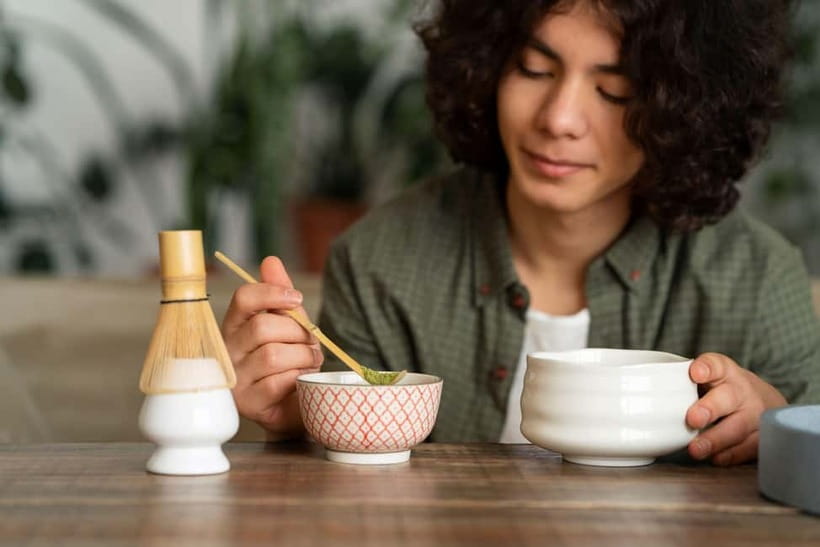
Tea ceremony has a reputation for being serious, but the best part here is the explanation that gives it context. The tea master shares the history and spiritual role of the tea ceremony while you experience the making process.
You do not need to be an expert on Japanese culture to enjoy this. The value is practical and emotional at the same time. You learn why the ritual is structured the way it is, and you start to understand that the goal is not performance. It is respect, attention, and harmony with the moment.
That kind of framing changes how you taste. After you understand the purpose behind the ritual, the matcha stops being just a green drink and starts becoming part of a story.
Reviews back this up, too, with people praising the instructor’s gentle teaching and the amount you learn. Many comments specifically highlight conversations and the sense that you come away with real understanding, not just a quick photo moment.
Traditional Sweets With Matcha: A Real Part of the Ritual
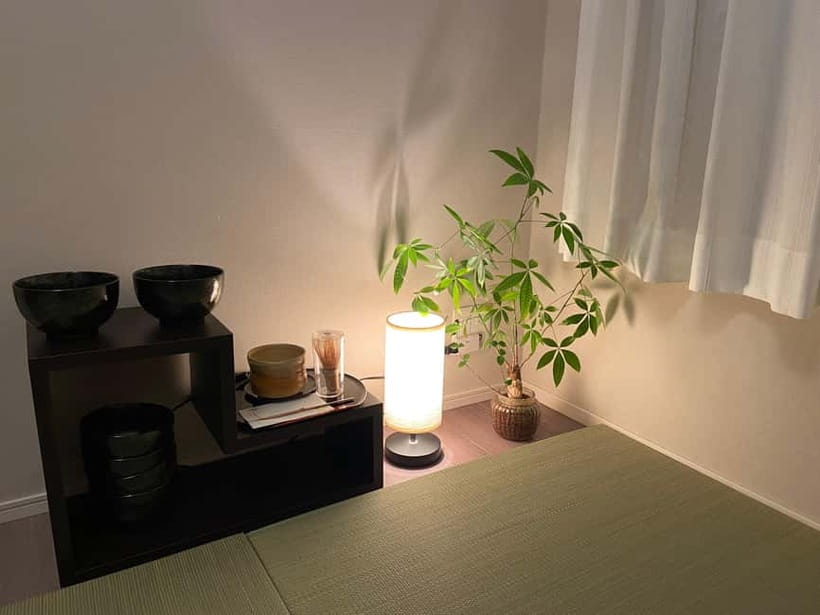
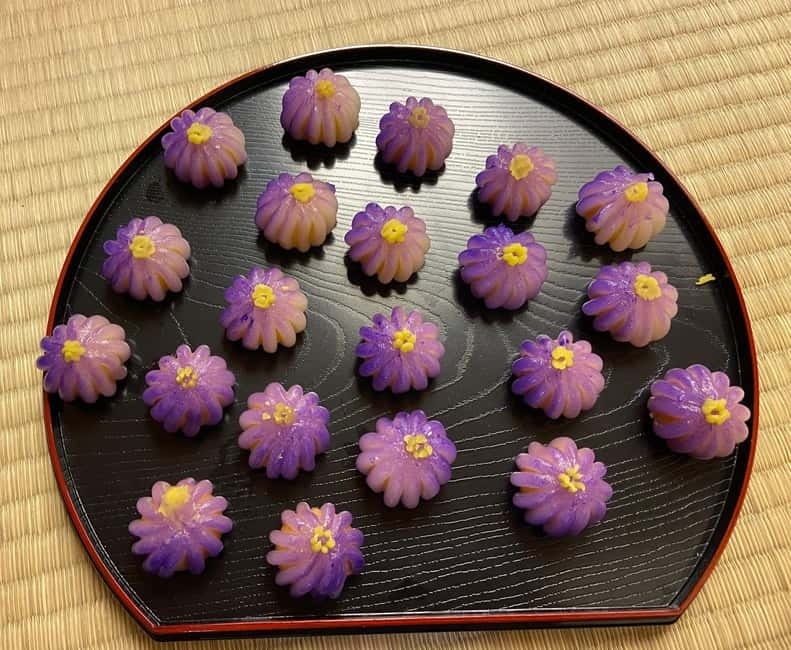
You will taste traditional Japanese sweets after the matcha portion. These sweets are included, and they are not random add-ons. In tea ceremony, sweets help balance bitterness and prepare your palate for the tea.
Taste note: matcha can feel strong and earthy. The sweetness and texture of the sweets can soften that first punch. You also get to experience an older pairing style, where dessert is designed to match the flavor profile and pacing of tea.
Important catch: if you have food allergies, you should not eat the Japanese sweets and confectionery. The activity explicitly notes that people with allergies should not participate in this format. If you are gluten-free, lactose-free, or nut-free and you are not sure what is used, you should be very cautious. The data given here only tells you that allergy-friendly options are not supported, so treat this as a no-risk-only activity.
Not ready to leave Osaka yet? A few more ways to fill the day.
- Osaka Go Karting Tour with Funny Costume
★ 5.0 · 2,658 reviews - Osaka Castle: Museum and Tower Entry Ticket
★ 4.5 · 2,380 reviews - Osaka: Shinsekai Food Tour with 13-15 Dishes at 5 Eateries
★ 4.8 · 2,204 reviews
Sencha Tasting: The Tea You’ll Actually See in Japan Today
After matcha, the experience shifts to sencha green tea. Sencha is one of the most commonly drunk teas in Japan, so this portion is great if you want to connect the ceremony to real life.
You taste the sencha along with current Japanese confectionery. The instructor then explains the history of sencha and other aspects of it. That explanation is useful because sencha is not matcha’s twin. It is made and enjoyed differently, and your taste experience reflects that.
What you learn here helps you order better later. Even if you do not become a tea nerd, you will understand enough to pick between styles, and you will recognize that green tea is a category with real variety. This makes the experience feel more complete, not like a single-tea-only stop.
Yukata Option and a Photograph Moment
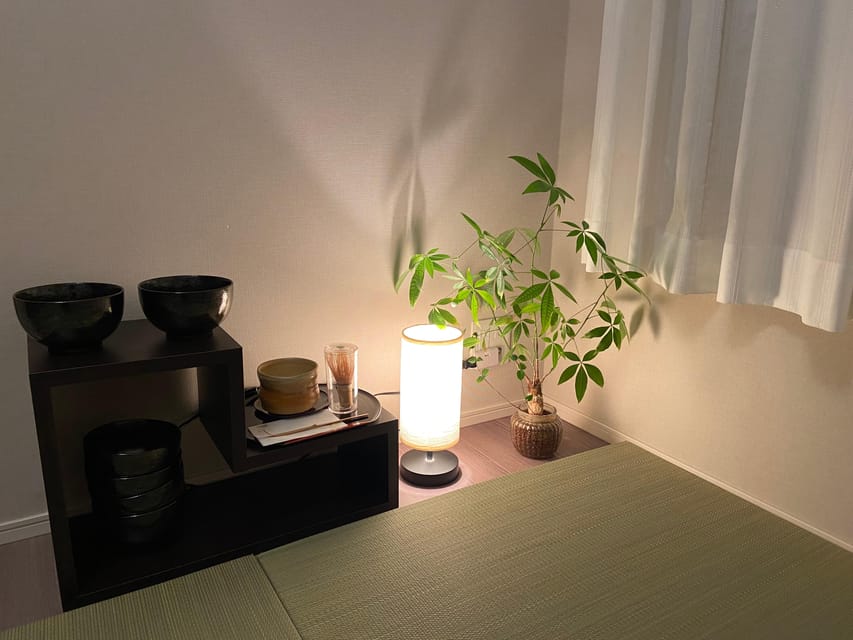
If you want to add a visual memory to the day, you can wear a yukata during the ceremony. The yukata is not automatically included, but you can select an additional option when booking.
You also get the opportunity to have your photograph taken after the experience. If you like the idea of a keep-sake photo without having to stage a whole production, this is a nice bonus.
Two practical tips if you go this route:
- If you are wearing a rented yukata, wear footwear that is easy to slip on and off at the right moments.
- Keep your focus on the ceremony itself. Photos are fun, but you will enjoy the class more when you treat the ritual steps as the main event.
Price and Value: Why $25 Can Make Sense Here
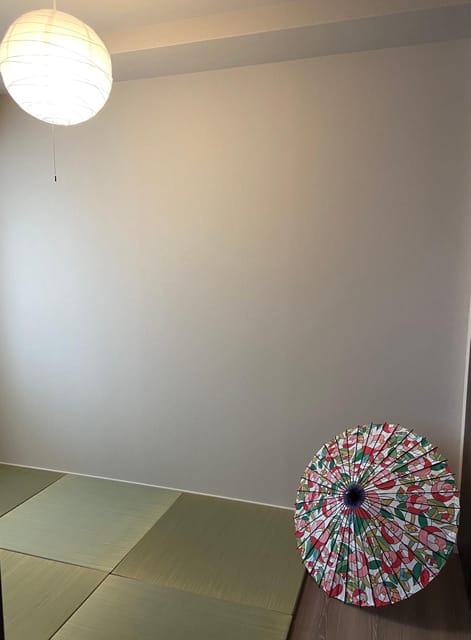
At $25 per person for about one hour, this may look simple compared to longer tours. But value here comes from what you receive, not the clock alone.
You get:
- Instruction from tea ceremony instructors
- Included tasting of matcha plus traditional sweets
- Included tasting of sencha plus Japanese confectionery
- A structured learning experience in a traditional tatami room
- The chance to practice making tea, not just watch
In other words, you are paying for guided cultural practice plus multiple tasting components. If you have ever paid for a class where you only observe, you know the difference. Making tea yourself is a real value multiplier, because it gives you confidence and memory.
Also, the instructor supports English and Japanese, which reduces the usual “I’m in a class but I don’t get the meaning” problem.
How to Find the Meeting Point and Show Up Ready
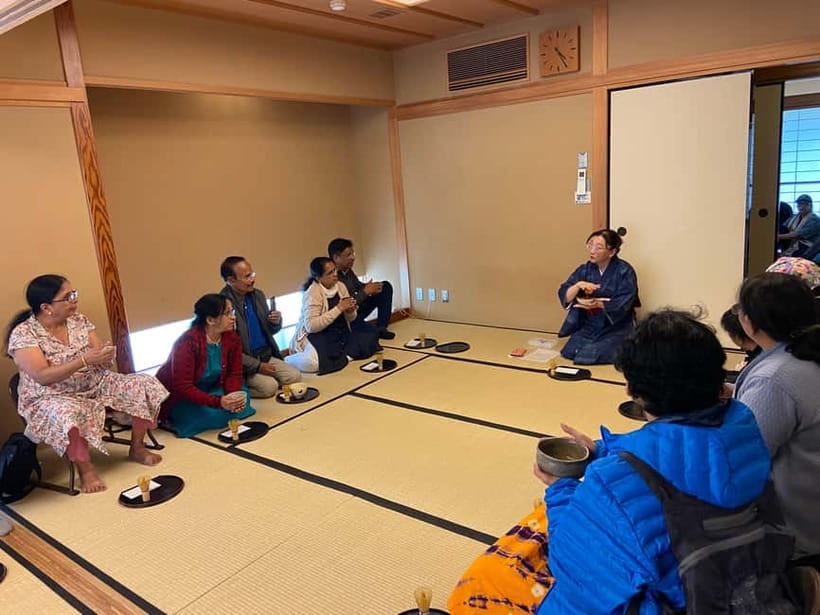
The meeting point is clearly tied to public transit: Underground Midosuji Line, Exit 3, ground floor. Since tea ceremonies tend to be paced and quiet, showing up right on time matters more than it would for a fast museum stop.
What to bring:
- A curious mindset, and a willingness to follow instructions closely
- If you choose yukata and photo options, plan for extra time and keep your schedule flexible
- If you have any dietary concerns beyond allergies, you might want to check first, since the experience centers on included sweets
Before you arrive, read the rules in your booking confirmation and keep them in mind. Noise and distractions are not part of the format, and the experience is designed around respectful, calm participation.
Who This Experience Is For (and Who Should Skip It)
This is a strong choice for:
- First-timers who want the core matcha ceremony etiquette
- Travelers who like hands-on cultural activities
- People who enjoy tasting and want context on both matcha and sencha
- Anyone who wants a calm experience that still feels meaningful
It is not suitable for:
- Wheelchair users (the activity is not set up for this)
- People with food allergies, since sweets and confectionery are part of the session
It also has limits on group type. Bachelor and bachelorette party groups are not allowed, and the activity is clearly designed for calm, respectful participation. If you are traveling with a loud crew, you will probably feel constrained.
A Realistic Take: What You’ll Walk Away With
By the end, you will understand more than how to hold a tea tool. You will understand why the ritual exists, how matcha and sencha differ in experience, and how sweets fit into the pacing.
I like that the session gives you both:
- the ceremony style that values etiquette and attention
- the modern, everyday style with sencha that you will likely find across Japan
That combination helps the experience travel with you. You can order tea later with less guesswork, and you will recognize more than one “kind” of green tea.
Also, if you are the kind of person who remembers small moments, you will probably remember the quiet tatami room, the guided step-by-step practice, and the explanation that connects the ritual to something deeper than performance.
Should You Book This Osaka Tea Ceremony?
I think you should book it if you want a genuine, hands-on cultural experience in Osaka that lasts about one hour, includes both matcha and sencha tastings, and teaches etiquette with clear English guidance. The consistently high review rating and the specific praise for the instructor’s kindness and teaching style, including Yuko, are exactly what you hope for in a class where you are learning something delicate.
Skip it if:
- you have food allergies and cannot safely eat the included sweets
- you need wheelchair accessibility
- you want a loud, social event with minimal instruction
If your goal is calm learning, good tea, and a real taste of Japanese ritual and everyday practice, this is a solid pick for your Osaka itinerary.
FAQ
How long is the Osaka tea ceremony experience?
The duration is listed as 1 hour.
What does the price include?
It includes matcha green tea and traditional Japanese sweets, sencha green tea and current Japanese confectionery, and tea ceremony instructors.
Do I get to make tea myself?
Yes. You watch the tea master prepare matcha and then you learn how to make tea according to tea ceremony etiquette.
Is yukata included?
No. Yukata is not included, but you can rent it separately by selecting the relevant additional option when booking.
Can I take a photo?
Yes. After the experience, you have the opportunity to have your photograph taken.
What teas will I taste?
You will taste matcha green tea and also sencha green tea.
Are there any food allergy restrictions?
Yes. Persons with food allergies should not eat the Japanese sweets and confectionery. The activity is not suitable for people with food allergies.
Where is the meeting point?
The meeting point is underground on the Midosuji Line, Exit 3, ground floor.
What languages are offered?
The instructor is available in English and Japanese.
Is cancellation flexible?
Free cancellation is offered up to 24 hours in advance for a full refund.
Just added around Osaka

Tea Ceremony & Matcha Experiences, compared.
Matcha Making Class in Osaka with Authentic Japanese Sweets Set
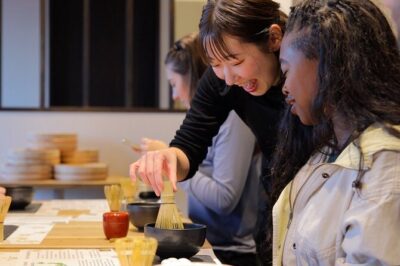
Read our review →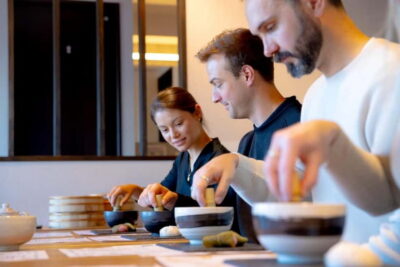
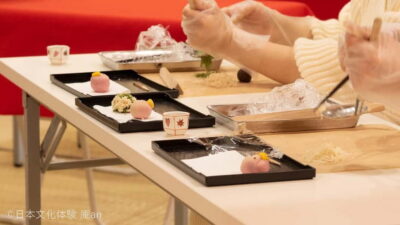
Japanese Traditional Sweets Making and Tea Ceremony
Read our review →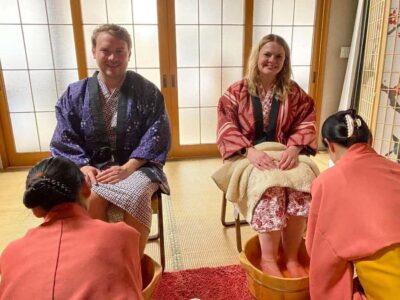
Osaka Temple Cool Foot Bath & Matcha Experience〈45min〉
Read our review →
Samurai Show, Tea Ceremony, Japanese Traditional Activities
Read our review →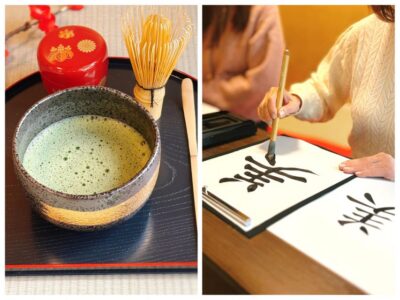
This tour also fits