Reviewed · WORKSHOPS
Osaka: Kendo Workshop Experience
Two hours, and you feel samurai ready. This Osaka Kendo workshop is a real dojo training session, not costume play, with dojo etiquette and hands-on bamboo sword practice. The instruction style is so clear it helps even first-timers get it right, including the kind of careful coaching people associate with Yamasaki sensei. One consideration: it is not suitable for children under 9, pregnant women, or anyone with mobility impairments or wheelchair use.
I like that the session covers the full flow, from ritual and manners to how to strike, then ends with face-protector work and a match-style mini-game you can actually join. You also get a culture slice, so the training feels connected to the art, not just the hits. The peace and focus inside the dojo, plus the sound of bamboo swords and the instructor’s voice, make it feel physical in a good way, even if you are not “in shape” for battle.
In This Review
- Key Highlights You Should Know
- A 2-hour Kendo Workshop at Shigino Kaikan Hall
- From Clothes Change to Etiquette: Learning How Kendo Starts
- Men Face Protector and the Match-Style Mini Game
- The Instructor Factor: Clear Corrections in English and Japanese
- The Practice Itself: Sound, Rhythm, and Real Discipline
- Price and Logistics: Is $116 Good Value in Osaka?
- Who Should Book This Kendo Workshop?
- Should You Book It?
- FAQ
- How long is the Osaka Kendo workshop?
- Where do I meet for the workshop?
- What languages are available for instruction?
- Is kendo equipment included?
- Is food included?
- How big is the group?
Key Highlights You Should Know
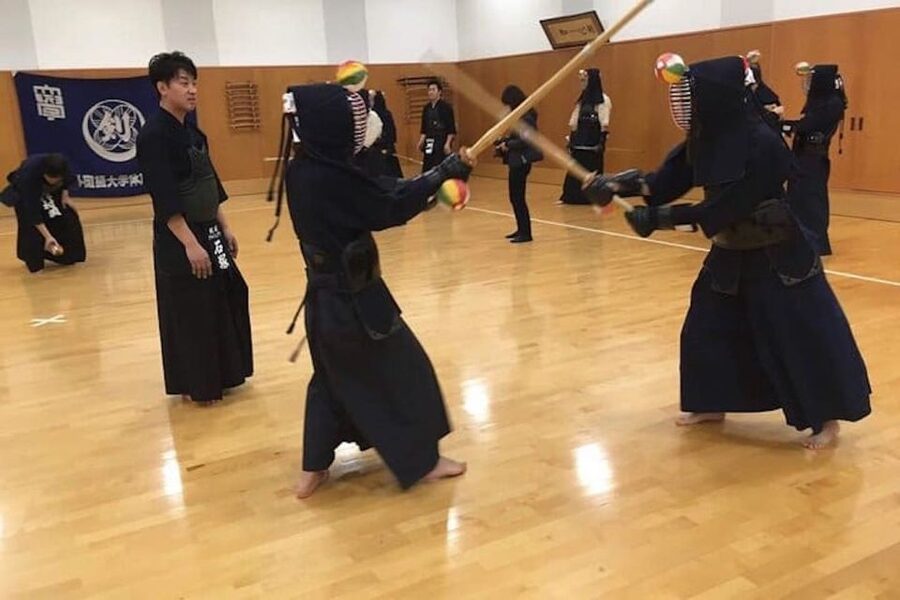
- Real kendo training sequence: etiquette, basics, Men face protector, then mini match practice
- Safe for beginners: expert instructors guide you step by step and correct your form
- Hands-on equipment included: rental armor and a special kendo towel are part of the experience
- Small group format: limited to 2 participants for more attention and smoother pacing
- Culture, not just contact: you get history and martial-arts manners alongside technique
- National-level demonstrations: watch techniques close up, then finish with etiquette and photos
A 2-hour Kendo Workshop at Shigino Kaikan Hall
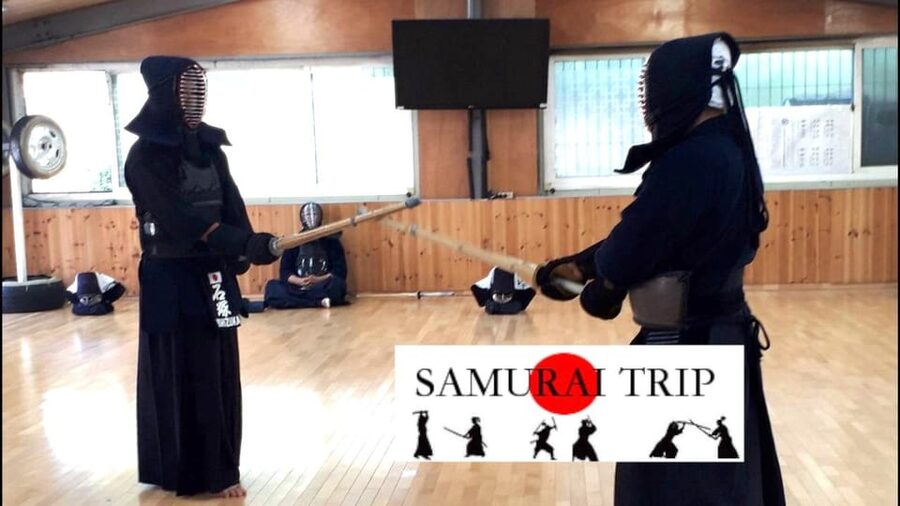
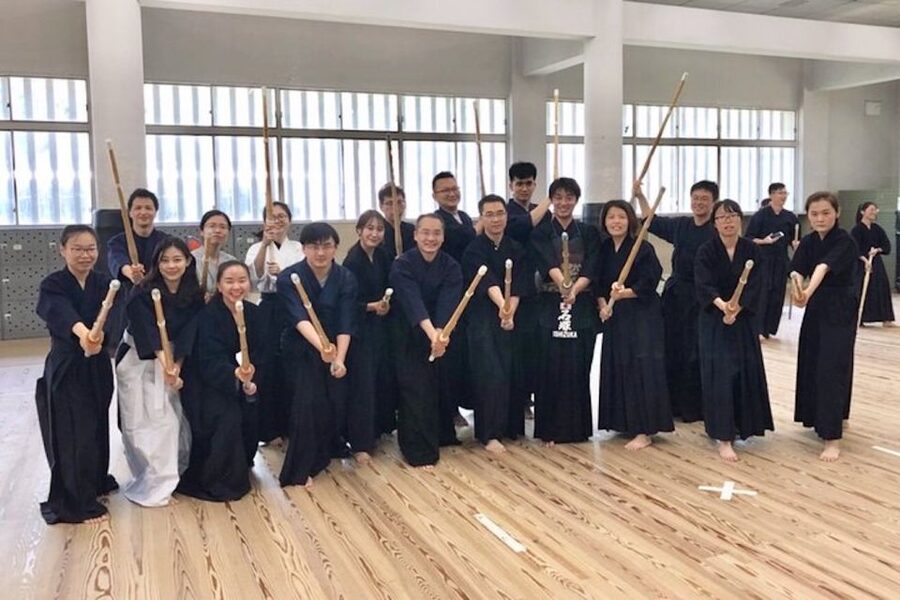
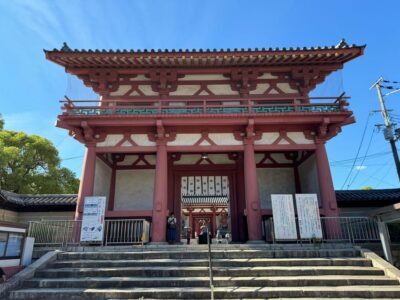
Osaka Kendo training happens in a place that feels like it takes itself seriously, in a good way. The meeting point is 鴫野会館 / Shigino Kaikan hall, which is the start of your “training mindset” more than it is just a location. You are there for two hours, and that short time is part of the appeal. You get structure, coaching, and a satisfying arc without turning it into an all-day project.
The session is designed for you to try kendo safely, because the instructors teach with control. That matters, because kendo can look intense from the outside. In reality, your time is broken into segments where you learn, practice, and then move forward only when you are ready. If you want to experience the feel of kendo without needing prior martial-arts background, this format does a solid job.
There is also a small-group advantage. The workshop is limited to 2 participants, which usually means you spend less time waiting and more time doing. It is a big difference from the “line up and watch” style that some activities use. Even if you come alone, the class is still tight.
One more practical note: food is not included. You can plan your meal either before or after. After class, it is common to head to an izakaya, and there is even a “special samurai meal” you can look for on the menu when you want to keep the theme going without turning it into a full production.
Other ways to spend a day in Osaka
- Sushi Making Osaka Roll and Authentic Japanese Sushi Class★ 5.0 · 1,220 reviews
- Matcha Making Class in Osaka with Authentic Japanese Sweets Set★ 5.0 · 509 reviews
- Osaka: Ramen and Gyoza Cooking Class in Dotonbori★ 5.0 · 378 reviews
- Osaka Cooking Class: Okonomiyaki &Japanese cuisines experience★ 5.0 · 261 reviews
- Osaka: Roll and Authentic Sushi Making Class in Dotonbori★ 4.9 · 239 reviews
From Clothes Change to Etiquette: Learning How Kendo Starts
Kendo is not just striking. It starts with how you enter, how you stand, and how you act. That is exactly what the workshop gives you first. You will go through a change of clothes step, then get a basic etiquette talk. This is the moment where the experience stops being entertainment and starts feeling like training.
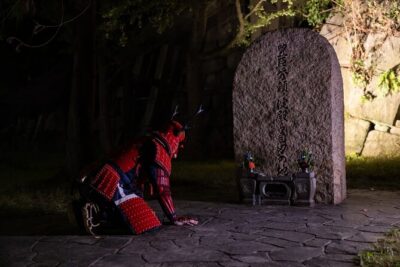
You are taught core ideas like unify your spirits, manners, and the idea of lifelong kendo. Those phrases sound philosophical until you see how they guide the behavior in the dojo. In practice, they show up as posture, calm focus, and the discipline to follow instructions the same way every time.
Next comes the basics: you learn the sequence from the beginning ritual to how to hold and use the bamboo swords, and how to hit in a controlled way. You also practice hitting to the teacher. That step is important, because it removes the uncertainty of “Where do I aim?” You get a target and feedback, which helps you correct quickly.
Then there is an interval for the culture side of kendo. This is not a random lecture. It connects what you are doing physically to what the art stands for historically and as a martial art. If you have ever wondered why people treat kendo with such formality, this portion helps you understand the reasons behind the manners.
The pacing is smart for most visitors: technique first, culture for context, then protection and more direct practice.
Men Face Protector and the Match-Style Mini Game
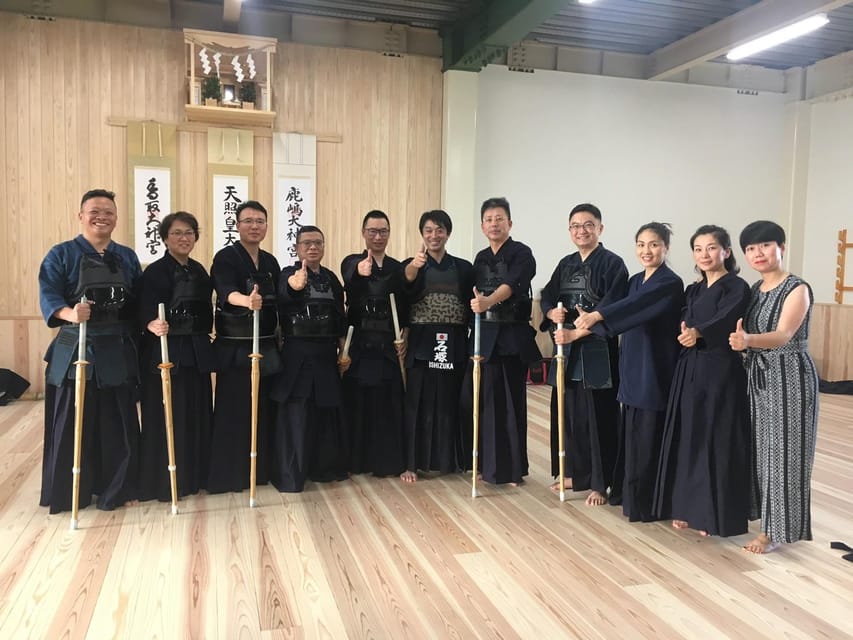
Once you have the basics down, you move into the face-protector stage. You put on Men, the face armor, and the training shifts. With the protection on, your practice becomes more realistic, and the energy rises without turning chaotic.
After Men, you hit again to the teacher. Then you get a match-style mini-game. This is one of the best parts for first-timers, because it converts drills into something that feels like kendo competition. You are not just repeating motions. You are reacting, adjusting your timing, and following what your instructor tells you to do in a “game-like” format.
This is also where you get a strong sense of kendo as a team sport even though you are training with one partner. There is a rhythm to it. You learn how to approach, how to reset, and how to keep control. People tend to notice the sound right away, the bamboo sword contact and the dojo’s echo. It feels sharper than you expect, because the space is quiet and focused.
By the end, you also get demonstrations by national-level instructors. Watching techniques up close is a reality check in the best way. You can see how form, timing, and movement fit together. You walk away with clearer “standards” for what you tried to do earlier.
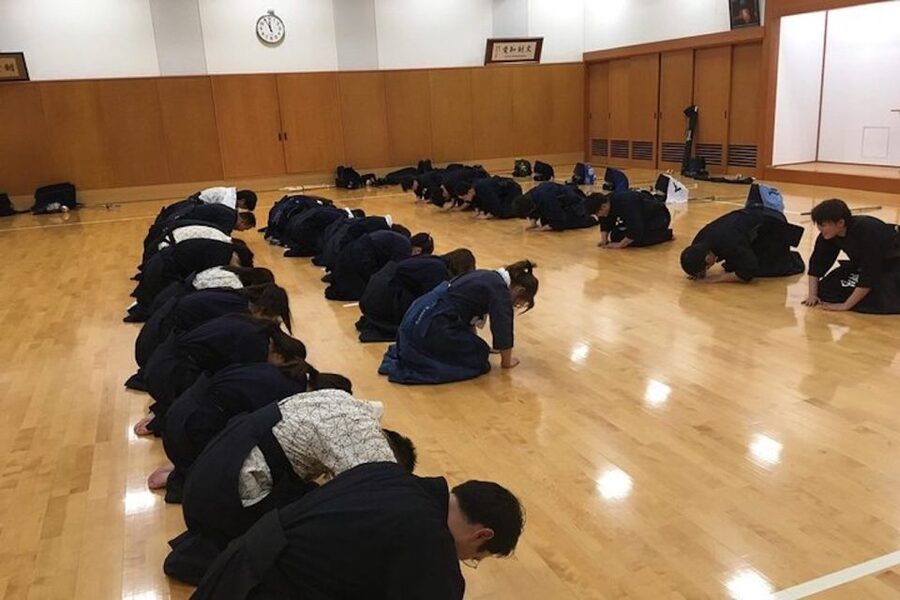
The session finishes with etiquette and photography. It is a neat wrap, and you are not left hanging with nothing to remember.
The Instructor Factor: Clear Corrections in English and Japanese
Kendo experiences can go two ways: either you get vague instructions and hope for the best, or you get teaching that actually fixes small problems. This workshop aims hard at the second.
The instructor language options are English and Japanese, which is great for visitors who want to understand the “why” and not just copy the motion. In a lesson that mixes ritual, manners, and technique, clarity matters. You cannot fake understanding. The instructor needs to be able to explain body positions, sequencing, and safety rules in a way that sticks.
People also really respond to the teaching style. You will get attention on technique details, not just “good job.” That is why first-timers tend to feel like they are learning real kendo, not just borrowing a sword for photos. The best instructors make your safety and your learning the same priority, and they do it by staying patient and precise.
It helps that the experience is calm. A quiet dojo changes how you learn. You hear the instructor’s voice. You feel the discipline in the pauses. And because the group is small, you get more correction time rather than being lost in a bigger class.
If you value instruction quality, this is a strong choice. If you just want a quick selfie and a vibe, you might find it too structured.
The Practice Itself: Sound, Rhythm, and Real Discipline
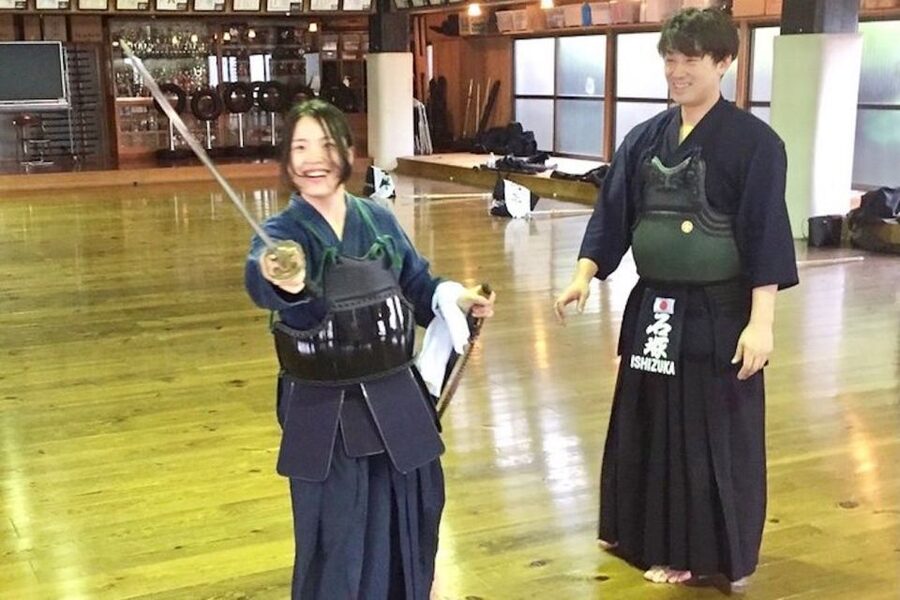
What makes kendo work in this workshop is that the techniques are taught as a controlled progression. You start with basics, practice hitting with bamboo swords, and then move toward partner-facing drills. By the time Men goes on, your movements become more confident.
A detail you will probably notice is how physical the practice feels even when the session is beginner friendly. Kendo relies on stance, timing, and the commitment to each strike. The experience also encourages the mental side, because unifying your spirit and focusing your manners are part of the training model.
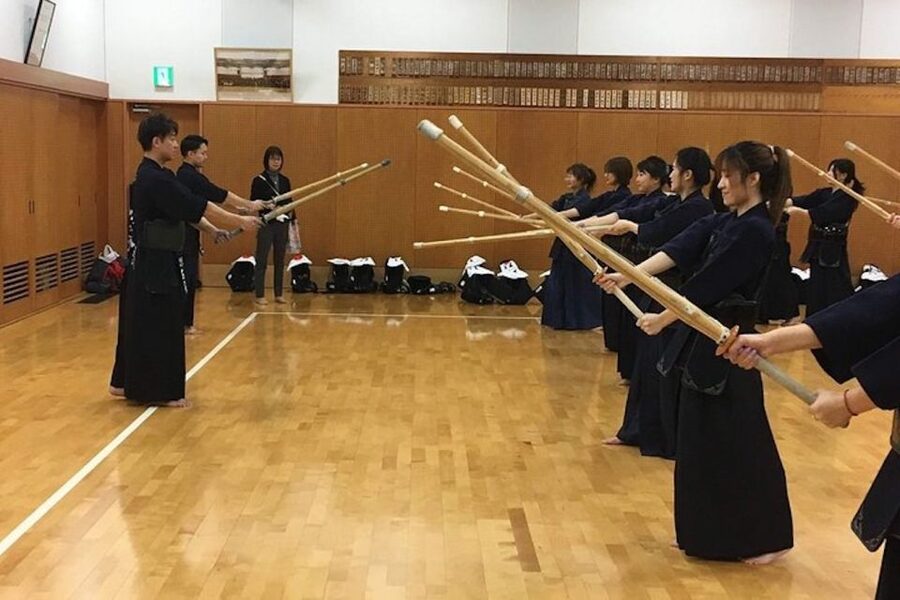
You should expect the dojo soundscape. Bamboo swords colliding is not just noise. It becomes feedback. The echo, the instructor’s cues, and the way your body reacts to the rhythm help you understand why kendo is so disciplined.
Safety is part of the design. You are not thrown into a random spar without guidance. Instead, the instructors teach you how to hit and how to interact safely, and you repeat the right patterns until they feel natural. That is why many people feel comfortable trying it for the first time.
One practical plus: you get water (mineral water included) and a free Japanese hand towel. Those small “real life” touches help. You can focus on learning without worrying about basic comforts.
After the last step, you change clothes again and the experience wraps cleanly. Then you are free to go find dinner, ideally something easy, warm, and celebratory.
Not ready to leave Osaka yet? A few more ways to fill the day.
- Osaka Go Karting Tour with Funny Costume
★ 5.0 · 2,658 reviews - Osaka Castle: Museum and Tower Entry Ticket
★ 4.5 · 2,380 reviews - Osaka: Shinsekai Food Tour with 13-15 Dishes at 5 Eateries
★ 4.8 · 2,204 reviews
Price and Logistics: Is $116 Good Value in Osaka?
At about $116 per person for a 2-hour session, you are paying for a lot more than a “hands-on selfie activity.” The price includes professional instruction, rental of kendo armor and equipment, mineral water, and a free Japanese hand towel. You also get a special kendo towel as part of the experience.
Value comes from the combination of three things. First, you get real training content across multiple stages, not just one short demonstration. Second, you get small-group attention, limited to 2 participants, so the instructor time per person is higher than you would get in a bigger class. Third, you see national-level demonstrations, which gives you a benchmark for the skills being taught.
Logistically, you should plan to get yourself to Shigino Kaikan hall. Hotel pickup and drop-off are not included. Food is also not included, so decide where you will eat after. If you like the idea, you can treat dinner as part of the story by checking an izakaya menu for a “special samurai meal.”
In terms of scheduling, you will need to check available start times because the experience depends on the session schedule. The upside is that it is only two hours, so it fits well even if your Osaka day is packed.
This is best when you want something authentic and structured. It is not best if you want a casual, flexible experience where you can drop in and out.
Who Should Book This Kendo Workshop?
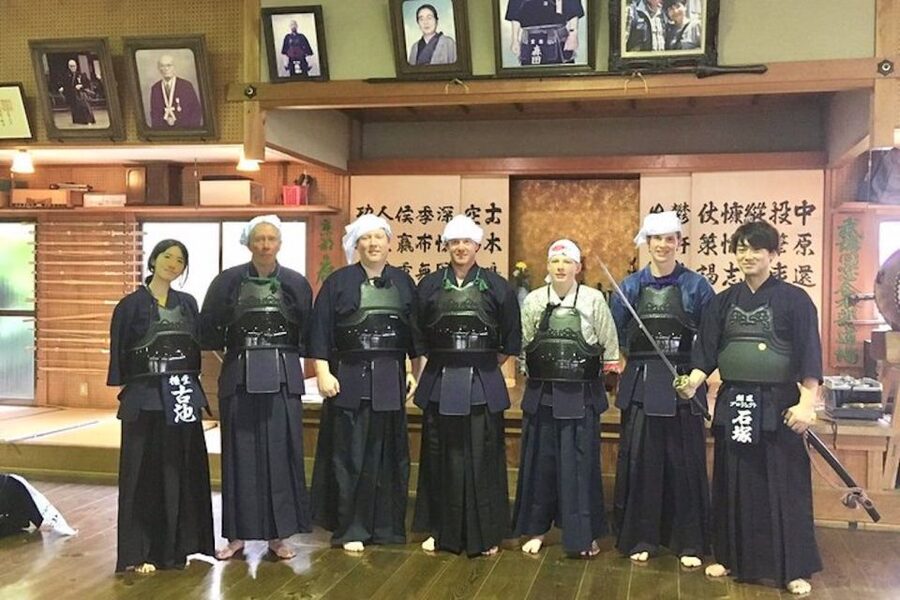
Book this if you want to learn the foundations of kendo in Osaka with actual coaching. It is a strong match for adults and older teens who like hands-on training, clear guidance, and a respectful cultural activity. You will probably feel happiest if you enjoy rules, etiquette, and steady improvement.
You might also like it if you care about the cultural side. The workshop includes history and martial-arts manners, so it does not reduce kendo to fighting moves only.
Avoid it if any of these apply: children under 9, pregnancy, mobility impairments, wheelchair use. This is a structured physical activity where the dojo training flow matters.
If you are nervous, that is normal. The format is built around safe practice with experienced instructors, and the small group helps. You will likely leave with a better sense of what kendo is, and what “good technique” feels like.
Should You Book It?
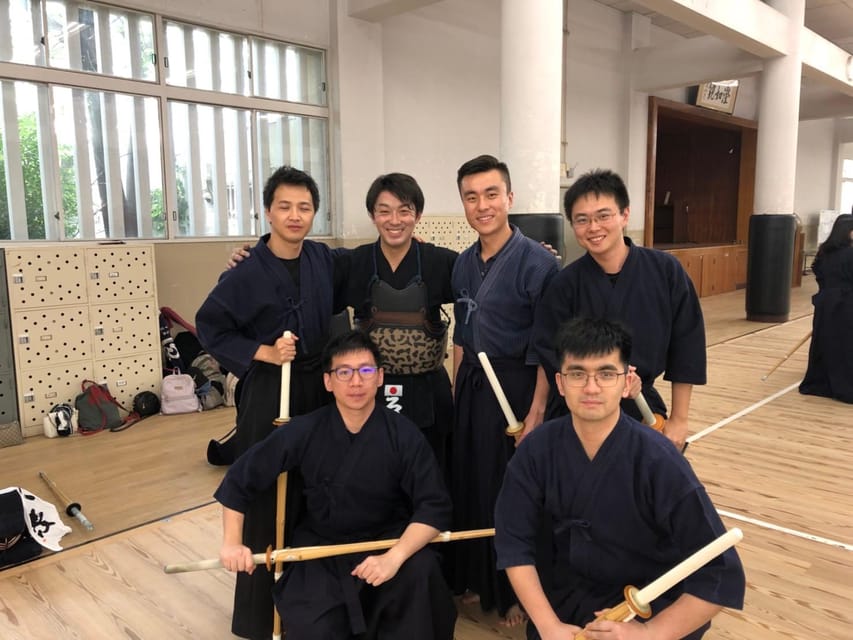
I think you should book this Osaka Kendo workshop if you want a real first taste of kendo, with equipment rental, clear etiquette training, and a proper progression into Men and a match-style mini-game. The small group size, bilingual instruction, and the national-level demonstrations make it feel like more than a basic introduction.
Skip it only if you cannot handle the physical demands or the listed unsuitability categories. If you can participate comfortably, this is a high-value two-hour experience that gives you both the practice and the meaning behind it, with enough structure that you can actually enjoy learning.
FAQ
How long is the Osaka Kendo workshop?
The experience lasts 2 hours.
Where do I meet for the workshop?
You meet at 鴫野会館 / Shigino Kaikan hall.
What languages are available for instruction?
The instructor can teach in English and Japanese.
Is kendo equipment included?
Yes. Rental of kendo armor and equipment is included.
Is food included?
No. Food is not included.
How big is the group?
It is a small group, limited to 2 participants.
Just added around Osaka

Workshops, compared.
Sushi Making Osaka Roll and Authentic Japanese Sushi Class
Read our review →
Matcha Making Class in Osaka with Authentic Japanese Sweets Set
Read our review →
Osaka Cooking Class: Okonomiyaki &Japanese cuisines experience
Read our review →
Roll and Authentic Sushi Making Class in Dotonbori
Read our review →