
Reviewed · COOKING CLASSES
Osaka Okonomiyaki Cooking Experience!
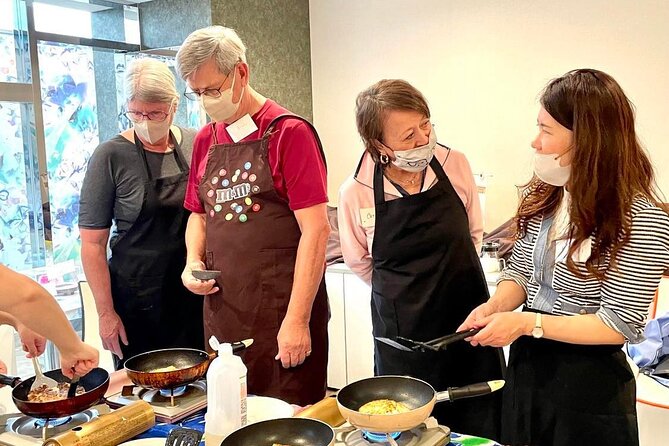
Osaka comfort food, cooked with real people. You get a small-group class (max 6) in a hostel setting, plus the chance to work side-by-side with Osaka locals. I also love how Keiko and her mom focus on the simplest method so you can actually cook okonomiyaki back home, with hands-on help throughout. One thing to consider: because it is a group lesson, there’s a possibility of cross-contamination, and some ingredients may include refined sugar.
This is scheduled for 4:00 pm and runs about 2 hours, ending where you started. Meeting is near Nagahoribashi subway station at 1-chōme-1-3 Higashishinsaibashi in Chuo Ward, Osaka. You’ll use a mobile ticket, and the class is designed to keep things relaxed, social, and practical.
Food needs can usually be accommodated, including vegan, vegetarian, and halal requests. If you’d rather do it at night, the activity can sometimes be offered in the evening depending on the day. Keiko has been running this experience since 2015, and the whole vibe is family-led, with conversation as part of the meal.
In This Review
- Key things to know before you cook in Osaka
- Why Osaka-style okonomiyaki tastes different
- The hostel kitchen setup, and what it means for your experience
- Step-by-step: what you do during the 2-hour class
- 1) Welcome and quick intro to the plan
- 2) Miso soup prep you can repeat later
- 3) Make the batter and prep toppings
- 4) Cook the pancake and learn the feel of it
- 5) Sit down together and eat
- 6) Conversation with Osaka friends (the secret ingredient)
- The people factor: Keiko, her mom, and Sachiko
- Dietary needs and the cross-contamination reality
- Price and value: $49.55 for two hours of hands-on Osaka food
- Where this class fits in your Osaka itinerary
- Who should book (and who might not)
- Should you book this Osaka okonomiyaki cooking experience?
- FAQ
- How long is the okonomiyaki cooking class?
- How many people are in the group?
- Where do I meet for the class?
- What time does the class start?
- Can the class handle dietary requests like vegan or halal?
- Can this experience be done at night?
- What is the cancellation policy?
Key things to know before you cook in Osaka
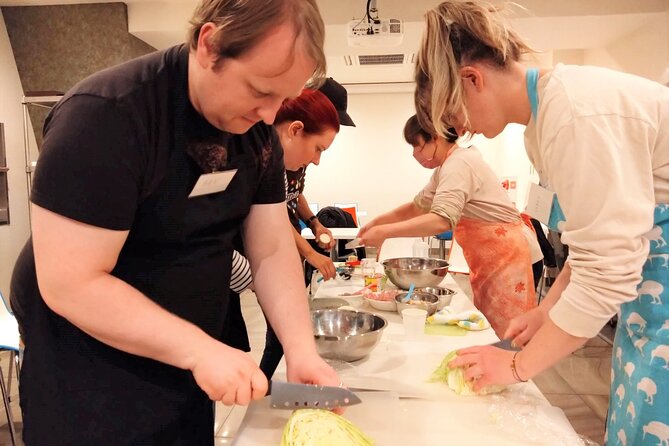
- Max 6 people, more hands-on help: You’re not lost in a big crowd.
- You cook the full meal: Osaka-style okonomiyaki plus miso soup.
- Locals join the conversation: Keiko invites Osaka friends to eat and chat.
- Custom requests are welcome: Vegan, vegetarian, and halal can be arranged.
- Handmade extras, not tourist junk: Aprons made from kimono material, plus small souvenir bags made from used kimonos.
Why Osaka-style okonomiyaki tastes different
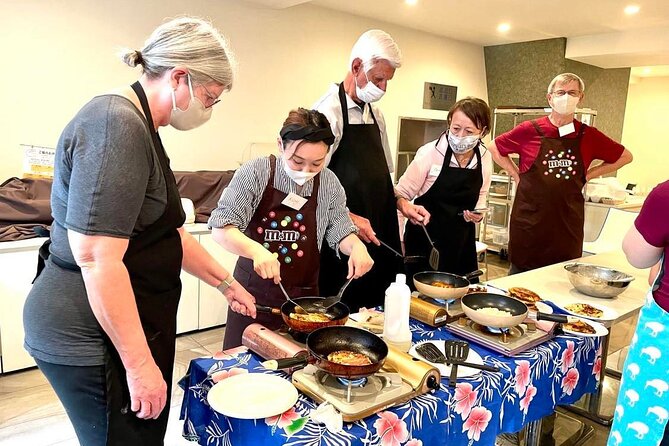
Osaka okonomiyaki is the kind of food that feels like a snack and a meal at the same time. It is a savory pancake, often described as Osaka’s comfort food, and the batter plus toppings make it flexible. The big win here is that you do not just get a history lesson, you learn a repeatable approach you can use at home.
Keiko also talks about how the dish varies by region, including comparisons like Hiroshima-style. That context matters, because it helps you understand why the flavors and structure feel different, rather than treating okonomiyaki like a single rigid recipe. You’ll leave knowing what to keep the same and what you can swap.
And yes, it is fun. The class is built around cooking with your group and locals, then sitting down together. That social meal is a big part of why the experience works, especially if you want to meet people without turning it into a formal dinner.
Other ways to spend a day in Osaka
- Osaka: Ramen and Gyoza Cooking Class in Dotonbori★ 5.0 · 378 reviews
- Osaka Cooking Class: Okonomiyaki &Japanese cuisines experience★ 5.0 · 261 reviews
- Ramen and Gyoza Cooking Class in Osaka★ 5.0 · 202 reviews
- Osaka Sake Tasting with Takoyaki Cooking★ 5.0 · 156 reviews
- Osaka Sake Tasting & Takoyaki Cooking Experience★ 5.0 · 149 reviews
The hostel kitchen setup, and what it means for your experience
This is a small-group cooking class held in an Osaka hostel near Nagahoribashi station. That location choice is not random. Hostels tend to run lean and practical, and the kitchen setup usually makes it easier to stay engaged, not just watch.
Expect a meeting that is straightforward: you start at 1-chōme-1-3 Higashishinsaibashi, Chuo Ward, Osaka 542-0083, and the activity ends back at the meeting point. With a max of 6 travelers, the kitchen flow is designed so everyone has time on the cooking process, rather than only one or two people getting hands-on turns.
Also, since it is a mobile ticket activity, you will likely be using your phone as the key thing at check-in. Keep your booking confirmation handy, since confirmation is received at booking time.
Step-by-step: what you do during the 2-hour class
The schedule is short on purpose, so you get a focused session rather than a long demo. In about two hours, the class is typically organized around learning the base recipe, cooking your own pancake, and eating what you make.
1) Welcome and quick intro to the plan
You’ll start with a meet-and-greet moment and then get the basics of what you’ll make: miso soup and okonomiyaki. Keiko’s teaching style is patient and clear, and multiple participants highlight how comfortable the setting feels, even if your Japanese is limited.
If you have dietary needs, this is the time to raise them. The host says requests like vegan, vegetarian, and halal can be accommodated, with the reminder that ingredients may contain refined sugar. If you have a severe allergy, you should ask directly about cross-contamination and ingredient specifics, since group lessons can mean shared prep space.
2) Miso soup prep you can repeat later
Before the okonomiyaki hits the heat, you learn how to handle miso soup as part of the meal. This matters because it grounds the flavor of the table, not just the pancake.
You also get experience with timing and simple technique, not just mixing ingredients. The goal is that when you cook at home later, you can reproduce a similar result without needing specialized gear.
Not ready to leave Osaka yet? A few more ways to fill the day.
- Osaka Go Karting Tour with Funny Costume
★ 5.0 · 2,658 reviews - Osaka Castle: Museum and Tower Entry Ticket
★ 4.5 · 2,380 reviews - Osaka: Shinsekai Food Tour with 13-15 Dishes at 5 Eateries
★ 4.8 · 2,204 reviews
3) Make the batter and prep toppings
Next comes the hands-on part: learning the simplest way to cook Osaka-style okonomiyaki. The class emphasizes basic steps you can actually repeat, not complicated tricks.
Depending on your chosen options, the toppings and ingredients can be adapted. Reviews specifically mention vegan-friendly care, and participants note that alternatives are discussed, not ignored.
4) Cook the pancake and learn the feel of it
Then you cook your okonomiyaki. This is the moment where you go from learning to doing, with Keiko and her team giving guidance as you go.
Because it is hands-on, you get real practice with shaping and cooking. You also learn how to adjust based on your preferences, which is key if you want to recreate it later instead of simply eating a one-time meal.
5) Sit down together and eat
When the cooking is done, you eat what you made. This is not a grab-and-go experience. You sit down together, and conversation flows, including English and Japanese language practice for people who want it.
Some participants also mention a small dessert such as mochi. Even if dessert is small, it is a nice way to end the session, and it fits the homey hostel-style meal feel.
6) Conversation with Osaka friends (the secret ingredient)
The class includes locals invited by your host. Reviews highlight that this is more than a cooking demo, it is a cultural meet-up built around food.
That means you might talk about everyday life, ingredients, and what locals cook with in their own homes. It is a big reason the experience gets repeated recommendations, especially for solo travelers who want something social but not chaotic.
The people factor: Keiko, her mom, and Sachiko
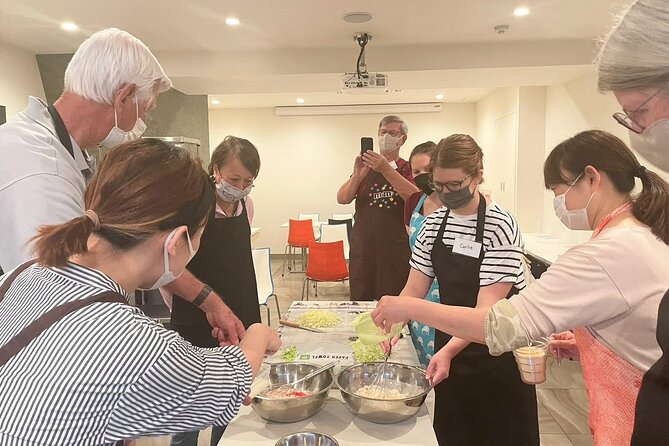
What makes this class feel personal is the family dynamic. Keiko is the lead instructor, and her mom and assistant Sachiko help guide the group.
A recurring theme in the feedback is warmth plus patience. People mention that Keiko explains the history of okonomiyaki, includes regional differences, and still keeps the cooking steps simple enough that you do not feel overwhelmed.
There is also an extra layer that feels genuinely local: the mom sews aprons, and participants receive small souvenir bags made from used kimonos. Those details are not just decoration. They signal that this is a family-run class where craft and hospitality are part of the meal.
Dietary needs and the cross-contamination reality
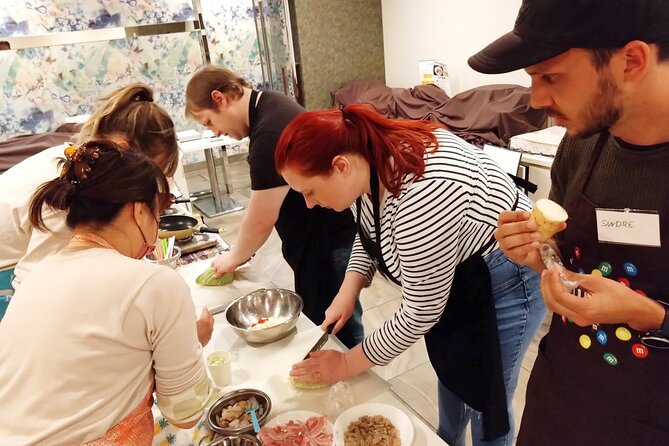
If you have dietary restrictions, this is one of the better options because the host says she can accommodate requests like vegan, vegetarian, and halal.
Still, there is a clear note: ingredients may contain refined sugar, and there is a possibility of cross-contamination due to group lessons. That matters if you have strict dietary rules or medical allergies.
My practical advice: when you book, include your needs clearly in the request fields. If you have a sensitive restriction, message the provider and ask how they handle it in the group kitchen environment. Do not assume a separate prep area exists, because the class is designed for small group interaction.
Price and value: $49.55 for two hours of hands-on Osaka food
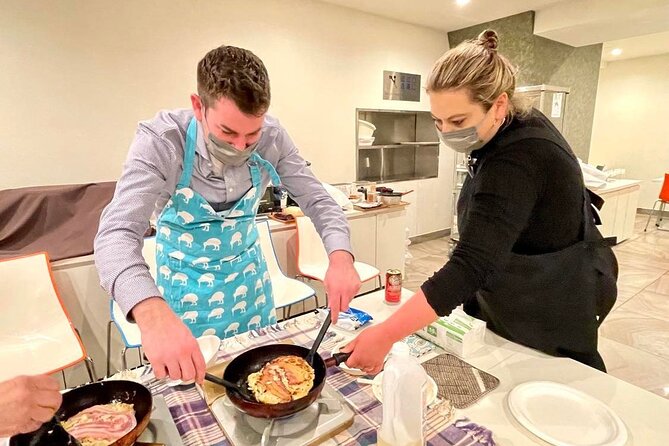
At $49.55 per person for about two hours, this feels fair for what you get. You’re paying for more than the food. You’re paying for structured teaching, ingredients, and a small-group setup where you cook and eat together.
The best value signals here are:
- Max 6 travelers, so you get real attention.
- Food included, meaning miso soup and your own okonomiyaki.
- Local conversation, not just silent cooking.
- Handmade extras, like kimono-material aprons and used-kimono tote bags.
If you normally spend time searching for the right restaurant, this is a different way to experience Osaka: you learn how the dish is made, then you get to enjoy it immediately at the table.
Where this class fits in your Osaka itinerary
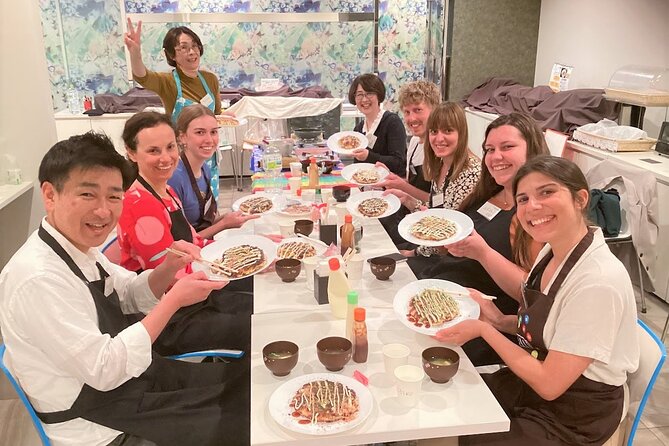
This is scheduled at 4:00 pm, which makes it a smart early dinner or late-afternoon plan. If your day has you moving around the city, this offers a break from the sightseeing treadmill without forcing you into a formal restaurant reservation.
It is also a good option if you want something that feels distinctively Osaka but still leaves you confident to cook later. You’ll have a skill you can use at home, plus a story worth telling.
If you prefer evening plans, note that a night session can be offered depending on the day. That flexibility can help you avoid timing conflicts.
Who should book (and who might not)
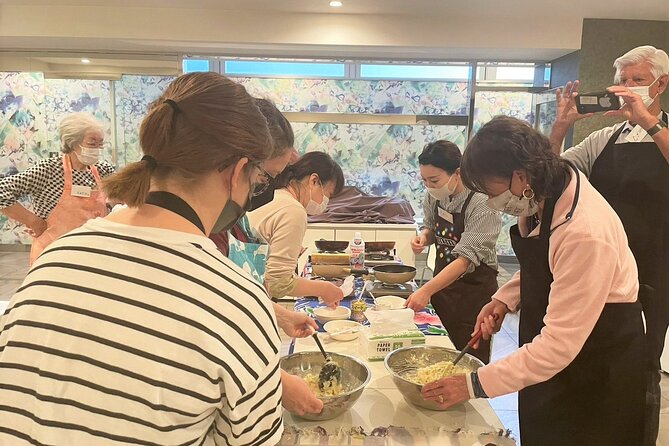
I think this works best for you if:
- you want hands-on cooking rather than watching
- you like meeting locals in a relaxed setting
- you have a specific goal, learn Osaka-style okonomiyaki simply enough to repeat at home
- you want a group size small enough for conversation
You might skip it if:
- you have strict allergy needs and cannot risk cross-contamination in a shared lesson environment
- you are looking for a purely sightseeing focused tour rather than a food-centered cultural exchange
- you want a longer, multi-course cooking program with no group interaction
Should you book this Osaka okonomiyaki cooking experience?
Book it if you want an Osaka meal with real instruction and real conversation. The combo of Keiko’s teaching, the small-group format, and the family-led details like the kimono-material aprons and used-kimono souvenir bags make this feel special for the price.
Skip it only if your dietary situation is too strict for a shared kitchen, because the class itself clearly flags a cross-contamination possibility. If you are comfortable asking direct questions and tailoring your needs ahead of time, this is exactly the kind of experience that helps you take Osaka home with you, literally, via your own okonomiyaki at your next party.
FAQ
How long is the okonomiyaki cooking class?
The class runs for about 2 hours.
How many people are in the group?
The experience has a maximum of 6 travelers.
Where do I meet for the class?
You meet at 1-chōme-1-3 Higashishinsaibashi, Chuo Ward, Osaka, near public transportation, and the activity ends back at the meeting point.
What time does the class start?
The listed start time is 4:00 pm.
Can the class handle dietary requests like vegan or halal?
The host says accommodations are possible for vegan, vegetarian, and halal requests. Ingredients may include refined sugar, and there is a possibility of cross-contamination due to group lessons.
Can this experience be done at night?
It can sometimes be offered at night depending on the day, but the exact schedule depends on availability.
What is the cancellation policy?
Free cancellation is offered if you cancel at least 24 hours before the experience starts for a full refund. If you cancel less than 24 hours before, the amount you paid is not refunded.
Just added around Osaka

Cooking Classes, compared.
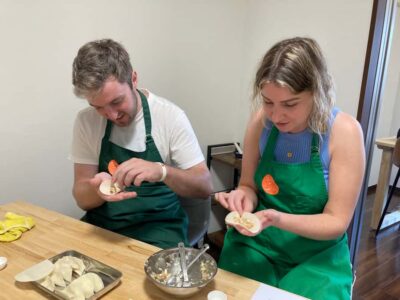
Osaka Cooking Class: Okonomiyaki &Japanese cuisines experience
Read our review →
Osaka Sake Tasting & Takoyaki Cooking Experience
Read our review →
Cooking Ramen&Gyoza/KatsuCurry/Bento/Okonomiyaki+Store Tour@Osaka
Read our review →
Eat Osaka: Street Food Cooking in an Authentic Kitchen!
Read our review →This tour also fits