Reviewed · WORKSHOPS
Osaka: Sashiko Japanese Craftsmanship Workshop
Sashiko turns basic fabric into calm art. In this Osaka workshop, I like that you learn the Edo-period stitching style and leave with handmade coasters. I also like the teaching, with small group guidance from instructor June (English and Japanese), so you are not stuck figuring it out alone. One consideration: you handle your own transport to the venue, though you can be met at Kyobashi station with advanced notice.
For about $67, the value is in the hands-on time. You get tools and materials, learn a practical set of stitches, then take home a finished piece rather than a photo of your progress.
In This Review
- Quick hits before you stitch
- Why Sashiko feels different from regular embroidery
- Enter the 2-hour Osaka workshop rhythm
- The coasters and geometric patterns you’ll actually create
- Who guides you, and why the small group size helps
- Materials, tools, and what you get to take home
- Don’t miss the JunAle shopping corner
- Price and value: is $67 a fair deal?
- Getting to Kyobashi station and making it easy on yourself
- Should you book the Osaka Sashiko Japanese Craftsmanship Workshop?
- FAQ
- How long is the Osaka Sashiko Workshop?
- What is the price per person?
- What will I create in the workshop?
- Are tools and materials included?
- What languages are used during the workshop?
- How big is the group?
- Where is the meeting point?
- Is transportation to the venue included?
- Is the workshop wheelchair accessible?
- What happens if I book as a solo traveler?
- FAQ
- Is free cancellation available?
- Is travel or personal insurance included?
Quick hits before you stitch
- Hands-on Sashiko in a small group (up to 8), with patient instruction from June and the JunAle team
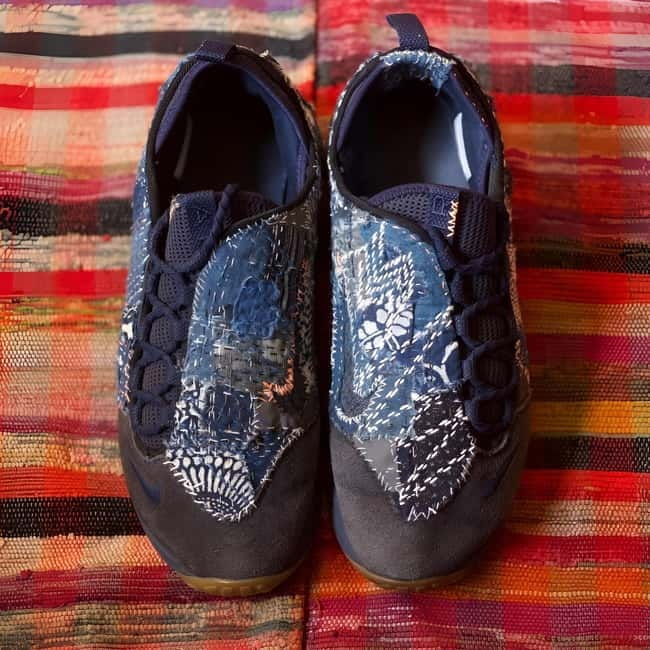
- Geometric patterns on fabric, designed for a satisfying first project
- Tools and materials provided, so you do not need to buy anything before you start
- Take-home memento: a completed Sashiko piece, often a coaster
- A calm, focused workshop mood, with cultural context for what the patterns mean
Why Sashiko feels different from regular embroidery
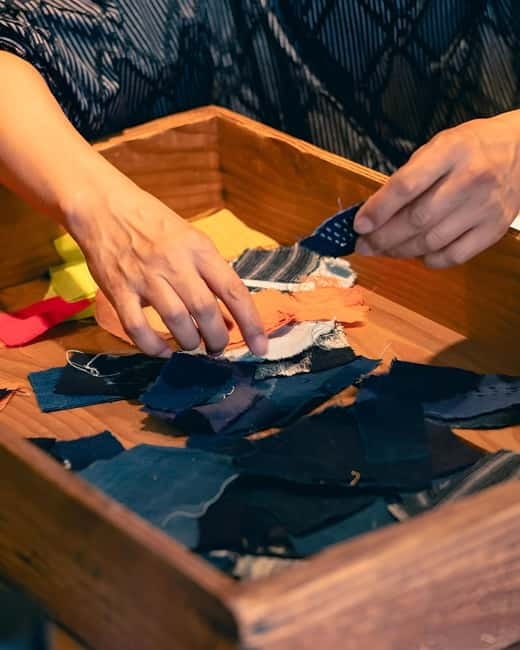
Sashiko is a Japanese hand-stitching craft known for simple shapes and sturdy, functional stitching. The look is clean, geometric, and rhythmic, but the story behind it is what makes it stick with you. It grew out of everyday needs in rural communities, where people used “little stabs” stitching to reinforce and insulate clothing.
That practical origin matters for your experience. You are not just copying decoration. You are learning a technique built for durability, then translating that spirit into a small textile project you can actually use. Your coaster becomes a wearable-in-the-mind idea, something that feels connected to the way people once mended what they had.
The workshop also links the craft to meaning through pattern symbolism. Even if you do not memorize every motif story, you start understanding that Sashiko patterns are not random. They can carry regional identity, repetition, and intention, which turns plain fabric into a map of Japanese heritage.
Other ways to spend a day in Osaka
- Sushi Making Osaka Roll and Authentic Japanese Sushi Class★ 5.0 · 1,220 reviews
- Matcha Making Class in Osaka with Authentic Japanese Sweets Set★ 5.0 · 509 reviews
- Osaka: Ramen and Gyoza Cooking Class in Dotonbori★ 5.0 · 378 reviews
- Osaka Cooking Class: Okonomiyaki &Japanese cuisines experience★ 5.0 · 261 reviews
- Osaka: Roll and Authentic Sushi Making Class in Dotonbori★ 4.9 · 239 reviews
Enter the 2-hour Osaka workshop rhythm
The class is designed to fit into a short visit window: 2 hours. That makes it realistic even on a busy Osaka day, especially if you are trying to balance food, sights, and one “do something with your hands” experience.
A typical flow looks like this:
1) Welcome and short orientation
You begin with an introduction to Sashiko, including what it is and where it comes from. This is not a long lecture. It sets you up to understand why the stitches and patterns work the way they do.
2) Demonstration of basic stitches
Your instructor shows you the foundational stitch technique you will use to build the pattern. If you are a complete beginner, this part is the safety net. If you already sew, it helps you get the Japanese style down with less guesswork.
3) Practice time on a small project
You then stitch your own piece. The workshop uses small items such as coasters, which are ideal because they let you practice geometry without committing to a huge garment project.
4) Wrap-up and take-home finish
When your piece is complete, you leave with a finished Sashiko item you made during the session. It is a good feeling, because your work goes beyond a sampler. It becomes something you can use at home, not just display in a drawer.
There is also a pleasant bonus setting. One review notes the workshop space is in an older house with wooden stairs and framework, adding a cozy, lived-in atmosphere. You may also get a chance to see the instructor’s own work after you stitch, which makes the whole process feel more real.
The coasters and geometric patterns you’ll actually create
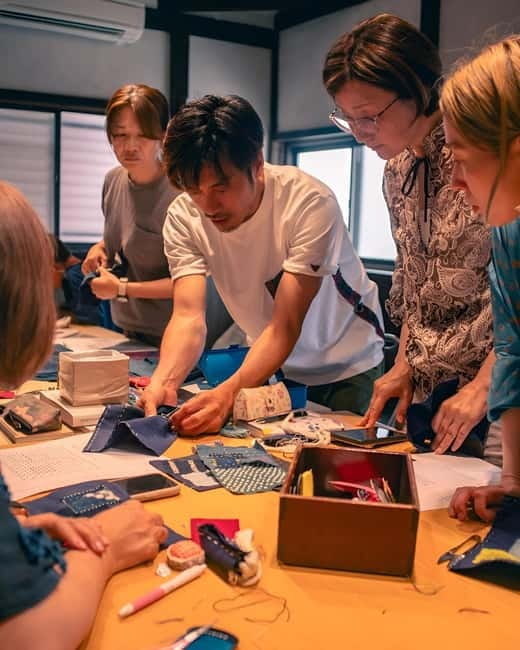
This is not a vague “make something” class. You create Sashiko coasters using geometric patterns. That detail matters because it changes the learning curve.
Geometric designs are easier to teach and easier for you to track while stitching. Once you understand the pattern logic, you are not battling your fabric. You are building a repeatable structure, and that is where the calm comes from. The meditative feel people describe fits Sashiko’s style: steady hand motion, measured spacing, and visual progress as the grid forms.
You also learn the practical side of the craft. Sashiko stitching is meant to hold its own. Even when you are making a coaster, you are practicing the same philosophy: reinforce and improve the material, one stitch at a time. That is why the finished piece feels purposeful.
If you want to take the skill home, focus on the technique more than the exact design. The goal is that you can repeat the approach later, using new patterns or stitching on other textiles.
Who guides you, and why the small group size helps
The workshop is limited to 8 participants, and that size shows up in the teaching style. With a group this small, you get real attention when your stitch spacing, angle, or thread tension needs correction.
Instructor June leads the session in English and Japanese. Some participants also mention meeting other instructors at JunAle, such as Nene, so you might hear different English styles and teaching touches depending on the day. Either way, the key is that instruction is not locked behind language barriers. You are supported either way.
The vibe is also friendly and encouraging, which you will appreciate if you are nervous about being “bad at crafts.” The pace is relaxed, and people leave wanting to stitch more on their own. Even if you are sewing only occasionally, you get a clear starting point.
If you are traveling with teens, this kind of guided handwork can be a great middle ground: creative enough to feel special, structured enough to avoid chaos.
Materials, tools, and what you get to take home
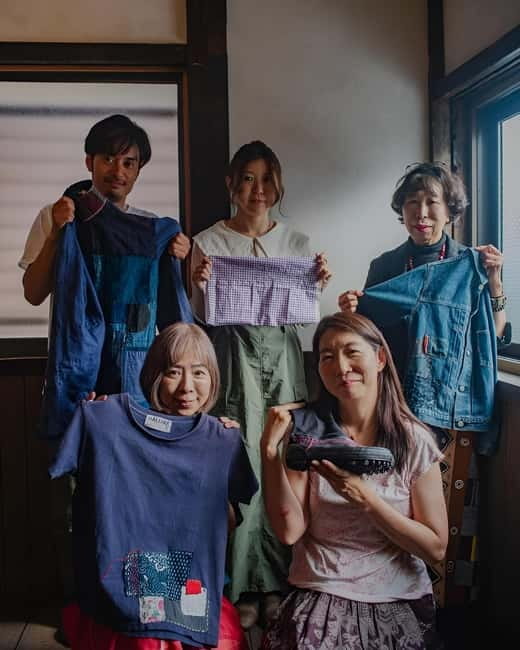
One of the best parts is that you do not have to shop for supplies first. The workshop includes all necessary tools and materials, including fabric, needles, threads, and Sashiko-specific tools. That means your time in Osaka goes to the stitching, not to finding the right thread size and needle.
You also take home your completed project. The class is built so you can realistically finish within the session, which is why a coaster works well. It is a take-home win that feels personal, because your hands made the final piece, stitch by stitch.
Along the way, you get cultural context too. You learn the history and significance of Sashiko, plus how different patterns carry meaning. Even if you do not remember every detail afterward, the workshop gives you a framework to understand what you are seeing in Japanese textiles elsewhere.
Not ready to leave Osaka yet? A few more ways to fill the day.
- Osaka Go Karting Tour with Funny Costume
★ 5.0 · 2,658 reviews - Osaka Castle: Museum and Tower Entry Ticket
★ 4.5 · 2,380 reviews - Osaka: Shinsekai Food Tour with 13-15 Dishes at 5 Eateries
★ 4.8 · 2,204 reviews
Don’t miss the JunAle shopping corner
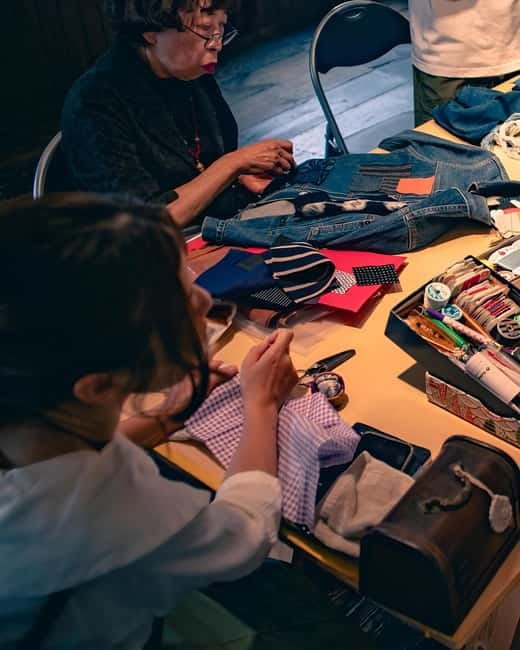
After you stitch (or while you settle in), there is a small shopping area next to the workshop. It is worth a look if you want to keep the momentum after you leave Osaka.
You can browse JunAle original goods, sewing kits, hand-dyed threads, and clothing. There is also a cash payment discount mentioned for those who want to buy supplies directly onsite. If you are thinking you will continue Sashiko at home, threads and kits are the kind of thing that can be hard to source later, so it is practical to check while you are already in the craft mode.
Price and value: is $67 a fair deal?
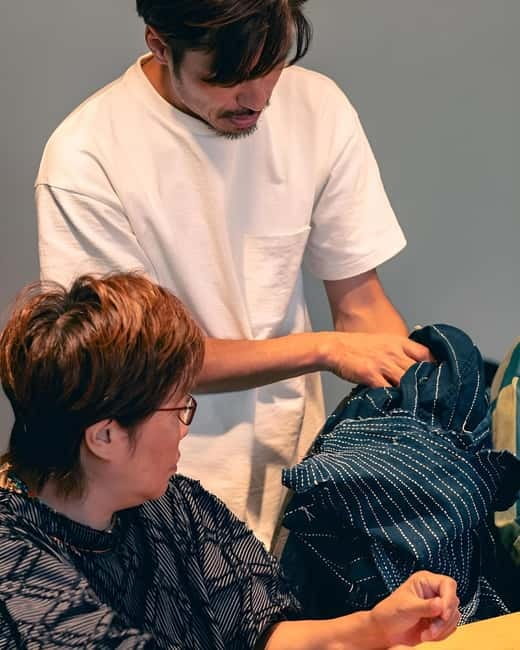
At $67 per person for 2 hours, the value comes down to what is included. You are not just paying for time with an instructor. You are paying for a complete start-to-finish craft session: tools and materials, guided instruction, cultural context, and a finished take-home item.
That is why the price feels reasonable for most people who actually want to make something. If you had to buy supplies, figure out patterns, and learn the stitch on your own, the cost and frustration would add up fast. Here, you get structure and feedback, then you leave with a usable piece.
Solo travelers should also note the policy detail. The program aims to avoid charging extra for solo guests, but if the minimum number of 2 guests is not met, you are offered one of three options: attend on an alternate date, pay a 3000 yen solo supplement, or receive a full refund. It is a fair approach, but it can affect how flexible your schedule needs to be.
If you like crafts and want a cultural workshop that results in something tangible, this is the kind of activity that can pay off emotionally, not only financially.
Getting to Kyobashi station and making it easy on yourself

The meeting point is handled simply. With advanced notice, you can be met at Kyobashi station. That helps if you do not want to stress about the last stretch of your route after a long day of Osaka walking.
Transportation to the venue is not included, so plan your own train route. If you want the smoothest experience, give the provider the advance notice so the station pickup option is available.
Also remember the workshop runs 2 hours, so aim to arrive with a buffer. When you are learning handwork, rushing at the start can make the first stitches harder than they need to be.
Should you book the Osaka Sashiko Japanese Craftsmanship Workshop?
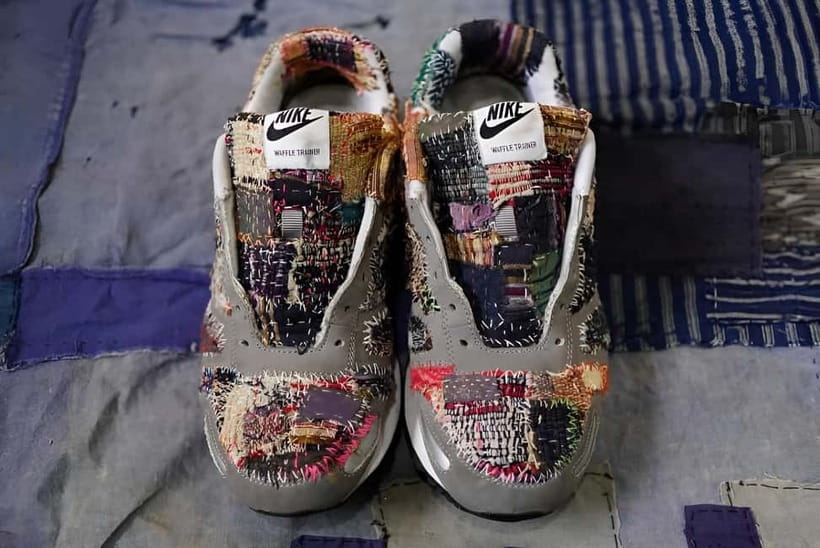
I think you should book this if you want a short, hands-on Japanese craft experience that ends with a finished item. The combination of small group teaching, tools included, and a take-home coaster is the sweet spot for value and satisfaction.
Skip it or think twice if you are mainly looking for a large sightseeing day or if you hate activities that involve sustained handwork. This workshop is calm and focused, not a fast-paced tour.
If you are a beginner, you are in the right place. If you already sew, you will likely enjoy how the instructor shapes your technique and helps you see how the stitch pattern logic works.
FAQ
How long is the Osaka Sashiko Workshop?
The workshop lasts 2 hours.
What is the price per person?
The price is listed as $67 per person.
What will I create in the workshop?
You will create your own Sashiko piece, such as geometric coasters, guided by the instructor.
Are tools and materials included?
Yes. Fabrics, needles, threads, and other Sashiko-specific tools are provided.
What languages are used during the workshop?
Instruction is available in English and Japanese.
How big is the group?
It is a small group, limited to 8 participants.
Where is the meeting point?
With advanced notice, you can be met at Kyobashi station.
Is transportation to the venue included?
No. You are responsible for getting to and from the workshop location.
Is the workshop wheelchair accessible?
Yes, it is listed as wheelchair accessible.
What happens if I book as a solo traveler?
The pricing aims to never charge more for solo travelers. If the minimum of 2 guests is not met, you will be offered an alternate date, a 3000 yen solo supplement, or a full refund.
FAQ
Is free cancellation available?
Yes. You can cancel up to 24 hours in advance for a full refund.
Is travel or personal insurance included?
No. Insurance is not included, and you should arrange it yourself if you want it.
Just added around Osaka

Workshops, compared.

Sushi Making Osaka Roll and Authentic Japanese Sushi Class
Read our review →
Matcha Making Class in Osaka with Authentic Japanese Sweets Set
Read our review →
Osaka Cooking Class: Okonomiyaki &Japanese cuisines experience
Read our review →
Roll and Authentic Sushi Making Class in Dotonbori
Read our review →