Reviewed · WORKSHOPS
Osaka Small Group Sashiko Japanese Craftmanship Workshop
Stitching in Osaka, with history built in. This 2-hour Sashiko class is a calm, hands-on way to learn Japanese stitching technique while you also hear what the patterns mean. With English instruction from Jun and a small group size (max 8), you get real guidance, not just a quick craft stop.
I especially liked two things: Jun’s teaching style is patient and professional, and the workshop gives you context, including the Edo period roots of Sashiko and how symbolism shows up in the designs. If you’ve ever wondered why people obsess over tiny repeating marks on fabric, this is the class that answers that.
One consideration: you’ll make just one project in about 2 hours, so it’s best as a first taste or a skill refresher, not a full course that makes you a Sashiko expert overnight. You’ll also need to arrange your own travel to the venue.
In This Review
- Key highlights you should know
- Where this Osaka Sashiko workshop fits in your day
- Meet Jun and understand what Sashiko is really for
- The workshop flow: how your hands learn after your head gets context
- Your take-home piece, and how to use it afterward
- What’s included in the $68.29 price, and why it’s fair
- The studio mood: calm stitching and a friendly, focused group
- JunAle shopping corner: what to check before you leave
- Price and logistics, quick and real
- Who this Osaka Sashiko class is best for
- Should you book this Osaka Sashiko workshop?
- FAQ
- Where is the meeting point for the Osaka Sashiko workshop?
- How long does the workshop last?
- Is the workshop taught in English?
- How big is the group?
- Are tools and materials provided?
- What will I make and take home?
- Is transportation to the venue included?
- Is the workshop appropriate for beginners?
- What happens if weather is bad?
Key highlights you should know
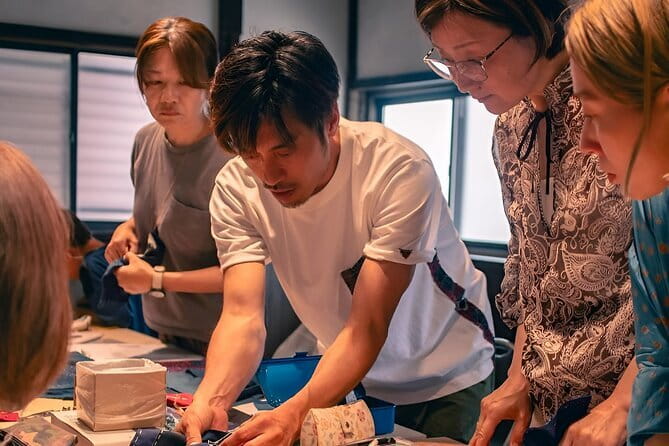
- English-led instruction from Jun helps you understand both the how and the why
- Max 8 people keeps the pace relaxed and makes it easier to ask questions
- Edo period background and pattern symbolism turn a craft project into cultural context
- All tools and materials included so you can focus on stitching
- A take-home finished piece such as a coaster means you leave with something usable
- Shopping corner nearby for JunAle sewing kits, hand-dyed threads, and more
Where this Osaka Sashiko workshop fits in your day
This is one of those Osaka experiences that works well when you want something creative, not another museum line. The timing is short and friendly, about 2 hours, so it fits neatly between sightseeing chunks. If you like experiences that have a clear start and finish, you’ll appreciate that you learn, stitch, and leave with a completed item.
You’ll meet at 1-chōme-4-18 Shigita, Joto Ward, Osaka, and the experience ends back at the meeting point. The location is near public transportation, which matters in Osaka because hopping between neighborhoods can be fast, but still annoying if your last stop is hard to reach.
The group stays small, with a maximum of 8 travelers. That size does something practical for you: it lowers the stress level. You’re more likely to get individual attention when your needle control gets wobbly, and you won’t be stuck watching the same demonstration on repeat for the whole session.
Other ways to spend a day in Osaka
- Sushi Making Osaka Roll and Authentic Japanese Sushi Class★ 5.0 · 1,220 reviews
- Matcha Making Class in Osaka with Authentic Japanese Sweets Set★ 5.0 · 509 reviews
- Osaka: Ramen and Gyoza Cooking Class in Dotonbori★ 5.0 · 378 reviews
- Osaka Cooking Class: Okonomiyaki &Japanese cuisines experience★ 5.0 · 261 reviews
- Osaka: Roll and Authentic Sushi Making Class in Dotonbori★ 4.9 · 239 reviews
Meet Jun and understand what Sashiko is really for
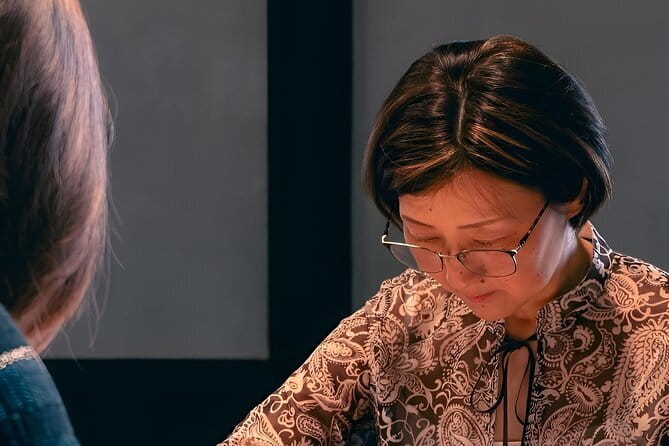
Sashiko translates as little stabs, and that simple idea explains a lot. It’s a method built on many small, precise stitches. Historically, it started as a practical way to reinforce and insulate clothing during the Edo period (1603 to 1868). Over time, that useful technique evolved into a recognizable craft with pattern traditions.
In the workshop, you begin with that background, then move into technique. That structure is smart because it prevents the experience from becoming random handwork. Instead of just copying stitches, you understand the purpose: repeating geometry across fabric in a controlled way.
Jun leads the instruction in English. From the reviews, what stands out is that he is patient and professional, and he guides you through the basic stitches step by step. When you’re learning a repeating craft, small corrections matter. If your tension is off, your stitches can look uneven, and your pattern won’t sit the way you want. Having an expert there to keep you on track is a big part of the value.
The workshop flow: how your hands learn after your head gets context
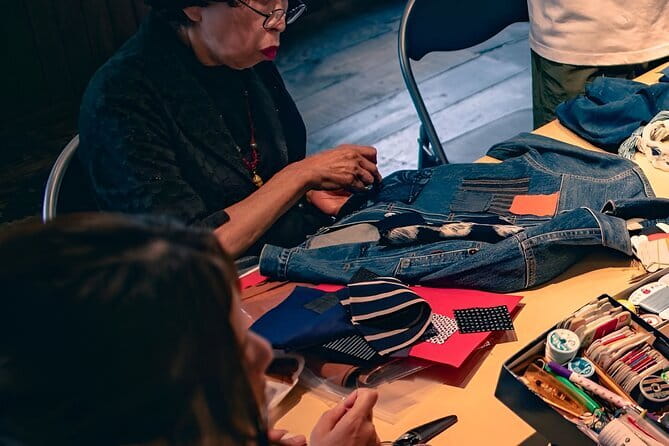
Expect a sequence that makes sense: a short history, then a demonstration of basic Sashiko stitches, then your own practice. This is not just a sit-and-watch activity. It’s hands-on from the moment the needles come out.
A key detail for your expectations: you’ll create a finished Sashiko project by the end, often a coaster. That shapes the workshop in a good way. Since you have a clear end product, you don’t get stuck in the endless practice stage. You learn the fundamentals, then you apply them right away.
The pattern work is geometric, which is part of the charm. You’re not drawing freehand. You’re placing stitches in a controlled system. That helps beginners because it limits the variables. You’re following a plan, not inventing one while you learn.
If you’re a returning crafter, you might still find value here. Many people already know sewing basics, but they haven’t studied why Sashiko patterns follow certain traditions or how stitch structure supports the overall look. Getting that cultural and technical bridge in one 2-hour session is a time saver.
Your take-home piece, and how to use it afterward
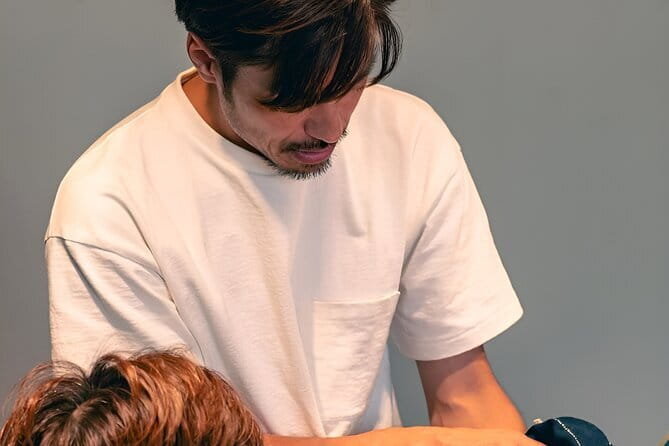
What you leave with is one completed Sashiko item, such as a coaster. That matters more than it sounds. A coaster is small, but it’s practical, and it lets you see your stitching every day. It also gives you a gentle way to protect your work and show it off.
You can also treat the finished coaster as a reference piece. When you try another fabric project at home, you’ll have a physical example to compare against: how your spacing looks, how your tension holds up, and how the pattern reads once it’s complete.
Because all necessary tools and materials are included, your finished item is made with the supplies used during the instruction. That can help if you’re trying to recreate the look later. It also lowers the guesswork when you’re buying supplies in Japan, where craft aisles can feel like an overwhelming buffet of needles, threads, and fabric options.
The reviews mention a relaxing, chilled vibe and a guided process through the first item. That matches the idea of learning by doing. You’re not just making a souvenir. You’re practicing a technique with enough structure to make your finished piece look right.
What’s included in the $68.29 price, and why it’s fair
At $68.29 per person for about 2 hours, this workshop sits in the “worth it if you’ll actually use the skill” category. Here’s what you’re paying for, based on what’s included:
- All necessary tools and materials, including fabric, needles, and thread
- Instruction from an experienced Sashiko artisan, with guidance throughout
- A completed take-home project (often a coaster)
- Cultural context on history and symbolism of patterns
- English guide language support
- A small-group format (max 8) that keeps the pace manageable
The value comes from the combination. Lots of craft experiences focus only on the making. This one also explains the background and the logic behind the patterns. That turns the money you spend into a story you can remember, not just an object you may store in a drawer.
There are also group discounts, which can make it a better deal if you’re booking with someone. The class is typically booked around 28 days in advance on average, so if you want a specific time window, plan ahead.
Not included is also part of your decision. You’re responsible for transportation to the venue, and insurance is not provided. For most people, that’s normal. Still, if you’re trying to build a perfect schedule, consider how you’ll get there without wasting time at the end of a long day.
Not ready to leave Osaka yet? A few more ways to fill the day.
- Osaka Go Karting Tour with Funny Costume
★ 5.0 · 2,658 reviews - Osaka Castle: Museum and Tower Entry Ticket
★ 4.5 · 2,380 reviews - Osaka: Shinsekai Food Tour with 13-15 Dishes at 5 Eateries
★ 4.8 · 2,204 reviews
The studio mood: calm stitching and a friendly, focused group
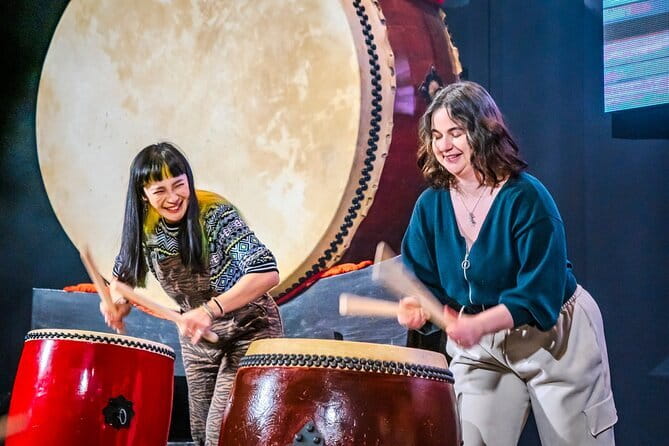
The vibe is one of the strongest selling points. In the reviews, people describe a relaxed, chilled atmosphere and praise Jun’s calm, patient guidance. That matters because learning any needlework technique can feel fiddly at first. When the environment is comfortable, you’ll actually stay engaged.
You’ll also likely appreciate the social tone. One review called out the wonderful team and wonderful people, which usually means the group setting stays friendly rather than awkward. With a max group size of 8, conversations can happen without turning into a distracting chaos.
There’s also a practical bonus for anyone who likes to document moments. The reviews mention that people liked photos taken of calm, creative moments. If you enjoy capturing your craft process, you’ll probably find this setting photo-friendly.
JunAle shopping corner: what to check before you leave
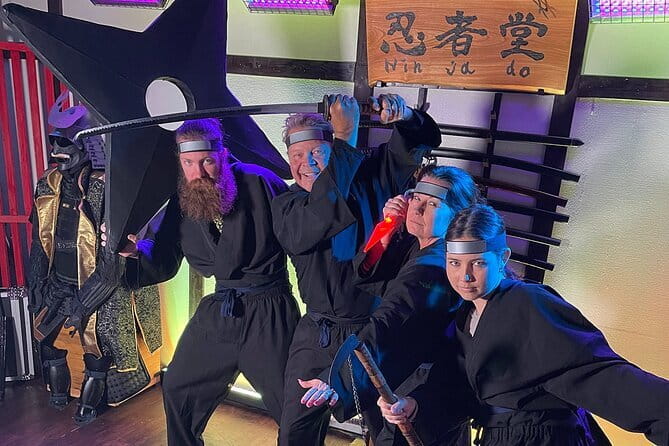
Right next to the workshop area, there’s a small shopping corner where you can browse JunAle original goods. From the information provided, you can find things like:
- sewing kits
- hand-dyed threads
- clothing
- other JunAle branded items
There’s also a note about discounts available for cash payments. Even if you’re not sure what you want yet, it’s smart to browse before you buy. Once you’ve stitched, you’ll understand what kind of threads or kits make sense, and you’ll have a clearer sense of what to look for.
This shopping corner is a nice way to extend the experience after the needles are put away. It helps you connect the workshop to real supplies you can use at home.
Price and logistics, quick and real
The workshop runs about 2 hours and finishes back where you start. You’ll get a mobile ticket, and you can use public transportation to reach the meeting point.
Weather matters here. The experience requires good weather. If it’s canceled due to poor weather, you’ll be offered a different date or a full refund.
If you’re sensitive to timing, plan for the class to be a true block on your day. It’s not a half hour add-on. It’s enough time to learn the basics, follow the pattern plan, and finish a small item you can take home.
Who this Osaka Sashiko class is best for
You should strongly consider booking if you want a structured craft experience that includes technique plus cultural context. It’s also a good choice if you like learning from a teacher who explains the pattern background, not just the steps.
This class can work for beginners. The workshop is designed so most travelers can participate, and it starts with basics and demonstrations before you stitch. If you already sew, you’ll probably enjoy the cultural and pattern symbolism side, plus the chance to compare your stitch technique to Sashiko fundamentals.
If you want a deep, multi-session training plan, this one is likely not the length you need. The format is short, and you’ll complete one project. Think of it as a skill starter with real guidance, not a months-long apprenticeship.
Should you book this Osaka Sashiko workshop?
I think this is a smart booking if you want a calm, teachable skill in a small group, with the benefit of English instruction from Jun and a take-home item. The price feels fair because tools, materials, and a finished project are included, and the history and symbolism aren’t tacked on, they’re part of the teaching flow.
Book it if you like hands-on learning and want to leave Osaka with something you can use at home. Skip it only if you’re looking for a longer craft course or you dislike short workshops that focus on one completed piece.
FAQ
Where is the meeting point for the Osaka Sashiko workshop?
The meeting point is at 1-chōme-4-18 Shigita, Joto Ward, Osaka, 536-0015, Japan. The activity ends back at the meeting point.
How long does the workshop last?
The workshop lasts about 2 hours.
Is the workshop taught in English?
Yes, English is offered as a guide language.
How big is the group?
The workshop has a maximum of 8 travelers.
Are tools and materials provided?
Yes. All necessary tools and materials are included, including fabric, needles, threads, and Sashiko-specific tools.
What will I make and take home?
You’ll complete a Sashiko project that you can take home, such as a coaster.
Is transportation to the venue included?
No. You’re responsible for your own transportation to the venue.
Is the workshop appropriate for beginners?
Most travelers can participate, and the session includes an introduction to the fundamental techniques and basic stitch demonstration, which makes it suitable for beginners.
What happens if weather is bad?
The experience requires good weather. If it’s canceled due to poor weather, you’ll be offered a different date or a full refund.
Just added around Osaka

Workshops, compared.

Sushi Making Osaka Roll and Authentic Japanese Sushi Class
Read our review →
Matcha Making Class in Osaka with Authentic Japanese Sweets Set
Read our review →
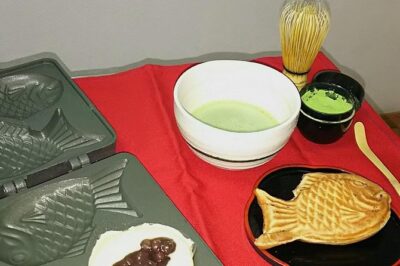
Osaka Cooking Class: Okonomiyaki &Japanese cuisines experience
Read our review →
Roll and Authentic Sushi Making Class in Dotonbori
Read our review →