
Reviewed · LOCAL FOOD TOURS
Osaka Street Food Adventure: Taste Local Flavors with Guide
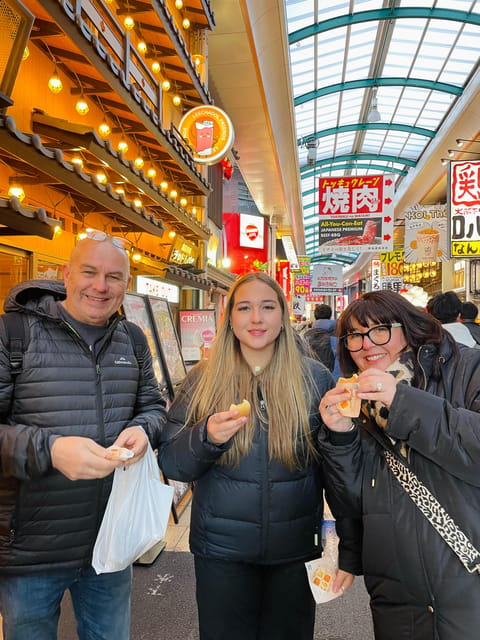
Osaka tastes better on foot. This 3-hour, small-group street food walk starting at Ebisucho Station is one of the easiest ways to get real bites and real stories, not just one or two Instagram hits. I especially like the takoyaki stop at Osaka’s oldest takoyaki shop and the chance to eat kushikatsu the way locals do, right in the neighborhoods people actually hang out in.
One possible drawback: this tour is not suitable for people with food allergies, and tastings can include meat, seafood, wheat, and dairy. If you have dietary restrictions, you’ll want to check with the provider first and plan your comfort level around common Japanese ingredients.
In This Review
- Key Highlights Worth Waking Up For
- Ebisucho Station to Osaka Ohsho: How the Tour Gets You Moving
- Shinsekai First: Croquettes, Wagashi, and Kushikatsu at Local Counters
- Tsutenkaku: The Quick Stop That Anchors the Story
- Dotonbori Street Food: Takoyaki, Meat Buns, and the Drink Break
- The Namba Depachika Break: Eating Like a Local Shopper
- Hozenji Yokocho: Lantern Alley After the Neon
- Walking to the Glico Sign Finish: The Photo Payoff That Feels Earned
- Price and Value: Is $83 Fair for a 3-Hour Food Route?
- Who This Tour Fits Best (And Who Should Skip It)
- Practical Tips to Get More Out of the Walk
- Should You Book This Osaka Street Food Adventure?
Key Highlights Worth Waking Up For
- 6 to 10 tastings, plus a drink: You’re not just sampling one snack, you’re building a mini meal across multiple areas.
- Small group, limited to 8: Easier chatting with your local guide and less queue time at tight food counters.
- Shinsekai history, Tsutenkaku stop, then Dotonbori: You get the street food plus the local context that makes it meaningful.
- Older shops you can’t easily find alone: Croquettes from a historic butcher shop, sweets from a centuries-old confectionery, and takoyaki from the city’s oldest shop.
- Lantern-lit Hozenji Yokocho: A quieter, older-feeling alley contrast after the neon.
- Finish at the Glico sign: Easy photo payoff in Dotonbori to close out the walk.
Ebisucho Station to Osaka Ohsho: How the Tour Gets You Moving
This tour starts in the area most visitors miss unless they’re specifically chasing neighborhoods, not just landmarks. You meet at Exit 3 of Ebisucho Station, ground level, at 11am, in front of a restaurant called Osho. The first stop is tied to Osaka Ohsho Ebisu-cho shop, so you’re already in “food mode” before the walking even begins.
The whole experience runs about 3 hours. You’ll do a steady walking pace, with a quick look at Tsutenkaku and then longer stretches focused on eating. Plan on comfortable shoes, because Japanese city sidewalks can be great, but you’ll still rack up steps.
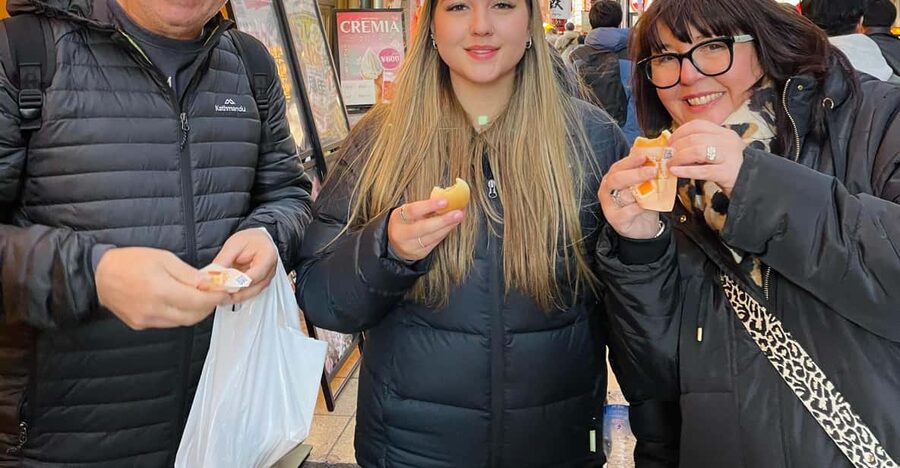
Guide language is English, and the tour uses a small group format limited to 8 people. That matters more than it sounds. In tight alleys and busy counters, a large group turns fun into a slow shuffle. Here, you’re more likely to actually talk, ask what to order, and hear why the place is there.
Takoyaki, okonomiyaki, and whatever smells best
- Hungry Osaka Street Food Tour:15 Tastings & 3 Drinks with a Local★ 5.0 · 1,727 reviews
- Hungry Osaka Street Food Tour: 15 Dishes & 3 Drinks★ 4.9 · 694 reviews
- [1 Group Only] Osaka Street Food Tour for Family★ 5.0 · 208 reviews
- Umami Town Street Food Tour★ 5.0 · 120 reviews
- Osaka: 2-Hour Local Street Food Tour – Dotonbori & Namba★ 4.6 · 95 reviews
Shinsekai First: Croquettes, Wagashi, and Kushikatsu at Local Counters
Shinsekai is the best opening act because it sets the theme immediately: retro streets, local energy, and food stalls and small shops that feel built for everyday cravings. You spend about 1 hour here, guided through the area’s character and the culture around these snacks.
What I like most is the way tastings are spread across different flavors and food styles early, instead of going all-in on one item. You begin with freshly made croquettes from a historic butcher shop. That’s a smart choice because it’s a distinct Osaka-style comfort food, and the “freshly made” detail matters for texture and flavor.
Next you’ll taste traditional wagashi from a centuries-old confectionery. That’s a nice reset from fried foods. Even if you don’t usually chase Japanese sweets, you’ll learn what the shop is known for and why wagashi fits into local street culture.
Then comes the Osaka street signature: kushikatsu, deep-fried skewers eaten in the casual style locals love. The value of doing kushikatsu on this route is timing. You’re not trying to eat it after dark neon crowds have already condensed into one line. You’re early enough to feel the neighborhood rhythm.
Your guide also explains the logic of the area, including what makes Shinsekai feel different from the more famous Dotonbori side of town. If you’re new to Osaka, this context helps you understand why the food choices feel natural, not random.
Tsutenkaku: The Quick Stop That Anchors the Story
After Shinsekai, you make a brief visit to Tsutenkaku Tower, about 10 minutes. It’s not a long sightseeing detour, and that’s the point. Tsutenkaku is more like a landmark you use to orient the rest of your eating story.
I like that the tour treats it as a “frame,” not the main event. You’re there long enough to register why people connect this tower with the district, then you move on to the next food-focused zone.
This short stop also keeps you from feeling like you traded snacks for photos. You’ll still get plenty of photo opportunities later in Dotonbori, where the lighting and signage are designed for that.
Dotonbori Street Food: Takoyaki, Meat Buns, and the Drink Break
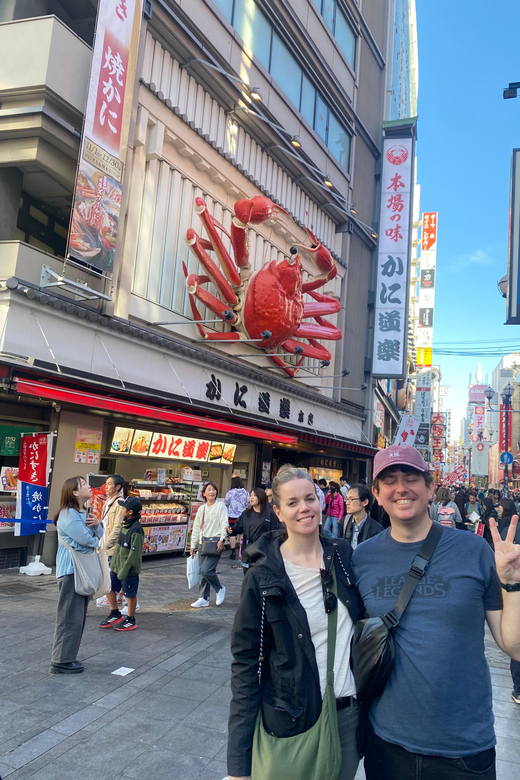
Dotonbori is where Osaka goes neon. You spend about 1 hour here tasting and walking, with a guided focus on what to try and where.
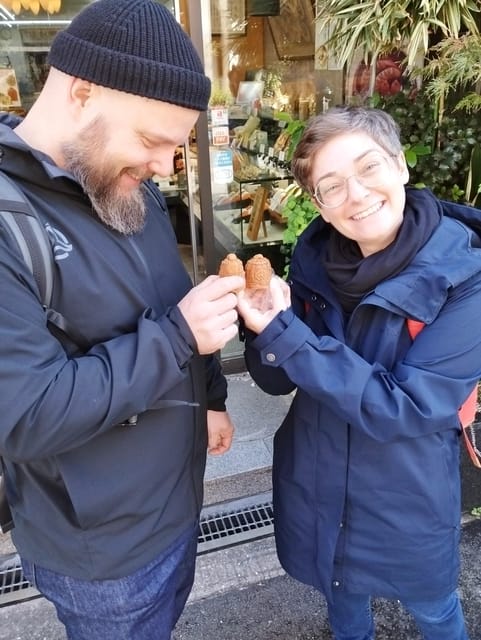
The highlight is takoyaki from the city’s oldest takoyaki shop. Takoyaki can be found all over Japan, but doing it at a long-running shop gives you a better sense of what locals have trusted for years. You’re tasting tradition, not just a similar-looking snack sold near tourist foot traffic.
You’ll also try other local favorites such as steamed meat buns. That choice is smart for variety. It balances the heavy fried items and keeps your stomach from turning into a single-note fried-food situation.
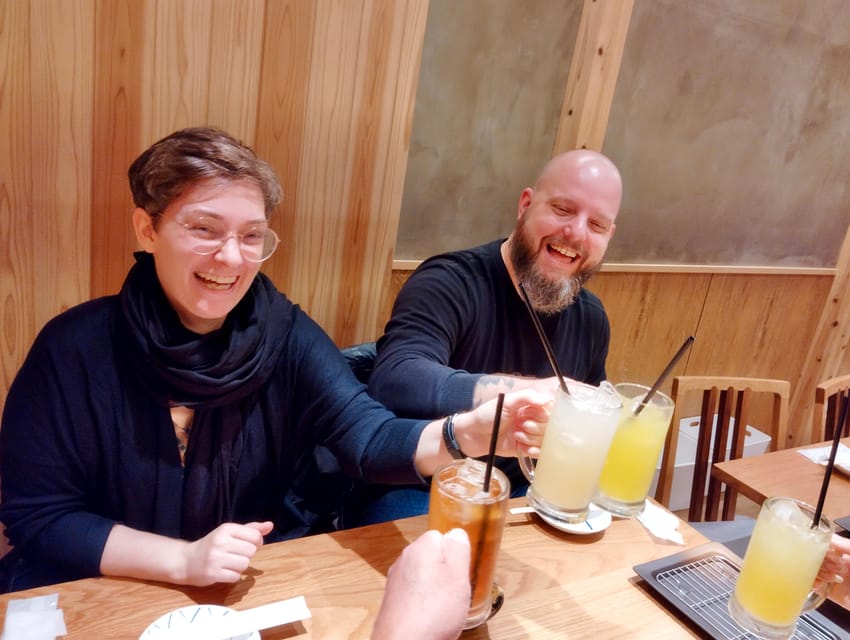
There’s also a moment to relax at a local restaurant. You’ll get a selection of Osaka specialties along with a drink. In one example of this tour, the fried skewers were paired with Asahi beer, which is exactly the kind of practical pairing that makes street food feel like a real meal, not just nibbling.
The guide’s role here is important. Street food menus can be confusing if you’re unfamiliar with what’s actually inside. Having a local lead you through choices usually means fewer “guessing” orders and more confident tasting.
The Namba Depachika Break: Eating Like a Local Shopper
Between the Dotonbori eating and the walk into Hozenji Yokocho, you hop on the subway with your guide to the Namba area. You explore a depachika, a department store food hall.
This stop is valuable because it changes your pace and your mindset. After walking around street stalls and small counters, you get a cleaner, organized space full of prepared foods and tempting packaged options. It’s still food culture, just in a different wrapper.
You should expect sampling rather than a full reset meal. The tour timing keeps the day moving, but the depachika experience gives you a sense of what people buy for home, not only what they eat on the street for fun.
Also, note the subway fare: 190 yen is not included. You’ll want to plan for that extra cost on the day.
More plates than one stomach can hold
- Osaka: Shinsekai Food Tour with 13-15 Dishes at 5 Eateries
★ 4.8 · 2,204 reviews - Osaka Food Tour: 13 Dishes at 5 Local Eateries
★ 5.0 · 2,149 reviews - Kuromon Market Food Walking Tour in Osaka (6 stops, 6 tastes)
★ 5.0 · 550 reviews
Hozenji Yokocho: Lantern Alley After the Neon
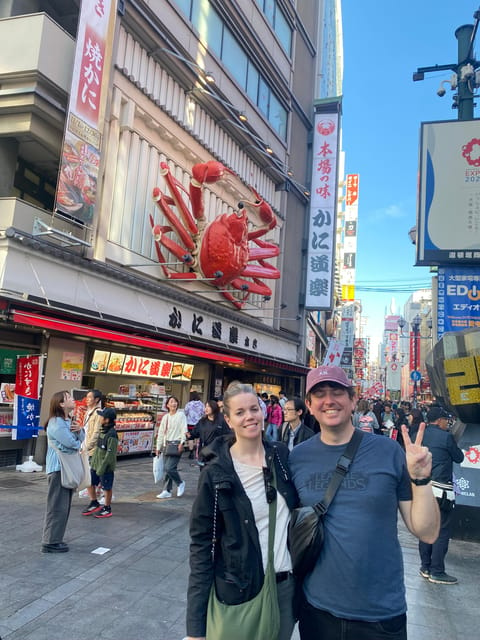
Hozenji Yokocho is where you feel the temperature shift in more ways than one. You spend about 1 hour here in a lantern-lit alleyway with old-world charm. It’s a different Osaka mood, one that slows the pace down from the bright chaos outside.
This part of the tour works well because you’re not only eating, you’re also absorbing the physical setting. When you’re walking through Hozenji Yokocho, the food feels like it belongs in the space. It’s less about chasing the next sign and more about tasting while the alley does the atmosphere work for you.
For a lot of first-time visitors, this is the mental “breather” you didn’t know you needed. It also makes the final photo moment at the Glico sign feel more earned.
Walking to the Glico Sign Finish: The Photo Payoff That Feels Earned
The tour ends at the iconic Glico sign in Dotonbori. It’s a classic end point because it’s easy to find and easy to photograph, and it puts you back in the most recognizable part of the neighborhood.
I like end points like this because you can convert the photo into a practical next step. If you want more food after the tour, you’re already where more options are within walking range. If you want to head back to your hotel, it’s also simpler because Dotonbori is a major hub.
By the time you reach the sign, you’ll have tried multiple dish types and walked through several Osaka-feeling areas. That makes the neighborhood landmarks feel like part of your route, not just something you happened to pass.
Price and Value: Is $83 Fair for a 3-Hour Food Route?
At $83 per person for about 3 hours, this tour sits in the mid-range for a guided Osaka food experience. The value comes from three things you get together: time, guidance, and multiple tastings.
You’re promised 6 to 10 curated tastings, which is a big deal for cost-per-bite. Even if the exact items vary based on season and availability, the structure is consistent. You get a mix of street snacks and shop-based specialties, plus one drink at a local restaurant.
Add in the guide support, and the value improves. Without a guide, it’s easy to miss older shops or end up choosing generic items based on what looks easiest to order. With a local, you’re more likely to match your cravings to what the neighborhood is actually known for, like takoyaki and kushikatsu in the right context.
The one cost to factor in is transit. Subway fare from the Shinsekai area to Namba is 190 yen and is not included. Also, any extra purchases beyond the included tastings are on you, but that’s normal for this type of tour. Think of the $83 as covering a guided sampling meal, not a blank check for the whole night.
Who This Tour Fits Best (And Who Should Skip It)
This tour is a strong match if you:
- Want Osaka food focus without spending your whole trip stuck in one neighborhood
- Like learning why a dish is popular, not only eating it
- Prefer a small group format where you can ask questions and keep moving
It also fits travelers who want a first-timer-friendly route. You cover Shinsekai, Tsutenkaku, Dotonbori, depachika in Namba, and Hozenji Yokocho in about three hours, which is a lot of variety for one outing.
You should skip it if you have food allergies. The tour explicitly says it is not suitable for people with food allergies. Even if you don’t have a named allergy, the tour also warns that tastings may include ingredients such as meat, seafood, wheat, and dairy. If you have any restrictions, contact the provider before booking so you can understand what options might exist.
If you’re a very picky eater, this tour can still work, but you’ll need to be honest with your guide at the start. The whole point is tasting, and you’ll be offered multiple items across a range of styles.
Practical Tips to Get More Out of the Walk
Come hungry, but not starving. The plan includes multiple tastings, plus a drink, so you’ll likely want to keep your meals light beforehand. Comfortable shoes are a must, since you’re moving through several districts on foot.
Also, don’t plan this tour as your only food plan. It’s a sampling experience, so you might still want dinner afterward, especially if you’re the type who loves lingering in Dotonbori.
If you’re traveling with a small group of your own, this one still works well solo or as a couple. The guide can adjust pacing within the small group limit of 8, and you’ll get more individual attention than on big bus tours.
Finally, bring a mindset of curiosity. These neighborhoods reward people who are willing to try things that are slightly outside their usual comfort zone, like wagashi if you’ve never had it, or kushikatsu if you’ve only seen photos.
Should You Book This Osaka Street Food Adventure?
Book it if you want a guided, low-stress way to taste classic Osaka street foods and also understand the neighborhoods that made them famous. The combo of Shinsekai, Dotonbori, Hozenji Yokocho, plus a depachika stop gives you variety in food style and atmosphere, and the small group size helps the whole thing feel personal.
Skip it if you have food allergies or you know you cannot handle ingredients like meat, seafood, wheat, or dairy that may show up in tastings. Also, if you hate walking or you’re expecting a full museum-style history tour, you’ll be happier choosing a different outing, since this one is built around eating and neighborhood immersion.
If you fit the sweet spot, this is a practical and fun way to eat your way through Osaka in just three hours, ending at one of the city’s most recognizable signs.
More Food & Drink in Osaka
- Osaka: Traditional Mochi Pounding Experience with Tasting★ 4.9 · 306 reviews
- Osaka After Dark: Small-Group Night Food Tour (Max 6)★ 4.5 · 245 reviews
- Osaka: 2-Hour Nightlife District Walking & Local Food Culture★ 5.0 · 199 reviews
- Osaka Sake Tasting with Takoyaki Cooking★ 5.0 · 156 reviews
More Food in Osaka
- Osaka Local Foodie Walking Tour in Dotonbori and Shinsekai★ 5.0 · 985 reviews
- Osaka: Guided Food Tour with 12 Dishes at 4 Local Eateries★ 5.0 · 533 reviews
- Absolute Osaka Food Tour★ 5.0 · 309 reviews
- Osaka: Kuromon Market Food Walking Tour (6 stops, 6 tastes)★ 4.6 · 272 reviews
Just added around Osaka

Local Food Tours, compared.
Shinsekai Food Tour with 13-15 Dishes at 5 Eateries
Read our review →
Osaka Food Tour: 13 Dishes at 5 Local Eateries
Read our review →
Hungry Osaka Street Food Tour:15 Tastings & 3 Drinks with a Local
Read our review →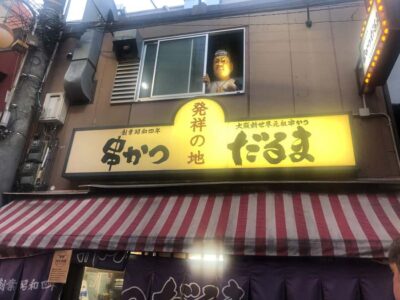
Hungry Osaka Street Food Tour: 15 Dishes & 3 Drinks
Read our review →
Kuromon Market Food Walking Tour in Osaka (6 stops, 6 tastes)
Read our review →
Guided Food Tour with 12 Dishes at 4 Local Eateries
Read our review →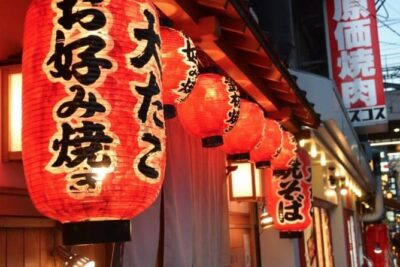
Kuromon Market Food Walking Tour (6 stops, 6 tastes)
Read our review →This tour also fits