
Reviewed · COOKING CLASSES
Osaka Sushi Cooking Class “Learn here and make it at home”
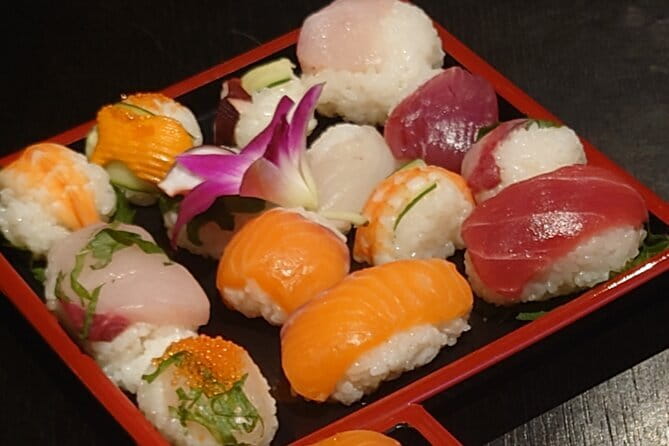
Sushi lessons beat eating alone. I love the hands-on pace of making maki rolls and temari rice balls, guided in your language by friendly instructors. I also love that the class finishes with a tasting hour where your creations come with sake, beer, and soft drinks.
One thing to plan for: alcoholic drinks are served only if you are 20 and up, and vegetarian or allergy needs require you to message in advance after booking.
In This Review
- Quick highlights
- Osaka Sushi Cooking Class, Maki and Temari: What You Learn
- Where the Class Happens, and Why the Location Matters
- The 30-Minute Start: Getting Oriented Without Being Overwhelmed
- Hands-On Time for Maki Rolls: Rolling That Actually Holds Together
- Temari Sushi Shaping: Bite-Sized, Cute, and Easier Than It Looks
- Tasting Hour With Sake, Beer, and Soft Drinks
- Multilingual Instructors: What That Changes for Your Experience
- Price and Value: Is $70 for 3 Hours a Good Deal?
- Who This Osaka Sushi Class Is Best For
- Should You Book This Class?
- FAQ
- What sushi dishes will I learn in this class?
- How long is the Osaka sushi cooking class?
- Are instructors available in English?
- Is alcohol included during the tasting?
- Do I need to bring ingredients or cooking supplies?
- Where does the class meet and end?
Quick highlights
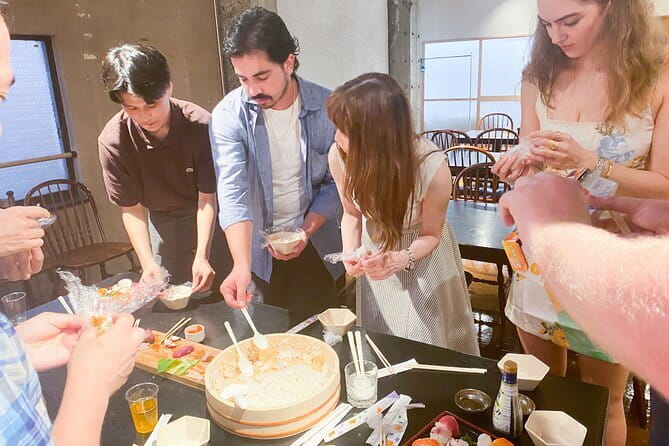
- Maki and Temari in one go: learn two classic homemade styles in about 3 hours
- Small group size (max 8): you get more direct help while you roll and shape
- Multilingual instruction: English by default, with Japanese and Spanish available by request
- Everything provided: tools, ingredients, aprons, and disposable gloves
- Tasting hour with drinks: sake and beer for age 20+, plus soda for everyone else
Osaka Sushi Cooking Class, Maki and Temari: What You Learn
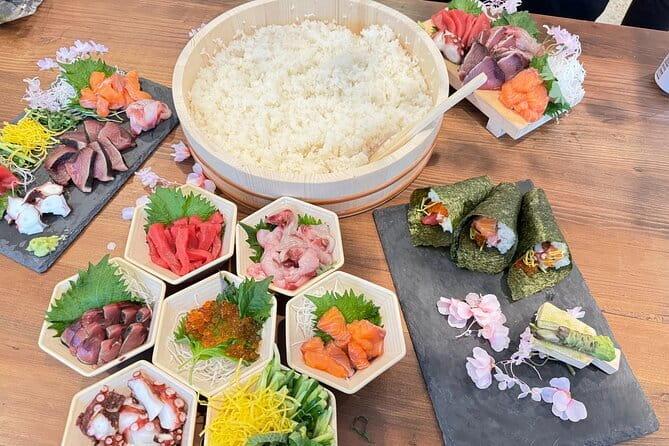
This Osaka sushi cooking class is built around two friendly goals: make maki sushi like you would at home, then shape temari sushi that looks cute and eats like a snack. You start with a quick orientation, then jump into real work, rolling and forming until it clicks. Finally, you sit down and taste what you made, with drinks included.
For me, the value is not just that sushi is delicious. It is that you leave with repeatable skills. Anyone can order sushi in Osaka. Fewer people can roll a proper maki with the right rice feel and a clean wrap, or build temari that holds together for one bite.
The other thing I like is the atmosphere. You are in a real kitchen setting, not a lecture room. The pace is structured, but the vibe is playful. That matters when your hands are new to something like sushi rice, seaweed, and tight rolling.
Other ways to spend a day in Osaka
- Osaka: Ramen and Gyoza Cooking Class in Dotonbori★ 5.0 · 378 reviews
- Osaka Cooking Class: Okonomiyaki &Japanese cuisines experience★ 5.0 · 261 reviews
- Ramen and Gyoza Cooking Class in Osaka★ 5.0 · 202 reviews
- Osaka Sake Tasting with Takoyaki Cooking★ 5.0 · 156 reviews
- Osaka Sake Tasting & Takoyaki Cooking Experience★ 5.0 · 149 reviews
Where the Class Happens, and Why the Location Matters
The kitchen is in a central Osaka neighborhood, a short walk from both Shinsaibashi and Honmachi stations on the Osaka Metro. You are close to the main grid of the city, but the area is described as quiet and peaceful, which is a big deal for a cooking class.
Here is why that matters for your trip: if your evening plans are in downtown Osaka, you do not want to waste time crossing the whole city. A class that starts near major stations also means you can fit it between meals or after shopping without stress.
The meeting point is listed as 南船場コレット9044-chōme-3-1 Bakurōmachi, Chuo Ward, Osaka, 541-0059, Japan. The class ends back at the meeting point, so you are not rerouted into a second transfer or a different neighborhood.
And yes, you get a mobile ticket. That is one less thing to fuss with in a city where you may already be handling transit apps, cash, and menus in Japanese.
The 30-Minute Start: Getting Oriented Without Being Overwhelmed
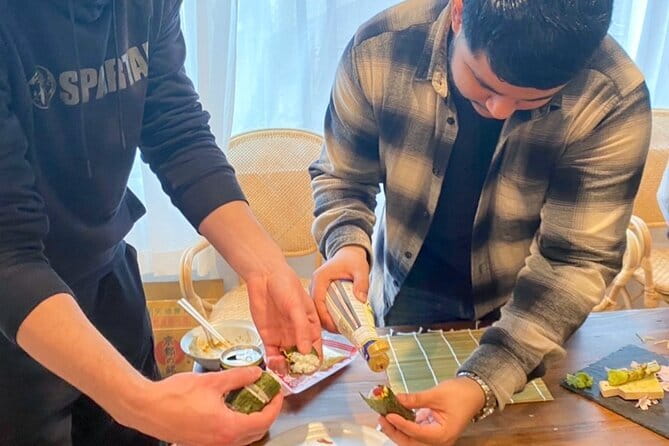
Before you touch ingredients, you get about 30 minutes of orientation and preparation. This is not filler time. It is where the instructor helps you understand the rhythm of the class and how the tools and ingredients will be used.
In a sushi class, the biggest learning curve is usually the rice. Sushi rice is not like plain cooked rice. It is seasoned and handled with care. If you have ever watched someone roll sushi confidently, it usually looks effortless, but it is really about how the rice is portioned, pressed, and spread.
During this orientation, you also get the basics of the two techniques you will practice:
- Maki sushi roll method using rice, fillings, and seaweed
- Temari sushi forming method using rice and toppings
You also get the language support you need. Instructors are fluent in English, Japanese, and Spanish, with English speaking included and Spanish or Japanese available upon request. That can make a big difference if you are not comfortable with Japanese food terms but still want to follow each step precisely.
Hands-On Time for Maki Rolls: Rolling That Actually Holds Together
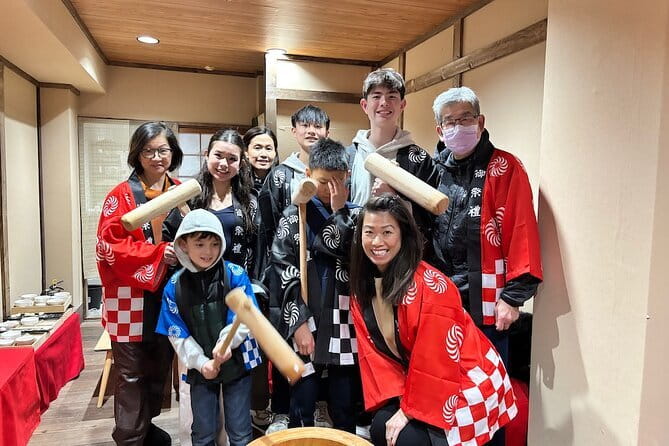
The main cooking block runs about 1.5 hours. This is where you go from watching to doing, and you learn how to make maki sushi that looks right and stays together.
A maki roll is the most common homemade style, and the class focuses on the essentials: a sheet of seaweed wraps a layer of sushi rice, then fillings go in and the roll gets tightened. The key skill is controlling the thickness. Too thick and it feels clumsy. Too thin and it tears.
As you roll, you will likely learn small habits that experienced cooks take for granted, like:
- using a light but even pressure when spreading rice
- placing fillings with restraint so the roll closes cleanly
- tightening at the right moment so you get a firm log shape
This is also where the small group format helps. With a maximum of 8 people, you are more likely to get real-time fixes when your roll needs a little adjustment.
A practical note: the class provides tools, ingredients, aprons, and disposable plastic gloves. That keeps the mess manageable and lets you focus on technique instead of worrying about sticky rice on your clothes.
Temari Sushi Shaping: Bite-Sized, Cute, and Easier Than It Looks
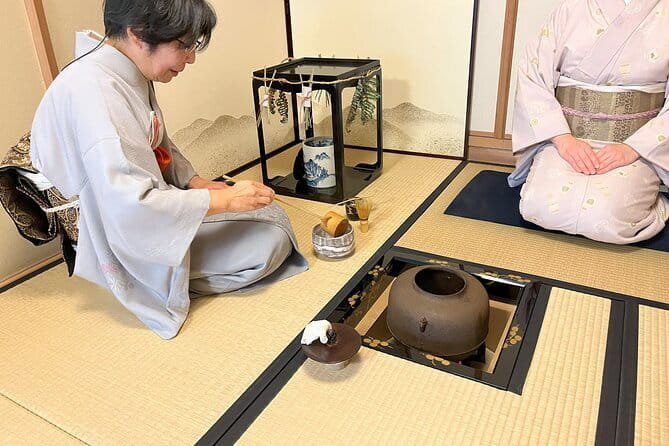
Temari sushi is the bite-sized rice ball style, usually topped with fish or vegetables. It is playful in appearance, but it also teaches a real technique: shaping rice so it holds its form without becoming dense or falling apart.
What I love about temari is that it is forgiving. Even if you are not a natural roller, you can often get a decent result by following the steps and letting the instructor correct your grip and pressure.
One detail that comes up in student experiences is how simple the forming process can feel when the instructor shows a method that uses plastic wrap. That kind of practical trick matters. It prevents rice from clinging too much and makes it easier to shape clean, round bites.
Temari is also the part of the class that works well for families. It feels like crafting. You are shaping, topping, and assembling, and it looks good even when your first attempt is not perfect.
If you are bringing kids or going with friends who want something fun, temari is often the best gateway dish. You get the sushi idea without needing a long rolling practice to feel successful.
Not ready to leave Osaka yet? A few more ways to fill the day.
- Osaka Go Karting Tour with Funny Costume
★ 5.0 · 2,658 reviews - Osaka Castle: Museum and Tower Entry Ticket
★ 4.5 · 2,380 reviews - Osaka: Shinsekai Food Tour with 13-15 Dishes at 5 Eateries
★ 4.8 · 2,204 reviews
Tasting Hour With Sake, Beer, and Soft Drinks
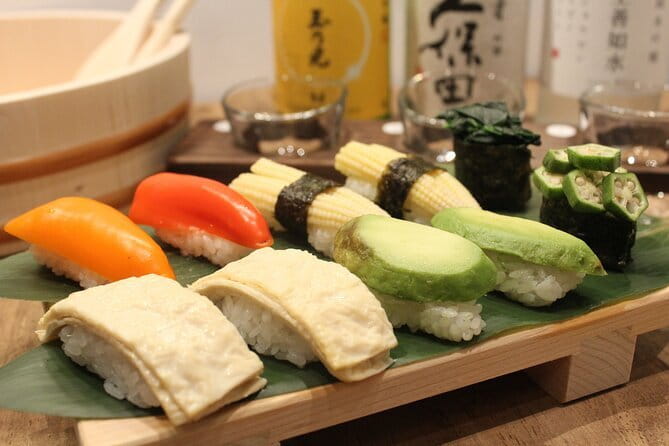
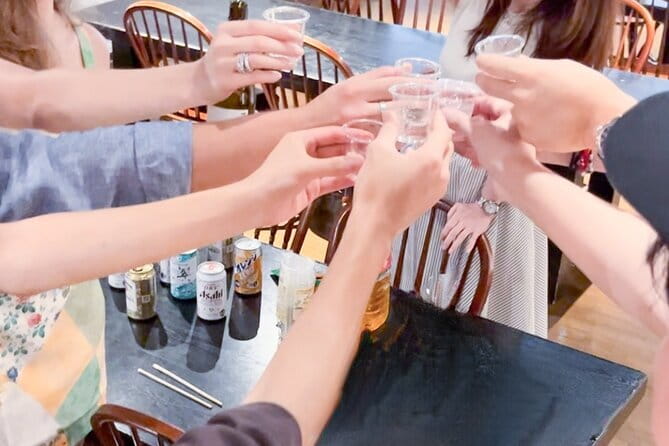
After the cooking, you relax with a full hour to taste what you made. This is a smart design choice, because sushi has a taste, texture, and balance that are hard to judge while you are still working with your hands.
Your drinks include sake and beer, plus soda or soft drinks. Alcohol is served only for travelers 20 years old and above. If you are under 20, you will still be able to enjoy the tasting with non-alcoholic drinks.
This is a good moment to slow down and learn what you actually did right. Did your maki have a good balance of rice-to-filling? Did your temari hold together nicely for one bite? Tasting turns technique into memory.
And even if you came mainly to learn, this tasting hour is not just a reward. It is part of the lesson. You are connecting the method to the result.
Multilingual Instructors: What That Changes for Your Experience
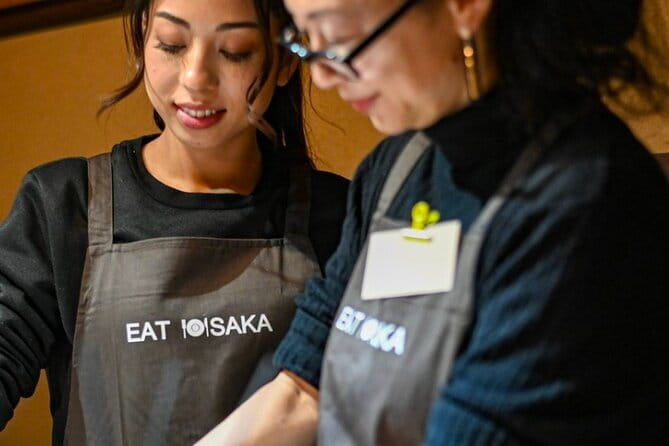
The class is taught by instructors fluent in English, Japanese, and Spanish. English speaking is included. Spanish speaking is offered upon request, and Japanese speaking is also available by request.
In practice, this kind of language support means you spend less time translating in your head and more time following hands-on steps. In cooking, that matters. Small differences, like how firmly you press rice or how you place fillings, can change the outcome.
It also helps you ask questions without feeling stuck. If you are a first-timer and sushi feels intimidating, being able to ask a simple follow-up question in a language you understand keeps the class from turning into a frustrating blur.
Price and Value: Is $70 for 3 Hours a Good Deal?
The price is $70 per person for about 3 hours, and it includes more than just instruction.
Here is what you are paying for in a practical way:
- the instructor time for orientation, cooking help, and guidance through both dishes
- all ingredients and kitchen tools
- aprons and disposable gloves
- and the tasting hour with drinks, including sake and beer (20+)
For a hands-on food class, those inclusions matter. Sushi rice ingredients and proper toppings add up, and you would not want to buy tools and experiment at home before you learn the basics. In this class, you get the ingredients, the equipment, and the method in one session.
The small group size also supports the value. With a maximum of 8 people, the instructor can help you course-correct while you are working, not just after the fact.
The main tradeoff is the scope. You are learning two dishes: maki and temari. If you are hoping for a wider menu or a deeper dive into multiple sushi styles, you may want to budget for another class later.
Who This Osaka Sushi Class Is Best For
This is a strong fit if you want a structured, hands-on experience without needing prior cooking skills.
It tends to work well for:
- First-timers who want sushi basics they can repeat at home
- People who like making food more than watching food
- Families, since temari feels friendly and fun, and the class is designed around bite-sized success
- Groups who want a social activity that still teaches a real technique
If you are a sushi purist who wants only the most traditional, ultra-specific method for every detail, you might find a shorter class scope frustrating. But for most visitors, the mix of technique and tasting is the sweet spot.
Should You Book This Class?
I would book this Osaka sushi cooking class if your goal is to leave with skills, not just photos. The combination of maki and temari, plus the included tasting hour, makes it feel like a full experience, not a quick demo. The small group format and multilingual instruction are also practical advantages if you want hands-on help rather than guessing.
I might skip it if you have strict dietary restrictions that are not already accounted for, unless you plan to message the provider after booking for vegetarian or allergy options. I would also skip it if you want a longer class with more dishes, because this one is focused on two homemade styles.
If you are on the fence, ask yourself one question: do you want to be able to make sushi at home in a way that looks and tastes like sushi, not just like rice with toppings? This class is built for that.
FAQ
What sushi dishes will I learn in this class?
You will learn how to make two homemade dishes: maki sushi (sushi rolls) and temari sushi (bite-sized rice balls).
How long is the Osaka sushi cooking class?
The class is about 3 hours in total. It includes 30 minutes of orientation, about 1.5 hours of hands-on cooking, and 1 hour to taste your sushi with drinks.
Are instructors available in English?
Yes. An English speaking instructor is included. A Spanish speaking instructor is available upon request, and Japanese speaking instruction is also available upon request.
Is alcohol included during the tasting?
Alcoholic drinks are included as part of the tasting hour, with sake and beer. Alcohol is only served to participants age 20 and up, and those under 20 are served non-alcoholic drinks.
Do I need to bring ingredients or cooking supplies?
No. The class provides all ingredients and kitchen tools. You are also provided aprons and disposable plastic gloves. You mainly need to show up ready to cook.
Where does the class meet and end?
The class starts at 南船場コレット9044-chōme-3-1 Bakurōmachi, Chuo Ward, Osaka, 541-0059, Japan. It ends back at the meeting point. It is near public transportation, and the kitchen is about a 5-minute walk from Shinsaibashi and Honmachi stations.
Just added around Osaka


Cooking Classes, compared.
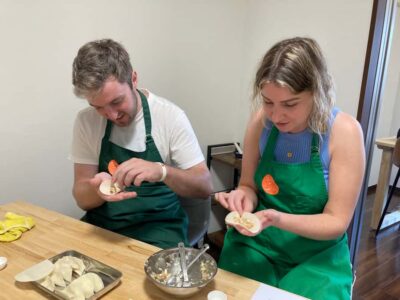
Osaka Cooking Class: Okonomiyaki &Japanese cuisines experience
Read our review →

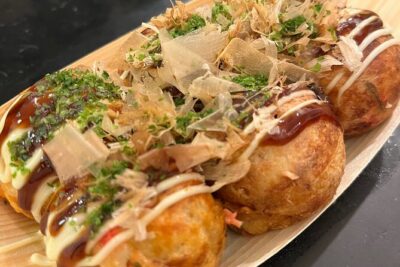
Osaka Sake Tasting & Takoyaki Cooking Experience
Read our review →
Cooking Ramen&Gyoza/KatsuCurry/Bento/Okonomiyaki+Store Tour@Osaka
Read our review →
Eat Osaka: Street Food Cooking in an Authentic Kitchen!
Read our review →This tour also fits