Reviewed · WORKSHOPS
Osaka: Temari Embroidery Workshop
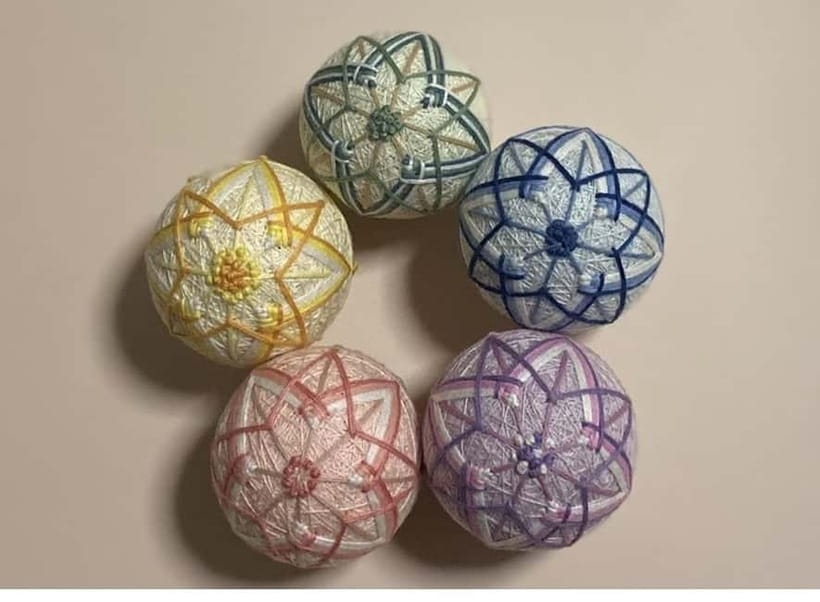
Temari turns a simple ball into a personal work of art. In this Osaka Temari embroidery workshop, you learn the hand-stitched technique behind these traditional embroidered balls, then take a video link home so you can finish the other side. I love how you can choose your own color combo, and I also like that instruction is offered in English or Spanish with a small group size. The only real catch: you’ll finish just one side during the 2 hours, so you’ll need a little patience later to complete the second.
The class is designed for hands-on learning, from picking a Temari base to stitching with guidance. You’re not just watching someone else work, you’re doing it step by step. One more thing to consider is timing and planning, since you need to be able to return to your Temari at home for the second side.
In This Review
- Key things to know before you go
- Why Temari embroidery feels like a very “Japan” craft in Osaka
- Finding the workshop space at C-Flat, SARASA Hotel Shinsaibashi
- Picking your Temari base ball and thread colors
- Stitching technique: what happens during the 2 hours
- Taking the video link home to finish the other side
- Price and value: is $38 fair for a hands-on craft in Osaka?
- Who this workshop is best for
- Smart tips to make the most of your Temari class
- Should you book the Osaka Temari embroidery workshop?
Key things to know before you go
- One-side completion in class: you stitch together with your instructor, then finish the other side using a video
- Choose your thread colors: select 4 colors, so your Temari feels like yours
- Instructor-led technique: needles and materials are provided, and you get real guidance as you stitch
- Small group format: limited to 10 participants, which helps you get answers while you work
- Shinsaibashi meeting point: Free space C-Flat at SARASA HOTEL Shinsaibashi (1F) makes it easy to find
Why Temari embroidery feels like a very “Japan” craft in Osaka
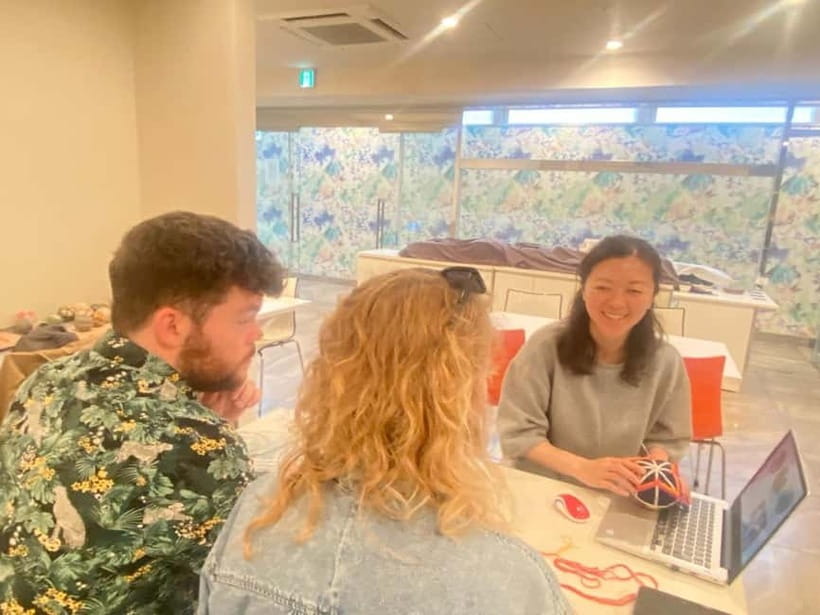
Temari embroidery has been around for centuries, and that long timeline matters here. You’re learning a technique that people have used for generations to turn thread and pattern into something you can hold, rotate, and admire up close. That sense of continuity makes the finished piece feel more meaningful than a typical souvenir.
What you create in this workshop is also very practical as a memory. The embroidery is the point, but the process is where you get the real value. You learn how the stitching builds pattern over time, so even if your first pass looks different from someone else’s, it’s still a real Temari, made with your choices.
Also, the workshop is focused on clarity. With a hand craft, you need to understand the “how” in your language. Here, instruction is available in English and Spanish, and the class stays small enough that you’re not lost in the crowd.
Other ways to spend a day in Osaka
- Sushi Making Osaka Roll and Authentic Japanese Sushi Class★ 5.0 · 1,220 reviews
- Matcha Making Class in Osaka with Authentic Japanese Sweets Set★ 5.0 · 509 reviews
- Osaka: Ramen and Gyoza Cooking Class in Dotonbori★ 5.0 · 378 reviews
- Osaka Cooking Class: Okonomiyaki &Japanese cuisines experience★ 5.0 · 261 reviews
- Osaka: Roll and Authentic Sushi Making Class in Dotonbori★ 4.9 · 239 reviews
Finding the workshop space at C-Flat, SARASA Hotel Shinsaibashi
You’ll meet at Free space C-Flat, located on the 1F of SARASA HOTEL Shinsaibashi. If you’re already exploring the Shinsaibashi area, this is a convenient setup because it’s a straightforward, hotel-based meeting point rather than a hard-to-locate workshop studio.
The practical benefit of a clear meeting point is time saved. When you only have a 2-hour window, you want your arrival to be smooth so you can actually enjoy the stitching rather than scrambling to get settled. Plan to arrive a bit early, especially if you want time to pick out your favorite color combinations.
The workshop is run by EL PUENTE, and it’s built around a small group format with a maximum of 10 participants. That matters for a craft class, because you’ll want to ask questions and check your stitch direction before you build more pattern.
Picking your Temari base ball and thread colors
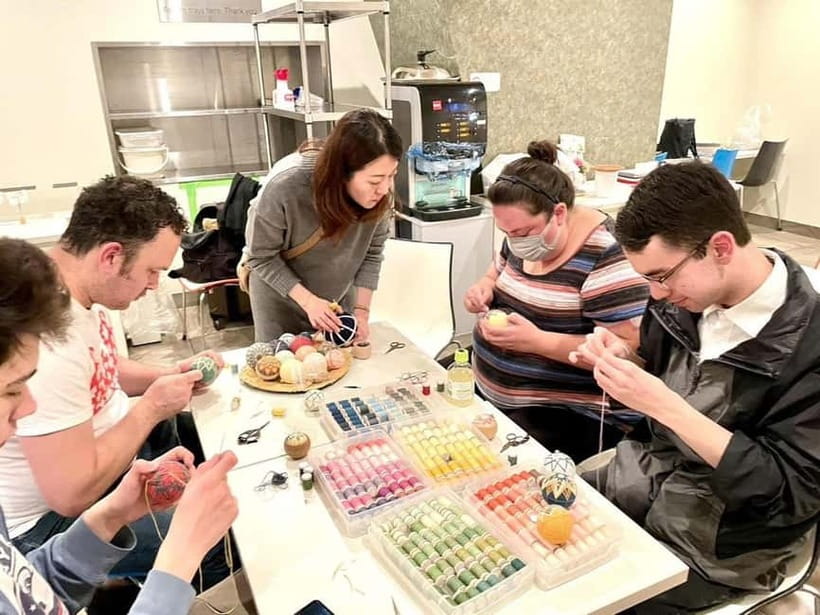
The workshop starts with context, then gets immediately into making. You begin by learning about the background of Temari, which helps you understand what you’re doing rather than treating it like a random craft activity.
Next comes the fun part: choosing your materials. You’ll select a Temari base ball from different colors, and the host prepares the base for you. If you have a specific base color you love, you should message the host at least 3 days in advance so they can plan accordingly.
Then you choose 4 colors of embroidery thread. This is one of the reasons the final result feels personal. You’re not locked into a preset palette, and you get to think like a designer for a moment. If you like bold contrasts, you can do that. If you prefer softer tones, you can choose those. Either way, your color choices affect the look of your pattern as you stitch.
You’ll also be provided with needles and the class materials you need, so you don’t have to shop for supplies in advance. That’s a big plus in Osaka, where it’s easy to spend your limited time hunting for things you don’t actually need.
Stitching technique: what happens during the 2 hours
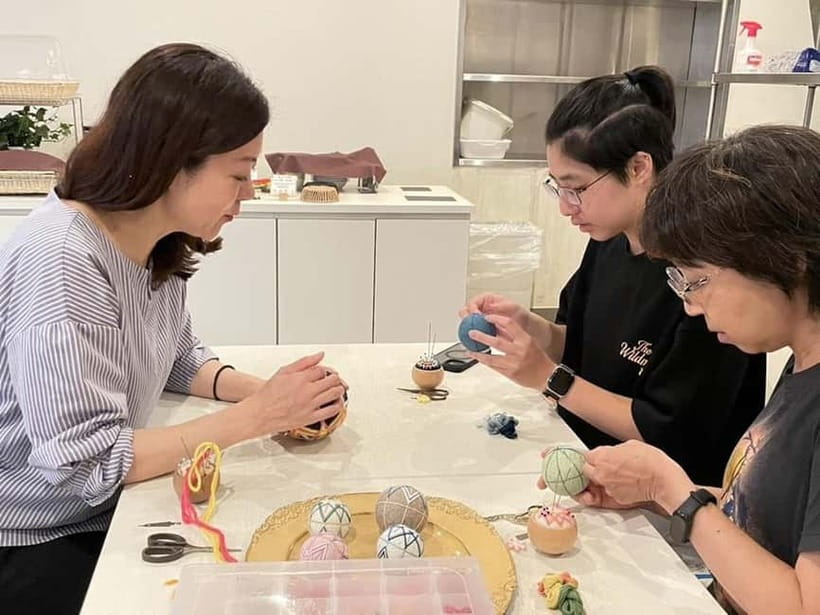
Once the materials are set, the instructor guides you through the stitching technique. This is not a “press play and hope” experience. You learn how the stitches work, then you stitch along with your host.
You’ll work on creating a unique pattern using the 4 thread colors you selected. The workshop’s structure is simple and effective: learn the method, practice together, then build your own pattern from the combination of color and stitching sequence.
One important detail: only one side of the Temari will be finished during the class. That means you’ll leave with a real, good-looking result in progress, but you’re not expected to complete both sides on-site.
This is actually smart for first-timers. Completing both sides in a single session would rush the technique, and it’s easy to lose quality when you’re learning something new with your hands. Here, the pace gives you time to understand what you’re doing as you go.
Taking the video link home to finish the other side
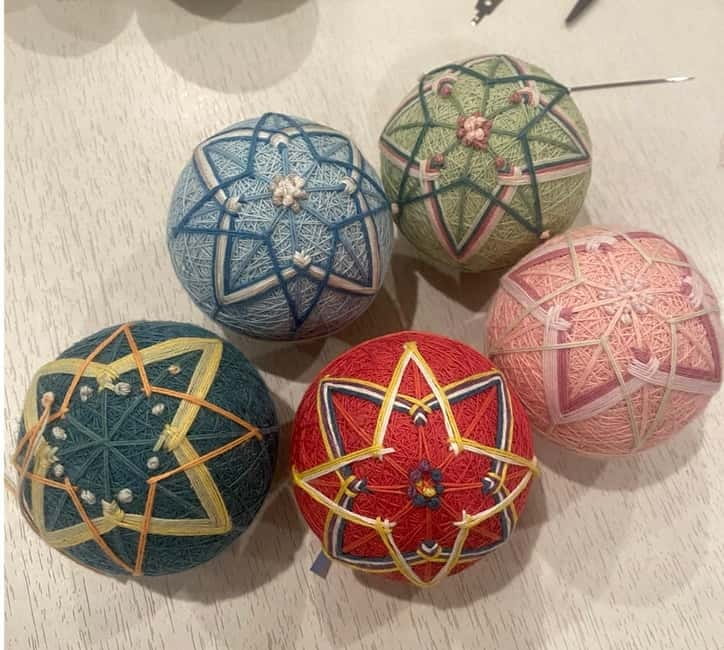
Leaving with only one finished side might sound like a drawback until you look at the tradeoff: you get a video link to complete the other side at home. That turns the class into a two-stage experience, where the workshop teaches you the method and then the video helps you apply it to the second side later.
The practical value is that you control your finishing time. If you’re the kind of person who likes working slowly at your own pace, this fits you well. If you prefer finishing right away, you can still do that, but you’re not forced to finish before you head out for dinner or your next Osaka stop.
In at least some cases, instructors also make sure you have what you need to keep going, including a needle you can take home. Even if your exact experience varies, the general idea is consistent: you get support to keep working after the class ends.
Not ready to leave Osaka yet? A few more ways to fill the day.
- Osaka Go Karting Tour with Funny Costume
★ 5.0 · 2,658 reviews - Osaka Castle: Museum and Tower Entry Ticket
★ 4.5 · 2,380 reviews - Osaka: Shinsekai Food Tour with 13-15 Dishes at 5 Eateries
★ 4.8 · 2,204 reviews
Price and value: is $38 fair for a hands-on craft in Osaka?
At $38 per person for a 2-hour workshop, this is one of those “pay for the learning” experiences. You’re not paying mainly for a finished item you could buy in a shop. You’re paying for instruction, guided technique, and the materials that let you create your own Temari colors and pattern.
What makes the price feel fair is the mix of inclusions:
- Temari base prepared for you
- 4 thread colors you choose
- needles provided
- a video link so you can finish the second side later
When you stack those together, it’s not just a class fee. It’s also a kit plus a learning tool. That’s how you get better value than a typical short craft where you leave with one finished thing and no way to extend your progress.
Also, small group learning improves the value. Limited to 10 participants, you’re more likely to get the kind of guidance that prevents mistakes. With threadwork, correcting things early saves frustration later.
Who this workshop is best for
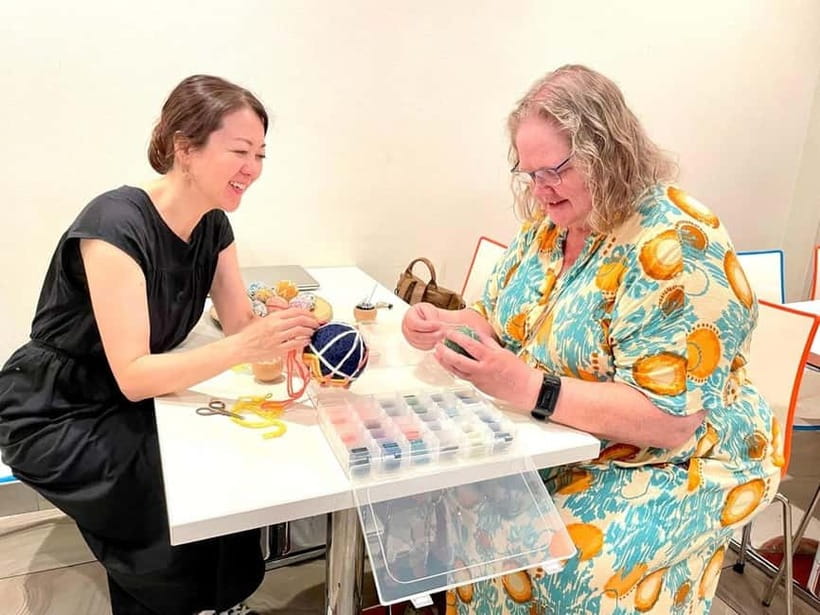
This Temari workshop is a strong match if you want a real Japanese culture activity that doesn’t require previous crafting skill. The steps are taught, materials are provided, and you’re working directly with the instructor while you learn the technique.
It’s also a good pick for:
- A first-time craft traveler who likes structured learning
- Anyone who wants a gift with personal meaning, since you choose your colors
- Solo travelers who still want a social experience without large groups
- People who enjoy taking something home and continuing it later
Because the workshop is wheelchair accessible, it’s also a practical option for mobility needs, as long as the meeting space and seating work for your specific situation.
Language support is another plus. With English and Spanish instruction, you’re not stuck guessing your way through the technique. If you’re traveling with a Spanish speaker, this can be a rare craft option that still feels comfortable for both of you.
Smart tips to make the most of your Temari class
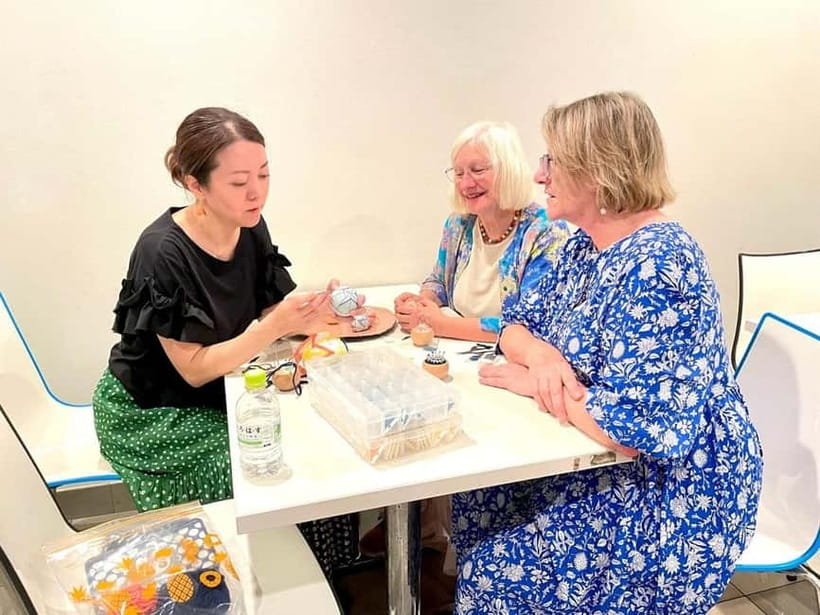
You don’t need to be a craft expert to do well here, but a few habits help you get the best experience.
First, decide your color plan before you arrive. You’ll pick 4 thread colors, and thinking about contrast or harmony ahead of time makes it easier when you’re sitting at the table. If you’re sending a request for a preferred base color, do it at least 3 days in advance so the host has time.
Second, watch how the instructor holds the thread and guides the stitch. Hand embroidery is very physical. If you focus on what your hands are doing rather than trying to rush the pattern, your result will be more satisfying.
Third, plan one small “finishing moment” after the workshop. Since only one side is completed in class, treat the second side as a follow-up project. Put it on your schedule when you have a quiet hour, and use the video link like a slow companion rather than a homework deadline.
Should you book the Osaka Temari embroidery workshop?
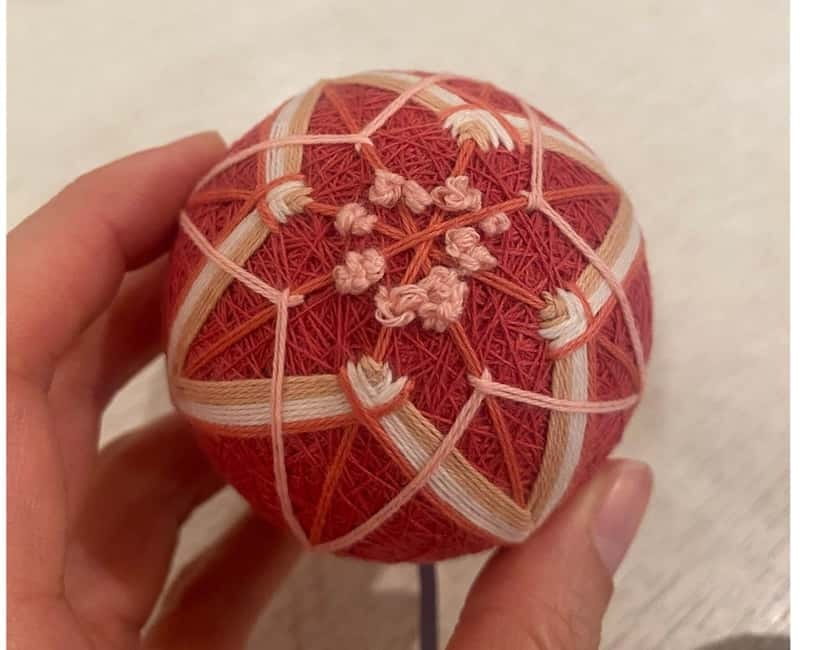
If you want a meaningful Osaka activity that mixes culture with real hands-on making, I think this is an excellent choice. The combination of guided technique, your own color selection, and the video link for finishing the second side is exactly the kind of value that turns a short class into a lasting memory.
Book it if you like crafts, enjoy learning with your hands, and want something you can work on after your trip. Skip it only if you strongly prefer finishing everything on-site, or if you know you won’t have any time or patience to complete the other side later.
If you’re in the Shinsaibashi area, meeting at C-Flat on the 1F of SARASA Hotel Shinsaibashi makes it simple to slot into your day. And with a small group capped at 10, you’ll likely leave feeling like you truly learned something, not just participated.
Just added around Osaka


Workshops, compared.

Sushi Making Osaka Roll and Authentic Japanese Sushi Class
Read our review →
Matcha Making Class in Osaka with Authentic Japanese Sweets Set
Read our review →
Osaka Cooking Class: Okonomiyaki &Japanese cuisines experience
Read our review →
Roll and Authentic Sushi Making Class in Dotonbori
Read our review →