
Reviewed · TEA CEREMONY & MATCHA EXPERIENCES
Osaka:Zen Tea Ceremony and Foot Bath Experience<45min>
A temple tea moment beats any quick café stop. I love the Zen setting and the gentle, guided rhythm of the matcha, and I also love the foot bath with a light scrub massage, which makes the whole thing feel both calm and practical. The only real drawback is that at about an hour, it is not a long, slow retreat, so you will want to go in with a clear window.
This is taught in a small, temple-like space with a maximum of 3 travelers, so the tone stays quiet and personal. In one session, the massage was led with particular care from Arisa, which is exactly the kind of attention you hope for when you are pairing body comfort with a traditional practice.
In This Review
- Key highlights you will feel right away
- Zen tea and foot bath in Osaka’s temple space
- The 45-minute flow, from worship to matcha to bare calm
- Temple worship and incense, why it is more than a script
- Matcha making and tasting, plus wagashi that actually fit the moment
- Foot bath with scrub massage, the practical comfort you will notice later
- Photos with your smartphone, no awkward stand-alone shoots
- Price and value in Osaka, what you are really paying for
- Group size and logistics that affect your comfort
- Who this is best for in Osaka
- Before you go, small tips that make it smoother
- Should you book this Zen tea ceremony and foot bath?
Key highlights you will feel right away
- Temple worship and incense offering: you learn what you are doing and why, not just the steps
- Kneaded incense and meditation guidance: a calm, structured moment for your headspace
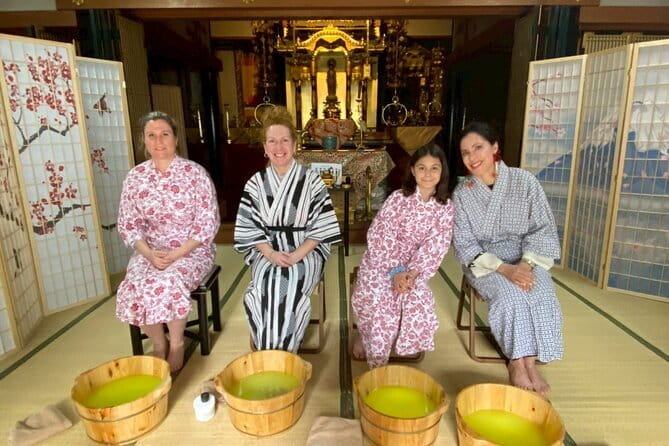
- Cooling foot bath plus scrub massage: warm-day Osaka relief, with a soothing touch
- Matcha with Japanese wagashi: you taste the culture as well as the ritual
- Smartphone photos taken and gifted: you get memories without awkward posing
- Max 3 travelers: more attention, less waiting, more stillness
Zen tea and foot bath in Osaka’s temple space
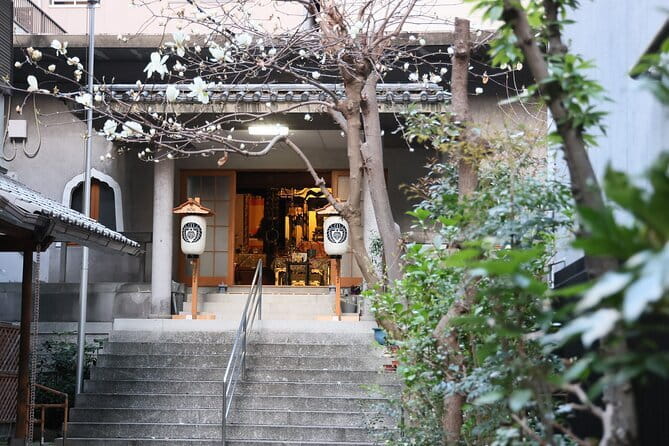
If your Osaka plan is all trains, food lines, and last-minute museum tickets, this kind of experience is a smart reset. You trade the street noise for a temple atmosphere where the pace slows down on purpose. You come for matcha, but you leave with a body feeling lighter too.
The core idea is simple: learn the traditional way of making and serving matcha, then pair it with a cooling foot bath and light massage. You also get temple context, including an explanation of the temple and how worship works, using guidebooks while you are there.
One more plus is the way the session is handled: it is not a performance where you just watch. You participate. That is what makes the hour feel meaningful instead of just scenic.
Slow down for a bowl of matcha
- Osaka: Tea Ceremony Experience★ 4.9 · 1,426 reviews
- Tea Ceremony Experience in Osaka Doutonbori★ 5.0 · 754 reviews
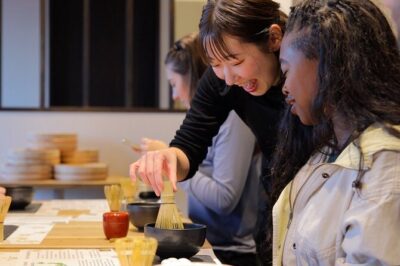
- Matcha Making Class in Osaka with Authentic Japanese Sweets Set★ 5.0 · 509 reviews
- Osaka: Matcha Making Experience with Japanese Sweets★ 5.0 · 146 reviews
- Osaka: Japanese Traditional Sweets Making and Tea Ceremony★ 4.7 · 118 reviews
The 45-minute flow, from worship to matcha to bare calm
The experience runs about 1 hour, sometimes described as around 45 minutes of activity. Either way, it is tight, organized, and easy to fit between other Osaka stops.
It typically starts with an orientation on the temple itself. You will hear about where the temple tradition comes from and how worship is done. This matters because matcha rituals can feel mysterious if you only get the final steps. Here, you get the context while you are standing inside the ritual space.
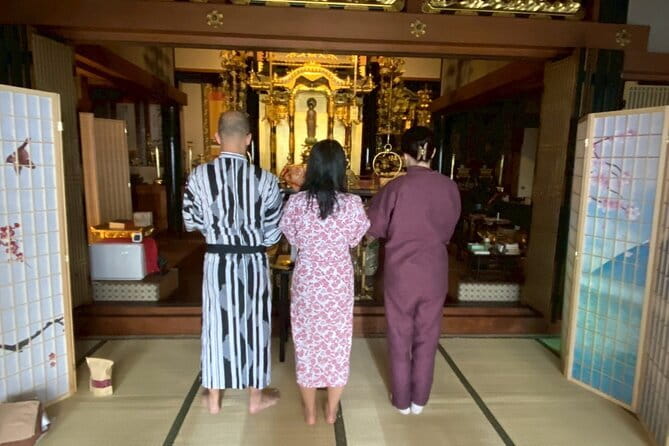
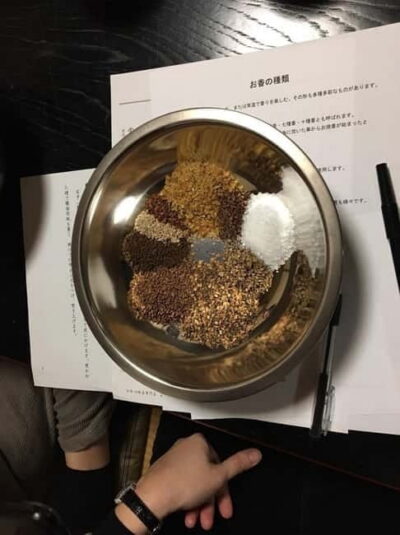
Next comes the worship portion. You may participate in things like incense offerings, plus kneaded incense and a meditation component. The wording can sound a little abstract, but the practical point is that you are guided through what to do, so you are not left guessing.
Then you shift gears to the body. The session moves into a cooling foot bath with a scrub massage. This is the part that many people appreciate most after a day walking in Osaka. Even if you do not think your feet are that tired, a gentle scrub and soak tends to make the difference feel obvious.
Finally, you return to the senses with the matcha ceremony. You taste matcha and enjoy Japanese wagashi alongside it. Photos are also taken during the experience, using your smartphone, and you receive them after.
Temple worship and incense, why it is more than a script
A lot of tea experiences focus only on drinking. This one adds the temple piece, and that changes the vibe fast.
You learn the basics of how to worship in that space, including incense offering and the meditation component. The experience staff also explain the temple and its traditions using guidebooks. You are not expected to know the culture beforehand.
What I like about that approach is the balance. You get structure, but you are not forced into being an expert. If you are curious, you can ask. If you are quiet, you can still participate comfortably.
Also, the staff take photos as part of the flow. That means you are not scrambling to document the ritual at the exact moment you are trying to concentrate.
Matcha making and tasting, plus wagashi that actually fit the moment
Matcha in Japan is not just a drink. It is a full sensory experience: aroma, foam, temperature, and the slower act of receiving something made for you.
In this ceremony, you learn the traditional way of preparing matcha. You also get the Japanese wagashi to go with it. Wagashi matters here because it is not a random snack. It is part of how sweetness and texture support the matcha flavor.
You should expect staff explanation while the steps happen. That is helpful for two reasons. First, you can follow along even if you have never made matcha before. Second, you will understand what you are seeing, which makes it easier to remember what to practice later at home.
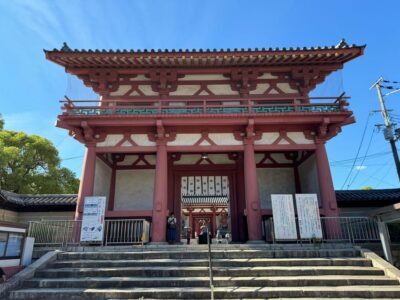
And yes, the ceremony is done in a temple environment. One session is described as taking place in a 500 year old temple setting, which adds weight to the ritual. Even if you do not measure the age of buildings, you can still feel when a place has been used for spiritual practice for a very long time.
Foot bath with scrub massage, the practical comfort you will notice later
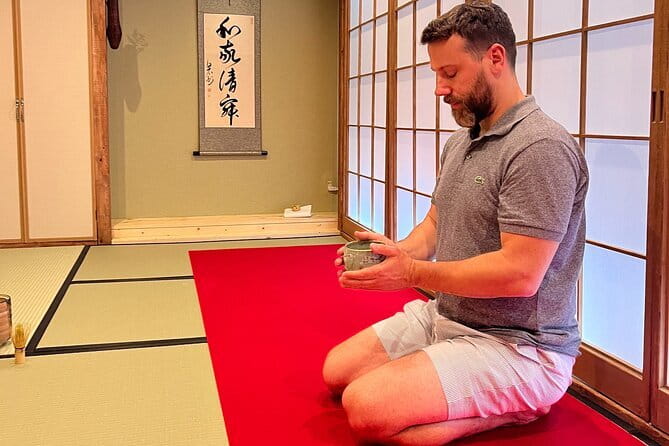
This is the portion that turns the experience from cultural class into personal comfort.
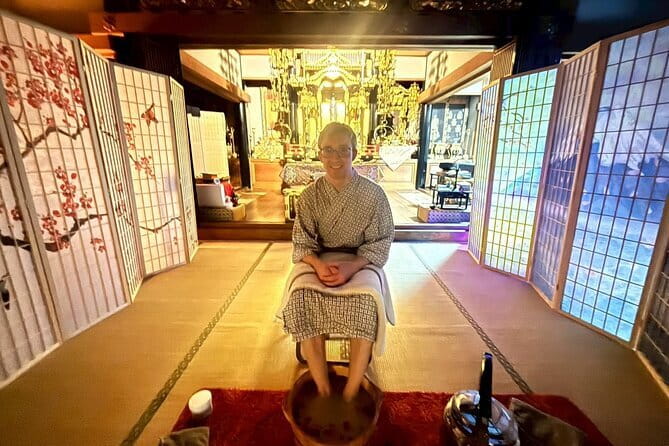
The foot bath is described as cooling, and it includes a scrub massage. That means you are not just soaking. There is a light massage component that helps your feet feel reset, especially after days of walking.
If you are touring Osaka in warmer weather, this part is a huge win. A cooling soak plus light scrub can take the edge off tired soles faster than you expect.
It also helps the tone of the tea part. After you relax your feet, the matcha ritual feels easier to slow down for. You are more likely to be present rather than thinking about your next appointment or your next meal.
Arisa was specifically praised for gentleness during the massage and matcha ceremony in one account. That kind of calm touch is exactly what you want when someone is working around your feet in a careful, ritual setting.
Not ready to leave Osaka yet? A few more ways to fill the day.
- Osaka Go Karting Tour with Funny Costume
★ 5.0 · 2,658 reviews - Osaka Castle: Museum and Tower Entry Ticket
★ 4.5 · 2,380 reviews - Osaka: Shinsekai Food Tour with 13-15 Dishes at 5 Eateries
★ 4.8 · 2,204 reviews
Photos with your smartphone, no awkward stand-alone shoots
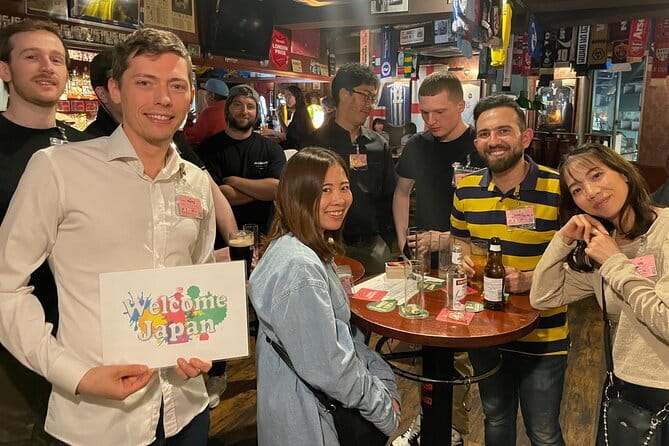
Many activities in Japan include photos, but they often feel tacked on. Here, photos are taken during the ceremony and worship flow, using your smartphone. The photos are then gifted to you.
That is useful because the timing is handled. You do not need to stop the ritual to search for the right angle or the right background. You can stay in the moment, then collect your memories afterward.
It also means you do not have to worry about camera skills. The staff know the moment you want and the composition that fits the setting.
If you like having proof of experiences but hate turning every moment into a production, this is a good middle ground.
Price and value in Osaka, what you are really paying for
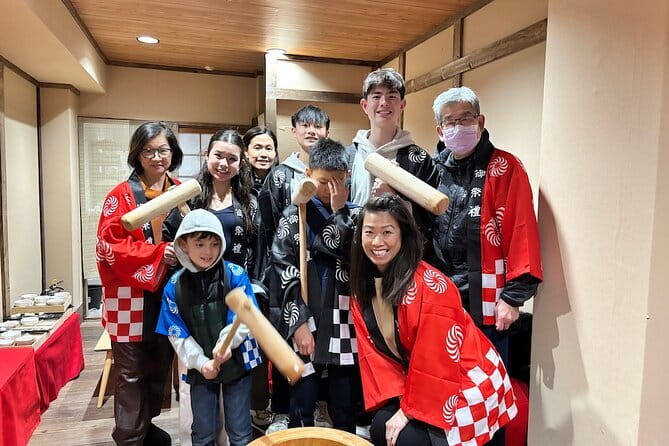
At $42.35 per person, this sits in the category of cultural experiences that are not cheap, but also not outrageous for what you get.
You are paying for several things at once:
- guided temple worship and incense-related practice
- a matcha ceremony plus wagashi
- a cooling foot bath with scrub massage
- staff-led explanations and smartphone photos
You are not just buying matcha. You are buying time, instruction, and comfort in a specific kind of setting. The max group size of 3 travelers also boosts the perceived value, because you are not stuck with a big class energy where you feel rushed or lost.
Is it a bargain compared to doing matcha in a shop? No. But it is a better value if you care about learning what you are doing and getting the whole mind and body effect in one hour.
Also, it is scheduled in a way that fits real itineraries. That flexibility is part of the value, because you can book this as a reset in the middle of an active day.
Group size and logistics that affect your comfort
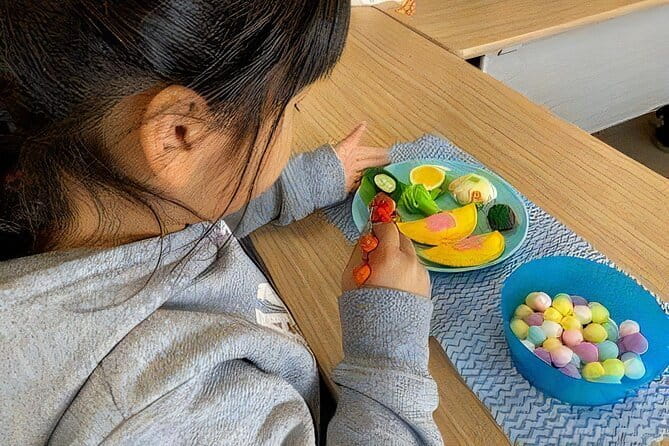
This experience caps at 3 travelers. In practice, that tends to create a more relaxed atmosphere. You can focus on your own pace instead of waiting for a turn in a large group.
It is also described as near public transportation, and the meeting point is at Tossa de coracao 1-chōme-6-19 Kitahorie, Nishi Ward, Osaka, 550-0014, Japan. You return to the same meeting point at the end.
Mobile tickets are used, which keeps things simple on your phone. Service animals are allowed too, so you are not dealing with that common worry for some experiences.
If you are planning around a rainy day, having a temple-based indoor option can be a relief. The space is designed for calm, so even if the weather outside is not cooperating, the experience itself stays steady.
Who this is best for in Osaka
This works especially well for:
- people who want a calmer break from city walking
- matcha fans who also want meaning behind the ritual
- travelers who like small-group instruction
- anyone who appreciates a hands-on cultural activity, not just watching
If you are traveling with friends, it still works because the group stays very small. One session described being part of a group of three, and the mood was still relaxing and unhurried.
If you are a solo traveler, this kind of setup can feel even more personal. One account described being the only person doing the ceremony and getting close, individual attention.
On the other hand, if you want a long multi-hour deep practice, this may feel too short. You are getting a focused introduction plus comfort, not a half-day meditation retreat.
Before you go, small tips that make it smoother
Because this is a temple-based ceremony with worship elements and a foot bath, you will enjoy it more if you go prepared to follow instructions and shift modes quickly.
Wear comfortable clothes for moving between areas, and plan to arrive with enough time to settle before things start. You do not need special training, but you do want to be ready for a few guided moments where you are expected to pay attention.
If you get offered a robe or kimono or something similar, take it. In one account, participants changed into yukata, and it added to the feeling that you were stepping into the tradition rather than just attending it.
Finally, keep your expectations realistic. You will likely learn and taste a lot, but you will not cover every matcha technique on earth. Think of this as a beautiful sampler that you can remember.
Should you book this Zen tea ceremony and foot bath?
Book it if you want a peaceful, small-group cultural experience that treats both mind and body with care. The combination is the selling point: temple worship and incense context paired with a cooling foot bath and scrub massage, then matched with a proper matcha ceremony and wagashi.
Skip it if you are only chasing the cheapest matcha possible, or if you need a longer session to feel fully satisfied. Also, if you hate anything involving guided worship or incense offerings, this may not match your personal comfort level.
If your Osaka day includes lots of walking, this is a great reset. And if you want a memorable cultural moment that feels organized, kind, and calming, this one is hard to beat for the time you spend.
Just added around Osaka
Tea Ceremony & Matcha Experiences, compared.
Matcha Making Class in Osaka with Authentic Japanese Sweets Set
Read our review →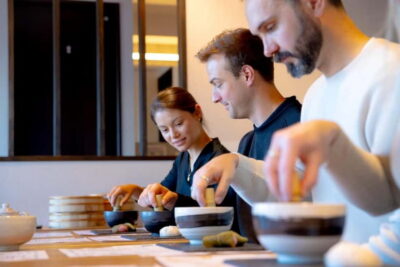
Japanese Traditional Sweets Making and Tea Ceremony
Read our review →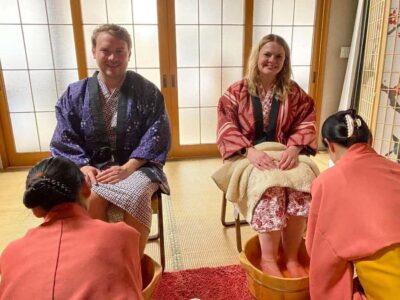
Osaka Temple Cool Foot Bath & Matcha Experience〈45min〉
Read our review →
Samurai Show, Tea Ceremony, Japanese Traditional Activities
Read our review →
This tour also fits