
Reviewed · COOKING CLASSES
Sushi and Japnese foods cooking class in Osaka
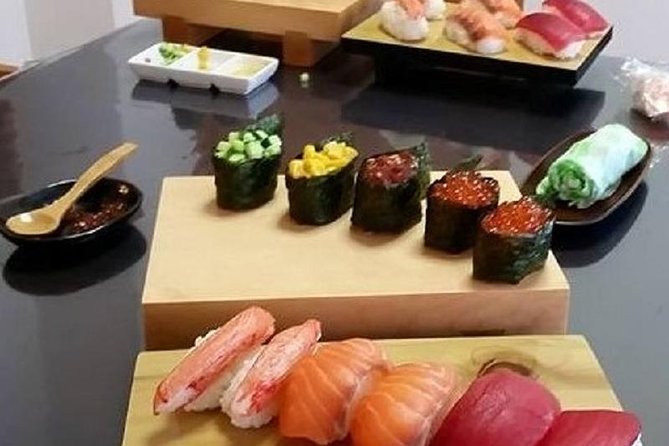
Turning dinner into a skill is a treat. This Osaka sushi-making class is hands-on, small, and taught in an inviting home setting by Yayo, with professional guidance from a licensed chef. You’ll roll sushi step by step, then sit down to eat what you made with classic Japanese sides.
I especially love the small group feel. The lesson is capped tightly, and even when it is not private, it stays intimate. That means you can ask questions, get corrections while you’re working, and actually make a few rolls instead of watching from the sidelines.
The main drawback to consider is timing. The studio and lesson pace are strict, and if you are more than 10 minutes late the contract can be invalid with no refund, so plan your route and buffer time.
In This Review
- Key Things I’d Prioritize in This Osaka Sushi Class
- Getting to the Class: Noda Station and a Short Walk to a Home Kitchen
- Meet Yayo: What a Licensed Chef Teaches and How the Class Stays Personal
- Sushi Rice and Rolling Basics: Nori, Fillings, and Getting Your Hands Right
- What You Make (and Eat) During the Lesson: Sushi Rolls, Miso Soup, Tamagoyaki, and Taiyaki
- Optional Sake and Osaka Beer Pairing: Should You Add the Upgrade?
- Price and Value at $165.13: What You’re Really Paying For
- Timing That Actually Works: Two and a Half Hours in a Strict Pace
- Who This Osaka Sushi-Making Class Is For (and Who Might Skip It)
- Final Take: Should You Book This Osaka Sushi Class?
- FAQ
- What does the Osaka sushi-making class include?
- How long is the sushi-making class?
- Where do I meet the instructor?
- Is hotel pickup or drop-off included?
- Is the class small?
- What drinks are available?
- Is taiyaki included?
- Do I need to be on time?
- What if it is bad weather?
- What is the cancellation policy?
Key Things I’d Prioritize in This Osaka Sushi Class
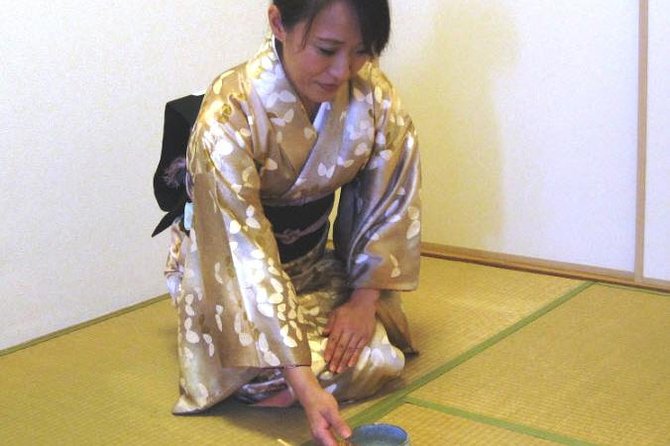
- Licensed chef instruction with English support so you can follow technique and explanations clearly
- Hands-on sushi rolling using nori, sushi rice, thin-sliced sashimi, and chef-selected fillings
- Dinner you eat right away: sushi rolls plus miso soup and Japanese omelet (tamagoyaki)
- Optional sake or beer tasting if you want to turn your cooking evening into a drink pairing moment
- Taiyaki dessert at the end so you leave with something sweet and familiar
Getting to the Class: Noda Station and a Short Walk to a Home Kitchen
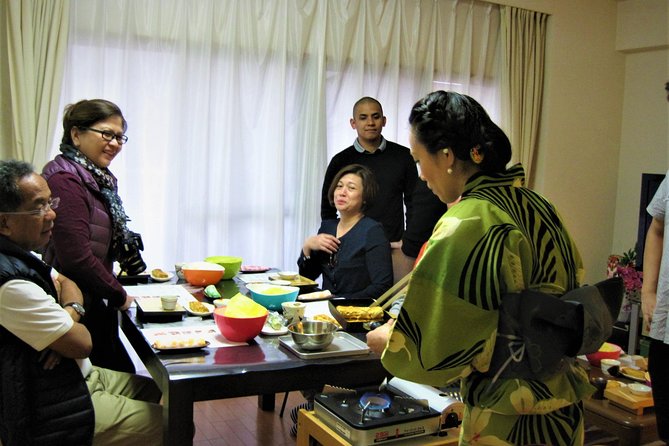
The evening starts outside Noda Station in central Osaka. From there, you meet your instructor and head to a nearby home for the lesson. It’s a good setup if you like experiences that feel local, not staged in a big tourist venue.
The fact that it’s near public transportation matters here. You are not relying on hotel pickup or a complicated transfer, so you can build this around your Osaka day plans. Also, since the lesson is in a small space, it helps to arrive early, get your bearings fast, and avoid getting rushed.
One more practical point: this is a tiny studio experience. If you are booking, you should expect that only booked participants are allowed in the class space, because the lesson room is kept small.
Other ways to spend a day in Osaka
- Osaka: Ramen and Gyoza Cooking Class in Dotonbori★ 5.0 · 378 reviews
- Osaka Cooking Class: Okonomiyaki &Japanese cuisines experience★ 5.0 · 261 reviews
- Ramen and Gyoza Cooking Class in Osaka★ 5.0 · 202 reviews
- Osaka Sake Tasting with Takoyaki Cooking★ 5.0 · 156 reviews
- Osaka Sake Tasting & Takoyaki Cooking Experience★ 5.0 · 149 reviews
Meet Yayo: What a Licensed Chef Teaches and How the Class Stays Personal
In this class, you are not just learning “how to make sushi.” You’re learning technique under a real cooking professional. The instructor is a licensed chef and leads an English-speaking lesson, which shows up in how calmly things are explained and how patiently your questions get handled.
Yayo’s teaching style is frequently described as warm and encouraging. That matters because sushi rolling is one of those skills where confidence helps. You need to get comfortable with rice texture, nori handling, and the gentle, controlled motion of rolling without squashing everything.
The group size also supports that personalized feel. The class is limited, and the activity itself caps the number of travelers. In practice, that usually means you get plenty of attention, not just a quick “good job” and a pass to the next step.
Sushi Rice and Rolling Basics: Nori, Fillings, and Getting Your Hands Right
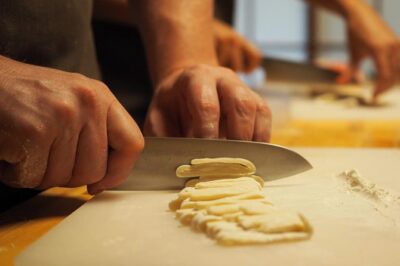
The core of the lesson is sushi rolling, and you start with the fundamentals. You’ll watch a demonstration of preparing sushi rice, then you move into the rolling process.
Here’s what the workflow looks like:
- You learn how the rice preparation affects everything that follows.
- You place ingredients on nori, including thin-sliced sashimi chosen by the chef, along with other fillings.
- You roll, then re-roll or adjust as you learn what works for your hands.
You should expect to make mistakes. In sushi, that is part of the lesson. The best part of a small class is that you can try again while the instructor is watching, so you learn the correction immediately instead of guessing later.
Also, pay attention to technique cues around pressure and alignment. Reviews highlight how much the host focuses on details, which is exactly what you need when you’re trying to make rolls that look tidy and hold together.
What You Make (and Eat) During the Lesson: Sushi Rolls, Miso Soup, Tamagoyaki, and Taiyaki
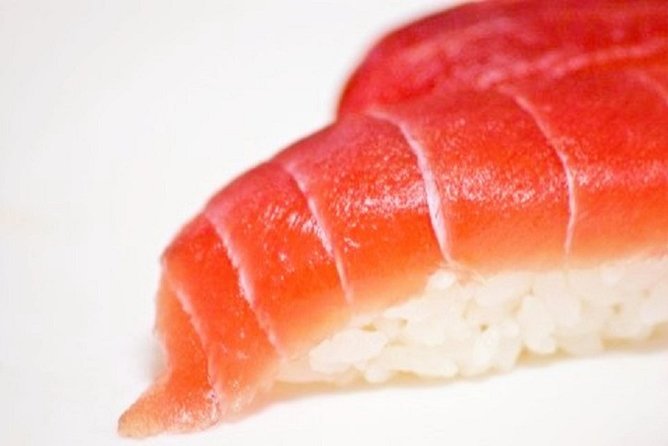
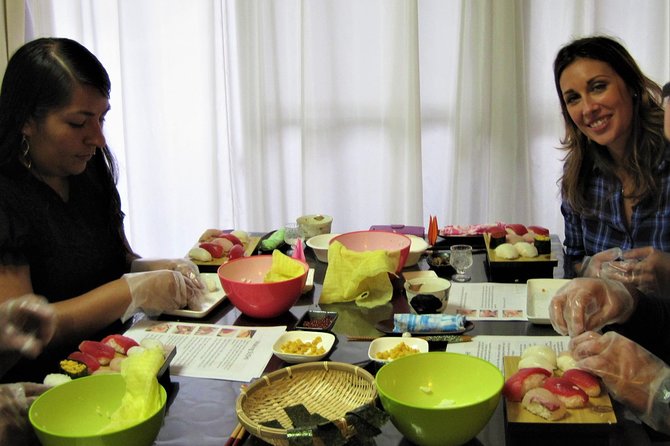
This is not a cooking class where you finish and then eat something unrelated. You cook, then you eat your creations in the same session.
Your dinner includes:
- Sushi rolls you made during the hands-on portion
- Miso soup
- Japanese omelet (tamagoyaki)
- A selection of Japanese snacks alongside your meal
A few people mention that the instructor walks you through items like miso preparation as part of the evening flow, which makes the meal feel more complete than just “here are your rolls, good luck.”
Then comes dessert: taiyaki. It’s a fun closing touch because it feels like a real Japanese food moment, not a generic sweet offered to check a box.
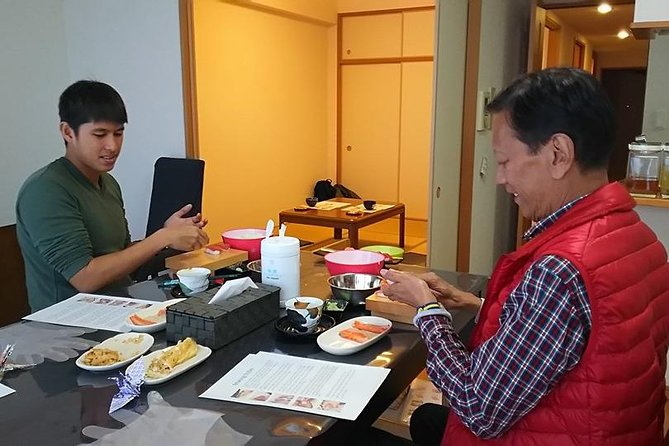
And one more thing I appreciate about the setup: it’s described as cozy and home-style. That matters because you’re not just learning food technique, you’re also experiencing a different side of Japanese hospitality, the kind that feels simple, welcoming, and practical.
Optional Sake and Osaka Beer Pairing: Should You Add the Upgrade?
The class includes dinner, but there is an optional upgrade for alcohol tasting. If you choose it, you get local sake cups and the experience is designed as a tasting pairing with what you’re eating.
The details on the tasting include:
- Two local sake cups tasting if the option is selected
- A tasting structure described as either six sakes, or four sakes plus a bottle of beer (depending on how the tasting is set up that day)
Should you add it? If you enjoy food pairing, the upgrade makes sense because you’re already learning how flavors work in sushi, miso, and tamagoyaki. Drinking with the meal is not just a bonus, it helps connect the food to the broader Japanese table experience.
If you do not drink alcohol, you’re still fine. The base class gives you a full dinner with classic items, and the taiyaki dessert keeps the evening satisfying.
Not ready to leave Osaka yet? A few more ways to fill the day.
- Osaka Go Karting Tour with Funny Costume
★ 5.0 · 2,658 reviews - Osaka Castle: Museum and Tower Entry Ticket
★ 4.5 · 2,380 reviews - Osaka: Shinsekai Food Tour with 13-15 Dishes at 5 Eateries
★ 4.8 · 2,204 reviews
Price and Value at $165.13: What You’re Really Paying For
At about $165.13 per person, the price is not “cheap,” but it’s not random either. For me, value here comes from three things that are hard to fake:
- You get hands-on time with an instructor in a small setting.
- You eat what you make, plus miso soup, tamagoyaki, snacks, and taiyaki.
- The class is tied to authentic technique, not just a quick demo.
In a lot of cooking experiences in big cities, you pay for the entertainment and the photo moment, then the food is mostly store-bought. Here, the meal is the point, and the instruction supports that.
You should also consider how much this fits your trip. If you are doing Osaka for a day or two, this is one of those activities that can anchor your memory because you leave with both dinner and a skill you can repeat later at home.
If you are the type who loves sushi but wants more than ordering, this is strong value. If you only want a light snack tasting, it could feel more structured than you need.
Timing That Actually Works: Two and a Half Hours in a Strict Pace
The class runs about 2 hours 30 minutes. That’s long enough to learn rice and rolling technique, make rolls, and sit down to a full meal, but short enough to still enjoy an Osaka evening after.
Because the studio is small and the lesson is timed, you should treat this like a “set time” appointment. Plan to be early, and build in buffer time from your hotel or from your last stop.
Late arrival is the one stress point. The contract can be invalid if you are 10 minutes late, with no refund. This is not the kind of activity you want to gamble with if your day is already packed.
Who This Osaka Sushi-Making Class Is For (and Who Might Skip It)
This class is a great fit if you:
- Want to learn sushi rolling basics you can repeat later
- Like intimate cooking settings where you can ask questions
- Enjoy Japanese comfort foods like miso soup and tamagoyaki
- Want optional alcohol pairing without turning the night into a party
It may be less ideal if you:
- Need a fully private experience every time, because small class sizes can still have other participants
- Are extremely inflexible about timing, since being late can cause problems
- Prefer a purely sightseeing-style activity rather than a cooking lesson in a studio
Final Take: Should You Book This Osaka Sushi Class?
If you like sushi and you want your Osaka dinner to be something you can say you made, I think this is an easy yes. The combination of hands-on rolling, a proper dinner (sushi plus miso soup and tamagoyaki), and a cozy host-led home setting is exactly the kind of experience that feels worth the money.
My only real caution is practical: plan to arrive early and protect your schedule. If you do that, you’ll get a fun, skill-building evening with a very Japanese food rhythm, and you’ll leave with taiyaki sweetness to close the meal.
FAQ
What does the Osaka sushi-making class include?
It includes dinner (sushi you roll plus miso soup and a Japanese omelet), all ingredients for cooking, and an English-speaking cooking instructor. If you choose the sake option, it also includes local sake cups tasting.
How long is the sushi-making class?
The duration is about 2 hours 30 minutes.
Where do I meet the instructor?
You start outside Noda Station in Osaka.
Is hotel pickup or drop-off included?
No, hotel pickup and drop-off are not included.
Is the class small?
Yes. The lesson is limited to a small group, and your activity booking is capped at a maximum of 2 travelers.
What drinks are available?
The base experience includes dinner. There is an optional upgrade for local sake tasting, with an Osaka-brewed beer option included as part of the tasting structure.
Is taiyaki included?
Yes. Taiyaki is provided for dessert at the end.
Do I need to be on time?
Yes. If you are more than 10 minutes late, the contract can become invalid and you won’t be refunded.
What if it is bad weather?
This experience requires good weather. If it is canceled due to poor weather, you’ll be offered another date or a full refund.
What is the cancellation policy?
Free cancellation is available up to 24 hours in advance for a full refund. Canceling less than 24 hours before the start time is not refunded.
Just added around Osaka


Cooking Classes, compared.
Osaka Cooking Class: Okonomiyaki &Japanese cuisines experience
Read our review →


Osaka Sake Tasting & Takoyaki Cooking Experience
Read our review →
Cooking Ramen&Gyoza/KatsuCurry/Bento/Okonomiyaki+Store Tour@Osaka
Read our review →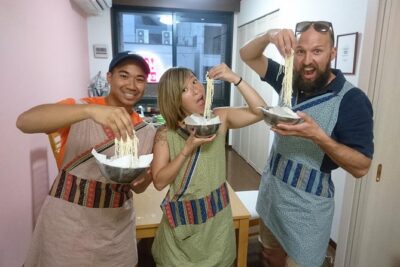
Eat Osaka: Street Food Cooking in an Authentic Kitchen!
Read our review →This tour also fits