Reviewed · WORKSHOPS
Tsumami Zaiku (Kanzashi) making Workshop in Abeno Osaka
Tiny petals, big calm. This tsumami-zaiku (kanzashi) workshop takes place in a 100-year-old traditional Japanese house in Abeno, where you get guided, step-by-step making. I like that the materials are handled for you up front, and I especially like the planned matcha and sweets break while glue dries. The one real catch is the steep staircase, which can be a problem for anyone with mobility issues.
You’ll spend about 1 hour 30 minutes crafting your own design from two difficulty tracks: traditional kanzashi (the easier option) or sakura, the cherry blossom style (a bit more time and care). With a small group size (up to 6 people), the instructors can slow down when you need it, and you’ll leave with your handmade piece packed in a box.
In This Review
- Key things I’d plan around
- Entering Abeno’s 100-Year House Workshop Setting
- Traditional or Sakura Kanzashi: Pick Your Challenge Level
- The Workshop Flow: What Happens From Start to Finish
- Step 1: Choose your design pieces
- Step 2: Start building the kanzashi in stages
- Step 3: Expect guidance, not guesswork
- Step 4: Glue sets, then you continue
- Matcha Break While Glue Dries (Yes, It’s Part of the Plan)
- Your Finished Kanzashi: Packed and Ready to Take Home
- Price and Value: Is $35.83 Worth 90 Minutes of Craft?
- Who This Workshop Fits Best (And Who Should Rethink It)
- Should You Book the Tsumami-Zaiku Workshop in Abeno?
- FAQ
- FAQ
- Where does the workshop meet in Osaka?
- How long is the tsumami-zaiku (kanzashi) workshop?
- What options can I choose during the workshop?
- What’s included besides the craft materials?
- Is pickup offered?
- Are there any age limits or restrictions?
- Is free cancellation available?
Key things I’d plan around
- Two skill options in one workshop: traditional kanzashi for an easier start, sakura kanzashi if you want a bigger challenge
- Instructor-led guidance from Misa-sensei and the team (including Jun and Ami), with lots of chances to ask questions
- Prepped materials save you time: most parts are already cut and made, except for the petals you’ll work on
- Glue-drying timing built into the class: you get a break with matcha and Japanese sweets
- Take-home box included so your finished kanzashi is ready to pack and gift
- Steep stairs in a traditional house means you should think about mobility before you book
Entering Abeno’s 100-Year House Workshop Setting
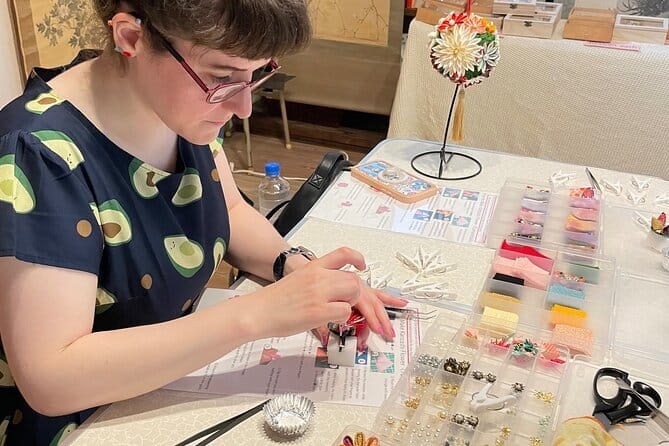
The setting matters here. This workshop happens in a traditional Japanese house that is around 100 years old, with a mix of eastern-style interior touches. It feels less like a factory lesson and more like you’re being invited into someone’s work space, where craft and conversation go together.
Getting there is pretty straightforward because the meeting point is near public transportation: Nishitanabe Station (1-chōme-1-25 Nishitanabechō, Abeno Ward, Osaka, 545-0011, Japan). If you prefer it, pickup is also offered, which can be a relief in Osaka if you’re juggling luggage or short on time.
The class runs for about 1.5 hours. That timing is smart for a craft workshop because it gives you enough time to make real progress, but it doesn’t drag into your evening plans. Also, with a maximum group size of 6 people, the vibe stays calm and personal instead of rushed.
One thing I’d take seriously is the building access. There’s a steep staircase in the house, so if you have mobility difficulties, you’ll want to plan accordingly before committing. If stairs are a no-go for you, this is the kind of detail that can make or break the day.
Other ways to spend a day in Osaka
- Sushi Making Osaka Roll and Authentic Japanese Sushi Class★ 5.0 · 1,220 reviews
- Matcha Making Class in Osaka with Authentic Japanese Sweets Set★ 5.0 · 509 reviews
- Osaka: Ramen and Gyoza Cooking Class in Dotonbori★ 5.0 · 378 reviews
- Osaka Cooking Class: Okonomiyaki &Japanese cuisines experience★ 5.0 · 261 reviews
- Osaka: Roll and Authentic Sushi Making Class in Dotonbori★ 4.9 · 239 reviews
Traditional or Sakura Kanzashi: Pick Your Challenge Level
Right away, you’ll hear about the brief history of tsumami-zaiku, which gives context before your hands start moving. Then you choose between two craft options:
1) Traditional kanzashi
2) Sakura (Cherry blossom) kanzashi
The workshop is set up so you can match the activity to your comfort level. The traditional style is described as easier, while sakura takes more time to make. That doesn’t mean it’s stressful, just that you should expect to spend a bit longer on the sakura details.
Here’s how to think about that choice as a value decision. If you want a smooth experience where you finish without feeling rushed, traditional is the safer bet. If you want something more intricate and you enjoy careful handwork, sakura can feel more rewarding. Either way, the instructor guides you through the steps so you’re not left guessing.
Also, your materials experience is different from a typical DIY kit. You’ll see patterned cloth options and accessories used to design your own kanzashi. The workshop provides what you need, including a pin set and the box for take-home.
If you’re traveling with limited crafting patience, go traditional. If you’re a slow-and-careful maker who likes detail, sakura is a great use of your 90 minutes.
The Workshop Flow: What Happens From Start to Finish

The structure is clear, which is exactly what you want from a craft class. You begin with a short history of tsumami-zaiku, then you move into choosing your craft style and selecting the materials that will shape your final look.
Step 1: Choose your design pieces
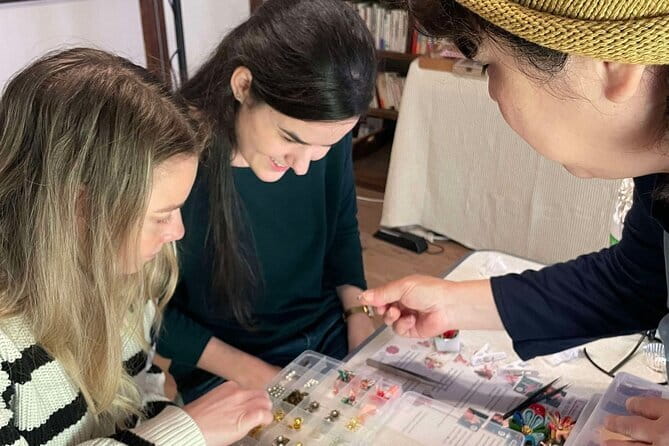
After you pick either traditional or sakura, you’ll be shown different patterned cloths and accessories. This is where the workshop becomes more than technique. You’re not only learning how petals go together, you’re also making a design decision that affects the personality of your kanzashi.
This part is useful even if you’re not a visual artist. You can rely on the instructor’s guidance to pick something that fits what you want to wear or gift.
Step 2: Start building the kanzashi in stages
The big comfort point is how the materials are prepared. The cloths, pin sets, and most accessories are provided and described as precut and premade. That means you’re mostly focused on assembling, not cutting and measuring.
The exception is the petals. Those are the parts you work on, and that’s the core of the tsumami-zaiku technique. You’ll follow instructions step by step, with the teacher showing you how to shape and piece the elements into the kanzashi form.
Not ready to leave Osaka yet? A few more ways to fill the day.
- Osaka Go Karting Tour with Funny Costume
★ 5.0 · 2,658 reviews - Osaka Castle: Museum and Tower Entry Ticket
★ 4.5 · 2,380 reviews - Osaka: Shinsekai Food Tour with 13-15 Dishes at 5 Eateries
★ 4.8 · 2,204 reviews
Step 3: Expect guidance, not guesswork
The instructor guides you throughout, and you’re encouraged to ask questions. You’re also told not to worry about mistakes. That matters more than it sounds, because many craft beginners assume they have to be perfect. Here, the pacing and instruction are built so you can recover if something feels off.
From the overall tone of the instruction, you’ll likely get practical help on the spot, not just a lecture. The workshop team includes Misa-sensei, along with Jun and Ami, and the vibe comes through as friendly and professional, with time for conversation. That makes a difference when you’re learning by doing, because you can ask, check, and move forward without feeling awkward.
Step 4: Glue sets, then you continue
As you assemble, you’ll use glue to put the pieces together. The important timing detail is that the glue takes time to dry.
That leads to the next built-in moment in the schedule, where you pause on purpose, rather than being forced to rush.
Matcha Break While Glue Dries (Yes, It’s Part of the Plan)

This is one of the smartest parts of the workshop design. Rather than making you sit there while something dries, you get a structured break with matcha and Japanese sweets.
It’s not just a snack stop. It’s a pressure-release valve. When you’re making something delicate, your hands and attention can tire out. The break gives you a reset, and it also helps you avoid the classic beginner mistake of touching things before they are ready.
During the glue-drying time, you also get the chance to look around at kanzashi made by the instructor that are available for purchase. That’s a great way to see what the final results can look like when the technique is perfected.
If you’re the type who likes to learn by comparing, this is your moment. You can look at the instructor’s finished pieces and think about what patterns or finishing choices you might want to make next time. Even if you don’t buy anything, seeing the options can help you appreciate your own outcome more when it’s handed to you later.
Your Finished Kanzashi: Packed and Ready to Take Home
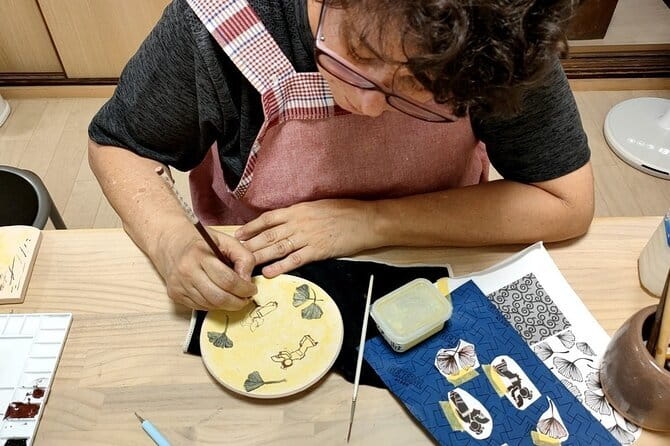
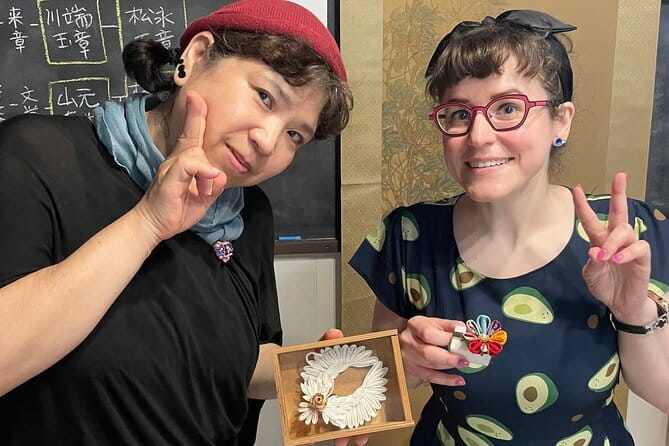
After the break and the final assembly, you’ll receive your finished kanzashi. You’ll get it wrapped and ready to take home, and it’s included in the workshop materials as a box so you can transport it safely.
That take-home piece is the main reason this workshop is worth your time. You’re not leaving with a photo and a vague sense of how craft works. You leave with something tangible, created with your own hands.
Also, because you chose between traditional and sakura and selected patterned cloths and accessories, your final kanzashi won’t feel like a generic souvenir. Even with guided materials, your design choices shape the look.
If you’re bringing it home as a gift, the box makes it easy. If you want to keep it for yourself, the box is also useful for storage so the petals and pin stay neat.
Price and Value: Is $35.83 Worth 90 Minutes of Craft?
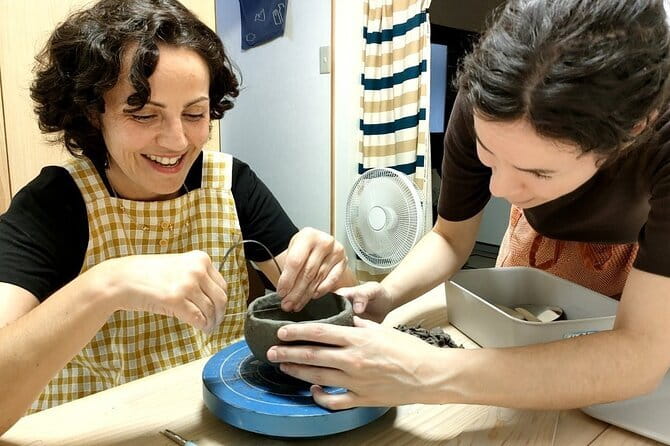
At $35.83 per person for about 1 hour 30 minutes, this workshop is priced in a way that feels reasonable for a guided craft class in Osaka, especially because so much is provided. You get instruction, materials, and snacks, plus you take home a finished item in a box.
The value angle for me is this: you’re not paying for raw materials only. You’re paying for the time someone spends teaching you how to assemble the petals, how to use glue properly, and how to finish with confidence.
Small group size also supports the value. With a maximum of 6 people, you’re less likely to feel ignored. That matters when you’re learning a hands-on craft.
Pickup being offered can add value for some people, especially if you don’t want to manage station navigation or you’re traveling with kids. The class is also near public transportation, so you’re not stuck with only one commuting option.
Booking seems to run in advance, with the average booking time around 50 days. If you’re visiting during a busy period, earlier booking is a good way to protect your schedule.
Who This Workshop Fits Best (And Who Should Rethink It)
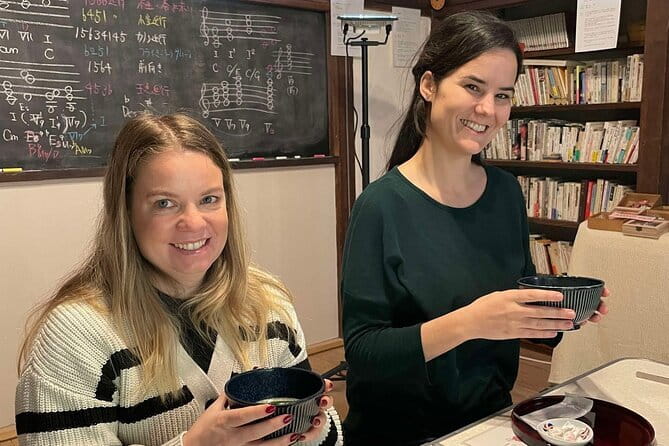
This experience fits you if you want a calm, structured craft session with clear guidance. It’s also a good match if you like the idea of making something small and wearable or giftable that you can complete within a short time window.
It’s especially suitable for:
- People who want guided instruction rather than a do-it-yourself kit
- Anyone who likes design choices, since you’ll pick patterned cloths and accessories
- Travelers who enjoy tea breaks built into the activity flow
It may not be the best fit if:
- You can’t manage the steep staircase in the house
- You need a fully low-key activity with no handwork focus
- You’re traveling with a health concern, since it’s not recommended for people with infectious diseases like flu or COVID
Children are allowed from age 8 and up. If you bring kids, the responsibility is on you to care for them during the workshop. That’s worth planning for if your child needs frequent breaks or redirection.
Should You Book the Tsumami-Zaiku Workshop in Abeno?
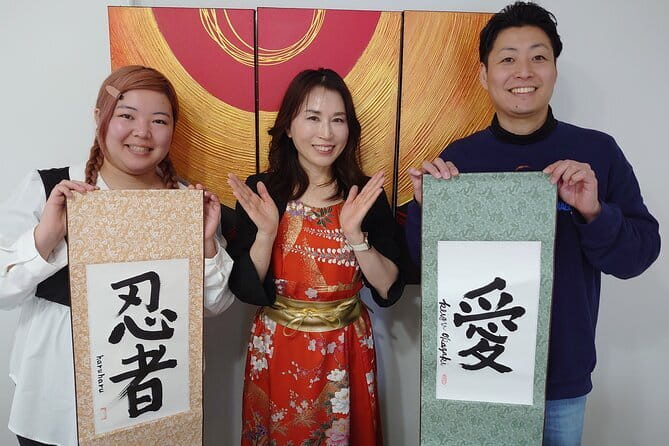
Book it if you want a hands-on craft experience that is guided, not intimidating. You’ll get a real sense of how the technique works because the materials are prepped for you and the instructor stays with you through each step. The matcha and sweets break is a nice bonus, and the take-home box makes the result feel complete.
Think twice before booking if stairs are an issue. This is a traditional house setting, which is part of the charm, but the steep staircase can be a genuine barrier.
If you’re deciding between traditional and sakura, choose based on your tolerance for extra time. Traditional gives you an easier path to a finished piece. Sakura is the better choice if you want something more detailed and you’re happy to spend a bit longer on the craft.
FAQ
FAQ
Where does the workshop meet in Osaka?
You’ll meet at Nishitanabe Station, 1-chōme-1-25 Nishitanabechō, Abeno Ward, Osaka, 545-0011, Japan.
How long is the tsumami-zaiku (kanzashi) workshop?
The workshop runs for about 1 hour 30 minutes.
What options can I choose during the workshop?
You’ll choose between traditional kanzashi (easier) or sakura kanzashi (cherry blossom style, more difficult and may take longer).
What’s included besides the craft materials?
Matcha and Japanese sweets are included during the break, and the workshop provides the cloths, pin sets, accessories, and the box for your finished kanzashi.
Is pickup offered?
Yes, pickup is offered.
Are there any age limits or restrictions?
Children are allowed from age 8 and above. The house has a steep staircase, so people with mobility difficulties should consider that before booking.
Is free cancellation available?
Yes. You can cancel for a full refund up to 24 hours before the experience’s start time. If canceled less than 24 hours before, the amount paid is not refunded.
Just added around Osaka


Workshops, compared.

Sushi Making Osaka Roll and Authentic Japanese Sushi Class
Read our review →
Matcha Making Class in Osaka with Authentic Japanese Sweets Set
Read our review →

Osaka Cooking Class: Okonomiyaki &Japanese cuisines experience
Read our review →
Roll and Authentic Sushi Making Class in Dotonbori
Read our review →