
Reviewed · TEA CEREMONY & MATCHA EXPERIENCES
4hourOsaka Private Kimono, Sushi, Matcha Cultural experience
Your outfit changes before Osaka does. In just 4 hours, you get a kimono or yukata switch, then head to a high-end sushi stop, followed by matcha and shrine time with photo breaks. I really like how the day is paced so you get both classic culture and real local neighborhood atmosphere, without turning it into a scavenger hunt. One thing to plan for: some of the biggest parts cost extra on site, including kimono rental, sushi and the matcha session, plus taxi rides.
I like that this is a small private group (up to 3), so your guide can keep things moving and tailor the explanations. You start at Shinsaibashi Station, right by OPA, and you spend the rest of the tour jumping between key cultural pockets in Osaka, including Nakanoshima and a Dotonbori visit. If you want a full day of deep history only, this might feel a bit focused, but if you want standout experiences packed into half a morning or afternoon, it’s a smart fit.
In This Review
- Key highlights you will actually feel
- Shinsaibashi OPA start: outfit first, then the plan
- Sushi in an actual restaurant: food culture explained while you eat
- Kyoto matcha ceremony: the sweet gift matters more than you think
- Goryo Jinja and omikuji: prayer steps plus a quick photo win
- Nakanoshima food tasting: Osaka growth told through neighborhood stops
- Cafe pause and sending a gift home from Osaka
- Dotonbori visit and the end-of-day change-back
- Price and logistics: what your $185 really covers
- Who this Osaka tour fits best
- Small tips that make the day go smoother
- Should you book this private kimono, sushi and matcha tour?
- FAQ
- Where does the tour meet?
- How long is the experience?
- Is this a private tour?
- What is the group size limit?
- What costs extra on site?
- What is included in the price?
- What languages is the guide available in?
- What is the cancellation policy?
Key highlights you will actually feel
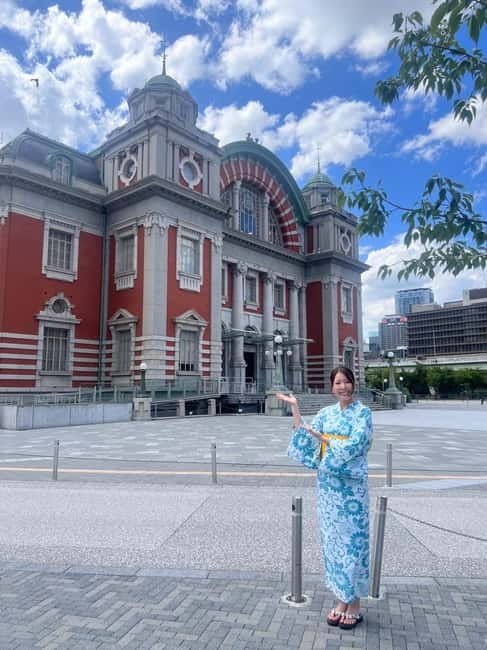
- Shinsaibashi OPA meet-up that is easy to find, outside Exit 7, with your guide holding a BITEMEOSAKA sign
- Pick your own kimono or yukata pattern, and for women enjoy a simple traditional hairstyle with a hairpin
- Sushi course at a local high-end restaurant, paired with a drink and explained through Japanese food culture
- Premium Kyoto matcha and a sweet treat gift, served with a real cultural format
- Shrine praying with an omikuji fortune slip, plus guided photo opportunities at Goryo Jinja
- Nakanoshima area food tasting and cafe time, including Japanese traditional items and a chance to send a gift home
Shinsaibashi OPA start: outfit first, then the plan
The tour begins in Nishishinsaibashi at Shinsaibashi Station, Exit 7, in front of the OPA shopping mall. Your guide waits for you holding a BITEMEOSAKA sign, which matters in Osaka, where entrances can multiply fast when you are tired.
The first big moment is the clothing change. You choose a kimono or yukata, and in summer the tour uses yukata. If you are a woman, you also get help with a simple hairstyle and a traditional hairpin. This is not just for photos, it helps you slow down and act like you are part of the culture for the rest of the day.
Practical note: the booking handles the kimono rental, but the rental itself is paid on site (JPY3500 per person). When you arrive, wear something easy to remove and ready to change out of. Keep your bag light, because you will be using taxis later and doing short walks.
Still haven't worn a kimono through Osaka?
- Osaka: Sumo Show & Experience w/ Optional Kimono & Hot Pot★ 4.5 · 609 reviews
- Learning Zen of Japanese Calligraphy in kimono near Osaka Castle★ 4.5 · 53 reviews
- Osaka: Kimono or Yukata Rental &Photos Service Options★ 4.9 · 25 reviews
- Kimono photoshoot-Includes 100 photo data★ 5.0 · 21 reviews
- Premium Kimono Dressing, Tea Ceremony, Calligraphy, Samurai show★ 5.0 · 18 reviews
Sushi in an actual restaurant: food culture explained while you eat
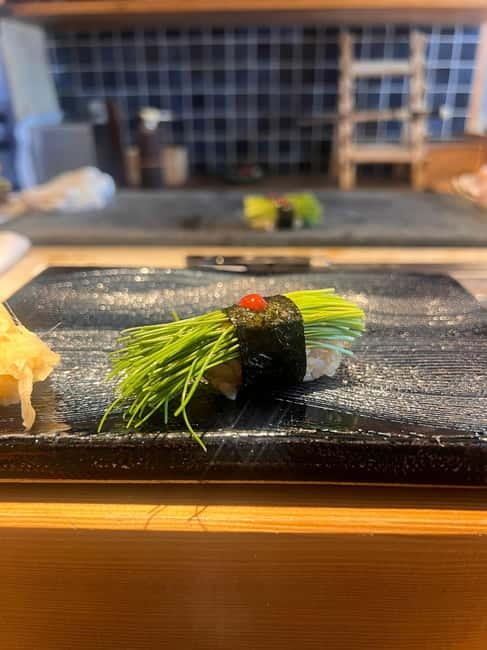
After the kimono portion, you hop by taxi to a local sushi restaurant. The plan calls for a sushi course, and your guide explains Japanese food culture while you eat, so it does not feel like a generic meal stop.
A drink is listed as included as part of the sushi experience in the day plan. Just be aware that the tour also notes that drinks during the tour are not covered in the same way as the sushi meal, so if you want extras, you may be paying more.
Budget reality check: the sushi course meal is an extra cost paid on site (JPY5000 per person, stated for you and the guide). What I like about this structure is that you can treat the base tour price as the guide and planning, while choosing the exact meal experience at the restaurant.
Kyoto matcha ceremony: the sweet gift matters more than you think
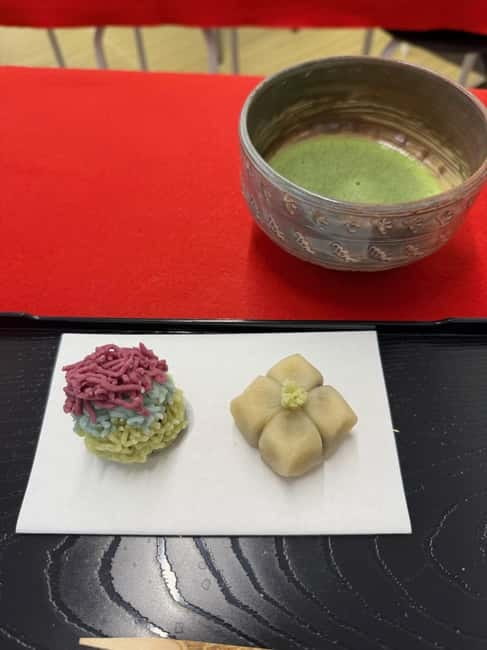
Next comes the matcha experience, with premium Kyoto matcha in the program. You also receive a Japanese sweet treat as a gift during this part, which is a nice touch because it gives you a memory you can taste and photograph at the same time.
Like the sushi stop, matcha is an add-on. The matcha experience costs JPY3900 per person and is paid on site. That additional cost is part of why this tour stays compact. You are paying to get a real, structured matcha format rather than a quick cup from a vending machine and a photo.
If you are new to matcha, I think this is where the guide’s explanations help most. You learn what you are looking for in the ritual, not just how to drink it.
Goryo Jinja and omikuji: prayer steps plus a quick photo win
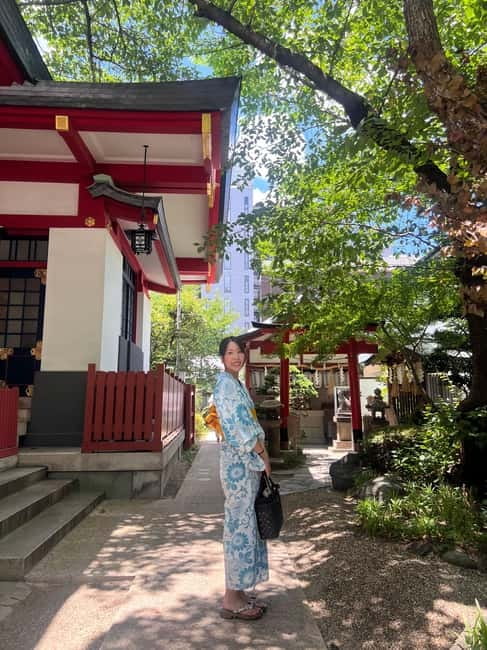
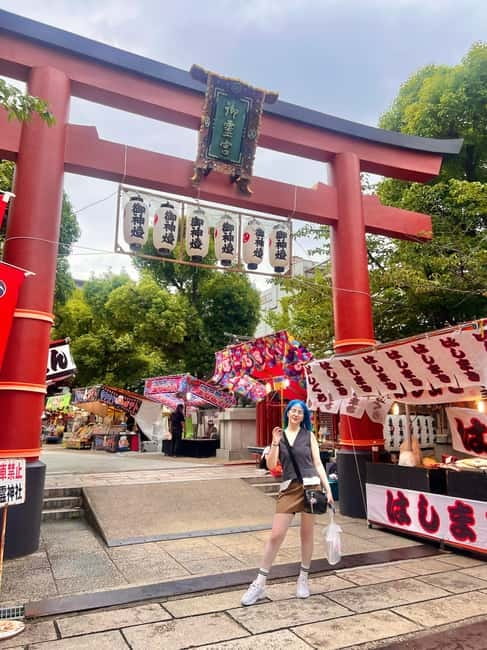
After the matcha session, you head on foot toward a shrine. The tour includes a traditional shrine experience: you learn about the shrine’s history and the way people pray there. You also try an omikuji fortune slip, which is one of those small activities that feels personal without taking over the schedule.
At Goryo Jinja, the time window is short (about 15 minutes), so it is not a long, formal temple tour. But it is enough for what matters: understanding the basic prayer flow, getting your fortune, and taking photos with guidance.
One consideration: shrines are quiet places. You will have photo opportunities, but keep your phone handling respectful and follow your guide’s cues, especially if others are praying nearby.
Nakanoshima food tasting: Osaka growth told through neighborhood stops
Then you move into the Nakanoshima area by taxi. This is a good shift from the shrine and ceremony mood, because Nakanoshima is where Osaka’s city character shows up in the smaller details. The program includes a guided tour plus food tasting for about an hour.
The guide shares how Osaka developed and you get photo time for retro buildings. That combination is why this stop works. Food tasting is active and sensory, while the street-level context helps you connect the snacks to the city around you.
Here is the drawback to keep in mind: if you are the kind of traveler who hates tasting menus or small bites, this portion might not be your favorite. But the tour does not position it as a huge meal, it is more like a guided sampling and story break.
Slow down for a bowl of matcha
- Osaka: Tea Ceremony Experience
★ 4.9 · 1,426 reviews - Tea Ceremony Experience in Osaka Doutonbori
★ 5.0 · 754 reviews - Matcha Making Class in Osaka with Authentic Japanese Sweets Set
★ 5.0 · 509 reviews
Cafe pause and sending a gift home from Osaka
After the guided food time, you get a cafe break (about 15 minutes). This is not meant to be a long sit-down restaurant hour. Instead, it’s a reset so you can keep your energy for the last stretch.
You receive Japanese traditional items and sweets as a gift at the cafe. The program also includes an experience related to sending a special gift from Japan to your country. That part is especially practical if you want a souvenir that feels closer to a cultural experience than a mass-market shop bag.
Because the day includes multiple payments on site, this cafe moment is also a nice “everything is handled for you” feeling. You are not scrambling for the right place to buy, wrap, and ship something.
Dotonbori visit and the end-of-day change-back
The tour includes a Dotonbori visit that runs about 45 minutes. Even if you have seen Dotonbori before, going while wearing a kimono or yukata changes the way the area feels. It shifts you from just passing by to noticing the details around you.
After Dotonbori, you return by taxi to the kimono shop to change back into your regular clothes, and the tour ends there. This closing step matters because it avoids that awkward moment of trying to find a place to change back while keeping your day moving.
Price and logistics: what your $185 really covers
The listed price is $185 per group, up to 3 people, for a 4-hour private experience. At full capacity, that can work out well per person, because you are paying for guide time, reservations, and the guided activities that do not require extra on-site costs.
However, you should budget for the main add-ons that are not included:
- Kimono or yukata rental: JPY3500 per person, paid on site
- Sushi course meal: JPY5000 per person (noted for you and the guide), paid on site
- Matcha experience: JPY3900 per person, paid on site
- Taxi transportation: approximately JPY5000 per vehicle, paid on site
Why this structure can still be good value: you get multiple “pay once, enjoy many” experiences in a short window, plus reservations that save time. Also, the included items are not tiny extras. The tour includes a hidden shrine visit, omikuji, photo opportunities, a cafe break, traditional Japanese gifts, kimono shop booking, and restaurant reservation.
From a decision-making standpoint, I think this tour is most cost-effective when:
- You have 2 or 3 people splitting the base price
- You are okay paying the on-site experience fees because you want the real sushi and matcha formats
- You want a guide to handle the transitions and keep the day smooth
Who this Osaka tour fits best
This is a strong choice if you want:
- A kimono or yukata experience without planning everything yourself
- Food-focused culture, meaning sushi and matcha are part of the main story, not a side stop
- A guided shrine moment where you actually learn how praying and omikuji work
- Great photo opportunities, especially at Shinsaibashi and the shrine segment
It is less ideal if you:
- Hate paying multiple extras once you arrive
- Want a long, slow-paced history deep dive that takes more than 4 hours
- Plan to do your own route across Osaka and feel irritated by taxi hops and set timing
Small tips that make the day go smoother
I would treat this tour like an experience day, not a sightseeing marathon.
- Arrive at Shinsaibashi Station, Exit 7, by OPA a few minutes early so you are not rushing into the change-out.
- Wear comfortable layers under your outfit when you can, because you will be changing back at the end.
- If you are a photo person, ask your guide where the best angles are during each stop, since the tour includes photo opportunities and short walking moments.
- Keep a little cash buffer or confirm how to pay on site for the kimono, sushi, matcha, and taxi portion, since those are not included in the base price.
- If you have an extra shop you care about, the guide may help with timing after the tour, based on a past guest experience.
Should you book this private kimono, sushi and matcha tour?
Book it if you want a tight, well-guided Osaka day where clothing, food, and cultural moments work together instead of feeling like random stops. The private format for up to 3 people is a big plus if you value smoother logistics, more direct explanations, and a more personal pace at shrines and photo moments.
Skip or reconsider if your budget is very strict, because you will likely pay on site for kimono rental, sushi, matcha, and taxis. If you are planning a trip where you only want one paid cultural activity, this may be too many “paid-on-site” components stacked together.
FAQ
Where does the tour meet?
You meet your guide in front of the OPA shopping mall, just outside Exit 7 of Shinsaibashi Station. Your guide will be holding a BITEMEOSAKA sign.
How long is the experience?
The tour lasts 4 hours.
Is this a private tour?
Yes. It is a private group experience.
What is the group size limit?
The price is per group up to 3 people.
What costs extra on site?
Kimono or yukata rental is JPY3500 per person. The sushi course is JPY5000 per person (you and the guide). The matcha experience is JPY3900 per person. Taxi transportation is approximately JPY5000 per vehicle, paid on site.
What is included in the price?
Included elements are the hidden shrine visit, omikuji fortune, photo opportunities, local knowledge sharing, a cafe break, traditional Japanese gifts, booking for kimono rental, and restaurant reservation for lunch.
What languages is the guide available in?
The tour guide is available in English and Japanese.
What is the cancellation policy?
Free cancellation is available up to 24 hours in advance for a full refund.
Just added around Osaka
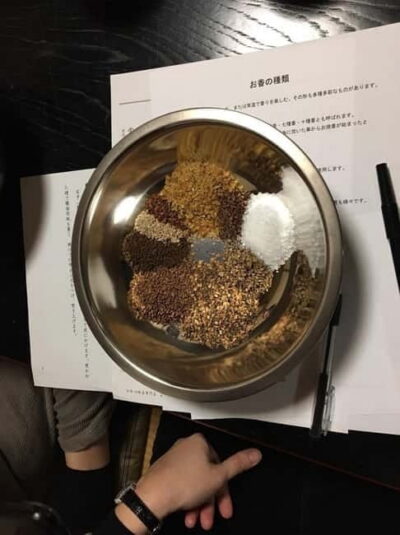
Tea Ceremony & Matcha Experiences, compared.
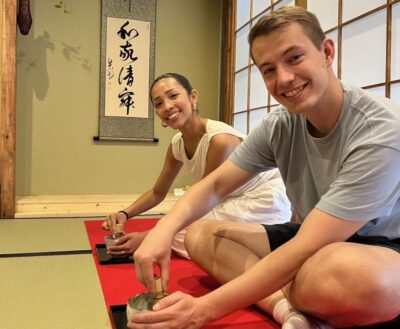
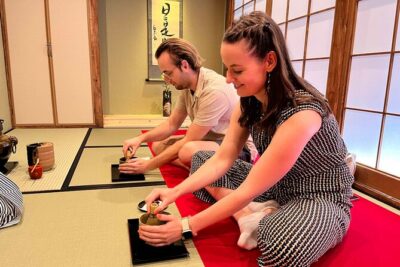
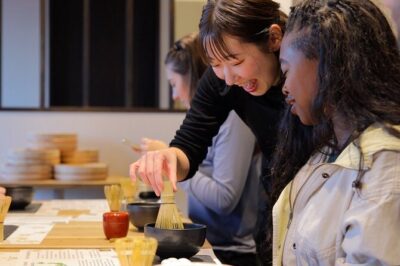
Matcha Making Class in Osaka with Authentic Japanese Sweets Set
Read our review →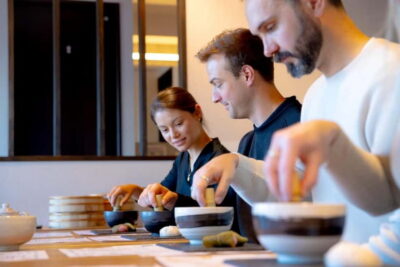
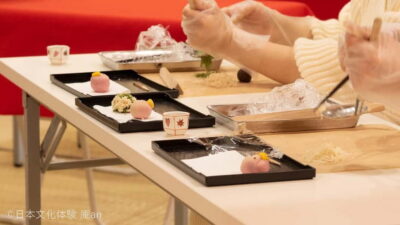
Japanese Traditional Sweets Making and Tea Ceremony
Read our review →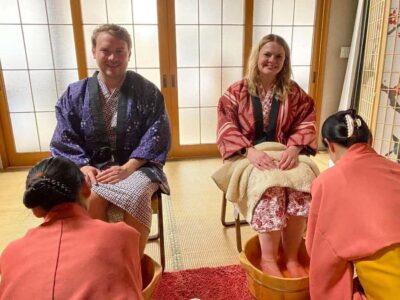
Osaka Temple Cool Foot Bath & Matcha Experience〈45min〉
Read our review →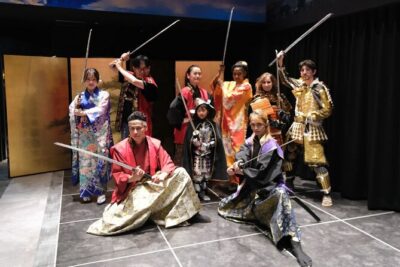
Samurai Show, Tea Ceremony, Japanese Traditional Activities
Read our review →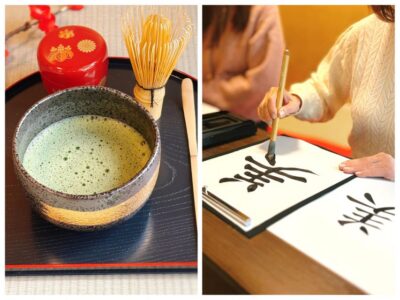
This tour also fits