
Reviewed · RAMEN MAKING CLASSES
Cook Homestyle Ramen and Gyoza from scratch
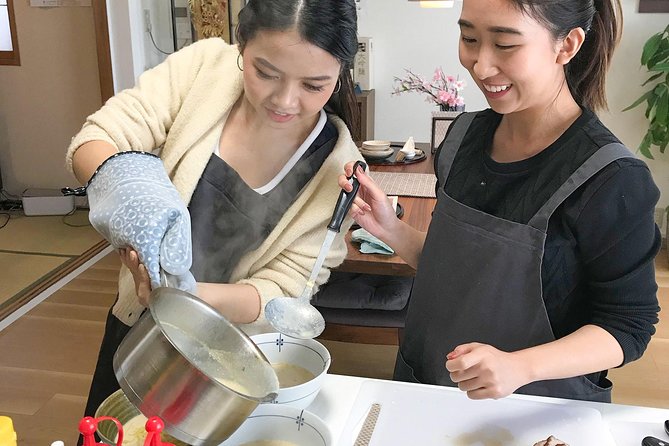
Ramen feels hard until you cook it. This small Osaka cooking class has you making ramen broth and gyoza for real, not just watching. You walk to a home kitchen, get a warm welcome, then work side-by-side on every key step.
Two things I particularly like are the focus on hands-on practice and the fact that the ramen broth is taught as a fast, home-style recipe using chicken. Another big plus is that you also make gyoza from scratch, including skin, filling, and grilling.
One consideration: this experience is non-refundable and can’t be changed, so make sure your schedule is locked before you book.
In This Review
- Key Highlights You’ll Actually Notice
- Senri-Chuo, Home Kitchens, and Why This Class Feels Local
- From Senri-Chuo to the Kitchen: What the Start Feels Like
- Welcome Tea, Ingredient Breakdown, and the Real Value of Learning the Basics
- Cooking Creamy Chicken Ramen Broth Without Instant Stock
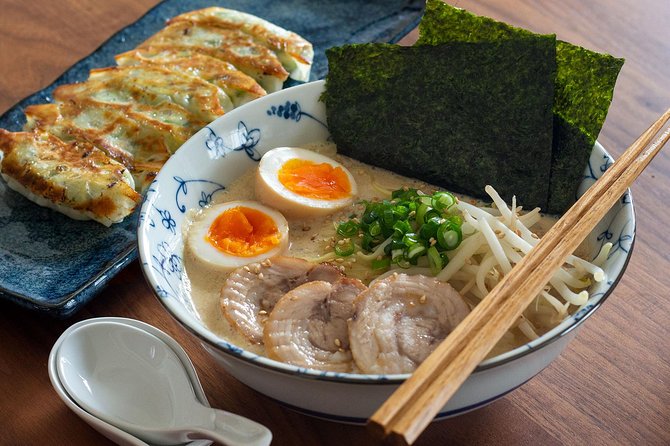
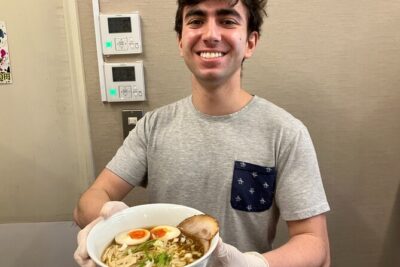
- Ramen Toppings and Garnishes: Pork, Seasoned Egg, and More
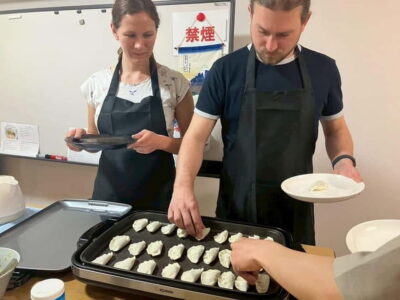
- Gyoza From Scratch: Making the Skin and Filling
- Wrapping and Grilling Gyoza: Turning Dough into Results
- Timing That Makes Sense: A 3-Hour Lesson With an Actual Meal
- Price and Value: Is $78 Worth It?
- Who Should Book This Osaka Ramen and Gyoza Class
- Should You Book This Ramen And Gyoza Class in Osaka?
- FAQ
- How long is the cooking class?
- Where do I meet for the experience?
- What time does the class start?
- What dishes will I learn to cook?
- Is the ramen broth made with instant stock?
- How many people are in the group?
- What is the price and ticket type?
- What is the cancellation policy?
- When will I receive confirmation?
Key Highlights You’ll Actually Notice
- Chicken ramen broth in about 30 minutes, taught without relying on instant soup stock
- Gyoza skin and filling from scratch, plus wrapping and grilling so you leave with the full workflow
- Recipes built for home cooking, with ingredient swap suggestions if you shop outside Japan
- Small group size (max 5), which makes it easier to ask questions and get corrected as you cook
- A shared meal in the end, with time to chat after everything is done
Senri-Chuo, Home Kitchens, and Why This Class Feels Local
Osaka is great for street food, but it gets even better when you learn the basics behind it. This experience centers on home-style ramen and gyoza, in a real residential kitchen in Toyonaka area near Senri-Chuo. That setting matters. You’re not dealing with a show kitchen or a lecture hall setup. The whole vibe is practical, kitchen-level learning.
You also start in a very usable spot. The meeting point is Senri-Chuo Station, and you walk just a few minutes to reach the cooking space. That’s a nice rhythm for travel days because you don’t have to figure out a complicated maze. It’s also a clue about what you’re signing up for: a class designed to be approachable, not intimidating.
Two other details that help the experience feel authentic are the welcome tea and the “ingredients first” approach. You’re told what you’ll use before you start cooking, so you understand the why, not just the what. And the group stays small, max 5, so it doesn’t turn into a conveyor belt.
The one drawback to keep in mind is risk management. Since it’s non-refundable and cannot be changed, you’ll want to book only if your timing is realistic. Cooking classes are fun, but they’re also schedule-dependent.
Build a bowl from the broth up
- Cultural Cooking Class Featuring Ramen Sushi and Tea Ceremony★ 5.0 · 2 reviews
- Enjoy Your Own Ramen, Sushi, Gyoza, Tempura – Also Veg-friendly!★ 1.0 · 1 review
- Osaka: Five Must-See Highlights Walking Tour & Ramen Lunch★ 4.7 · 411 reviews
- Osaka: Ramen and Gyoza Cooking Class in Dotonbori★ 5.0 · 378 reviews
- Ramen and Gyoza Cooking Class in Osaka★ 5.0 · 202 reviews
From Senri-Chuo to the Kitchen: What the Start Feels Like
Plan on a straightforward morning. The class starts at 10:00 am and runs about 3 hours. Meeting is at Senri-Chuo, then you walk a few minutes to the home kitchen. That short walk is usually your first “settling in” moment. It signals the shift from public transit mode to cooking mode.
Once you arrive, you get welcome tea. It’s a small touch, but it sets the tone. You’re treated as someone who’s joining the kitchen process, not someone being managed through a ticketed activity. After that, the host explains all ingredients needed to make the dishes.
That ingredient explanation is more important than it sounds. For ramen and gyoza, small differences can change the outcome. If you understand what goes in and what it does, you’ll be more confident when you try again later at home.
The class also has a built-in structure: demonstration first, then you cook together. That’s the sweet spot for most people. Watch the flow, learn the texture cues, then repeat with your hands.
Welcome Tea, Ingredient Breakdown, and the Real Value of Learning the Basics
If you’ve ever tried to cook Japanese food at home, you know the hardest part is usually the ingredients. Not the technique. Here, the focus includes basic Japanese ingredients and what they’re for. You’ll learn how to prepare ingredients used for the creamy ramen broth and toppings, then how to tackle gyoza step-by-step.
What I find especially helpful is the promise of “enough information” to cook again when you return home. That means you’re not only copying a single evening’s recipe. You’re being taught in a way that gives you a repeatable framework.
The class also acknowledges a real travel issue. Many ingredients are easy to find in Japan, but a lot of people live abroad where that’s not the case. The host can suggest which ingredients work better as substitutions when Japanese versions are hard to track down. That matters because it turns your learning from a fun memory into something you can actually use.
One more thing that keeps the class from feeling like a strict workshop is the time to chat after you eat. Cooking with someone who’s genuinely enthusiastic makes the room feel lighter. In particular, the teaching style is described as enthusiastic and patient, which is a big deal if you’re learning with kids or you just need extra time to get the steps right.
Cooking Creamy Chicken Ramen Broth Without Instant Stock
The ramen broth is the backbone here, and the class treats it like something you can master. You learn how to cook a chicken-based ramen broth in about 30 minutes, without instant soup stock. That’s a meaningful detail for value because instant products are often what people rely on when they want to make ramen at home fast. Here, you’re shown a method that uses chicken and basic cooking logic instead.
You’ll also learn how to get the broth and toppings into a coordinated system. Ramen is not just soup. It’s timing, seasoning, and finishing choices. Even if you don’t memorize every minute, learning the process helps you understand when flavors should develop.
This is also where hands-on practice shines. Instead of just being told what to do, you prepare and cook with the group. When you’re actively working, you start noticing small cues like aroma changes and how ingredients behave in heat. That kind of understanding is what makes the lesson stick.
If you’re worried about complexity, don’t. The class is built to be recreated at home. The recipes were created by the host to make them easier to reproduce later. That does two things: it reduces frustration on your first attempt after returning home, and it makes the time you spend in the kitchen feel like it’s going somewhere.
Ramen Toppings and Garnishes: Pork, Seasoned Egg, and More
A good bowl needs more than broth. This class includes ramen garnishes made from scratch, like grilled pork and a seasoned egg, plus other toppings. You’re taught how to prepare all the ingredients that go into your bowl, then how to put it together.
Why this is worth your money: toppings are where ramen becomes personal. Some people want richness from grilled pork. Others love the contrast of egg. Learning these pieces separately makes it easier to adjust later based on what you can find at home.
You also get a sense of balance. Creamy ramen broth can feel heavy if the toppings are one-note. But the class covers a mix of items, so you get practice building a bowl that has different textures and flavors in the same serving.
A practical point for you: if you’re already comfortable cooking, you’ll move quickly through some steps. If you’re a beginner, the ingredient-first approach and guided demonstration help you avoid the usual beginner problems like overcooking, under-seasoning, or not understanding what each garnish is supposed to add.
If you’re cooking with kids, this part tends to help a lot. The class structure and the tangible food results keep attention where it should be, and the teaching style is described as patient even for younger learners.
Not ready to leave Osaka yet? A few more ways to fill the day.
- Full Day Tour of Kyoto with Private Transportation
★ 5.0 · 130 reviews - Sakai – Knife Factory and Craft Walking Tour
★ 5.0 · 44 reviews - Kyoto private tour (Shore excursion available from Osaka or Kobe port)
★ 5.0 · 39 reviews
Gyoza From Scratch: Making the Skin and Filling
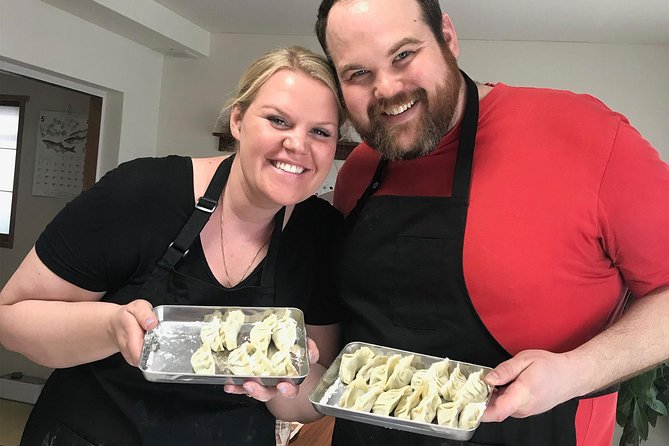
Then the focus shifts to gyoza, and it’s not a half-baked version of the experience. You learn how to make gyoza skin and gyoza filling. That’s a big commitment for a 3-hour class, which is why it’s such a strong learning experience.
Making gyoza skin gives you a foundation you won’t get from store-bought wrappers. Even if you later buy wrappers at home, understanding how the dough behaves helps you adjust thickness and handling. The host also shows how to prepare the filling, so you learn what the filling’s texture should feel like and how to build flavor using accessible ingredients.
This is one of the most praised parts of the class for a reason. Gyoza is both simple and tricky. The wrapping step is where most people feel uncertainty. But by teaching skin and filling, the class gives you the right context for what comes next.
Wrapping and Grilling Gyoza: Turning Dough into Results
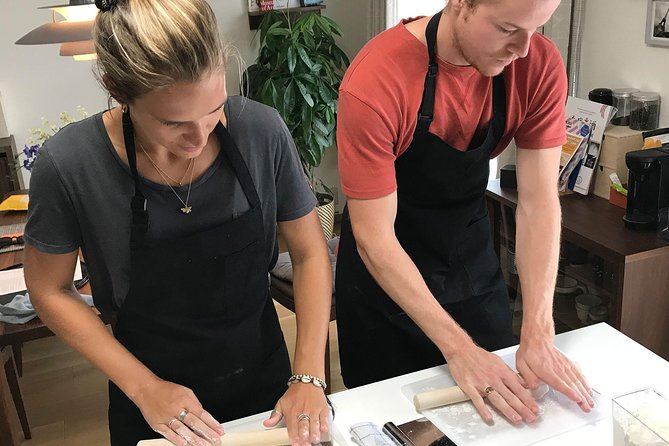
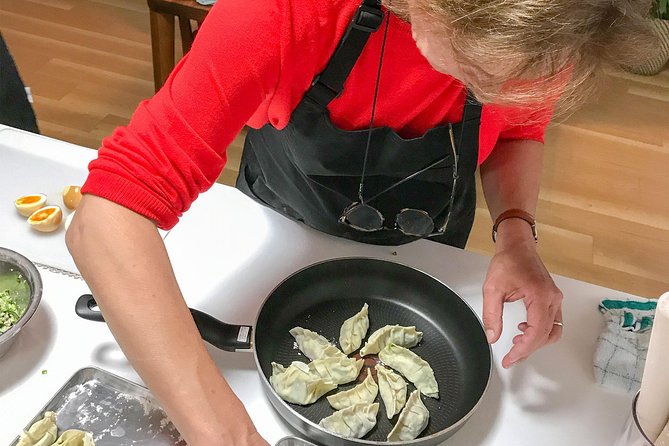
Wrapping gyoza is where your hands take over. You learn how to wrap the gyoza properly, then grill them. That cooking finish is key because it adds the final sensory cue you can’t get from raw demos. You’ll see browning, hear the subtle sizzle, and notice how the texture changes as it cooks.
This matters for your future cooking. When you only watch someone else do the technique, you might understand it in theory. When you grill your own gyoza, you get real feedback from the pan. That feedback tells you what adjustments to make next time.
And yes, the class is designed so you can repeat it. The recipes are created to be recreated easily at home. So the wrapping and grilling aren’t just for the meal. They’re training for your next dinner plan, even if you’re not planning to make gyoza every week.
If you’re bringing kids or cooking with a mixed-experience group, small-group teaching helps. With max 5 travelers, you’re less likely to feel ignored when you need help. You also get a clearer view of what the host is correcting, which speeds up learning.
Timing That Makes Sense: A 3-Hour Lesson With an Actual Meal
The total duration is about 3 hours. That’s long enough to do real work and end with food, but not so long that you lose the thread. The pacing is built around a cycle: ingredient prep, demonstration, hands-on cooking, then eating.
A class like this can go one of two ways. Either you end up standing around and leaving hungry, or you actually cook and learn. Here, the focus is hands-on practice. You’re not just learning to describe ramen. You’re making it.
The final meal and the chatting time after finishing cooking is also more than a feel-good detail. It gives your brain a chance to connect steps you just performed with the final results. If you tasted something great, you can trace it back to what you did. That kind of reflection is what makes a cooking lesson stick.
One practical consideration: since it ends back at the meeting point, you should plan your onward transport accordingly. You’ll want a smooth exit so the last part of the experience stays enjoyable instead of rushed.
Price and Value: Is $78 Worth It?
The price is $78 for about 3 hours, with a mobile ticket. On paper, it’s not the cheapest way to eat in Osaka. But cooking classes aren’t just meals. You’re paying for instruction time, guided practice, and the chance to take home a repeatable skill.
Here’s what you get for your money based on what’s taught:
- Ramen broth made from chicken, in about 30 minutes, without instant soup stock
- Ramen garnishes including grilled pork and a seasoned egg, plus other toppings
- Gyoza from scratch, including skin and filling
- Wrapping and grilling your own gyoza
- A shared meal, plus time to chat afterward
That’s a lot of real cooking output for one sitting. In a typical restaurant, you’d pay for a bowl, maybe a side, and be done. In this format, you build multiple components and learn the process behind them. If you like cooking, that shifts the value equation fast.
The only “cost” you should factor is your commitment. You’re signing up for active cooking time. If you want a passive food tour where you just eat and walk, this may feel like work. If you want to cook, $78 can feel like a fair deal.
Who Should Book This Osaka Ramen and Gyoza Class
This is a good fit if you want kitchen skills, not just photos. It works especially well for:
- Food lovers who want ramen broth knowledge they can use at home
- People excited about Japanese ingredients but who also need substitution ideas
- Families where kids can handle hands-on tasks, since the teaching style is described as patient and engaging
- Small groups who prefer intimate instruction (max 5)
It’s less ideal if you’re short on time and want a quick meal, or if you dislike hands-on cooking. Also think carefully before booking because the experience is non-refundable and cannot be changed.
If you’re planning your Osaka trip and thinking about what to do beyond sightseeing, this kind of class is a solid choice. It gives you something you can repeat, not just something you can remember.
Should You Book This Ramen And Gyoza Class in Osaka?
Book it if you want a practical skill you can bring home. The biggest reasons are the from-scratch focus and the fact that the ramen broth method avoids instant soup stock. You’ll learn the workflow for broth, toppings, gyoza skin, filling, wrapping, and grilling, then you’ll eat what you made.
Don’t book it if you need a flexible schedule or you’re unsure you’ll be able to commit. The non-refundable policy means you should plan carefully.
If you’re the kind of traveler who likes to leave a place with a new capability, this home-kitchen class checks the boxes. You get a small group experience, a structured lesson, welcome tea, and a meal that feels earned.
FAQ
How long is the cooking class?
The class lasts about 3 hours.
Where do I meet for the experience?
You meet at Senri-Chuo Station (Senri-Chuo1 Chome-3 Shinsenri Higashimachi, Toyonaka, Osaka 560-0082, Japan). It ends back at the meeting point.
What time does the class start?
The start time is 10:00 am.
What dishes will I learn to cook?
You’ll learn to make ramen broth and ramen toppings from scratch, and you’ll also learn to make gyoza skin and gyoza filling, then wrap and grill the gyoza.
Is the ramen broth made with instant stock?
No. You learn how to cook chicken ramen broth in about 30 minutes without instant soup stock.
How many people are in the group?
The experience has a maximum of 5 travelers.
What is the price and ticket type?
The price is $78, and the tour uses a mobile ticket.
What is the cancellation policy?
The experience is non-refundable and cannot be changed for any reason.
When will I receive confirmation?
Confirmation is received within 48 hours of booking, subject to availability.
Just added around Osaka




Ramen Making Classes, compared.

Five Must-See Highlights Walking Tour & Ramen Lunch
Read our review →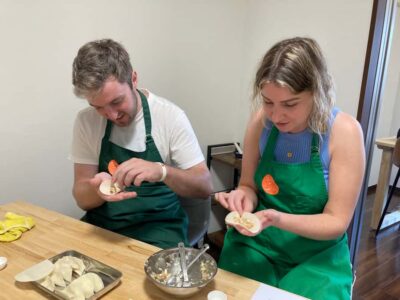

Walking Tour of Osaka’s 5 Must-See Sights, with Ramen for Lunch
Read our review →
Cooking Ramen&Gyoza/KatsuCurry/Bento/Okonomiyaki+Store Tour@Osaka
Read our review →
This tour also fits