
Reviewed · RAMEN MAKING CLASSES
Cultural Cooking Class Featuring Ramen Sushi and Tea Ceremony
Matcha, sushi, ramen, all in one sitting. This Osaka workshop pairs a real tea ceremony at Katsuji’s home with hands-on cooking of two Japanese favorites.
I like that the experience starts with a proper tea ceremony you can actually take part in, then shifts into the kitchen so you learn by doing. I also love the souvenir angle, because you bring home custom calligraphy made by Katsuji himself.
One thing to consider: the ramen is made with ready-made noodles, so you cook the dish, but you are not making noodles from scratch. Also, transportation to and from the home is not included.
In This Review
- Key Highlights You’ll Care About
- Where You Meet in Osaka and How the Class Runs
- A Tea Ceremony in Katsuji’s Home, Not Just a Tastings Session
- Sushi Making in Osaka: Learning the Classics Step by Step
- Ramen Cooking: You Make the Dish, While Noodles Stay Ready-Made
- The Calligraphy Souvenir: A Memory You Can Actually Display
- Small Group Size (Max 10) and Why It Changes Everything
- Food, Etiquette, and What You Really Learn
- Price and Value: Is $73.98 Worth 3 Hours?
- Who Should Book This Class in Osaka
- Tips Before You Go (So You Don’t Feel Rushed)
- Should You Book This Osaka Ramen Sushi and Tea Class?
- FAQ
- How long is the cooking class?
- Where does the experience start and end?
- What is included in the price?
- Are the ramen noodles made from scratch?
- Can the class handle dietary restrictions?
- Do I need to book as a single traveler?
- Is transportation provided?
Key Highlights You’ll Care About
- Tea first, then cooking, so the food feels grounded in Japanese etiquette, not rushed
- Katsuji’s home setup and easygoing approach make it feel welcoming, not staged
- Sushi and ramen from scratch, with ingredients and an apron handled for you
- Ramen noodles are ready-made, which keeps the class on schedule
- Dietary needs are supported (halal, vegetarian, pescetarian) if you tell them ahead of time
- Custom calligraphy souvenir so the class sticks with you beyond the meal
Where You Meet in Osaka and How the Class Runs
You start in Inazucho, Toyonaka, Osaka, and the activity finishes back near the meeting point. The location is described as close to public transportation, so you can show up without building an entire day around a taxi.
The class runs about 3 hours, and there is a small group size, capped at 10 people. That matters because you get actual attention while you cook, not just a quick demo and a line to follow. You also want to arrive on time, because the ceremony and cooking flow as one connected block.
If you are a solo traveler, note the minimum booking rule: you will need to purchase 2 slots. That is not a problem for someone who wants the experience badly enough, but it is a real price and planning consideration.
Build a bowl from the broth up
- Cook Homestyle Ramen and Gyoza from scratch★ 5.0 · 4 reviews
- Enjoy Your Own Ramen, Sushi, Gyoza, Tempura – Also Veg-friendly!★ 1.0 · 1 review
- Osaka: Five Must-See Highlights Walking Tour & Ramen Lunch★ 4.7 · 411 reviews
- Osaka: Ramen and Gyoza Cooking Class in Dotonbori★ 5.0 · 378 reviews
- Ramen and Gyoza Cooking Class in Osaka★ 5.0 · 202 reviews
A Tea Ceremony in Katsuji’s Home, Not Just a Tastings Session
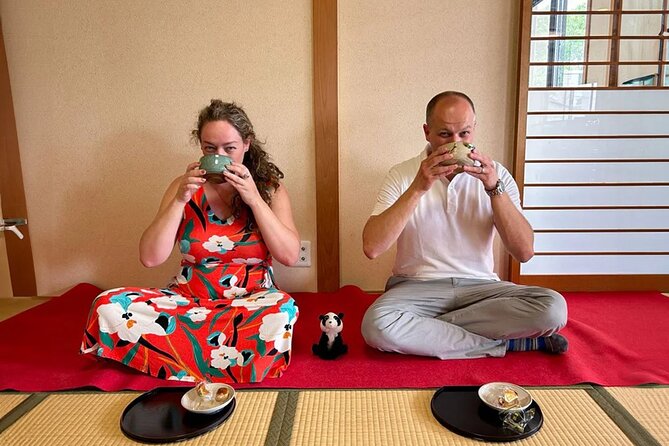
This class begins with a Japanese tea ceremony hosted by Katsuji, a local with over 30 years in the food world. You step into an authentic tearoom setting and slow down into the rhythm of the ceremony, with hand-whisked matcha.
What I like about starting here is that it sets the tone for the rest of the class. You learn that Japanese food culture is not only about flavor, it is also about pace, attention, and small movements done correctly. You are not just watching someone pour tea. You are there to experience it.
You also get a drink included with the tour, and matcha is a big part of what you’re doing during the ceremony. If you have only seen tea ceremonies as photos or videos, you will likely appreciate how physical and deliberate it feels up close.
Sushi Making in Osaka: Learning the Classics Step by Step
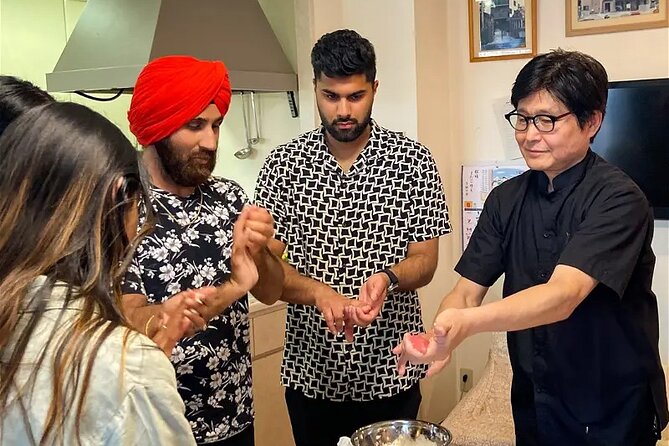
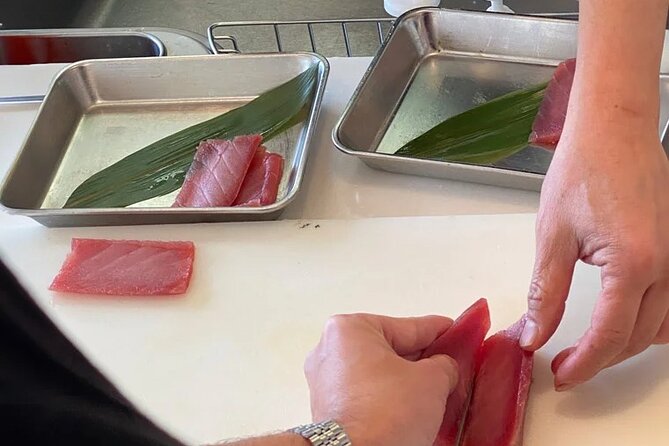
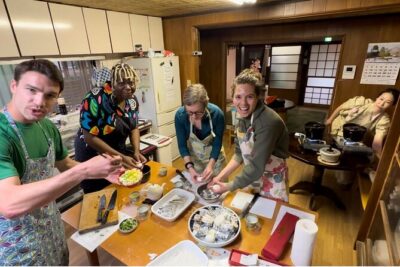
After the tea part, you head into the kitchen and make sushi and ramen from scratch using quality ingredients. A professional cooking instructor is there to guide you, and the class includes ingredients plus apron rental.
Sushi can look intimidating, especially if you have never rolled or assembled before. What I think makes this class a good first-timer choice is that you are in a small-group setting with a real instructor, not trying to teach yourself from a recipe on your phone.
Also, this is one of those experiences where the atmosphere helps. A past participant shared that Katsuji is very sweet and that he kept things light with jokes throughout. That kind of energy goes a long way when you are learning something hands-on for the first time, because you feel comfortable asking questions.
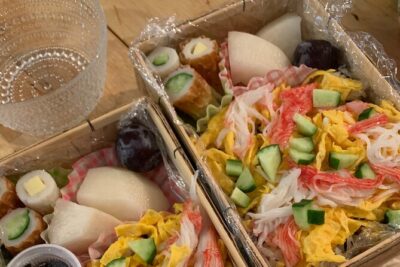
At the end, you eat what you make. That sounds simple, but it is a huge value point. You are paying for learning and then getting the payoff in your own bowl and on your own plate.
Ramen Cooking: You Make the Dish, While Noodles Stay Ready-Made
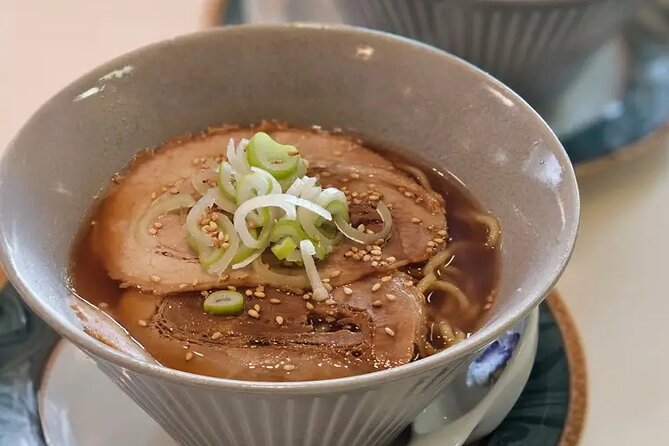
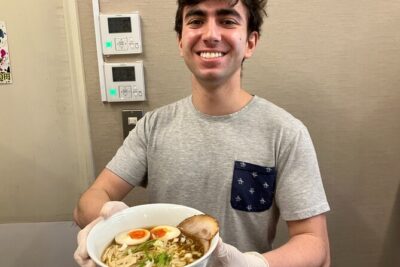
Then comes the ramen. This is one of the most practical parts of the class because it keeps the timing realistic. You are not making noodles from scratch, and the listing states the ramen will be prepared using ready-made noodles.
What does that mean for you? It means you can still learn the core ramen cooking experience without spending the entire class on dough and noodle production. You focus on the parts that matter for flavor and technique, and you leave with a dish you can replicate at home with less effort.
Ramen is also a great “confidence builder” lesson. Even if you think you cannot cook, you can usually follow a guided process that results in something satisfying. And since the class ends up with you eating the ramen you helped prepare, you get a clear win at the end of the session.
One more good thing: the class is listed as able to accommodate halal, vegetarian, and pescetarian dietary requirements if you inform them in advance. That is a real plus for anyone who wants a genuine food-focused activity without forcing yourself into a workaround meal.
The Calligraphy Souvenir: A Memory You Can Actually Display
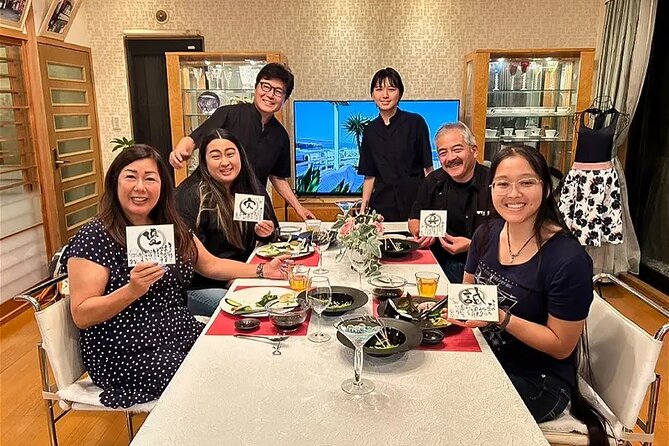
This class includes a souvenir: custom hand-drawn calligraphy created by Katsuji. You take it home, and that turns the day from a one-time meal into something you can display or store.
I like calligraphy souvenirs when they are specific and personal, because they feel like more than a generic postcard. With Katsuji making it himself, it has a direct link to your host and your experience.
If you care about bringing home cultural items that do not take up too much space, calligraphy is also practical. It is small enough to pack, and it can work as a gift when you want something meaningful rather than mass-market.
Slow down for a bowl of matcha
- Tea ceremony experience in Osaka with a small group
★ 5.0 · 8 reviews - Live the Shōgun Story Samurai Knives and Tea Ceremony in Sakai
★ 5.0 · 2 reviews - Craft Sushi and Matcha Ice Cream in Central Osaka (3-Course Meal)
★ 5.0 · 2 reviews
Small Group Size (Max 10) and Why It Changes Everything
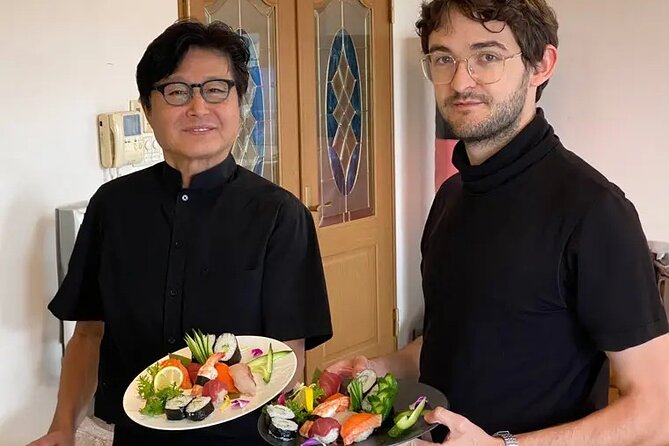
With a maximum of 10 travelers, you should expect more interaction than you would in a big bus tour. For a food class, that small-group size matters for simple reasons: you can see what the instructor is doing, you can get help when you get stuck, and you do not feel like you’re being rushed through steps.
It also keeps the tone more personal. You are in someone’s home area during the ceremony, then in a kitchen environment where a calm group matters. In a larger setting, that kind of home-based activity can turn into controlled chaos. Here, the cap on group size is part of what makes it work.
The class also includes an apron rental, plus ingredients and a drink. That means you are not arriving to find you need to buy cooking supplies or scramble for something basic on the day.
Food, Etiquette, and What You Really Learn
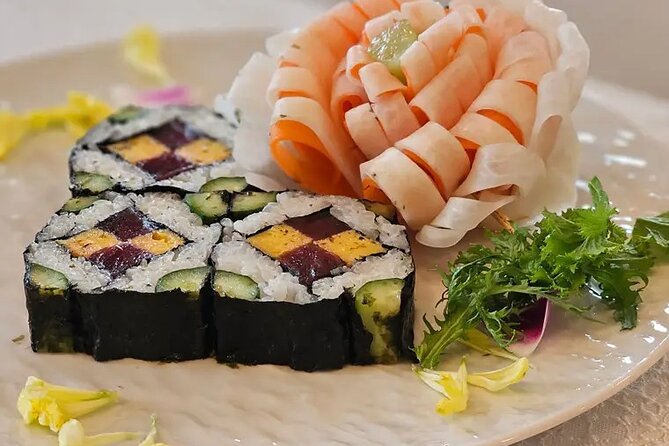
This experience is marketed as ramen, sushi, and tea, but what you are really buying is an understanding of how Japanese food culture ties together. You start with the ceremony, which builds patience and respect for the process. Then you switch to cooking, which turns those lessons into something hands-on.
Sushi and ramen are also a strong pairing. Sushi teaches precision and assembly. Ramen is about comfort food technique, where the outcome comes from your cooking steps plus good ingredients. When you leave, you are more likely to understand Japanese cuisine as skills, not just dishes you eat.
And yes, you also get the pure joy part. One participant called it their first sushi-making experience and said they really enjoyed it. That matches the general appeal of this kind of class, you get a memorable first win, not just another meal stop.
Price and Value: Is $73.98 Worth 3 Hours?
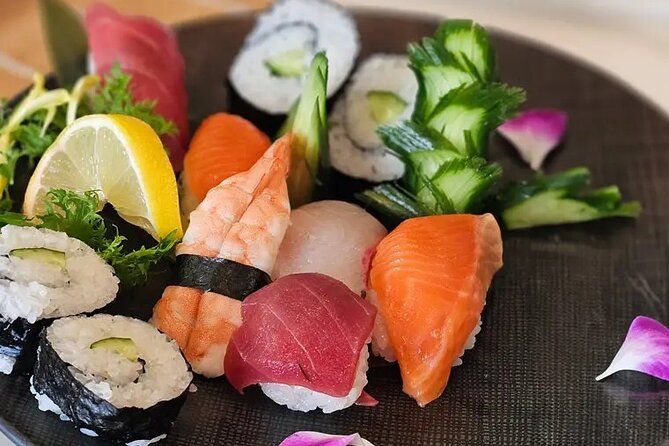
The price is $73.98 per person for an experience that lasts around 3 hours. On paper, that might sound like you are paying a lot for a class. In practice, the value comes from what is included.
You get:
- tea ceremony experience and a drink
- a sushi and ramen cooking class
- ingredients included
- apron rental
- a professional cooking instructor
- a calligraphy art souvenir
Transportation is not included, so you will need to plan how you get there. But if you already have your own transit figured out, the pricing starts to make sense as “food plus instruction plus materials plus souvenir,” all in a single afternoon.
You also get group discounts mentioned in the details. If you are traveling with friends, that can make it feel even more reasonable, because you split the experience cost over people who actually want to be in the kitchen with you.
Who Should Book This Class in Osaka
I think this is a great fit if you want something more personal than a standard restaurant meal. You are learning in Katsuji’s home environment, starting with tea and then cooking two major Japanese dishes.
This also works well if you are:
- a beginner who wants guidance for sushi
- a ramen fan who wants hands-on cooking, even with ready-made noodles
- someone who wants a cultural activity that is actually food-centered
- traveling as a couple or small group of friends
If you are on your own, it can still be worth it, but you need to factor in the requirement to buy 2 slots. If that extra cost bothers you, you might prefer a different single-friendly activity.
Tips Before You Go (So You Don’t Feel Rushed)
This kind of class runs on timing. You should plan to arrive on time for the start location, especially since the ceremony happens first. If you have dietary needs, tell the organizers in advance, because halal, vegetarian, and pescetarian options are supported only when you provide details ahead of time.
Bring your phone, because the activity uses a mobile ticket. Wear comfortable clothing, since you will be cooking. And if this is your first time making sushi, don’t worry about getting everything perfect. The point is to learn, eat, and leave with skills you can repeat later.
Should You Book This Osaka Ramen Sushi and Tea Class?
I would book it if you want a half-afternoon that mixes culture with real cooking, and you care about learning rather than only sightseeing. The tea ceremony at Katsuji’s home, the hands-on sushi and ramen, and the custom calligraphy souvenir combine into one strong, memorable package.
I would hesitate if you specifically want to make ramen noodles from scratch, because the class uses ready-made noodles. And if you need transportation included or you do not want to pay for 2 slots as a solo traveler, you may prefer another option.
FAQ
How long is the cooking class?
It runs for about 3 hours.
Where does the experience start and end?
It starts at Inazucho, Toyonaka, Osaka 561-0854, Japan, and ends back at the meeting point.
What is included in the price?
You get a tea ceremony experience, a sushi and ramen cooking class with ingredients and apron rental, a professional cooking instructor, a calligraphy art souvenir, and a drink.
Are the ramen noodles made from scratch?
No. The ramen is prepared using ready-made noodles.
Can the class handle dietary restrictions?
Yes. It can accommodate halal, vegetarian, and pescetarian diets if you inform them in advance of your dietary restrictions.
Do I need to book as a single traveler?
The class requires a minimum of 2 persons. Single travelers are kindly requested to purchase 2 slots.
Is transportation provided?
No. Transportation to and from the location is not included.
More Workshops in Osaka Prefecture
- Japanese Sweets Making Class in Osaka★ 5.0 · 1 review
- Sushi Making Osaka Roll and Authentic Japanese Sushi Class★ 5.0 · 1,220 reviews
- Matcha Making Class in Osaka with Authentic Japanese Sweets Set★ 5.0 · 509 reviews
- Osaka: Roll and Authentic Sushi Making Class in Dotonbori★ 4.9 · 239 reviews
More Cooking Classes in Osaka Prefecture
- Osaka Sushi Cooking Class★ 5.0 · 3 reviews
- 3-Hour Authentic Japanese Cooking Class (Includes 4-Course Meal)★ 5.0 · 2 reviews
- Osaka Cooking Class: Okonomiyaki &Japanese cuisines experience★ 5.0 · 261 reviews
- Osaka Sake Tasting with Takoyaki Cooking★ 5.0 · 156 reviews
Just added around Osaka




Ramen Making Classes, compared.

Five Must-See Highlights Walking Tour & Ramen Lunch
Read our review →

Walking Tour of Osaka’s 5 Must-See Sights, with Ramen for Lunch
Read our review →
Cooking Ramen&Gyoza/KatsuCurry/Bento/Okonomiyaki+Store Tour@Osaka
Read our review →
This tour also fits