
Reviewed · DAY TRIPS TO KYOTO FROM OSAKA
Kyoto Photography Workshop
Kyoto looks better through a lens. This 3-hour Kyoto photography workshop turns Gion’s lantern-lit streets, temples, and side alleys into your practice space, with an English-speaking pro guiding you. I like the way it mixes seeing Kyoto with learning how to photograph it, not just where to stand.
I also like the emphasis on light and depth, including what to do as the city shifts into evening. One consideration: there is no food or drink, so you’ll want to plan a water break and not count on snacks to get you through.
In This Review
- Key Highlights Worth Your Time
- Kyoto Through Your Own Lens: What This Workshop Trains
- Starting Point by the Kamo River, Statue of Izumo-no-Okuni
- Gion Streets and Lantern Light, Composition and Storytelling
- Temples and Gardens, Finding Light, Shadow, and Depth
- Evening Shift: Natural vs Artificial Lighting Practice
- Price and What You Really Get for $250
- English Guidance You Can Follow, Plus a Real Example
- Gear and Prep Notes for a 3-Hour Photo Session
- Who Should Book This Kyoto Photography Workshop
- Should You Book This Kyoto Photography Workshop?
- FAQ
- How long is the Kyoto Photography Workshop?
- What is the price per person?
- Where is the meeting point?
- Is food and drink included?
- What language is the live guide?
- Is it wheelchair accessible, and how do cancellations work?
Key Highlights Worth Your Time
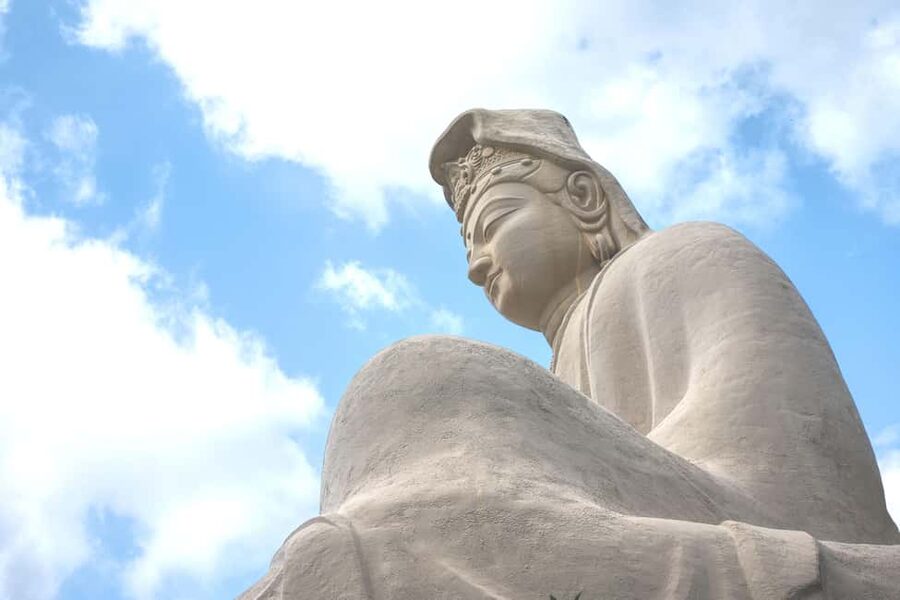
- Gion streets plus temples and hidden spots for variety in subjects, textures, and photo moods
- Professional guidance (10+ years) from an experienced photographer with English support
- Composition and storytelling practice so your images feel intentional, not accidental
- Natural and artificial lighting skills when evening starts changing everything
- A focused 3-hour session with tips you can use right away
Kyoto Through Your Own Lens: What This Workshop Trains
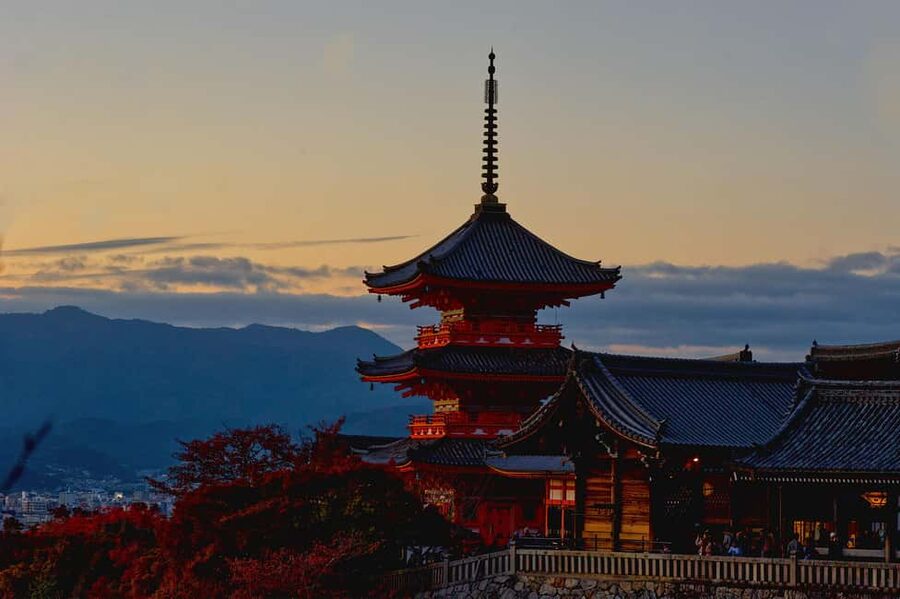
This is the kind of class that helps you stop taking random photos and start making choices. You’re photographing Kyoto’s cultural atmosphere while learning the basics that matter most: framing, composition, and how to see light before you press the shutter.
The best part is the structure of the learning. It isn’t only about finding pretty scenes. You’re practicing techniques for light, shadow, and depth, and you’ll do that in the exact kind of setting where those ideas show up fast.
More temples, thirty minutes up the line
- Osaka/Kyoto: Hiroshima Miyajima Bus Tour & Shinkansen Ticket★ 4.7 · 919 reviews
- From Kyoto/Osaka: Kyoto Top Highlights 1-Day Guided Bus Tour★ 4.5 · 714 reviews
- Ancient Capital Tour: Kyoto and Nara Highlights from Kyoto/Osaka★ 4.5 · 332 reviews
- Osaka/Kyoto: Amanohashidate & Miyama Tour with Boat & Lunch★ 4.6 · 207 reviews
- Kyoto and Nara Day Trip from Osaka★ 4.0 · 175 reviews
Starting Point by the Kamo River, Statue of Izumo-no-Okuni
Your workshop begins at the Statue of Izumo-no-Okuni, on the west side of the Kamo River. It’s just before you cross Shijō Bridge heading toward Gion, standing on the riverbank side near the intersection of Kawabata-dori and Shijō-dori.
I like meeting at a real landmark like this because it reduces stress. Kyoto can feel like a maze when you’re focused on photos and directions, so a clear meeting point helps you get in the right mindset quickly.
Gion Streets and Lantern Light, Composition and Storytelling
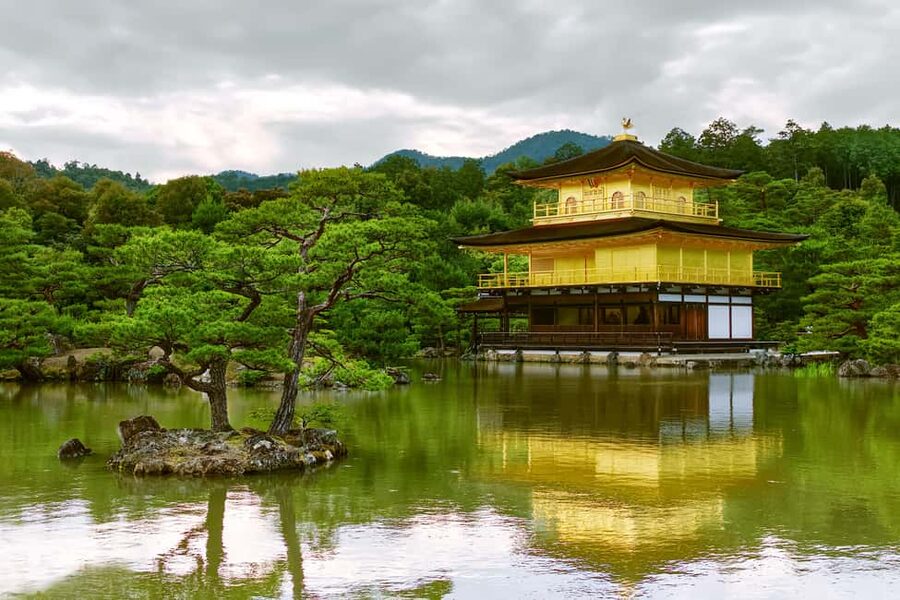
Early on, you’ll spend time around Gion’s photogenic streets. The focus is on wooden townhouses and lantern-lit alleys, which are perfect for learning composition because they naturally lead your eye along lines, layers, and repeating shapes.
This part of the session is where you build confidence. You’ll practice how to frame a scene, how to show story in a single image, and how to make choices that look intentional. If you’ve ever wondered why some photos feel flat, this is the stage that usually fixes it.
A small reality check: because the streets are so “photo ready,” it’s easy to overload on shots. The workshop’s value is that you’re not just collecting images, you’re learning what to emphasize and what to leave out.
Temples and Gardens, Finding Light, Shadow, and Depth
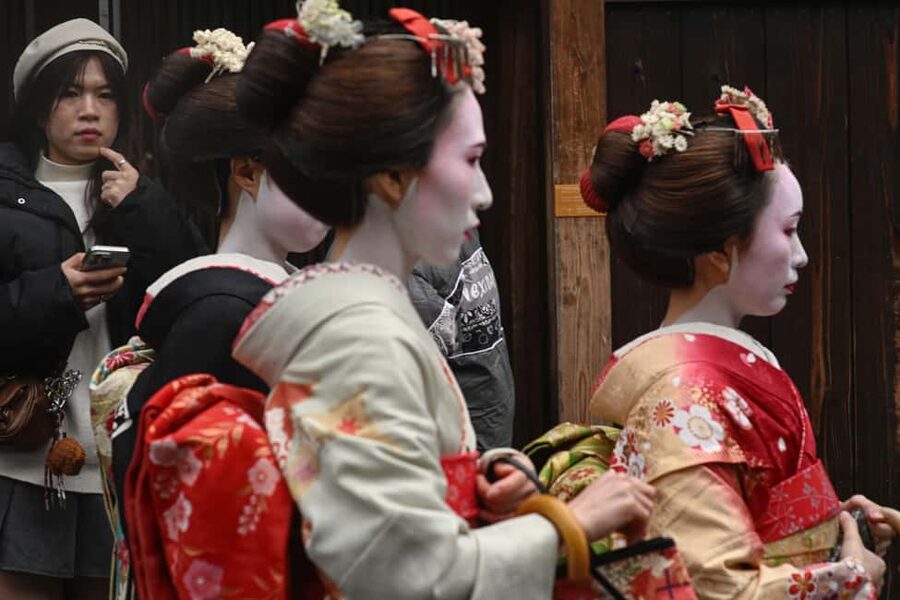
Next, you shift toward spots like hidden temples, serene gardens, and vibrant backstreets (you’ll work with backstreets even if they’re not the main draw). These areas are ideal for practicing depth because you can layer foreground, midground, and background elements as you move.
You’re training your eye to notice the small changes in brightness and contrast. That means learning how to photograph light and shadow in a way that adds mood instead of making images look darker or muddier than you intended.
If you’re a beginner, this is also where the workshop helps you slow down. You learn how to set up your shot before you take it, instead of rushing through and hoping for the best.
Evening Shift: Natural vs Artificial Lighting Practice
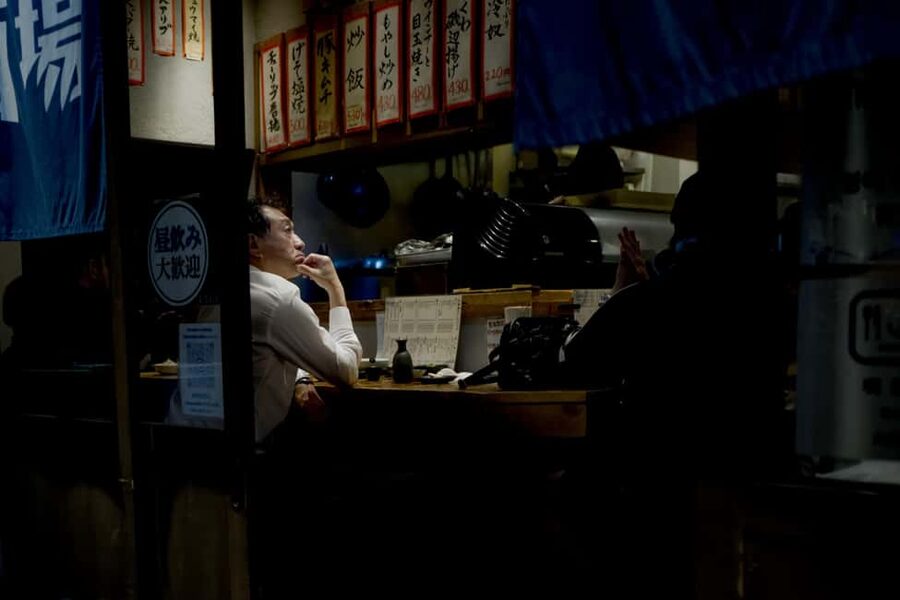
As the city transitions into evening, Kyoto becomes a different photo subject. You’ll practice techniques for both natural lighting and artificial lighting, using the changing light to improve your results instead of fighting it.
This matters because evening is where many people’s photos fall apart. The workshop is explicitly built around learning how to handle the shift, so you’re not stuck guessing when the street lights and lanterns take over.
Also, even if you’re already comfortable with your camera, this is still useful. You can refine your style by focusing on texture, contrast, and how you want your images to feel once daylight fades.
Frame Osaka in something other than a selfie
- Osaka: Private Vibrant Nighttime Photoshoot (Dotonbori)
★ 4.9 · 80 reviews - Osaka: Kimono or Yukata Rental &Photos Service Options
★ 4.9 · 25 reviews - Kimono photoshoot-Includes 100 photo data
★ 5.0 · 21 reviews
Price and What You Really Get for $250
At $250 per person for a 3-hour workshop, the value comes down to one thing: guidance plus practice in multiple real locations. You’re not just walking around with a camera, you’re getting professional coaching and structured tips while you shoot at Kyoto’s streets, temples, and hidden spots.
What’s included is meaningful for the time you’re paying for:
- Professional photography guidance throughout the tour
- Photoshoot in photogenic Kyoto streets, temples, and hidden spots
- Tips and techniques to improve your photography skills
What’s not included is also clear: no food or drink. That’s not a deal breaker, but it does mean you should come ready to work and stay hydrated.
If you’re deciding whether it’s worth it, think about what you want most. If you want locations only, you can DIY. If you want faster improvement and feedback while you’re actually shooting, a guided workshop is a smart way to compress months of trial and error into a few hours.
English Guidance You Can Follow, Plus a Real Example
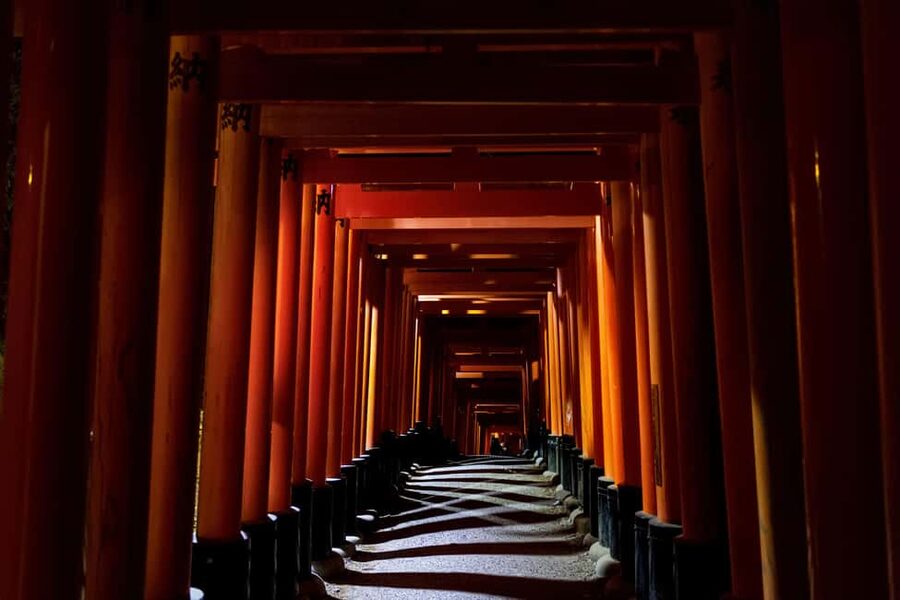
The tour uses a live English guide and is listed as a private group. That combination matters because photography feedback gets much clearer when you can understand the instructions right away and ask follow-up questions.
One verified participant from Mexico, Ara, specifically highlighted the photographer’s work. Ara said photographer Irven exceeded expectations and delivered exceptional photos, which tells you the coaching is not just theoretical. It’s hands-on enough to change what people end up with.
That “before and after” effect is what you’re paying for with a workshop like this. You’re trying to leave with stronger skills, more confidence, and images that reflect Kyoto’s spirit, not only its sights.
Gear and Prep Notes for a 3-Hour Photo Session
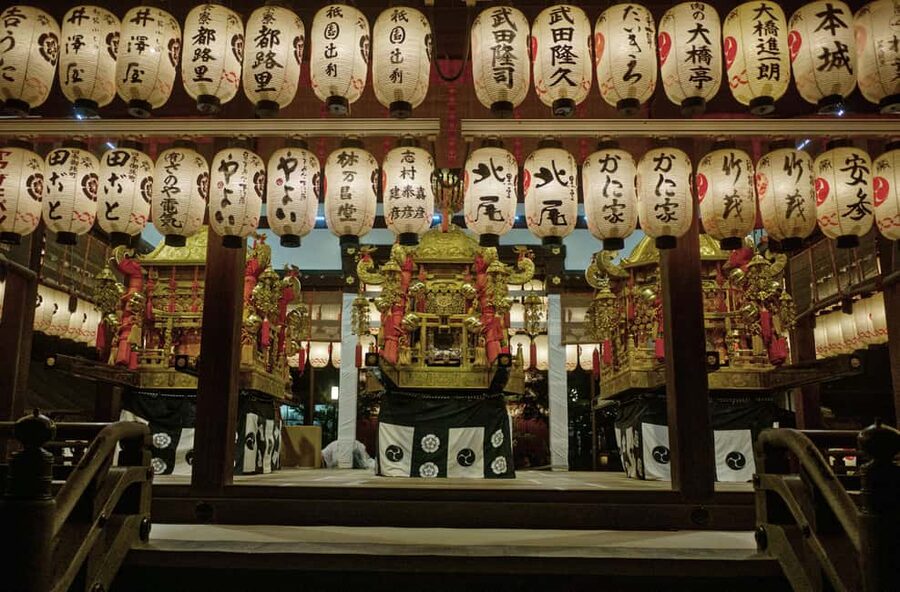
Because the workshop is only 3 hours, your preparation affects your results more than usual. You’ll want to show up ready to shoot immediately, not figuring out settings while everyone waits.
Here’s what I’d do before you go:
- Bring your camera and any lenses you already use comfortably
- Charge batteries fully and clear extra space so you don’t worry mid-session
- Wear comfortable shoes for walking between photogenic spots
- Bring whatever you need for changing light, like a lens cloth (even a small one helps)
Also, plan your personal timing. Since no food or drink is included, eat beforehand and bring a water plan so you can focus on learning.
Who Should Book This Kyoto Photography Workshop
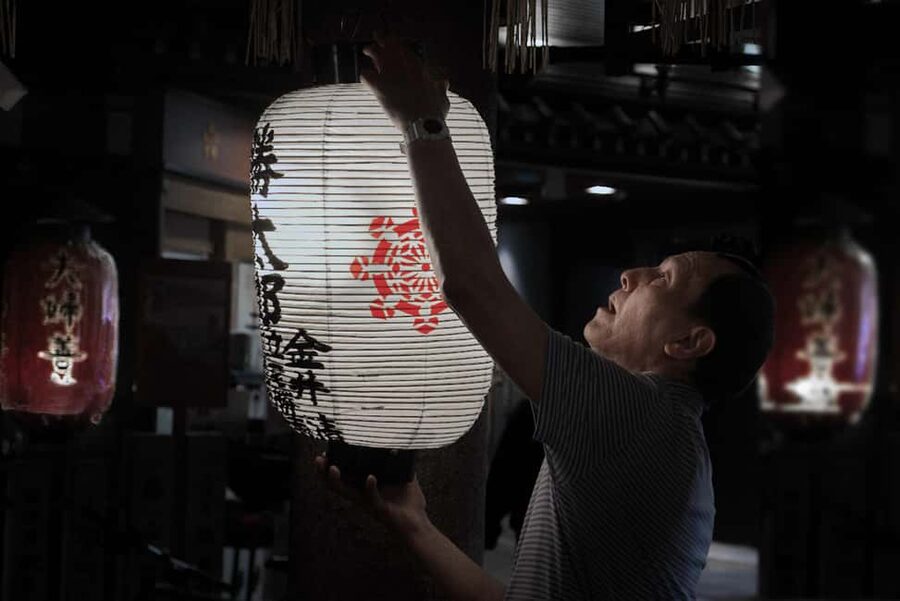
This workshop is a strong fit if you want to improve while you explore Kyoto. It’s described as ideal for beginners, enthusiasts, and advanced photographers who want to sharpen skills.
Beginners usually benefit most from the way the session teaches practical photography under real conditions. Enthusiasts often like the feedback loop, because you get quick corrections while you’re working on actual images. Advanced photographers can use the timing and lighting focus to refine style, especially around the natural-to-artificial transition.
If you’re traveling with limited time in Kyoto, a 3-hour session is also easier to plug into a schedule than a multi-day course. Just make sure your energy matches the evening portion, since lighting practice is a key part of the workshop.
Should You Book This Kyoto Photography Workshop?
Book it if you want structured coaching while you photograph Kyoto’s most photogenic scenes, especially if you care about composition and how to handle lighting as evening arrives. At $250, you’re paying for pro guidance plus practice across multiple kinds of locations, which is the quickest path to stronger results during a short trip.
Skip it if your goal is mostly sightseeing with no interest in learning technique. This workshop is designed around getting better, not just taking casual photos.
If you’re on the fence, use this rule: if you’d rather learn how to make your photos look the way you imagine, book it. If you’d rather keep things fully self-directed, DIY might feel simpler.
FAQ
How long is the Kyoto Photography Workshop?
It lasts 3 hours.
What is the price per person?
The price is $250 per person.
Where is the meeting point?
Meet at the Statue of Izumo-no-Okuni on the west side of the Kamo River, just before you cross Shijō Bridge heading toward Gion. It stands near the intersection of Kawabata-dori and Shijō-dori.
Is food and drink included?
No, the tour does not include food and drink.
What language is the live guide?
The live tour guide offers English.
Is it wheelchair accessible, and how do cancellations work?
The activity is wheelchair accessible. It also lists free cancellation up to 24 hours in advance for a full refund.
More Workshops in Osaka
- Sushi Making Osaka Roll and Authentic Japanese Sushi Class★ 5.0 · 1,220 reviews
- Matcha Making Class in Osaka with Authentic Japanese Sweets Set★ 5.0 · 509 reviews
- Osaka: Ramen and Gyoza Cooking Class in Dotonbori★ 5.0 · 378 reviews
- Osaka Cooking Class: Okonomiyaki &Japanese cuisines experience★ 5.0 · 261 reviews
Just added around Osaka

Day Trips to Kyoto from Osaka, compared.
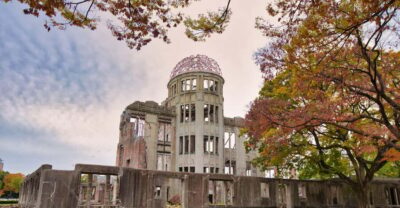
Osaka/Kyoto: Hiroshima Miyajima Bus Tour & Shinkansen Ticket
Read our review →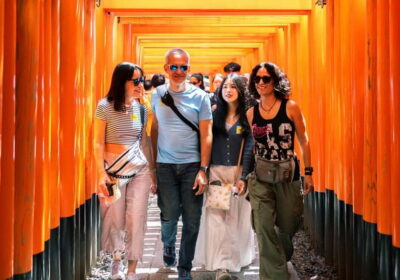
From Kyoto/Osaka: Kyoto Top Highlights 1-Day Guided Bus Tour
Read our review →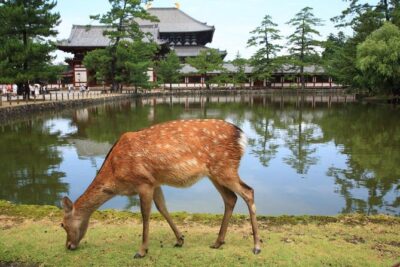
Ancient Capital Tour: Kyoto and Nara Highlights from Kyoto/Osaka
Read our review →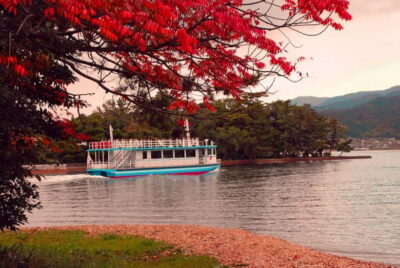
Osaka/Kyoto: Amanohashidate & Miyama Tour with Boat & Lunch
Read our review →

Full Day Tour of Kyoto with Private Transportation
Read our review →
Kyoto & Nara Private customized tour with English speaking Guide
Read our review →This tour also fits