
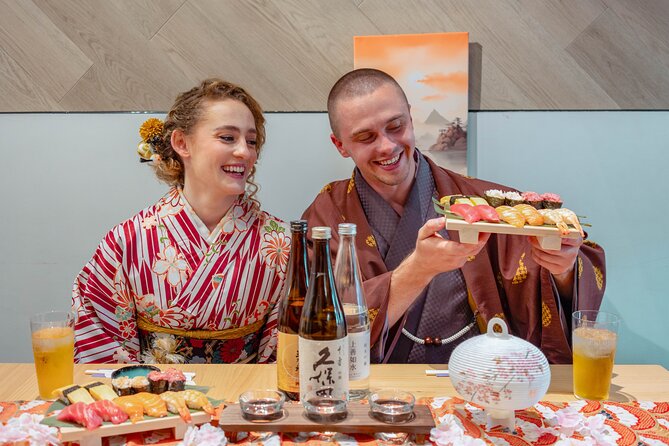
Reviewed · SUSHI MAKING EXPERIENCES
Osaka Sushi Making Experience
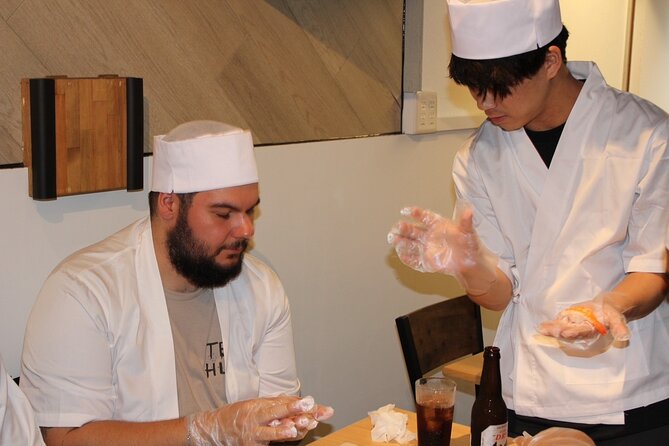
Your sushi skills start with 12 bites. I love the Dōtonbori location, and I love the hands-on 12 pieces class where you make nigiri and gunkan-sushi and actually eat what you produce. The vibe stays relaxed, and the instructors focus on practical technique, with names like Mika and Kosei showing up often for clear, patient guidance in English (plus Chinese and Korean support).
The main drawback is the meeting spot. One guest noted it was a little hard to find, so I suggest showing up early and using the full address for Sushi Making Experience Namba1A.
In This Review
- Key highlights to know before you go
- Dōtonbori makes this class easy to fit into Osaka
- What you make: 12 pieces, nigiri and gunkan-sushi
- The 90 minutes: how the lesson typically flows
- Instructors, languages, and a small group vibe
- Vegetarian, vegan, and halal options, plus a heads-up
- Drinks, snacks, and what is actually included
- Price and value: why this feels fair
- Practical tips for finding the meeting point
- Who this suits best in Osaka
- Should you book Sushi Making Experience Namba?
- FAQ
- How long is the Osaka sushi making class?
- What sushi will I make during the class?
- Are vegetarian, vegan, or halal options available?
- Is sake or beer included?
- Do they teach in English?
- How large is the class?
- Where do I meet, and where does it end?
Key highlights to know before you go
- 12 pieces of sushi you make yourself plus a mix of styles, including nigiri and gunkan-sushi
- Dōtonbori location in Osaka, near public transportation (good for pairing with nearby sightseeing)
- Dietary options on request, including vegetarian, vegan, and halal sushi
- Small group size (max 16), which usually means more hands-on attention
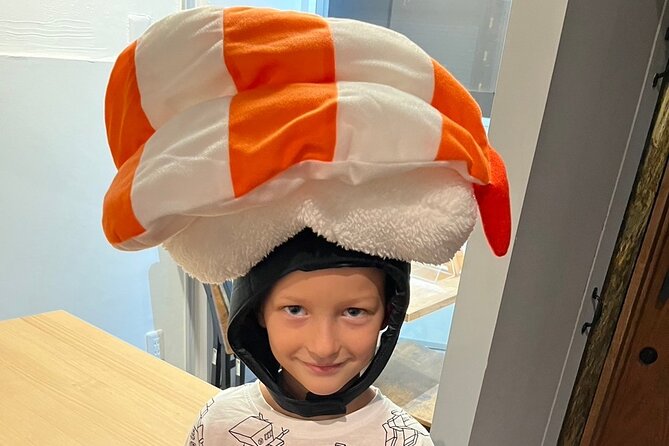
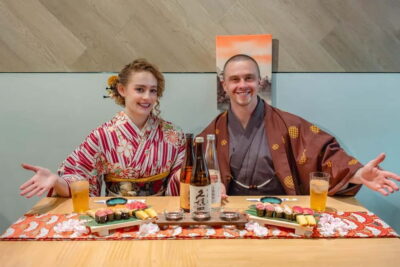
- A fun add-on feel, like a sushi-chef costume and an end-of-class keepsake (certificate and photos)
Dōtonbori makes this class easy to fit into Osaka
If you’re planning Osaka around food, shopping streets, and late-night energy, this is a smart match. The class is set in Dōtonbori, one of the city’s most recognizable districts, so you’re not cramming travel across town before you even start cooking.
Another practical win is that it’s near public transportation, which matters in Osaka because you can save time when you’re moving between neighborhoods. You’ll also be walking into a setting built for this kind of activity, not a random kitchen tucked away in the suburbs.
On top of that, the class options cover both an afternoon and an evening slot, so you can choose what fits your day better. If you’re the kind of traveler who plans food first and sightseeing second, you’ll like that structure.
One more detail I like: guidance is available in English, plus Chinese and Korean. Even if your Japanese is basic (mine would be), you can still follow along and ask questions without feeling lost.
Learn why the rice matters most
- Sushi Making Osaka Roll and Authentic Japanese Sushi Class★ 5.0 · 1,220 reviews
- Osaka: Roll and Authentic Sushi Making Class in Dotonbori★ 4.9 · 239 reviews
- Osaka: Sushi Class in Dotonbori★ 4.9 · 160 reviews
- Osaka Dotonbori: Sushi Making Experience★ 4.9 · 122 reviews
- Osaka: Sushi Making in Spacious Studio (SAME-DAY OK!)★ 5.0 · 75 reviews
What you make: 12 pieces, nigiri and gunkan-sushi
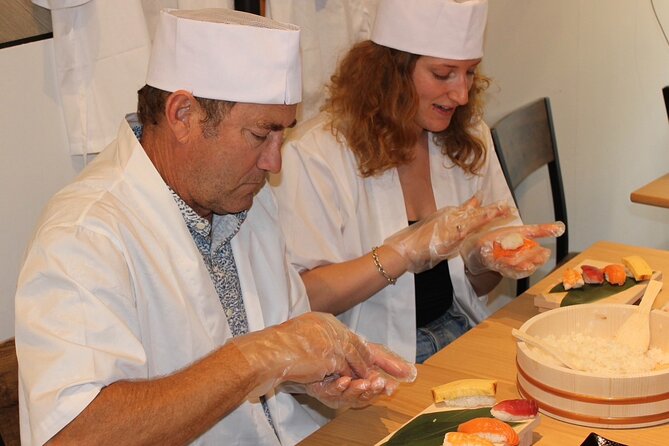
The central promise here is simple: you learn how to make sushi at home, not just how to assemble a platter. You’ll make 12 pieces, including 2 styles: nigiri and gunkan-sushi.
That matters because sushi isn’t one single technique. Nigiri is about forming the rice and topping it cleanly. Gunkan-sushi is about how the shape behaves, how the topping stays together, and how you handle the structure. By practicing both, you get a more complete toolkit, instead of learning just one “one-and-done” method.
A nice detail from the experiences people shared is that instruction gets specific and measurable. One example you’ll hear is rice portioning, including the idea of using 10g of rice for the perfect ratio. That kind of detail turns sushi from a mystery into something you can repeat at home.
And yes, you do eat what you make. The class is designed as snacks at the end, with the portion you create forming part of your meal.
The 90 minutes: how the lesson typically flows
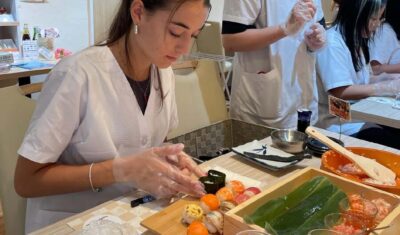
This experience runs about 1 hour 30 minutes, and the pacing is built for beginners. You’re not sitting through a lecture. You’re working hands-on, with guides showing you what to do and then having you do it.
Here’s the practical arc you can expect:
First, you get oriented and set up in the classroom space at the meeting point area. From there, the focus becomes ingredients and technique. The lesson is centered on the ingredients required to make 12 pieces at home, so you’re learning what you need, not only what you’re making right now.
Then you practice the sushi-building steps for the styles included in your set. The goal is not perfection on the first try. It’s getting comfortable with the motions, the feel of the rice, and the shaping steps that stop your sushi from falling apart before you get a bite.
Midway through, the instructors provide personalized tips. People highlight that the teaching is patient, and you’ll get support while you’re actively rolling, pressing, and shaping. Names that show up a lot in that context include instructors like Yui and Mako, Shiori and Toshiki, and Hana, often described as upbeat, clear, and hands-on.
Finally, you eat. This is a key part of the value: you’re not just consuming sushi at the end of a cooking class, you’re consuming the result of your work. And the class includes snacks (12 pieces of sushi) as part of the experience.
As a finishing touch, many guests mention a keepsake at the end, like a certificate with names in Kanji and a photo. Some also mention fun extras like a name-related item, which adds to the “I did this” feeling when you leave.
Instructors, languages, and a small group vibe
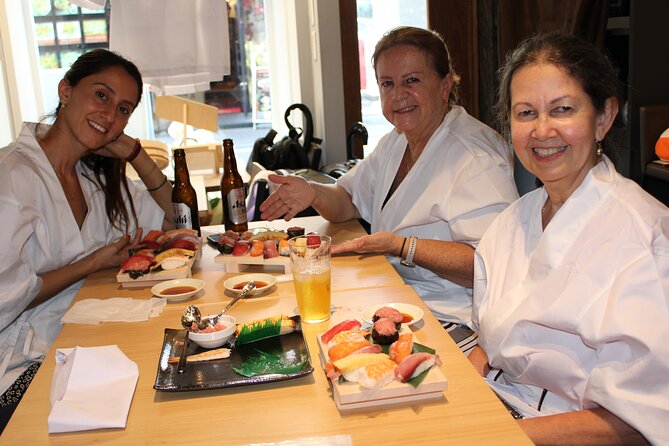
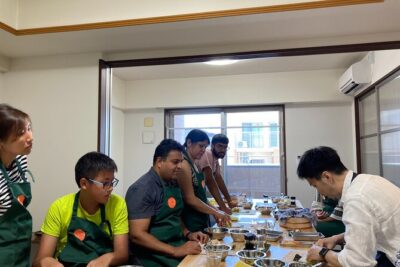
The group size is capped at 16 travelers, which is meaningful for a hands-on class. You’re not stuck in a huge crowd where you watch and hope. You can get your questions answered while your sushi is still on the bench.
The teaching team is often described as young, energetic, and friendly, with a casual approach that makes learning easier. If you’re the type who worries about messing up in front of others, this is the kind of activity that tends to lower the stress level.
Language support helps too. Guidance is offered in English, and there’s also Chinese and Korean support. That combination makes it easier to follow steps even if you can’t catch every word. And because sushi-making is visual, the language aspect works alongside the demonstration.
If you’d like an extra confidence boost before your class, you can lean into the instructors’ teaching style. Multiple experiences highlight patience and clarity, with instructors like Mika and Kosei specifically called out for explaining things effectively and keeping the atmosphere relaxed.
Vegetarian, vegan, and halal options, plus a heads-up
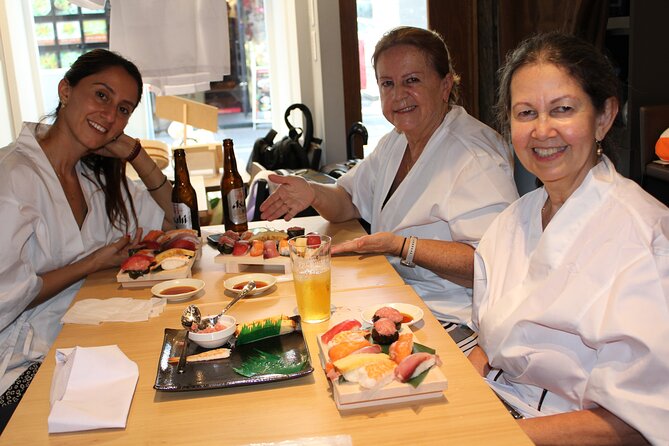
Dietary flexibility is a real strength here. Vegetarian, vegan, and halal sushi are available upon request. That’s huge when you’re traveling in Japan and you’d rather not gamble with what a regular sushi meal can accommodate.
That said, one practical consideration came up in a comment about vegan food: the vegan menu may involve fewer vegetables compared with sets that include seafood items. I can’t predict your exact ingredients without confirming when you book, but it’s worth expecting that plant-based versions may be simpler in structure.
My advice: if you have dietary needs, request them clearly when booking. And if you’re vegan, it can help to ask what the vegan sushi set will include in your session so you know what to expect in terms of texture and ingredients.
Also note that the class provides vegetarian sushi as an option, which makes it straightforward for many common dietary requirements.
Not ready to leave Osaka yet? A few more ways to fill the day.
- Osaka Go Karting Tour with Funny Costume
★ 5.0 · 2,658 reviews - Osaka Castle: Museum and Tower Entry Ticket
★ 4.5 · 2,380 reviews - Osaka: Shinsekai Food Tour with 13-15 Dishes at 5 Eateries
★ 4.8 · 2,204 reviews
Drinks, snacks, and what is actually included
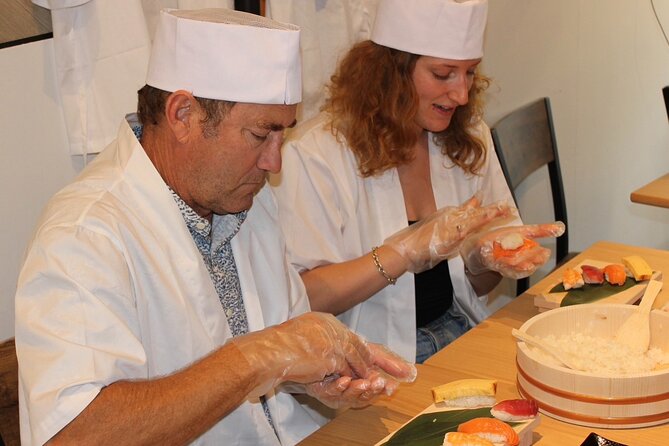
Food is included, and it’s not an afterthought. Your 12 pieces of sushi are part of the included snacks, and the learning is tied directly to that eating portion.
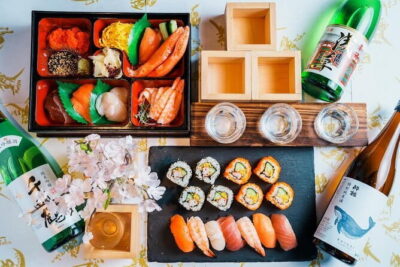
Drinks are where you need to read carefully. The experience mentions Japanese sake and beer, but alcoholic beverages are not included. So if you want sake or beer, plan on paying separately.
This matters for budgeting. At a price point around $29.85 per person, the included sushi portion plus the instruction feels like the main value. If you add alcohol on top, your final meal cost will rise, but at least you have control over how much you spend.
One more practical tip: since you’re eating the sushi you make, you don’t need a big pre-meal hunt. This works well as a “food anchor” in the middle of your Osaka day.
Price and value: why this feels fair
At $29.85 per person for about 1.5 hours, the value comes from three things working together:
1) You get hands-on instruction that teaches techniques, not only tasting.
2) You make 12 pieces and eat them, so you’re not paying mainly for instruction with no food outcome.
3) The setting is central in Dōtonbori, so you’re not burning time on transport just to do a cooking class.
In other words, you’re not only buying sushi. You’re buying the ability to recreate a process at home, including practical details like rice portioning and shaping steps.
Could it be a little more expensive if alcohol is added? Sure. But the base price still lands in a reasonable zone for a guided cooking class with a final edible product.
Practical tips for finding the meeting point
This is the area to pay attention to before you go, because one guest specifically mentioned difficulty finding the location.
Use these tactics:
- Arrive a bit earlier than you think you need, especially if you’re also sightseeing nearby in Dōtonbori.
- Use the full address for Sushi Making Experience Namba1A, 2 Chome-6-11 Nishishinsaibashi, Chuo-ku, Osaka 542-0086. The more exact you are, the less you’ll wander.
- Keep your mobile ticket handy since the experience uses a mobile ticket system.
- If you get turned around in the area, don’t wait it out. Osaka streets around Namba can be crowded and confusing, and time slips away fast.
Also, the class ends back at the meeting point area, so you’re not dealing with a return-transfer plan.
Who this suits best in Osaka
This is a great fit for:
- Beginners who want a guided, hands-on cooking experience without needing prior skills
- Couples, families, and solo travelers who want an activity that’s fun and food-based
- Travelers with dietary needs who want sushi options like vegetarian, vegan, or halal (with requests made ahead)
- Anyone who wants a memorable Osaka “story” item, not just another meal
The class size and teaching style also make it workable for people who learn best by doing. And the keepsakes, like a certificate with your name in Kanji and a photo, are a nice bonus for families and anyone who loves a souvenir that isn’t mass-produced.
Should you book Sushi Making Experience Namba?
I’d book it if you want a structured sushi skill lesson in Dōtonbori, and you like the idea of eating what you make. The combination of 12 pieces, two major styles (nigiri and gunkan), and small-group, multilingual guidance makes it feel like a solid value for the time.
Skip it or think twice if you’re mainly looking for a casual sushi meal and don’t care about technique. In that case, you might get more “just eat” satisfaction elsewhere. Also, if you’re vegan, send a clear request and check what your set includes, since plant-based versions may be simpler than seafood-centered menus.
If you fall in the first group, you’ll leave with practical skills you can use at home, plus a fun certificate and photo moment that makes the whole thing feel like more than dinner.
FAQ
How long is the Osaka sushi making class?
The class lasts about 1 hour 30 minutes.
What sushi will I make during the class?
You’ll make 12 pieces of sushi at home, including two types: nigiri and gunkan-sushi.
Are vegetarian, vegan, or halal options available?
Yes. Vegetarian, vegan, and halal sushi are available upon request.
Is sake or beer included?
Japanese sake and beer are mentioned as part of the experience, but alcoholic beverages are not included.
Do they teach in English?
Yes. Guidance is provided in English, and there is also Chinese and Korean support.
How large is the class?
The experience has a maximum of 16 travelers.
Where do I meet, and where does it end?
You start at Sushi Making Experience Namba1A in Nishiishinsaibashi (Dōtonbori area). The activity ends back at the meeting point.
Just added around Osaka


Sushi Making Experiences, compared.
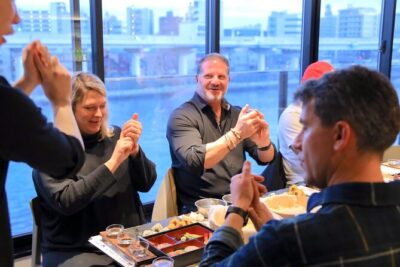
Sushi Making Osaka Roll and Authentic Japanese Sushi Class
Read our review →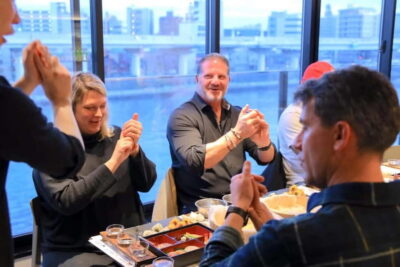
Roll and Authentic Sushi Making Class in Dotonbori
Read our review →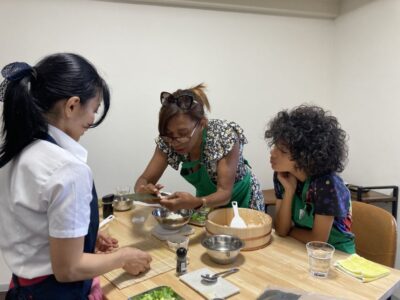
Make Sushi and Create Unforgettable Memories in Osaka
Read our review →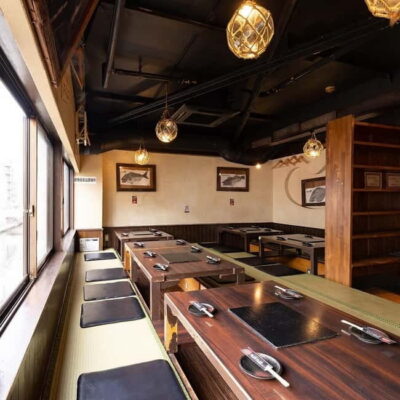
This tour also fits