
Reviewed · DOTONBORI EXPERIENCES
Osaka Dotonbori: Hand Roll Sushi Experience
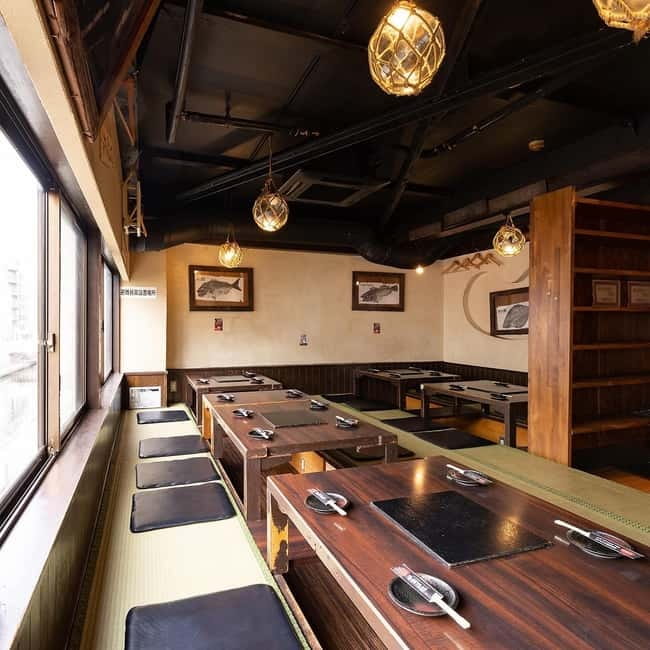
Roll-your-own sushi beats the usual show. In Osaka’s Dotonbori district, this 2-hour class lets you learn the rice basics, taste real wasabi, and form your own hand rolls while you relax in a tatami room with a view of the river. I love the Dotonbori River views and I love the real wasabi tasting, because it is not the mild green paste you get elsewhere, it is sharp, aromatic, and honestly surprising.
The one catch is limited fish choice, meaning you may not get to pick every seafood ingredient, so if you dislike a specific fish, you might not love every bite. Still, the instruction and the hands-on making part are strong enough that most people leave happy.
In This Review
- Key highlights to know before you go
- Entering the experience: Honing sushi craft in Nico Building
- The 2-hour flow: rice, wasabi, then your own hand rolls
- Why the wasabi tasting is the star of the show
- Sushi rice: the technique that makes everything taste “right”
- Making hand-roll sushi: tools, choices, and your new routine
- Flavor pairing you will remember: wasabi and soy sauce in context
- What to expect to eat, drink, and how much it feels like food
- Price and value: is 8,000 yen a fair deal for 2 hours?
- Practical tips for a smooth Dotonbori sushi class
- Who this experience suits best
- Should you book this Osaka hand-roll sushi experience?
- FAQ
- How long is the hand-roll sushi experience?
- What time does the experience run?
- Where is the meeting point and where is the activity located?
- What is included in the price?
- Is there language support in English?
- Do I get to choose my ingredients or fish?
- What should I bring with me?
- How much does it cost, and what if I need to cancel?
Key highlights to know before you go
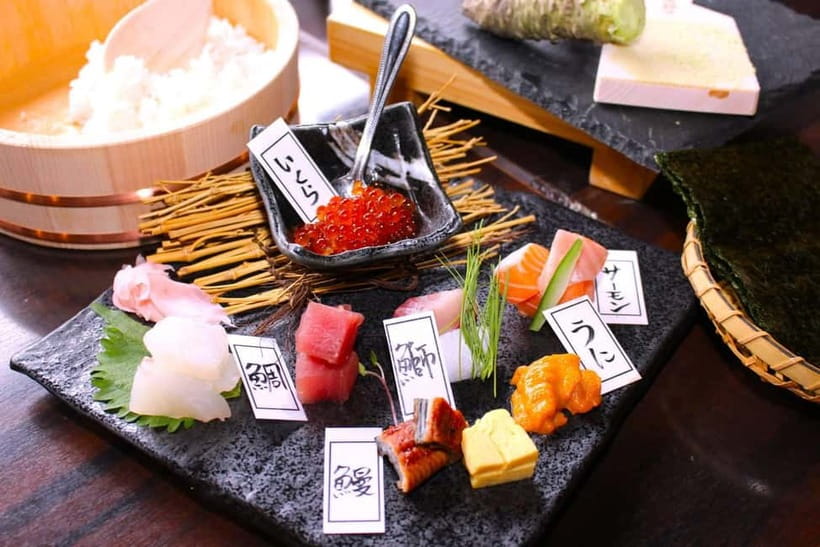
- Tatami room with Dotonbori River views: a calmer pause in the middle of Dotonbori.
- Real wasabi tasting: aroma first, then heat, then that clean bite after.
- Sushi rice lessons: you learn how vinegar and rice mixing changes the flavor and texture.
- Hands-on hand-roll making: you form the rolls yourself, not just watch.
- Chef flavor coaching: you learn pairing ideas, including house soy sauce shared for your rolls.
Entering the experience: Honing sushi craft in Nico Building
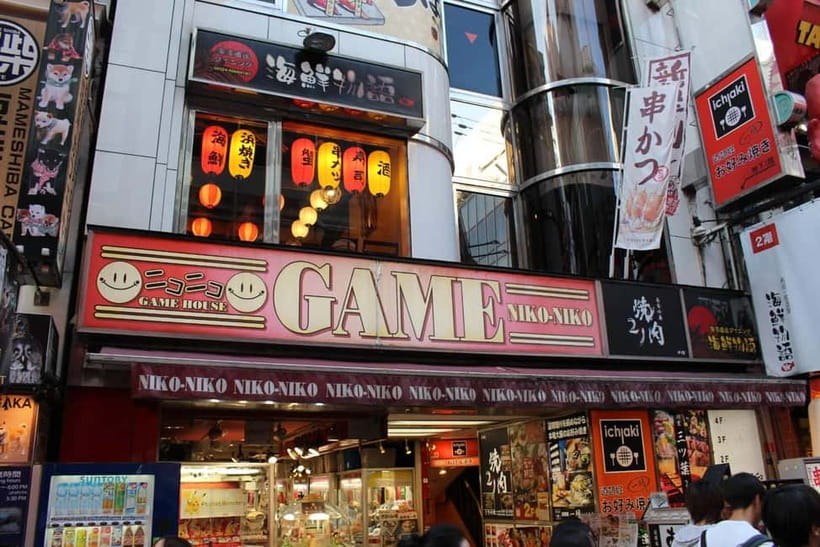
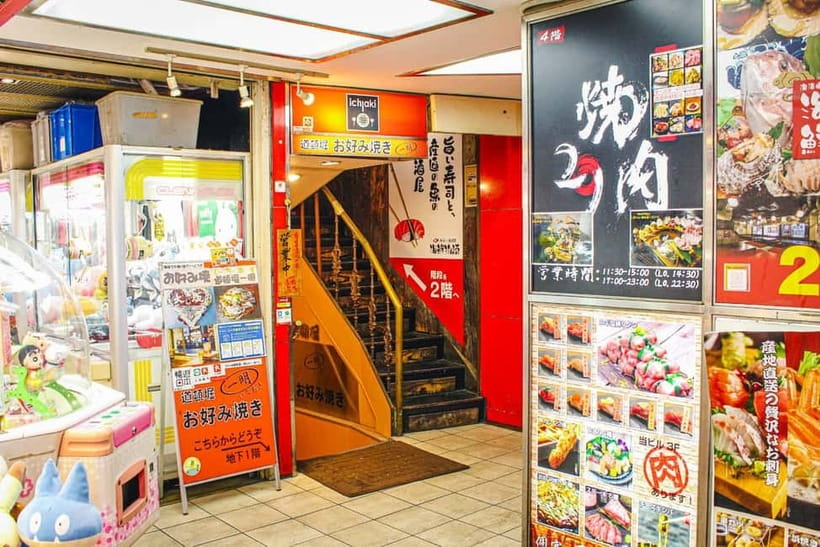
This class happens in the heart of Dotonbori, Osaka, but you do not feel like you are doing a “production line” activity. The space is on the 2nd floor of the Nico Building at 1-6-12 Dotonbori, Chuo-ku, Osaka, and the entrance is on the main street. There is also a game arcade on the first floor, which makes finding the building easier, even if you hear lots of noise down below before you go upstairs.
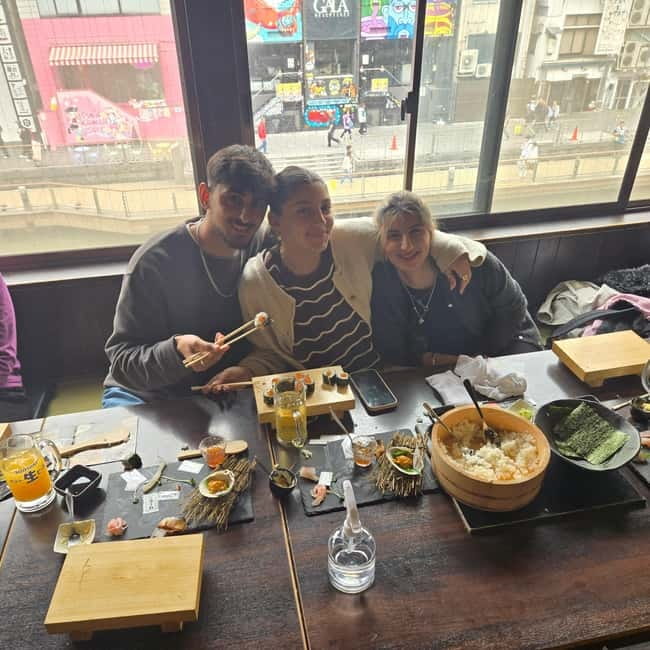
When you get in, the vibe shifts fast. You are seated in a tatami room, and the highlight for many people is the Dotonbori River view from where you eat and work. That matters more than you might think. Hand-roll sushi is a fine-motor skill experience, and a calmer room helps you actually focus on what your hands are doing.
You will start by checking in at the meeting point area, then settle in. The whole experience is designed around one simple idea: sushi is not just about ingredients, it is about technique and balance. That is why this class is so satisfying even for people who already like sushi.
Learn why the rice matters most
- Sushi Making Osaka Roll and Authentic Japanese Sushi Class★ 5.0 · 1,220 reviews
- Osaka Sushi Making Experience★ 5.0 · 400 reviews
- Osaka: Roll and Authentic Sushi Making Class in Dotonbori★ 4.9 · 239 reviews
- Osaka: Sushi Class in Dotonbori★ 4.9 · 160 reviews
- Osaka Dotonbori: Sushi Making Experience★ 4.9 · 122 reviews
The 2-hour flow: rice, wasabi, then your own hand rolls
Your session runs for two hours, with daily times at 12 pm and 2 pm. The structure is clear, and it keeps you from getting bored or lost in translation. Expect a step-by-step pace:
First, you get an introduction to sushi. This is not a long lecture. It sets the language for what you will be tasting and making, so when someone talks about rice seasoning or seafood flavor, you can connect it to something you can actually notice.
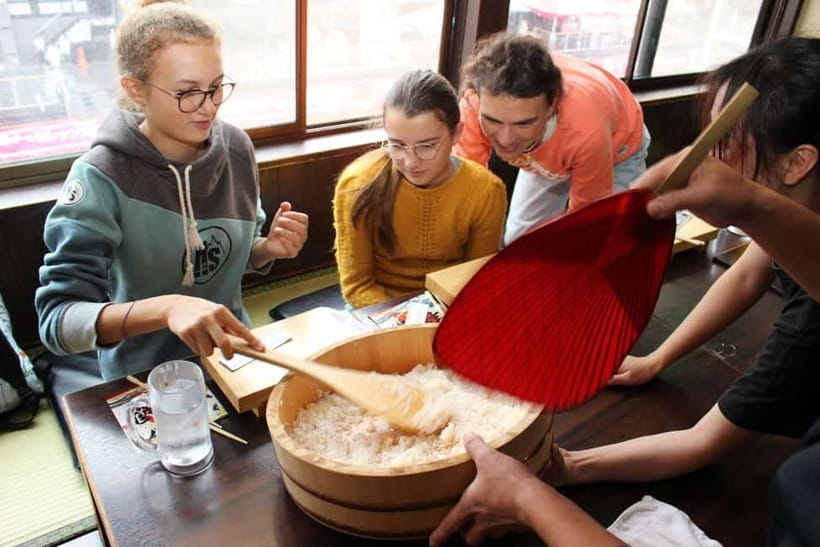
Next comes sushi rice. You learn about the unique flavor of Japanese rice, and you practice the method for mixing vinegar into the rice. This is the part that turns “cooked rice” into “sushi rice,” and it is also the part most people outside Japan have never really seen up close.
Then you hit one of the most memorable moments: a wasabi tasting of real wasabi. This is the moment that changes expectations. Instead of “spicy for spicy’s sake,” real wasabi has a distinct aroma and a heat curve that feels different in stages.
Finally, you get hands-on with the main event: making your own hand-rolled sushi. You are not just assembling a tray. You work the ingredients into a roll format, and you learn what to watch for so your roll holds its shape and tastes balanced.
For me, the best part of the flow is the order. Rice first builds a baseline, wasabi teaches you what true punch feels like, then rolling comes while your senses are tuned in.
Why the wasabi tasting is the star of the show
Most sushi experiences treat wasabi as a side condiment. Here, it gets its own moment, and that is smart. The class specifically highlights the unique aroma and spiciness of real wasabi, and that is exactly what makes it educational.
Real wasabi behaves differently. It is not just heat on your tongue. It tends to show up with a noticeable smell and a sharper, more immediate kick. Then it leaves a clean sensation that makes you want to take another bite and notice how your seafood tastes alongside it.
If you think you know wasabi already, I would still budget curiosity. This tasting helps you understand why sushi chefs talk about it like a flavor tool, not just a spicy garnish. It also makes your hand-roll choices feel more intentional. You start thinking in combinations: rice seasoning plus seafood plus a wasabi hit, and how each part affects the next bite.
Sushi rice: the technique that makes everything taste “right”
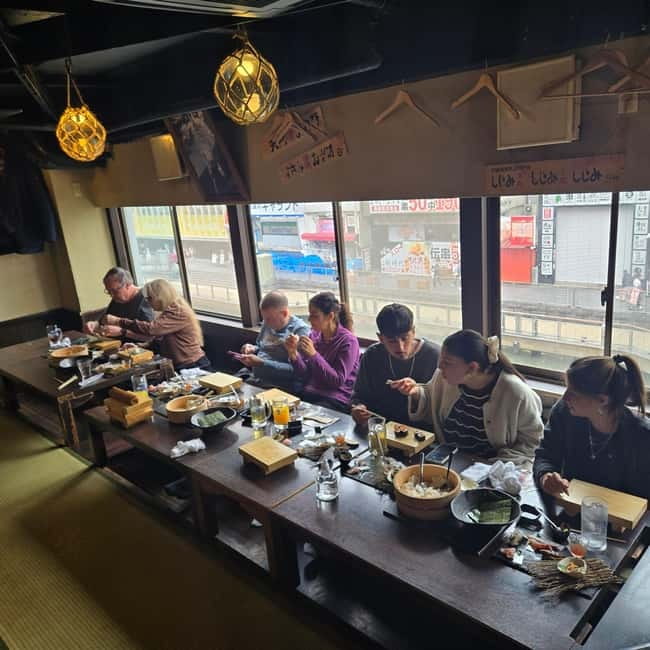
If you care about value, the rice session is a big reason this class is worth your time. Sushi rice is not just food. It is the flavor foundation. Without it, everything else tastes off.
During the lesson, you learn about the unique flavor of Japanese rice and the art of mixing vinegar and rice. You see how vinegar changes the rice and how proper mixing matters for texture. You also get the idea that sushi rice should not be bland or sour, it should be balanced and ready to support seafood flavors.
Practically, this matters because hand-roll sushi is compact. There is not room for sloppy seasoning. If the rice is too under-seasoned, the roll tastes flat. If the rice is too sharp, the seafood loses its sweetness. That is why the rice lesson is not busy work. It is what helps you understand why sushi in Japan tastes so coherent, even with simple-looking ingredients.
Making hand-roll sushi: tools, choices, and your new routine
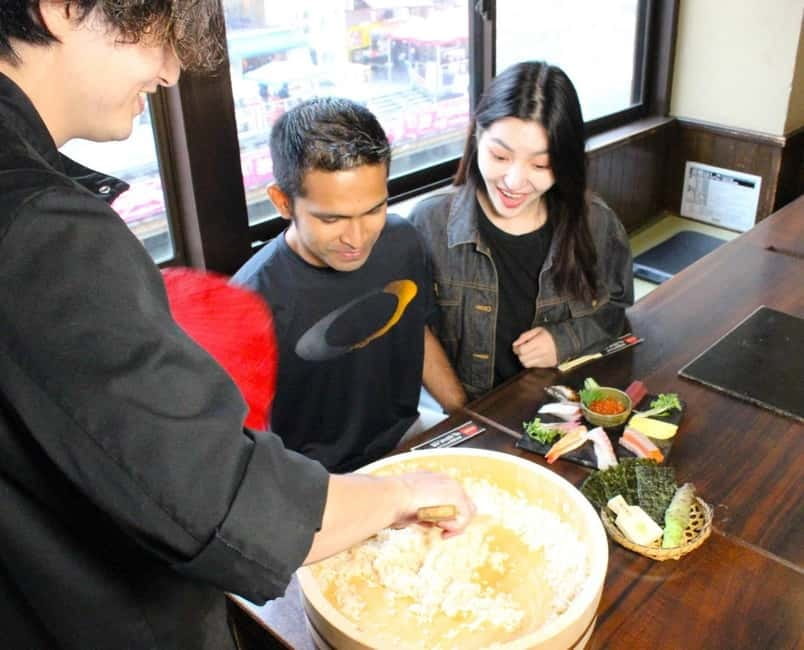
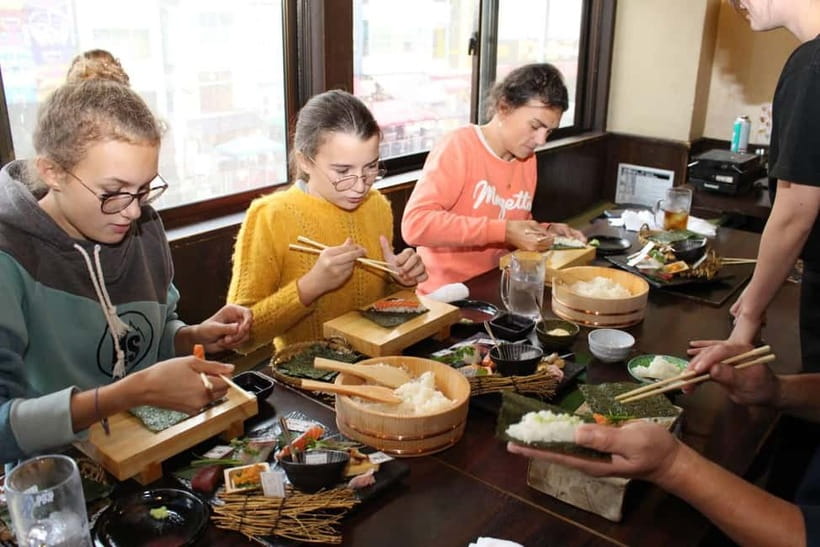
Once you start rolling, the class becomes very hands-on. You will work with the materials and tools provided, so you are not hunting for supplies. You make hand-rolled sushi step by step, and you learn what to watch for as you form the roll.
One thing I really like about the way this is set up is that it encourages you to participate without feeling rushed. And based on how the experience is described, you have options to choose from to make your rolls. That flexibility helps you tailor the roll to your taste, instead of being forced into one pre-set combination.
There is still the earlier consideration: fish choice may be limited. One person noted that they could not choose the fish personally, which can lead to disappointment if the seafood is not your favorite. The practical takeaway for you: if you have strong dislikes, think twice before signing up, because the rolling experience may be yours, but the seafood selection might be chef-driven.
Still, you also get the chance to taste what you make. The class is not purely instructional, it is meant to end with you eating your work. And you will likely appreciate how fresh the ingredients feel once you start assembling rolls yourself.
The glowing strip everyone photographs
- Osaka Local Foodie Walking Tour in Dotonbori and Shinsekai
★ 5.0 · 985 reviews - Osaka: Dotonbori District River Cruise with Drink Discount
★ 4.2 · 876 reviews - Ultimate Osaka Walking Tour: Castle, Dotonbori & Hidden Gems
★ 5.0 · 862 reviews
Flavor pairing you will remember: wasabi and soy sauce in context
This is not just “make a roll, eat a roll.” There is actual flavor coaching around pairing. The experience includes a wasabi tasting, but you also learn about how other flavors work with your hand rolls.
One detail that made a positive impression for more than one person is the chef sharing a special homemade soy sauce to pair with your custom rolls. That kind of pairing lesson is small, but it makes your final bites make more sense. You are not only tasting seafood, you are tasting a plan.
And because you are in a tatami room with a view, the final meal feels like part of the class, not a separate afterthought. You are working and eating at the same time, and that is what keeps the experience focused.
What to expect to eat, drink, and how much it feels like food
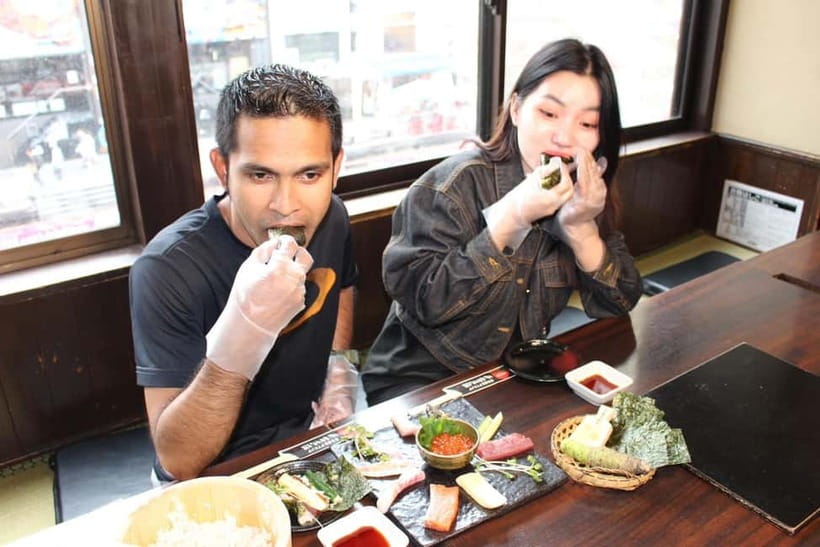
Your ticket includes one drink service, specifically a soft drink. You should plan on eating what you make during the session. The experience includes hands-on rolling, so you are not just watching someone else produce food while you snack on something unrelated.
In terms of how the food is served, it sounds like the class is designed for you to eat as you go. That can be great, because you taste the results immediately. It can also mean you do not get a big “here is everything you made” platter moment after the fact. If you are the type who wants to see a final spread, you might prefer a restaurant meal that focuses only on eating. But if you care about technique, this is built for that.
Also, the ingredients are described as seasonal seafood, which is a strong value argument. Seasonal often means fresher flavor choices, and sushi chefs in Japan tend to take seasonality seriously because that is when ingredients hit their best texture and sweetness.
Price and value: is 8,000 yen a fair deal for 2 hours?
The cost is 8,000 yen per person (tax included). In dollars, the listing summary puts it around $54, but the yen price is what you should use for budgeting.
Is it a good value? For most people, yes, because you are getting several things bundled in:
- Chef-led sushi instruction
- A sushi rice session (not just “roll this”)
- A real wasabi tasting (one of the most memorable parts)
- Hands-on hand-roll sushi making
- All materials and tools
- A soft drink
For a sushi lover, the “value” comes from the learning plus the ingredients. Many food tours give you snacks. This gives you technique you can actually repeat later, especially sushi rice mixing and the feel of forming a hand roll.
The main reason value could feel weaker is if you dislike some fish types and you cannot choose the fish. If that would put a damper on what you eat, it changes the payoff. But if you are flexible and open to what seasonal seafood looks like in Osaka, the price feels aligned with what you get.
Practical tips for a smooth Dotonbori sushi class
A few simple things can make your experience easier.
First, bring what the class suggests: hat, camera, water, and comfortable clothes. Comfortable clothes matter because you will be seated in a tatami-style room for parts of the session.
Second, plan your timing around your session start. It runs at 12 pm and 2 pm, and it is a full two hours of focused activity. If you are roaming Dotonbori before or after, leave buffer time for the stairs and finding the exact meeting spot.
Third, remember the location clue: entrance on the main street, and you are on the 2nd floor. The arcade downstairs can be loud, but the classroom area should be calmer upstairs.
Finally, if you care about photos, bring your camera ready. The tatami space with the river view is the kind of setting where good light and a steady shot make a difference.
Who this experience suits best
This is a great fit if:
- You want hands-on learning, not just eating sushi.
- You enjoy trying ingredients you might not encounter elsewhere, especially real wasabi.
- You like the idea of a class in a visually pleasant setting, with Dotonbori River views.
It might be less ideal if:
- You have strict dislikes about specific seafood, because fish choice may be limited.
- You expect a big final platter style meal rather than eating alongside the lesson.
If you are traveling with family or in a small group, the style also works well because the chef and assistant support questions and guide you through the rolling process.
Should you book this Osaka hand-roll sushi experience?
I think you should book it if you want a sushi class that mixes real technique with memorable sensory moments. The wasabi tasting and sushi rice instruction are the two reasons this experience stays with people, and the tatami river view makes the learning feel like a real break, not just an activity stop.
You should probably skip or ask extra questions first if fish choice is a dealbreaker for you. Otherwise, for 8,000 yen and a focused 2-hour session, it is a strong value way to experience Dotonbori beyond walking past neon.
Go in hungry, be flexible with seafood, and treat the rolling part like a craft project. You will leave with a better sense of why sushi tastes the way it does, not just a full stomach.
FAQ
How long is the hand-roll sushi experience?
Each session lasts two hours.
What time does the experience run?
It runs twice a day, at 12 pm and 2 pm.
Where is the meeting point and where is the activity located?
Start at 海鮮物語道頓堀店. The experience is located on the 2nd floor of Nico Building, 1-6-12 Dotonbori, Chuo-ku, Osaka, with an entrance on the main street. The activity ends back at the meeting point.
What is included in the price?
The experience includes an introduction to sushi, a sushi rice making session, a wasabi tasting, and a hands-on hand-roll sushi experience, plus all materials and tools and 1 drink service (soft drink).
Is there language support in English?
Yes, the experience is offered in English.
Do I get to choose my ingredients or fish?
You can choose from options to make your rolls, but you may not be able to choose the fish.
What should I bring with me?
Bring a hat, camera, water, and comfortable clothes.
How much does it cost, and what if I need to cancel?
It costs 8,000 yen per person (tax included). You can cancel up to 24 hours in advance for a full refund, and it offers reserve and pay later.
Just added around Osaka


Dotonbori Experiences, compared.
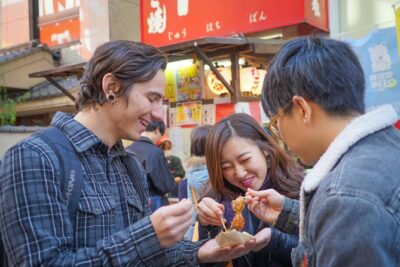
Osaka Local Foodie Walking Tour in Dotonbori and Shinsekai
Read our review →
Dotonbori District River Cruise with Drink Discount
Read our review →
Ultimate Osaka Walking Tour: Castle, Dotonbori & Hidden Gems
Read our review →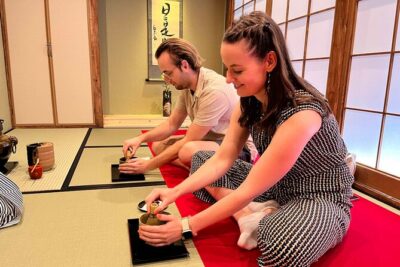
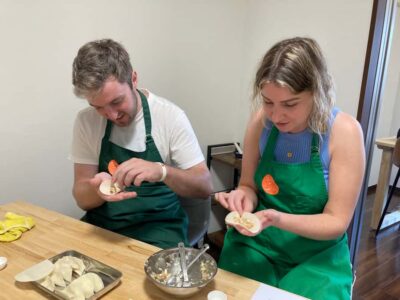
Dotonbori River Cruise with Glico Sign & Neon Views
Read our review →
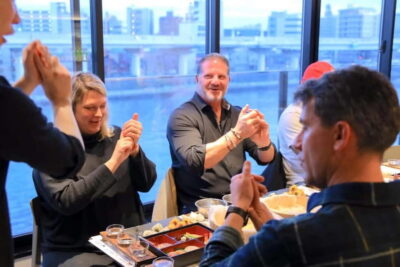
Roll and Authentic Sushi Making Class in Dotonbori
Read our review →This tour also fits