
Reviewed · SUSHI MAKING EXPERIENCES
Osaka: Sushi Making in Spacious Studio (SAME-DAY OK!)
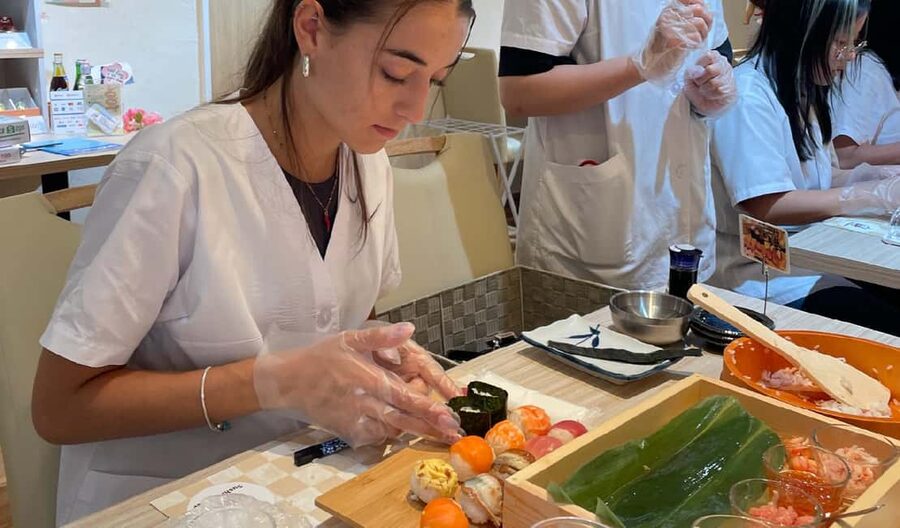
Sushi tastes better when you shape it yourself. This Osaka class pairs a spacious studio with an English-speaking instructor, so you can learn the method and relax while you work. One small catch, the meeting point can be a little tricky because the map may be misaligned and you are hunting for a narrow orange building on the second floor.
In 90 minutes near Namba Station, you’ll learn sushi rice fundamentals, build your sushi, then sit down to eat what you made, with a Sushi-Master Certificate and a small souvenir to take home.
In This Review
- Key Things I’d Bet on Here
- Finding the Orange Building Near Namba Station
- The 90-Minute Flow, From Sushi Rice to Your Plate
- What You Actually Make: Nigiri, Gunkan, and Small Variations
- English Instruction That Feels Like Coaching, Not Lectures
- Value Check: $25 for Skills, Food, and a Certificate
- Sake Pairing Ideas, and What Drinks Cost You Control
- Vegetarian Options That Don’t Feel Like an Afterthought
- Studio Comfort: Why “Spacious” Actually Matters
- Small Rules That Prevent Big Headaches
- Who This Osaka Sushi Class Fits Best
- Should You Book This Sushi Making Class in Osaka?
- FAQ
- How long is the sushi making class?
- Where is the meeting point?
- Is the class taught in English?
- Can the class accommodate vegetarians?
- What’s included in the experience price?
- Is smoking or outside food allowed?
Key Things I’d Bet on Here
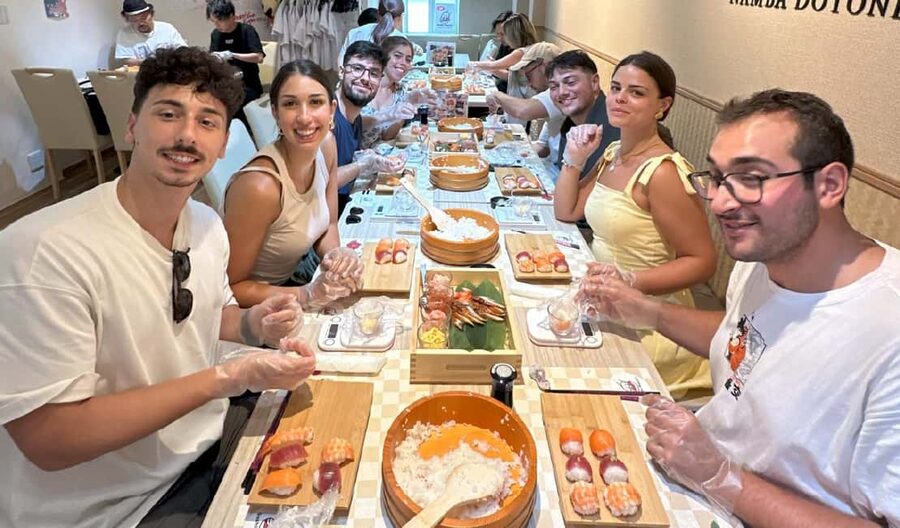
- Hands-on sushi rice practice, not just watching
- English guidance from friendly instructors like Naho, Tsuki, Seina, Aki, and Matsuri (depending on who you get)
- You eat your own work right there in class
- Two course styles (8 or 10 pieces) so you can pick your pace
- Vegetarian substitutions available if you message in advance
Finding the Orange Building Near Namba Station
This is a Namba-area class, and the location is a big part of why it works. You are about a three-minute walk from Namba Station, and that means you can realistically fit it into a day that also includes food hopping and shopping.
Your job is simple but precise: search Sushi Master Namba in Google Maps, then look for the orange narrow building. The map may be slightly off, so don’t panic if your phone points you a few steps sideways. If you get stuck, you can call 0664848070.
Learn why the rice matters most
- Sushi Making Osaka Roll and Authentic Japanese Sushi Class★ 5.0 · 1,220 reviews
- Osaka Sushi Making Experience★ 5.0 · 400 reviews
- Osaka: Roll and Authentic Sushi Making Class in Dotonbori★ 4.9 · 239 reviews
- Osaka: Sushi Class in Dotonbori★ 4.9 · 160 reviews
- Osaka Dotonbori: Sushi Making Experience★ 4.9 · 122 reviews
The 90-Minute Flow, From Sushi Rice to Your Plate
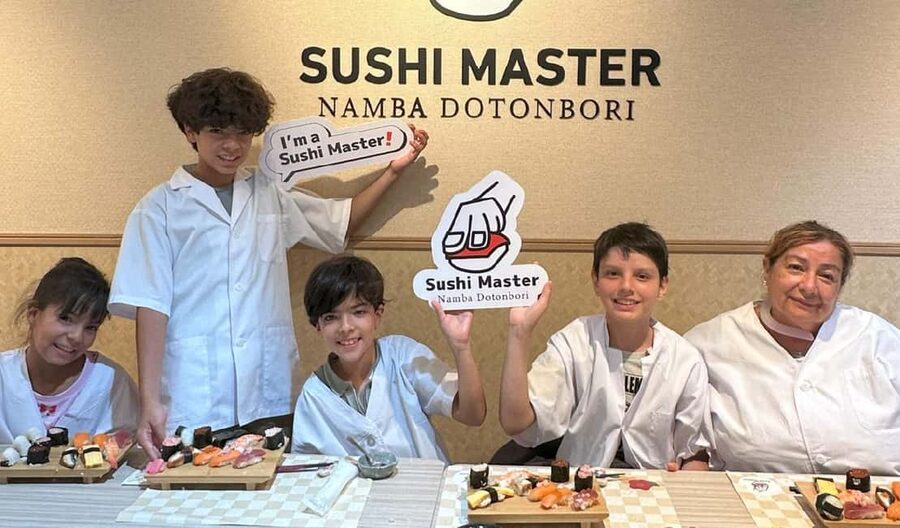
Ninety minutes sounds tight until you see how the class is organized. You get a warm welcome and an intro to Japanese food culture in English, plus a structured start that helps you know exactly what you’re doing before your hands hit the rice.
The teaching format is practical. Instructors guide you step by step, and the hosts do some prep in advance so you spend your time learning the key moves instead of waiting around. One useful detail from the experience format: you may cool prepared rice and then work on assembly, which keeps the texture right.
From there, you’ll build sushi pieces, and you’ll eat what you make. That matters because sushi is one of those foods where technique and timing change everything, and learning while the ingredients are at their best is part of the value.
What You Actually Make: Nigiri, Gunkan, and Small Variations
The core experience centers on shaping classic sushi. Several people mention making nigiri and gunkan style pieces, so you can expect to practice fundamentals like portioning rice and setting toppings neatly.
You might see slight variation depending on the specific session. One participant specifically called out temari sushi, so it’s possible some classes include a fun alternate style. The safe way to plan is to think “hands-on, traditional sushi basics,” not “only one rigid recipe.”
Also note the course options. There is a Standard course that focuses on 8 pieces, and a Premium course that focuses on 10 pieces. If you like eating the fruits of your labor (literally), the higher piece count is a nice bump.
English Instruction That Feels Like Coaching, Not Lectures
This is taught in English, with Japanese also available. The biggest theme across the experience is how friendly and patient the instructors are, especially when explaining details you might not know to ask for.
Names that show up in the instructor descriptions include Seina and Naho, plus Tsuki, Aki, and Matsuri. People repeatedly highlight that the teachers’ English is clear, and that they make it easy to keep up even if you’ve never handled sushi rice before.
What I like about this teaching style for you as a visitor: it doesn’t assume you already understand Japanese food terms. You get an intro, then coaching, then immediate use. Sushi making is one of those skills where a small correction helps fast, like how to handle rice and place toppings without wrecking the shape.
Value Check: $25 for Skills, Food, and a Certificate
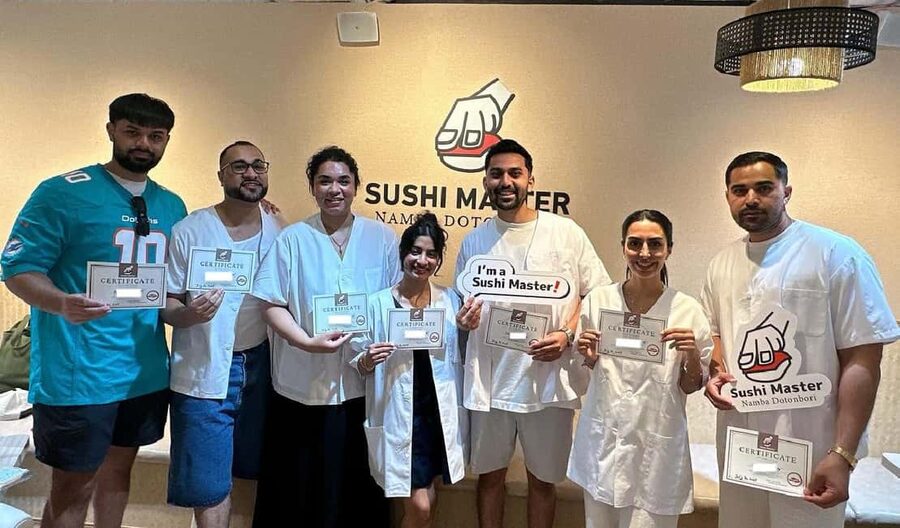
At about $25 per person for 90 minutes, the pricing makes sense when you look at what you actually receive. You’re paying for ingredients, the meals from the sushi you make, instruction in English, and end-of-class keepsakes.
Those keepsakes include a Sushi Master Certificate plus a small Japanese souvenir. It’s not about the paper certificate being magical, it’s about giving you a clear memory of what you learned and leaving with a tangible takeaway.
The food value is real too. You aren’t just sampling one tiny bite and calling it a day. You make enough sushi to feel satisfied, and the experience is designed so you eat your work soon after building it.
One more “value” note that matters in practice: drinks are not included, so you can stay in control of spending. If you want sake or soft drinks, you can order them during class.
Not ready to leave Osaka yet? A few more ways to fill the day.
- Osaka Go Karting Tour with Funny Costume
★ 5.0 · 2,658 reviews - Osaka Castle: Museum and Tower Entry Ticket
★ 4.5 · 2,380 reviews - Osaka: Shinsekai Food Tour with 13-15 Dishes at 5 Eateries
★ 4.8 · 2,204 reviews
Sake Pairing Ideas, and What Drinks Cost You Control
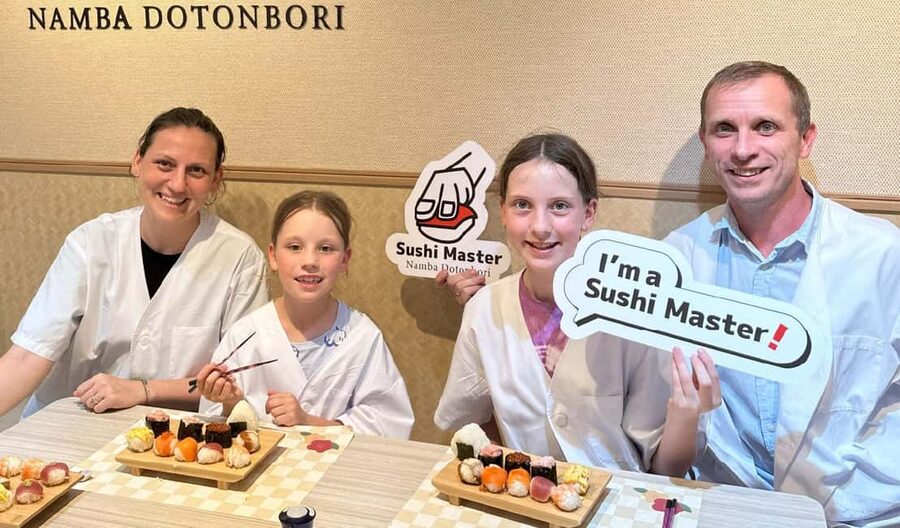
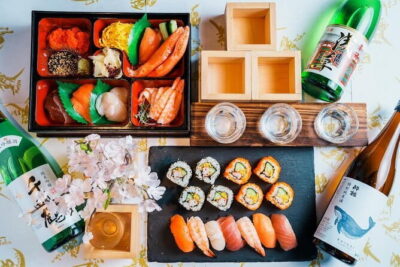
The class experience mentions enjoying your creations with carefully selected sake. At the same time, drinks are listed as not included, with the option to order soft drinks and alcohol during the class.
So here’s how I’d plan it if you want a smooth experience. Assume you’ll pay for alcohol or soft drinks separately. If you drink sake, treat it as an add-on, not a hidden included element. That way you get the fun pairing without any surprise at the end.
Vegetarian Options That Don’t Feel Like an Afterthought
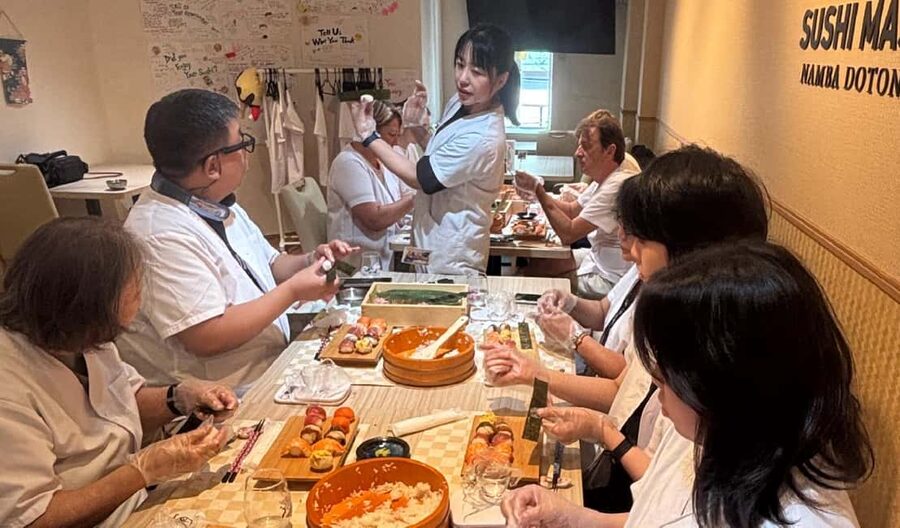
If you travel with vegetarians, this is one of the strongest practical wins. The experience states that if your group includes vegetarians, fish toppings can be replaced with vegetable-based ingredients.
The key is timing. You are asked to send them a direct message in advance if vegetarians are coming. That matters because sushi is detail-heavy, and substituting toppings needs planning to keep portions and textures workable.
If you are not vegetarian but want lighter flavors, you still benefit from this flexibility. A class that can adjust toppings tends to be more organized and thoughtful overall, and it also reduces that awkward moment where one person’s “special request” becomes the whole group’s inconvenience.
Studio Comfort: Why “Spacious” Actually Matters
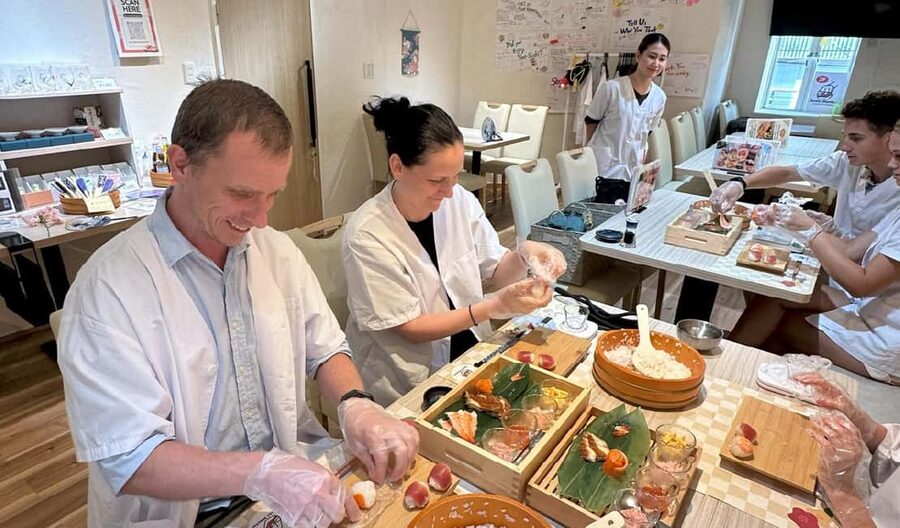
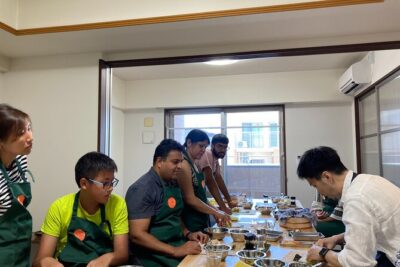
A lot of sushi classes are cramped. This one highlights a spacious classroom, and the difference shows up in how comfortable you feel when you’re working with sticky rice.
Comfort changes everything when you are learning something physical. You need space for hands, tools, and ingredients. You also want room to watch the instructor’s demonstration without feeling like you’re standing behind someone’s shoulder.
People also mention being able to ask lots of questions, which usually goes hand in hand with a setup that doesn’t feel rushed or overcrowded. Even if you’re quiet, that kind of atmosphere makes it easier to relax and learn.
Small Rules That Prevent Big Headaches
This class has a few clear boundaries. Smoking is not allowed.
You also should not bring outside food or drinks. If you have dietary needs beyond vegetarian options, you should let them know in advance about allergies. That is explicitly requested, and it’s worth doing early so they can plan ingredient substitutions properly.
If you want a drama-free session, come hungry and ready to work with your hands. The class is built around you eating what you make, and you’ll enjoy it more when you are not expecting to snack outside the set menu.
Who This Osaka Sushi Class Fits Best
This works across a wide range of travelers because the format is beginner-friendly and the teaching is in English.
- If you’re solo, it’s a skill class with a clear structure, and you still get to eat together with the group.
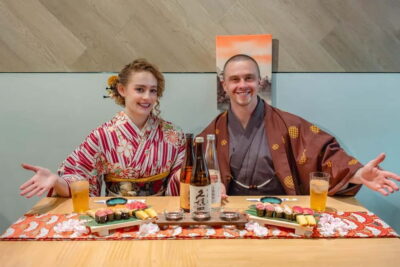
- If you’re on a date or traveling as a couple, it’s hands-on and visual, and you’ll have shared results to talk about while you eat.
- If you’re with family, the experience is described as fun and easy to follow, and it can handle different ages as long as everyone is comfortable working together at a shared station.
If you’re a die-hard food nerd, you’ll still get value because the class focuses on fundamentals like sushi rice and assembly. You won’t just hear “how sushi is made,” you’ll practice the moves.
Should You Book This Sushi Making Class in Osaka?
Book it if you want a practical, confidence-building experience in one of Japan’s most famous foods. The combination of English instruction, a spacious studio, and the fact that you eat what you make right after are the big reasons this is a smart use of time.
You might skip it if you’re the type who hates workshops and prefers to watch from the sidelines. This is hands-on, and you’ll be working with rice and toppings for the full 90 minutes.
If you do book, I’d pick the course style based on appetite. The standard 8-piece option is a solid intro, and the premium 10-piece option is great if you want to leave comfortably full and with more pieces to show off.
FAQ
How long is the sushi making class?
The class lasts 90 minutes.
Where is the meeting point?
Search Sushi Master Namba on Google Maps. The studio is on the 2nd floor of an orange narrow building, and the map may be slightly misaligned. If you have trouble finding it, you can call 0664848070.
Is the class taught in English?
Yes. The instructor uses English (and Japanese is also listed).
Can the class accommodate vegetarians?
Yes. If your group includes vegetarians, you should message in advance so fish toppings can be replaced with vegetable-based ingredients.
What’s included in the experience price?
You get sushi ingredients, you eat the sushi you make, and you receive a Sushi-Master Certificate plus a small souvenir. Drinks are not included, but you can order soft drinks and alcohol during class.
Is smoking or outside food allowed?
Smoking is not allowed. Outside food or drinks are also not allowed.
Just added around Osaka

Sushi Making Experiences, compared.

Sushi Making Osaka Roll and Authentic Japanese Sushi Class
Read our review →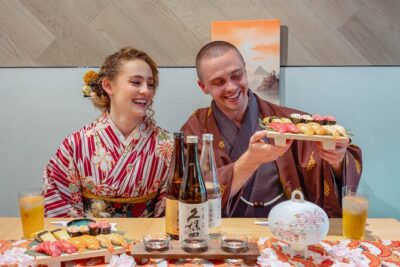
Roll and Authentic Sushi Making Class in Dotonbori
Read our review →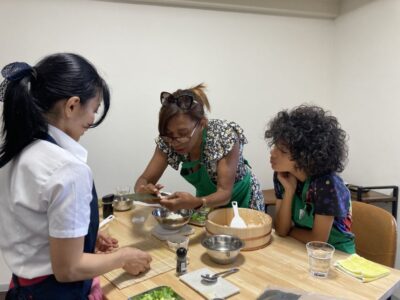
Make Sushi and Create Unforgettable Memories in Osaka
Read our review →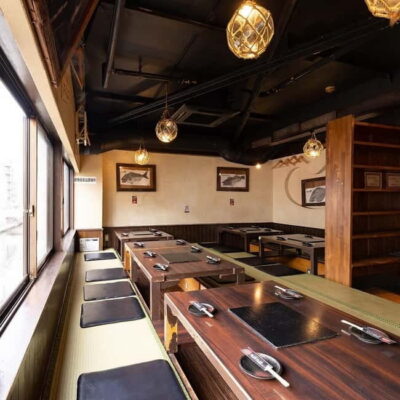
This tour also fits