
Reviewed · DOTONBORI EXPERIENCES
Osaka Dotonbori: Vegan/Vegetarian Sushi Making Experience
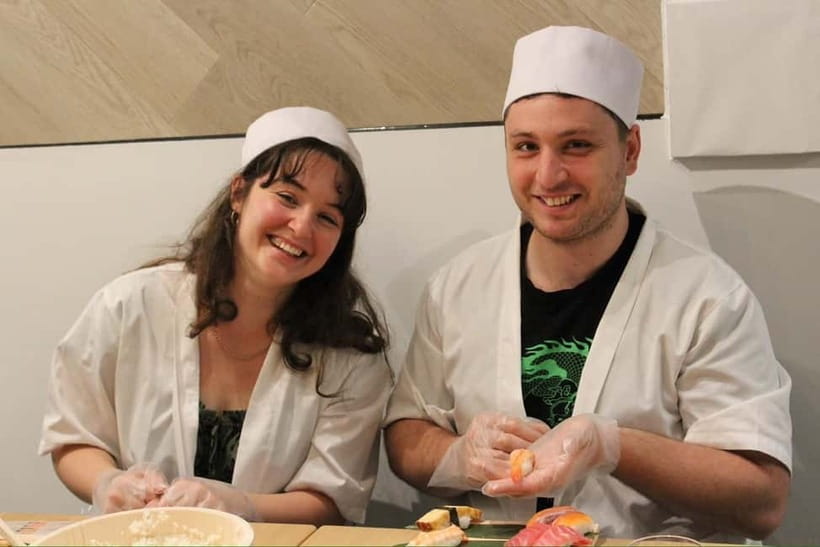
Sushi cosplay plus sushi skills in Osaka. This popular Dotonbori class teaches you how to build sushi step by step, with vegan and halal options and a fun, photo-friendly twist. I particularly like that you make a full set of sushi yourself, and the staff walk you through the technique in plain English (with guides like Yumiko and Makoto mentioned in the class team).
One thing to keep in mind: you only have 90 minutes, so it moves at a lively pace, especially if you want extra time with shaping your hand-pressed sushi.
In This Review
- Key Things You’ll Notice Right Away
- Osaka Dotonbori Vegan Sushi Making, What You’re Actually Paying For
- Where the Class Fits Into a Dotonbori Day
- Meet the Team and Start With the Sushi Basics
- Step 1: Shari (Sushi Rice) and That Vinegar Flavor
- Step 2: Shaping the Rice Ball Without Overthinking It
- Step 3: Neta Toppings, Wasabi Placement, and Assembly
- Step 4: Shaping Your Sushi With Fingers
- Eating Your Work: Sake Pairing and the Real Payoff
- Sushi Cosplay and Photos: Why It Works Instead of Feeling Forced
- Vegan and Halal Options: Built Into the Plan
- What the Sushi Master Certificate Means in Real Life
- Pace, Group Energy, and How to Get Good Results Fast
- Price Value Check: Is $45 Worth It?
- Who This Class Suits Best
- Quick Practical Tips Before You Go
- Should You Book This Osaka Dotonbori Vegan Sushi Class?
- FAQ
- FAQ
- How long is the Osaka Dotonbori sushi making experience?
- How many sushi pieces will I make?
- Is there vegan or halal sushi available?
- What languages are the instructors available in?
- What is included in the price besides sushi ingredients?
- Is free cancellation available?
Key Things You’ll Notice Right Away
- A top-rated sushi class in Dotonbori that’s designed to feel popular, friendly, and easy to join
- Make 12 pieces of sushi, not just watch, so you leave with real practice and a full meal
- Vegan and halal sushi options built into the experience, plus vegetable ingredients included
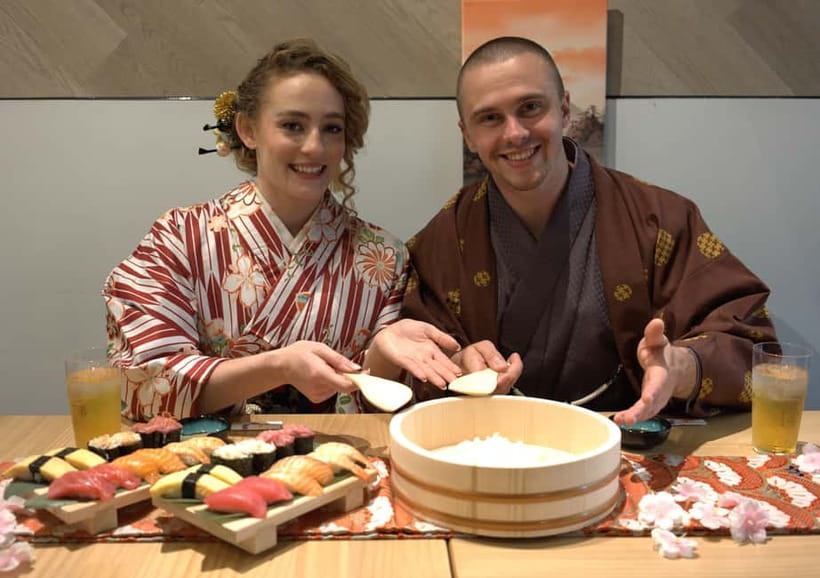
- Sushi cosplay and a photo session, so you get a silly-fun Osaka memory with your food
- Japanese sake included, served alongside what you make, so it feels like a full cultural experience
- Sushi Master certification, plus a special gift, so it feels like more than a one-off workshop
Osaka Dotonbori Vegan Sushi Making, What You’re Actually Paying For
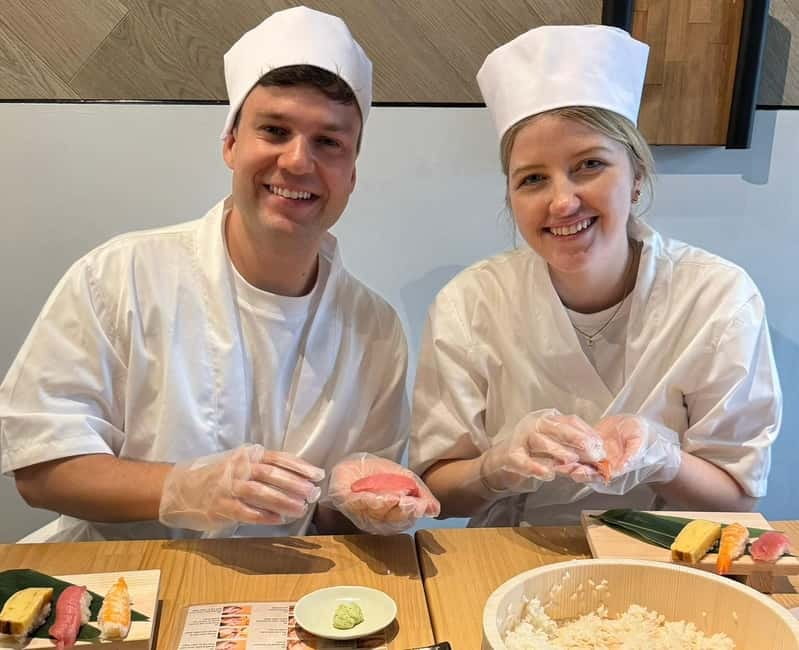
If you’re looking for a sushi experience in Osaka that feels interactive and not like a lecture, this class hits the right notes. At $45 per person for 90 minutes, you are paying for hands-on instruction, ingredients, and a structured “create and eat” flow. You also get added value from the extras: sushi cosplay, sake, and a Sushi Master certificate.
This is not just about learning sushi theory. You’re doing the real work, the stuff that actually builds confidence: rice seasoning, shaping, adding toppings, and assembling the final pieces.
And because this class offers vegan and halal sushi, it’s a rare kind of activity that fits different diets without making you feel like you’re settling for a compromise.
Learn why the rice matters most
- Sushi Making Osaka Roll and Authentic Japanese Sushi Class★ 5.0 · 1,220 reviews
- Osaka Sushi Making Experience★ 5.0 · 400 reviews
- Osaka: Roll and Authentic Sushi Making Class in Dotonbori★ 4.9 · 239 reviews
- Osaka: Sushi Class in Dotonbori★ 4.9 · 160 reviews
- Osaka Dotonbori: Sushi Making Experience★ 4.9 · 122 reviews
Where the Class Fits Into a Dotonbori Day
Dotonbori is all about walking, shopping, neon energy, and stopping for street food. A sushi-making class works well here because it gives you a break from constant wandering. You get a seated, guided activity that still feels very “Osaka,” just in a different lane.
This experience also has a practical advantage: you can skip the ticket line, so you spend your time learning and eating instead of waiting. That matters in a busy area where queues can eat into your evening.
If you plan your day smart, you can do this after lunch or early evening, then head back out into Dotonbori with a satisfied stomach and a story worth sharing.
Meet the Team and Start With the Sushi Basics
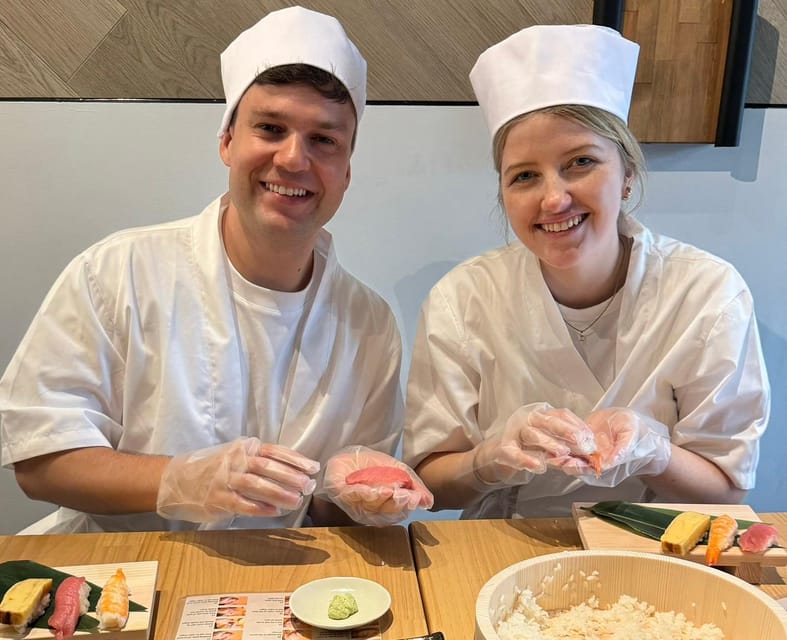
Your first minutes are about getting oriented. The instructors explain what sushi is, what the key ingredients are, and how the process works. This is where the class earns its “popular” reputation. The teaching style is built for English speakers, and the steps are laid out clearly enough that you can follow without previous sushi experience.
You’ll typically see staff members like Yumiko and Makoto described as friendly and helpful. That matters because sushi is part food, part technique. When someone watches you while you work, you avoid the most common beginner problems, like rice that’s too sticky or pieces that don’t hold together.
Step 1: Shari (Sushi Rice) and That Vinegar Flavor
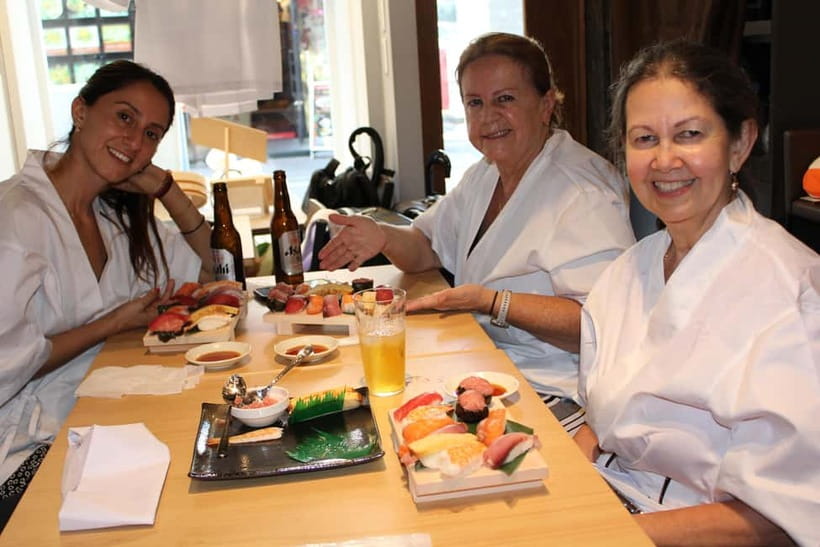
The class starts with making shari, the sushi rice base. You’ll pour sushi vinegar over the rice. This is one of those steps that sounds simple but is actually a big deal. The vinegar gives the rice its signature tang and balance, and it also affects how the rice behaves when you handle it.
Here’s what I’d pay attention to as a learner:
- Make sure the vinegar is evenly distributed, not just dumped in one spot
- Handle the rice gently so it doesn’t clump in a way that makes shaping difficult
- Focus on consistency, because the rest of the process depends on the rice texture
This part sets you up for better results later when you shape your rice balls. If the shari step goes wrong, everything after is harder.
Step 2: Shaping the Rice Ball Without Overthinking It
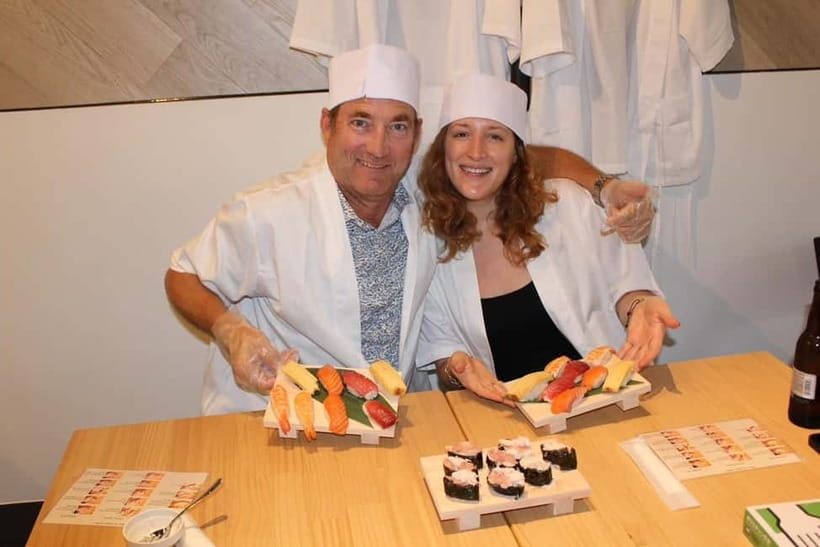
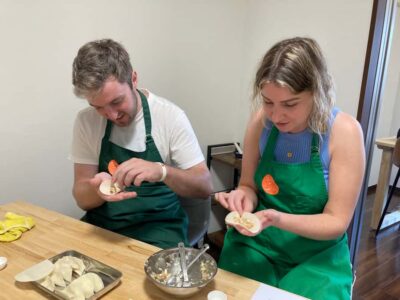
Next comes shaping. You’ll make rice balls and form the base for your sushi. This is hands-on time, and it’s where many people realize sushi making is more about feel than perfect geometry.
The goal is a stable base, something that holds its shape but still feels like sushi, not a rice brick. The instructors explain the technique and then help you adjust while you work.
If you’ve ever watched people roll sushi at home and thought, That looks hard, it’s helpful to remember this: sushi schools simplify the learning curve. You get a repeatable sequence instead of improvising with no guidance.
The glowing strip everyone photographs
- Osaka Local Foodie Walking Tour in Dotonbori and Shinsekai
★ 5.0 · 985 reviews - Osaka: Dotonbori District River Cruise with Drink Discount
★ 4.2 · 876 reviews - Ultimate Osaka Walking Tour: Castle, Dotonbori & Hidden Gems
★ 5.0 · 862 reviews
Step 3: Neta Toppings, Wasabi Placement, and Assembly
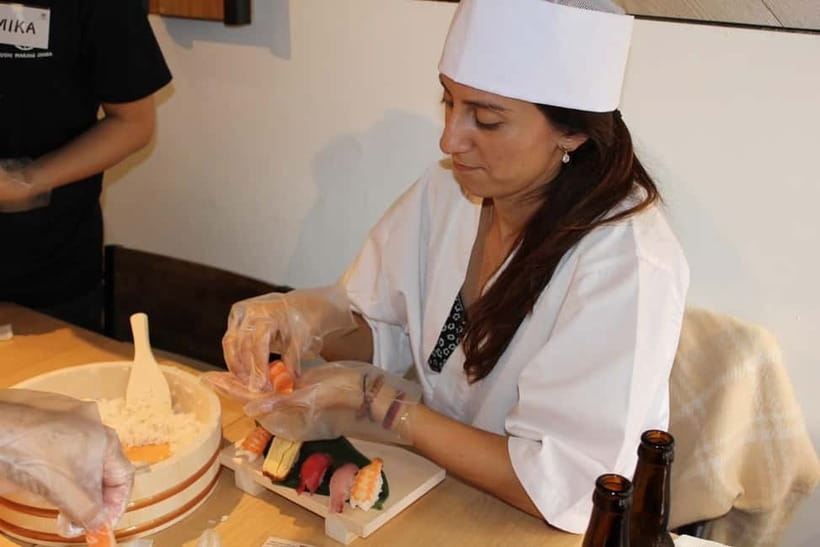
Now you move to the toppings, called neta. The process is very clear:
- Put the neta together with the shari.
- Add wasabi to the neta (as taught in class), then connect it with the rice.
This is a clever detail because wasabi placement can be tricky if you’ve only seen it on the side of sushi. The class teaches a practical approach that makes the flavor work in the finished bite.
If you’re eating vegan or halal versions, you’ll still build the same structure: rice base, topping placement, and then the final shaping. The ingredients are provided, and the class is designed so you can follow the same workflow even with dietary substitutions.
Step 4: Shaping Your Sushi With Fingers
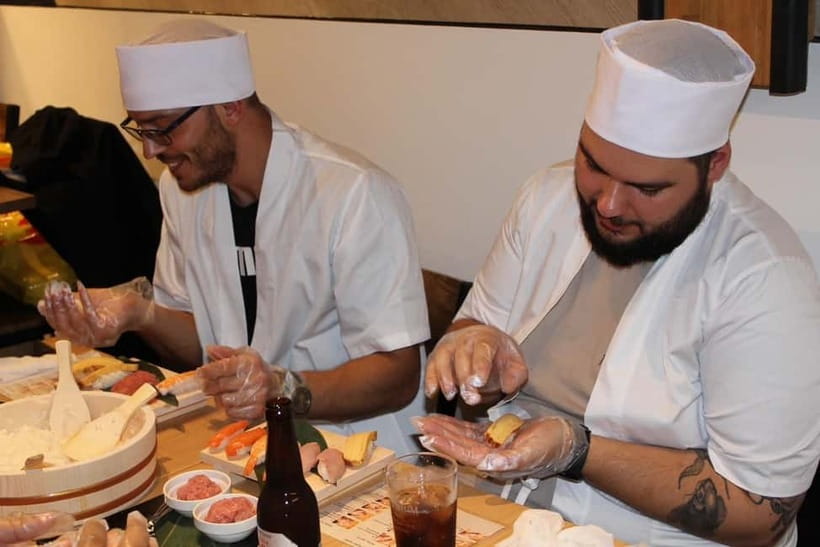
Final shaping is where everything comes together. You’ll use your fingers to shape the sushi into its finished form. This is the moment where you go from “I made parts” to “I made sushi.”
And the instructors don’t just hand you a mold and walk away. They show you what you’re aiming for, then keep an eye on your technique. That hands-on coaching is what makes a workshop like this worth it, instead of feeling like a casual cooking demo.
Also, because you’re making 12 pieces, you get repetition. Repetition is the teacher here. By the time you reach later pieces, your rice handling and assembly feel smoother.
Eating Your Work: Sake Pairing and the Real Payoff
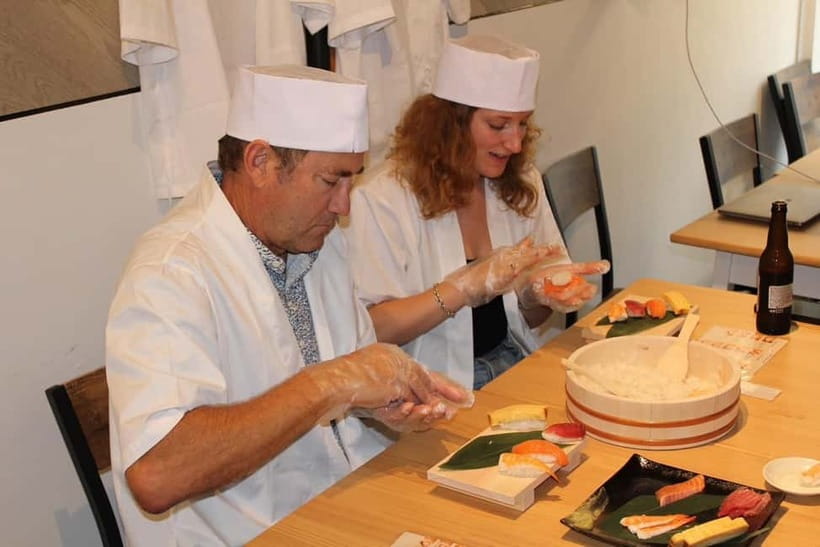
After the building stage, you enjoy what you made. The experience includes Japanese sake with your sushi, which turns the class into a proper sit-down snack or light meal.
This is a nice value point for the money. Many sushi experiences are mostly photo ops with little real food. Here, you’re doing real cooking steps and then tasting the results. If you enjoy food education, you get both the process and the payoff.
One practical note: sake can make the experience feel more festive, so if you’re sensitive or traveling with plans afterward, pace yourself.
Sushi Cosplay and Photos: Why It Works Instead of Feeling Forced
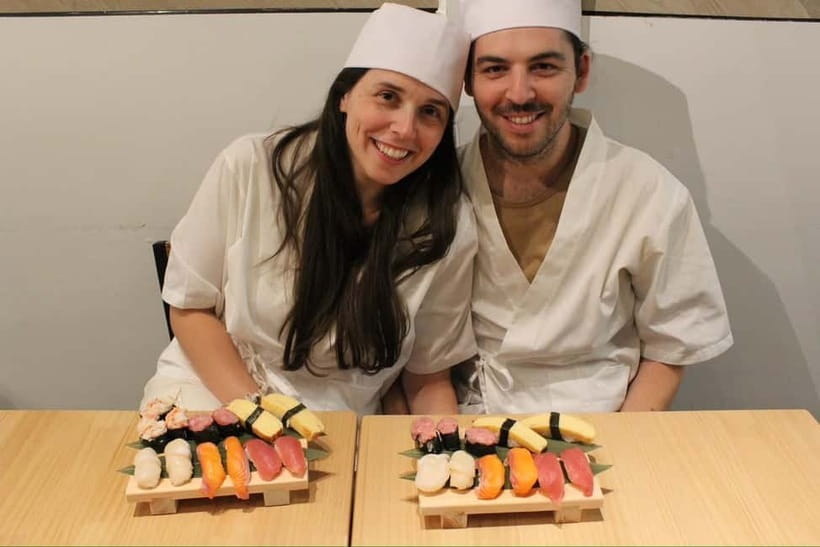
The class includes sushi cosplay and a photo session. This is one of those “extra” activities that could feel silly, but in practice, it helps you relax. Once you’re wearing something goofy and fun, it’s easier to enjoy the process instead of worrying about messing up.
It also makes the class more memorable for groups and families. One of the experiences’ strengths is that it feels friendly for different ages, including kids, because it stays playful while still teaching real technique.
If you like taking quick, low-pressure photos, this portion is built for that. It’s a simple way to turn a food lesson into a souvenir you can actually use.
Vegan and Halal Options: Built Into the Plan
A big reason people choose this class is that dietary needs are handled directly. The experience offers vegan and halal sushi, and the class includes vegetable ingredients for the 12 pieces you make.
That means you’re not stuck with a “special order” that slows the group down. The structure is the same, and you still learn the same core steps: vinegar-seasoned rice, shaping, topping assembly, and final formation.
If you’re traveling with someone who eats vegan or halal, this kind of class is genuinely useful. It makes the experience feel shared instead of segregated.
What the Sushi Master Certificate Means in Real Life
You’ll receive a certification of Sushi master. This is not a culinary license or a professional credential, but it matters because it gives your learning a neat wrap-up. It’s a simple way to turn the activity into a finished accomplishment, not just a time slot you booked.
You’ll also get a special gift, which adds to the “experience” feeling. When you factor in the certificate and the included items, the price feels more reasonable.
Pace, Group Energy, and How to Get Good Results Fast
Because the class is 90 minutes, you’ll want to be mentally ready for a guided sprint. The steps are sequential, and once you fall behind on one part, it can ripple into the rest of your sushi.
Here’s how to make it easier:
- Listen once to the step explanation, then start immediately
- Ask a quick question early if your rice is too sticky or too firm
- Don’t aim for perfect looks, aim for pieces that hold together
- Treat the first few pieces like practice, not a performance
The staff teach kindly and keep the flow moving, so don’t overthink. You’re meant to leave with confidence and something to eat.
Price Value Check: Is $45 Worth It?
At $45 per person, this class is built around a strong value recipe:
- You make 12 pieces yourself
- You get vegan/vegetarian-friendly sushi options
- You get Japanese sake
- You get sushi cosplay, photos, and a certificate
- Vegetable ingredients are included, so you are not paying extra for substitutes
What you’re not paying for is a fancy restaurant bill. You’re paying for guided technique plus a structured souvenir-like finish.
If your goal is learning a few authentic skills and eating what you make, it’s a fair deal. If your only goal is sightseeing time, then it might feel like a fixed commitment. But if you like hands-on food experiences, it’s a solid use of time in Osaka.
Who This Class Suits Best
This experience is a great match if you want:
- A hands-on Osaka activity that includes food you actually eat
- Vegan or halal sushi options that don’t feel like an afterthought
- A fun group-friendly format with cosplay and photos
- An English-led class where steps are explained clearly
It’s also smart for families and kids, since the structure feels playful while still being instructional.
If you’re the type who loves cooking shows and wants to try the real hands-on version, this will likely feel satisfying.
Quick Practical Tips Before You Go
You didn’t ask for packing advice, but this kind of workshop is easiest if you plan your body for it:
- Be ready to get a little messy with rice
- Wear something comfortable for sitting and shaping
- Keep your phone handy for photos, but expect some parts to focus on hands-on work
- If you drink sake, go slow so you stay steady for the later steps
Also, in Dotonbori, plans can get crowded. This is one place where skipping the ticket line helps you keep your schedule sane.
Should You Book This Osaka Dotonbori Vegan Sushi Class?
Yes, if you want a fun, instruction-led sushi-making session that actually teaches you how to assemble sushi pieces, not just watch someone else do it. The combination of making 12 pieces, enjoying sake, and adding sushi cosplay plus a Sushi Master certificate gives you more than a typical cooking class.
Book it especially if:
- You need vegan or halal-friendly food built into the class
- You want a memorable Osaka activity that works for groups or families
- You like step-by-step teaching and hands-on practice
Skip it if:
- You hate timeboxed activities and want unlimited practice
- You prefer sushi tasting only, without shaping and assembly work
FAQ
FAQ
How long is the Osaka Dotonbori sushi making experience?
The class lasts 90 minutes.
How many sushi pieces will I make?
You will make 12 pieces of sushi.
Is there vegan or halal sushi available?
Yes. Vegan and halal sushi options are available, and vegetable ingredients for the sushi are included.
What languages are the instructors available in?
The class is taught in English.
What is included in the price besides sushi ingredients?
You get sushi cosplay, Japanese sake with your sushi, a certification of Sushi master, and a special gift.
Is free cancellation available?
Yes. You can cancel up to 24 hours in advance for a full refund.
More Food in Osaka
- Osaka: Shinsekai Food Tour with 13-15 Dishes at 5 Eateries★ 4.8 · 2,204 reviews
- Osaka Food Tour: 13 Dishes at 5 Local Eateries★ 5.0 · 2,149 reviews
- Hungry Osaka Street Food Tour:15 Tastings & 3 Drinks with a Local★ 5.0 · 1,727 reviews
- Hungry Osaka Street Food Tour: 15 Dishes & 3 Drinks★ 4.9 · 694 reviews
Just added around Osaka



Dotonbori Experiences, compared.
Osaka Local Foodie Walking Tour in Dotonbori and Shinsekai
Read our review →
Dotonbori District River Cruise with Drink Discount
Read our review →
Ultimate Osaka Walking Tour: Castle, Dotonbori & Hidden Gems
Read our review →
Dotonbori River Cruise with Glico Sign & Neon Views
Read our review →

Roll and Authentic Sushi Making Class in Dotonbori
Read our review →This tour also fits