
Reviewed · RAMEN MAKING CLASSES
Osaka: Gluten-Free Ramen and Gyoza Cooking Class
Ramen from scratch, gluten-free, in a home kitchen. I like that this Osaka class is taught in a local Japanese home, where gluten-free ramen and gyoza are made from the start, not assembled from packaged shortcuts. With Yuki as the sole instructor, you get step-by-step guidance as you learn the exact textures that make wheat-free noodles and crispy dumplings work.
I really like two parts. First, the class stays small, limited to 4 participants, so you can get hands-on help when you’re mixing, shaping, and folding. Second, you’re not only making ramen, you’re making choices: both soy sauce ramen and a tomato ramen variation, plus the gyoza wrappers and dumplings.
One consideration: this is a cooking session in a residential-style space, so wear comfortable clothes and plan on being hands-on for the full 3 hours. If you want a quick photo stop, this isn’t that kind of activity.
In This Review
- Key Highlights You’ll Actually Use Later
- Osaka’s Gluten-Free Ramen and Gyoza Class, Taught Like a Real Kitchen Lesson
- Getting There From Nukata Station: A Quiet Osaka Neighborhood, Easy to Find
- The 3-Hour Flow: Noodles, Broth, Wrappers, and the Perfect Gyoza Pan-Fry
- Step 1: Gluten-Free Ramen Noodles, Trained for Chew
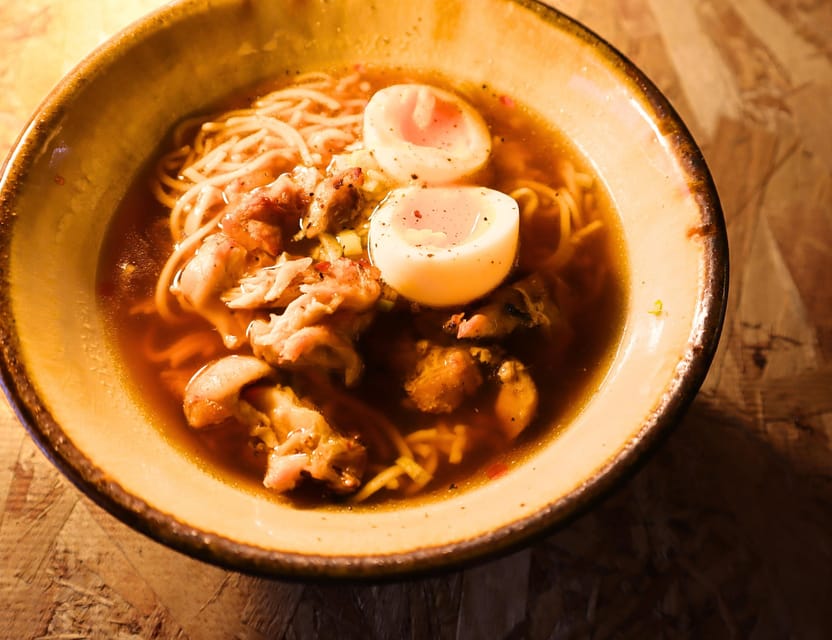
- Step 2: Soy Sauce Ramen, Built as a Savory Base
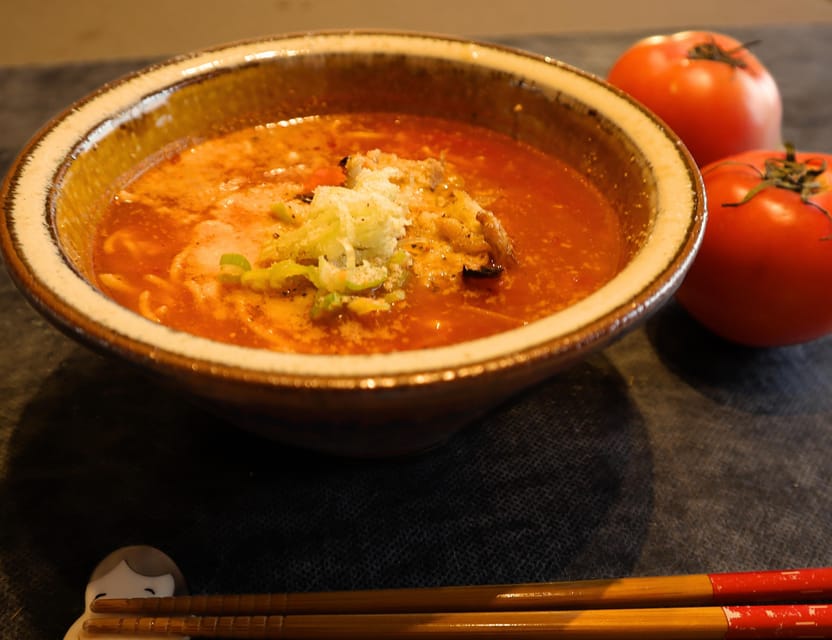
- Step 3: Tomato Ramen, a Modern Twist That Still Feels Japanese
- Step 4: Gyoza Wrappers, Rice Flour Version
- Step 5: Filling, Folding, and Pan-Frying for Crispy Dumplings
- Why the Rice-Flour Lessons Matter for Gluten-Free Cooking at Home
- Soy Sauce vs Tomato Ramen: Two Flavor Paths, One Set of Techniques
- Soy Sauce Ramen: Learn the Classic Base
- Tomato Ramen: A Tangy Twist You Can Build On
- Gyoza Wrappers and Folding: The Small Skill That Makes a Big Difference
- The Meal You Cook: Eat Together, Then Leave With Recipes and Tips
- Optional Sake Pairing: When to Choose It and How It Fits the Meal
- Who This Class Is For, and Who Might Skip It
- Price and Value: What You Pay for (and Why It’s Not Just a Meal Ticket)
- Should You Book This Gluten-Free Ramen and Gyoza Class in Osaka?
- FAQ
- How long is the Osaka gluten-free ramen and gyoza cooking class?
- How many people are in the group?
- Where do I meet for the class?
- What will I cook during the class?
- Is a full meal included?
- What should I bring?
- Is transportation included to the venue?
- FAQ
- Is sake pairing available?
Key Highlights You’ll Actually Use Later
- Rice-flour ramen noodles from scratch, trained for that chewy texture without gluten
- Two ramen styles: classic soy-based ramen plus a tomato ramen twist
- Gluten-free gyoza wrappers made from rice flour, not store-bought substitutes
- Crispy gyoza pan-frying, with practical folding and cooking control
- A full meal you cook, so the best part comes right at the end
Osaka’s Gluten-Free Ramen and Gyoza Class, Taught Like a Real Kitchen Lesson
This is the kind of Osaka food experience I recommend when you want more than tasting. You get to leave with technique. That matters, because gluten-free ramen can be tricky, and dumplings can fail if the wrappers and folds are off.
The class is led by Yuki (yuki Japanese cooking class), with a solo instructor format. The teaching is designed for international guests, and you’ll find the instruction in English, with plenty of support that also reflects Japanese cooking know-how. Yuki brings over 10 years of professional culinary experience, plus more than a year teaching international guests, so the pace is built for people who might be standing at a stove for the first time.
What you’re making is specific and practical: gluten-free ramen noodles, soy sauce ramen, tomato ramen, gyoza wrappers, and gyoza dumplings. The goal is that you can recreate the flavors and textures later at home, even with gluten-free ingredients.
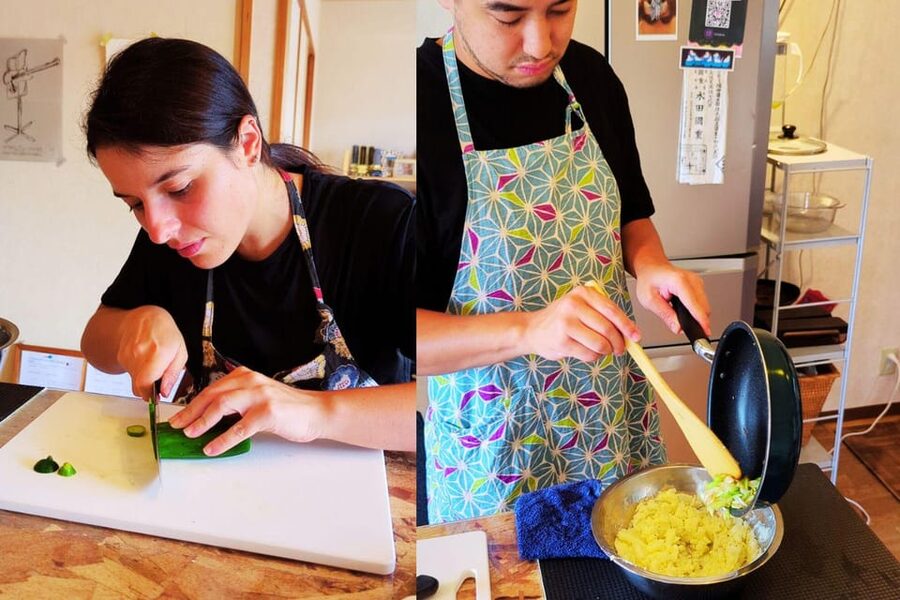
Also, the setting helps. This is not a classroom. It’s a cozy, intimate, traditional-style home kitchen where you’ll cook together, then sit down to eat what you made.
Build a bowl from the broth up
- Osaka: Five Must-See Highlights Walking Tour & Ramen Lunch★ 4.7 · 411 reviews
- Osaka: Ramen and Gyoza Cooking Class in Dotonbori★ 5.0 · 378 reviews
- Ramen and Gyoza Cooking Class in Osaka★ 5.0 · 202 reviews
- Walking Tour of Osaka’s 5 Must-See Sights, with Ramen for Lunch★ 5.0 · 158 reviews
- Cooking Ramen&Gyoza/KatsuCurry/Bento/Okonomiyaki+Store Tour@Osaka★ 5.0 · 138 reviews
Getting There From Nukata Station: A Quiet Osaka Neighborhood, Easy to Find
Your meeting point is 4-19 Nukata-cho, Osaka, about a 5-minute walk from Nukata Station. That short walk is a big deal in Japan, because it keeps the start of your day simple. You don’t need a long transit puzzle to arrive hungry and ready to cook.
The venue is described as an easy-to-find residential-style building with a welcoming sign at the entrance. You’re stepping into a quiet neighborhood, so it feels calm and local, not like a tourist strip.
One practical tip: plan to arrive a little early. Residential areas have fewer landmarks than stations, and the quicker you get settled, the more relaxed you’ll feel when cooking starts.
The 3-Hour Flow: Noodles, Broth, Wrappers, and the Perfect Gyoza Pan-Fry
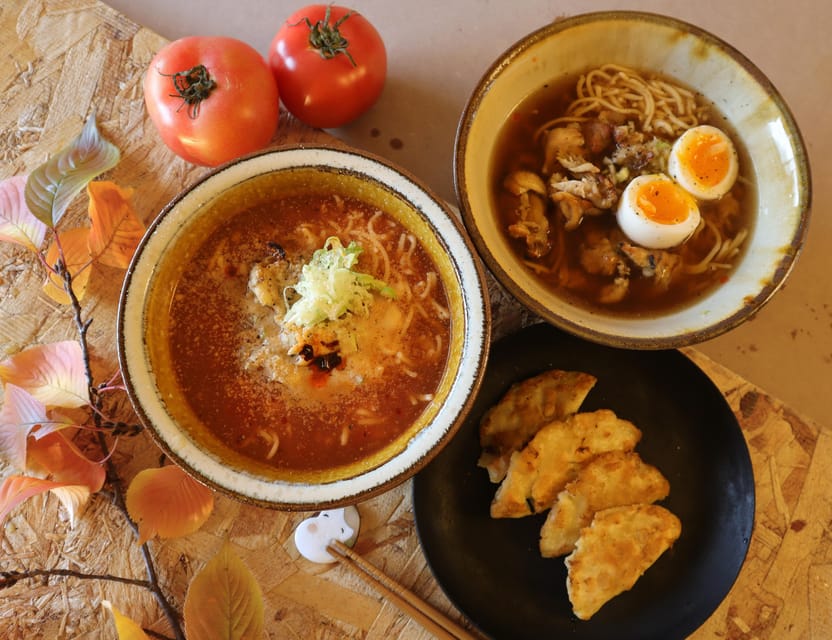
The schedule is built around a logical food order: dough first, then noodles and sauces, then wrappers, then dumplings, then dinner. You’ll rotate through prep tasks with Yuki guiding you through the texture targets and timing.
Here’s the most important thing to know about the 3 hours: it’s hands-on the whole way. You’re not watching a demo and waiting. You’re actively making the components that go into the final meal.
Step 1: Gluten-Free Ramen Noodles, Trained for Chew
You start with the noodles. The class uses rice flour to make ramen noodles from scratch. The key lesson is how to reach that chewy texture without gluten, because rice flour behaves differently than wheat.
In practice, you’re learning techniques you can repeat later: how the dough should feel as it comes together, how it holds shape, and what to watch for so the noodles don’t turn brittle or gummy.
If you’re new to cooking, you’re in luck. No prior cooking experience is required. Still, you’ll want a calm mindset. Gluten-free noodle success often comes down to small adjustments in handling and timing.
Step 2: Soy Sauce Ramen, Built as a Savory Base
Next comes a classic backbone: soy sauce ramen. You’ll make a rich, savory broth that pairs with your handmade noodles.
This is one of my favorite parts of the class because soy sauce ramen is a foundational Japanese flavor. You learn how the broth gets depth from seasoning and balance, then how it works once it meets your noodles.
Even if you don’t cook ramen often, understanding the structure of the broth helps you make other Japanese-style soups and sauces later.
Other ways to spend a day in Osaka
- Osaka Cooking Class: Okonomiyaki &Japanese cuisines experience
★ 5.0 · 261 reviews - Osaka Sake Tasting with Takoyaki Cooking
★ 5.0 · 156 reviews - Osaka Sake Tasting & Takoyaki Cooking Experience
★ 5.0 · 149 reviews
Step 3: Tomato Ramen, a Modern Twist That Still Feels Japanese
After soy sauce ramen, you make tomato ramen. The class frames it as a modern twist that can be refreshing and tangy, and it’s less common, which makes it a fun skill to learn.
This isn’t just flavor variety. It teaches you how to think about ramen as a platform: you can change the direction and still keep that ramen identity by pairing the right broth behavior with noodles and toppings.
If you like experimenting in the kitchen, this step turns the class from a one-off ramen lesson into a flexible cooking approach.
Step 4: Gyoza Wrappers, Rice Flour Version
Then you shift to gyoza. You’ll craft gluten-free gyoza wrappers from rice flour, again from scratch.
Wrappers are where many dumpling attempts fail. Too thin or uneven and they tear. Too thick and you lose that tender bite. This class treats wrapper-making as a skill, not an afterthought.
Step 5: Filling, Folding, and Pan-Frying for Crispy Dumplings
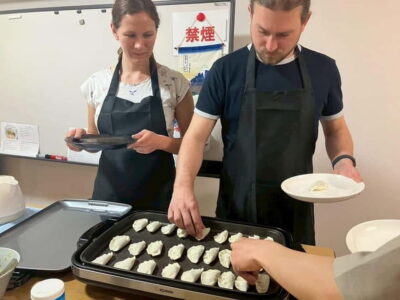
Once the wrappers are ready, you make the filling and fold the gyoza. Yuki teaches you the folding method, then you pan-fry until the dumplings are golden with a crispy outside.
This is the part that feels like a mini workout for your hands. And it’s also where the small group size really pays off. When you get stuck on folding or cooking, you can get direct correction so you don’t waste the batch.
At the end, you’ve got dumplings that match the look and texture you expect from good gyoza.
Why the Rice-Flour Lessons Matter for Gluten-Free Cooking at Home
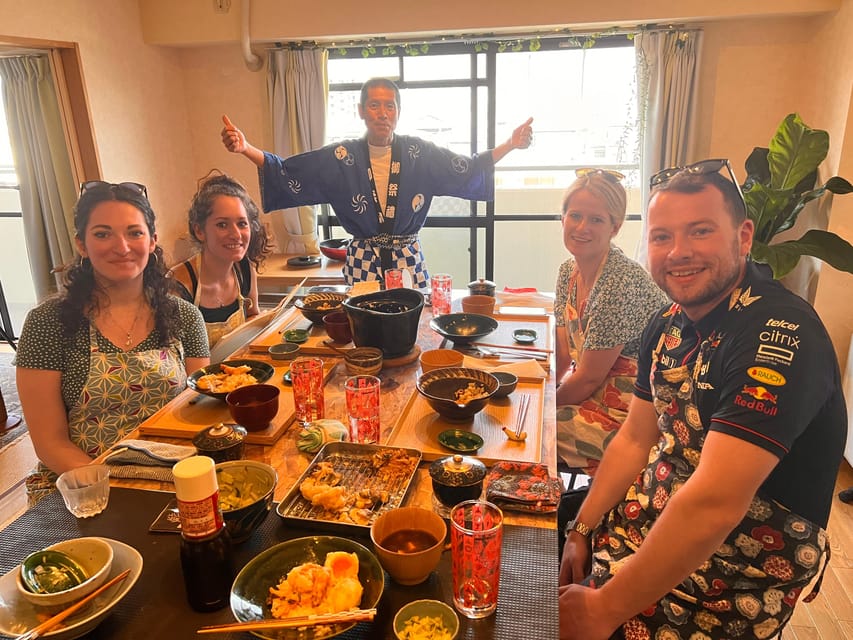
Gluten-free ramen can be a letdown if you treat it like the same process as wheat noodles. The main value in this class is that it teaches you texture, not just recipe steps.
You’re learning to create chewy ramen noodles using rice flour. That matters because rice flour is often prone to either becoming too soft or too fragile depending on how it’s handled. You’ll work through the feel of the dough and the noodle result, so you understand what to aim for.
You’ll also learn parallel texture thinking with gyoza wrappers. Wrappers don’t just need to taste right. They need strength and flexibility for folding and pan-frying. Making wrappers from rice flour keeps you from relying on store products, and it teaches you what makes gluten-free wrappers behave.
Even if you never cook ramen often, these lessons transfer. You’ll start recognizing how gluten-free dough hydration and handling influence structure, and you’ll be less afraid to attempt gluten-free dumpling wrappers later.
Soy Sauce vs Tomato Ramen: Two Flavor Paths, One Set of Techniques
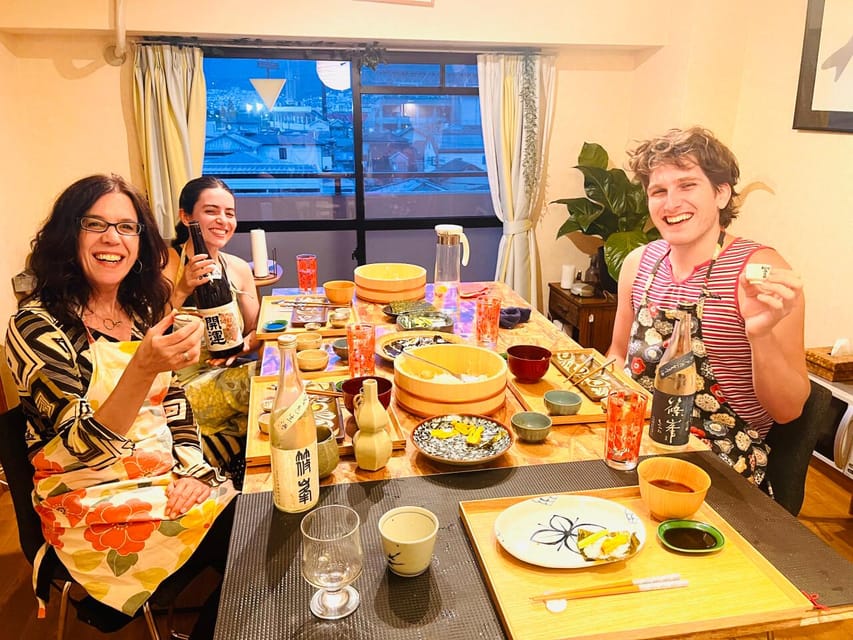
I like that you don’t just learn one ramen. You learn two directions.
Soy Sauce Ramen: Learn the Classic Base
Soy sauce ramen is a favorite for a reason. It’s salty, savory, and deeply comforting. In class, you make the broth to pair with your noodles, so you learn the relationship between the soup and the noodle texture.
That’s a practical skill. The moment you cook your own ramen noodles, you’ll notice that your noodles taste and behave differently than packaged noodles. Pairing them with a broth you understand makes the whole bowl come together.
Tomato Ramen: A Tangy Twist You Can Build On
Tomato ramen adds a tangy, slightly modern angle. The class positions it as rare in Japan, which makes it feel special without feeling like a gimmick.
From a cooking perspective, tomato ramen teaches you how to adjust flavor intensity and balance. It’s useful if you like experimenting or if you’re trying to get kids or picky eaters interested in ramen flavors without relying on pure soy.
The practical win: you’re learning that ramen isn’t one flavor. It’s a noodle and broth system you can personalize.
Gyoza Wrappers and Folding: The Small Skill That Makes a Big Difference
Gyoza is deceptively simple. Your dumplings can taste great but still disappoint if the wrapper seals poorly or the pan-fry doesn’t create the right crisp.
This class focuses on two areas:
- Making the gyoza wrappers from rice flour
- Learning the folding and pan-frying steps for that crispy outside
The folding part is where you build confidence quickly. In a group limited to 4, you get enough repetition to feel the technique settle. You also get correction early enough that one messy fold doesn’t ruin the whole batch.
Then comes the pan-fry. You’re aiming for golden color and crisp texture while keeping the inside tender. That requires timing and heat control, not just luck.
By the time you sit down to eat, you’ll understand what makes restaurant-style gyoza work, and you can try again at home with fewer disappointing results.
The Meal You Cook: Eat Together, Then Leave With Recipes and Tips
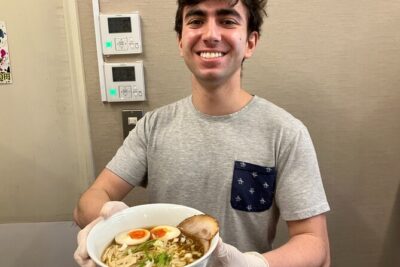
The best part is that your work turns directly into dinner. After cooking, you gather in a cozy dining area and eat your homemade ramen and gyoza.
Yuki guides you through the flavors and how the pieces work together, including how sake pairing enhances each dish if you choose it. That matters because ramen and gyoza are all about balance. The right bite is noodle plus broth, or dumpling plus crisp plus filling, plus whatever you sip alongside.
You also receive recipes and tips. That is where the class becomes useful long after your Osaka day ends. If you want to re-create gluten-free ramen noodles and dumplings at home, having a clear recipe and method notes saves you time and guesswork.
If you’re the type who buys ingredients for one great meal and then forgets what you did, this is the kind of class that helps you keep the thread.
Optional Sake Pairing: When to Choose It and How It Fits the Meal
There’s an optional sake pairing. If you take it, you’ll enjoy three 45ml servings: two chilled sakes (Junmai and Junmai Ginjo) and one warm Junmai.
Even if you don’t know sake styles, this pairing structure is logical for food. Chilled sake tends to feel clean and refreshing with savory dishes, while warm sake can feel rounder with comfort foods.
The class frames the pairing as a way to complement the flavors of your ramen and gyoza. You’ll likely notice how the sip changes the perceived saltiness and richness of the broth and filling.
If you prefer to keep your meal simple or you don’t drink alcohol, you can likely skip this. But if you do drink, it adds an extra layer of Japanese dining culture right at the table.
Who This Class Is For, and Who Might Skip It
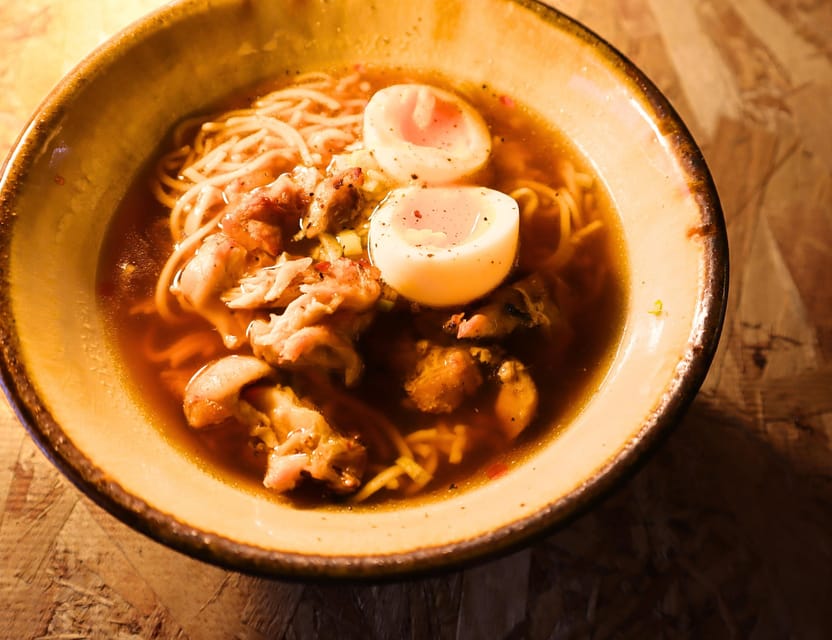
This class is a good fit if you want:
- A hands-on cooking experience, not a passive show
- Gluten-free instruction that focuses on texture and technique
- A small-group setting with personal attention
- A full meal built from your own cooking, so you end with dinner, not leftovers
It’s also a great option if you enjoy learning how Japanese flavors are built, like soy-based broth and the logic behind ramen variations.
It might not be ideal if:
- You have mobility or stamina limits for cooking tasks during the 3 hours
- You mainly want to taste Osaka street food rather than cook
- You’re expecting a large commercial space or a big group energy
One note from the activity info: it is not suitable for people over 95 years.
Price and Value: What You Pay for (and Why It’s Not Just a Meal Ticket)
The price is $103 per person for a 3-hour class. That’s not cheap for Osaka, but the value makes sense when you look at what’s included.
You’re paying for:
- A personal instructor as the sole teacher
- Small-group attention limited to 4 participants
- Hands-on creation of multiple dishes from scratch: noodles, broth, wrappers, and dumplings
- Recipes and tips you can take home
- A full meal of your creations
A big part of the value is the scale and the focus. Many food experiences feed you. This one teaches you. When you can recreate gluten-free ramen noodles and gyoza wrappers later, you turn one meal into repeatable skill.
Also, gluten-free cooking adds complexity. Using the right approach for rice flour noodles and wrappers is not trivial, and this class is designed specifically for that goal.
If you’re gluten-free and want authentic Japanese comfort food without compromises, this is one of the more practical ways to learn, rather than simply hunt for gluten-free ramen bowls.
Should You Book This Gluten-Free Ramen and Gyoza Class in Osaka?
Book it if you want a true kitchen skill, not just a meal. The small group limit, the hands-on prep, and the fact that you make both ramen and gyoza from scratch makes this a strong choice for food lovers, especially anyone who cooks gluten-free.
Skip it if you prefer watching chefs rather than working at a stove, or if you want a low-effort tasting experience. This is cooking time, and the fun comes from doing.
If you decide to go, come hungry in both senses: hungry for food, and hungry for learning texture and technique. Wear comfortable clothes, and be ready to take home recipes you can actually use.
FAQ
How long is the Osaka gluten-free ramen and gyoza cooking class?
The class lasts 3 hours.
How many people are in the group?
It’s a small group limited to 4 participants.
Where do I meet for the class?
The meeting point is 4-19 Nukata-cho, Osaka, a short 5-minute walk from Nukata Station.
What will I cook during the class?
You’ll make gluten-free ramen noodles, soy sauce ramen, tomato ramen, gluten-free gyoza wrappers, and gyoza dumplings.
Is a full meal included?
Yes. You’ll enjoy a full meal of your creations after cooking.
What should I bring?
Wear comfortable clothes suitable for cooking, and come hungry.
Is transportation included to the venue?
No. Transportation to the venue is not included.
FAQ
Is sake pairing available?
Yes, there is an optional sake pairing with three 45ml servings: two chilled (Junmai and Junmai Ginjo) and one warm Junmai.
More Workshops in Osaka
- Sushi Making Osaka Roll and Authentic Japanese Sushi Class★ 5.0 · 1,220 reviews
- Matcha Making Class in Osaka with Authentic Japanese Sweets Set★ 5.0 · 509 reviews
- Osaka: Roll and Authentic Sushi Making Class in Dotonbori★ 4.9 · 239 reviews
- Osaka: Sushi Class in Dotonbori★ 4.9 · 160 reviews
Just added around Osaka


Ramen Making Classes, compared.

Five Must-See Highlights Walking Tour & Ramen Lunch
Read our review →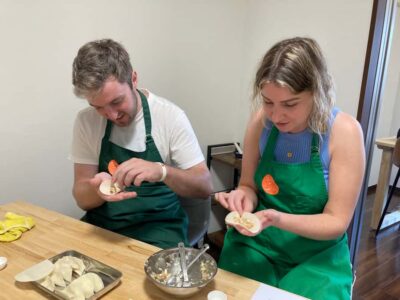

Walking Tour of Osaka’s 5 Must-See Sights, with Ramen for Lunch
Read our review →
Cooking Ramen&Gyoza/KatsuCurry/Bento/Okonomiyaki+Store Tour@Osaka
Read our review →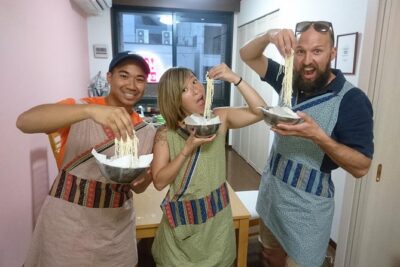
This tour also fits