
Reviewed · TEA CEREMONY & MATCHA EXPERIENCES
Tea Ceremony and Calligraphy Experiences in Osaka
Osaka gives you calligraphy and tea in one go. In Namba, you get private instruction that walks you through both Japanese calligraphy and a hands-on tea ceremony, so you are not just watching from the sidelines. I like that the schedule is flexible by request, and you can take photos whenever you want.
The two biggest wins for me are the one-on-one feel and the way the instructor helps you make choices. You pick a calligraphy theme and words, then you choose colored paper, write your name in Japanese characters, and finish with a stamp. For tea, you learn how to make the tea yourself, select a bowl that matches your mood, and enjoy matcha with Japanese sweets.
One consideration: it is a private, instructor-led session for about 2 hours, so you need to plan it like an actual appointment, not a quick stop between trains. Also, solo travelers may feel the per-person cost more than people booking as a pair or small group.
In This Review
- Key highlights you’ll care about
- Why Namba is a smart base for tea and calligraphy
- Meeting point and how the session starts smoothly
- Calligraphy lesson: theme first, then technique, then your finished piece
- Tea ceremony lesson: make matcha, then choose a bowl for your mood
- What makes this feel truly private (and why it matters)
- Price and value for a 2-hour private session
- Tips to get better results during calligraphy
- Tips to enjoy the tea ceremony more
- Who should book this Osaka experience
- Should you book tea ceremony and calligraphy in Namba?
- FAQ
- Where does the tea ceremony and calligraphy experience start?
- How long does the experience last?
- Is this a private experience?
- What happens during the calligraphy lesson?
- What happens during the tea ceremony lesson?
- Are there activities for children?
- Do I get a mobile ticket?
- When do I receive confirmation?
- Is the meeting point near public transportation?
- What is the cancellation policy?
Key highlights you’ll care about
- Private tea and calligraphy in the center of Osaka (Namba area, near Shinsaibashi-suji)
- You choose your calligraphy theme and can share your favorite letters and words
- Colored paper selection plus finishing details (name in Japanese characters, initials stamp)
- Hands-on matcha with a bowl choice based on how you feel
- Japanese sweets included during the tea ceremony time
- Kids 4 to 5 can do water calligraphy free (water instead of ink)
Why Namba is a smart base for tea and calligraphy
If you are in Osaka for shopping and sightseeing, Namba is usually where your feet already end up. That matters, because this experience starts at Nishishinsaibashi, Chuo Ward, and it is described as being near public transportation. In plain terms: you spend less time transferring across town and more time doing the cultural stuff.
What I like about the location choice is that it pairs well with the kind of day you probably already planned. You can do this as a calm reset after moving around Osaka’s shopping streets. And because it is private, the pace stays comfortable even if you are tired from walking.
This is also a “two cultures in one place” setup. You are working on calligraphy with a guided structure, then switching gears to tea where you learn the process and get to practice it yourself. That combination is a nice way to see how Japanese arts can feel both formal and personal.
Brush strokes that take a lifetime to master
- Osaka: Private Japanese Calligraphy Experience★ 5.0 · 66 reviews
- Calligraphy Workshop in Namba, Dotonbori★ 5.0 · 57 reviews
- Learning Zen of Japanese Calligraphy in kimono near Osaka Castle★ 4.5 · 53 reviews
- Osaka: Private Tea Ceremony and Calligraphy Experience★ 5.0 · 50 reviews
- Samurai dress-up and shows, plus Tea Ceremony & Calligraphy★ 5.0 · 27 reviews
Meeting point and how the session starts smoothly
The meeting point is listed at Japan, 〒542-0086 Osaka, Chuo Ward, Nishishinsaibashi, 1-chōme−10−32 ブルーム心斎橋. It also says the activity ends back at the meeting point, so you are not left searching for a final train stop far from where you started.
Plan to arrive a bit early, even if the area is easy to reach. Private experiences run on instructor timing, and having a few extra minutes helps you settle in without rushing. The good news is that the tour is positioned as easy to access from the Shinsaibashi-suji shopping area, which is a common landmark for visitors.
Once you arrive, you are guided by a friendly instructor. The key detail is that it is only your group. No mixing with strangers means you can ask questions, pause when you need a breath, and get the instructor’s full attention.
Calligraphy lesson: theme first, then technique, then your finished piece
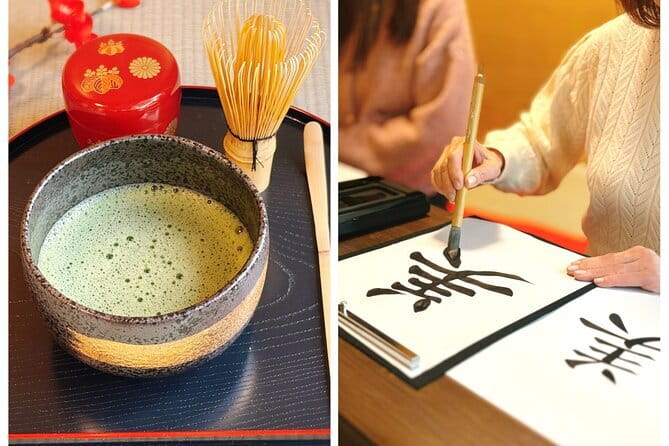
Calligraphy here is built around you making choices. You start by selecting the theme you want to write that day. You can tell the instructor your favorite letters and words. If you are not sure what to write or how to express your idea in Japanese, the instructor can suggest the best Kanji.
That “theme first” approach is more useful than it sounds. It turns calligraphy from a generic souvenir activity into something personal. If you pick a word that actually matters to you, you will pay attention to the details, and the final piece will feel more like your own work.
After your theme is chosen, you get a detailed lecture about basic practices to apply. Then comes the practical part: you choose your favorite piece of colored paper from the available types. Next, you finish by writing your name in Japanese characters and stamping your initials.
If you are traveling with kids, there’s a smart option built in. Children age 4 to 5 can try water calligraphy for free. It uses water instead of ink, and it is framed as a free activity for them. The instructions also say children can draw freely, which is a big relief if you want them included without turning the experience into a strict classroom moment.
Potential drawback for adults: calligraphy asks for focus. If you are arriving from a long day and you want something strictly casual, this may feel more like a workshop than a quick photo stop.
Tea ceremony lesson: make matcha, then choose a bowl for your mood
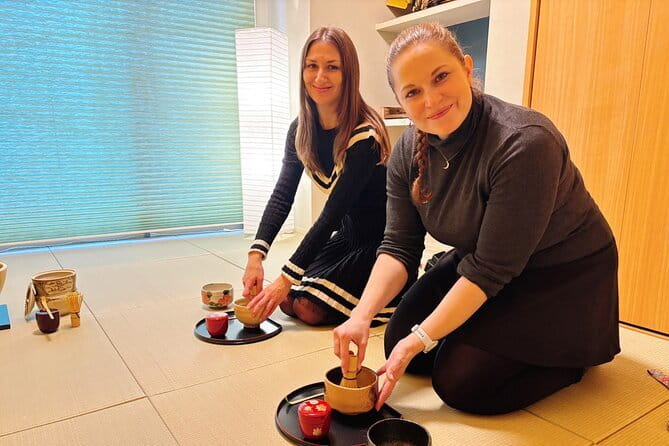
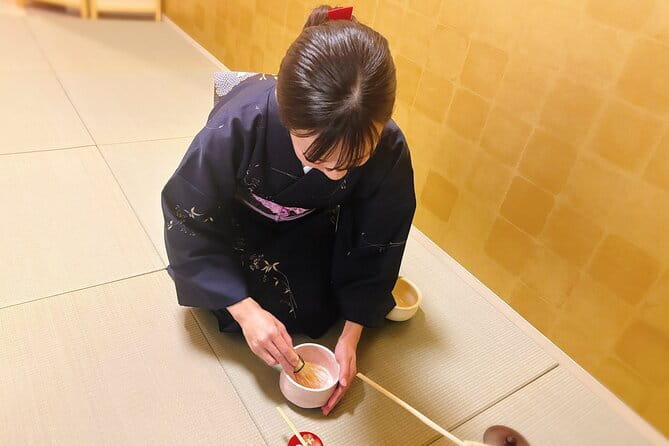
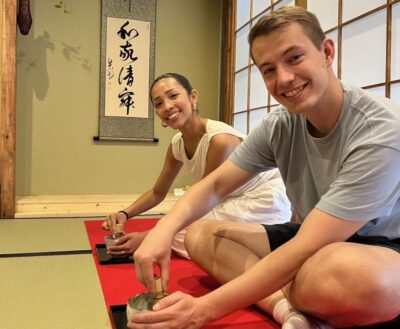
The tea ceremony portion is hands-on, not just a demonstration. You learn how to make the tea and then try making it yourself. That is the part that usually makes tea experiences worth the time, because you come away understanding the rhythm and effort involved.
Before you get fully into making the tea, you get a choice: pick one that expresses your feelings today from among several attractive bowls. That small decision changes the whole feeling of the moment. It turns the tea ceremony from a scripted routine into something reflective, even if you are just visiting for the day.
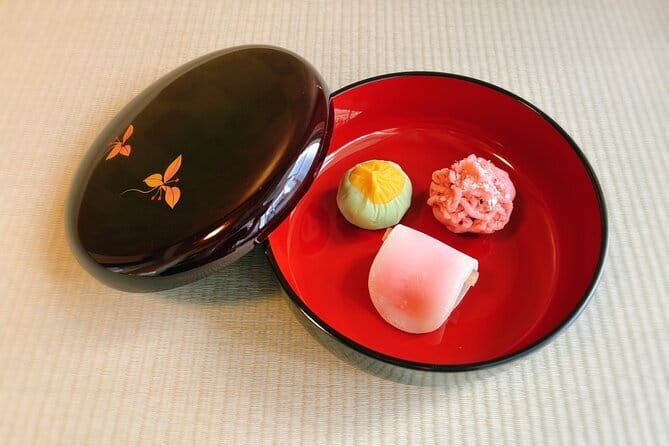
You can also enjoy Japanese sweets and matcha during the tea time. If you have never done anything like this before, the instructions explicitly say not to worry, and you will get a relaxing, enjoyable time that aims at good memories.
A helpful way to think about this section: it is not only about taste. Tea ceremony is also about attention, and doing it yourself is how you learn that “attention” part. When you physically whisk, pour, and then taste, you understand the method instead of only admiring the utensils.
One practical tip: keep your expectations realistic. Two hours is enough for guided learning and participation, but it is not a long formal training session. Go in ready to learn the basics and make something you can actually take pride in.
What makes this feel truly private (and why it matters)
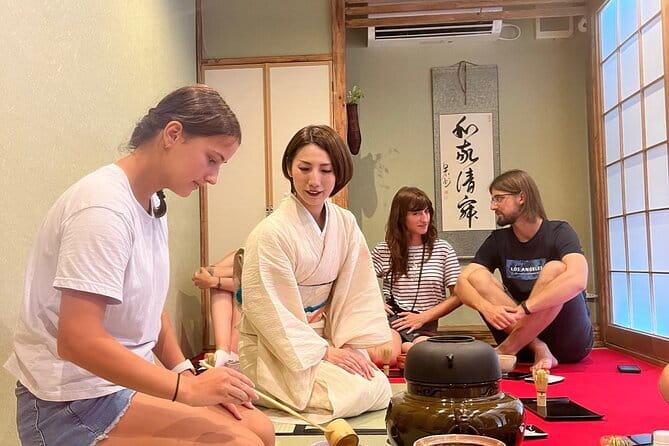
This is a completely private experience, meaning only your group participates. The setup also says you can take photos anytime and make adjustments toward your satisfaction. That combination matters because it removes two common travel frustrations: being rushed and feeling like you are intruding on a group flow.
It also says the instructor can carefully assess participants. In practice, that usually means the teaching adapts to your comfort level. If you are nervous about writing, you still get structure. If you are curious about what you are seeing and tasting, you have time to ask questions.
One especially praised aspect is the instructor experience. The feedback you can draw from is that the teacher was phenomenal and that her English was exceptionally clear, which made it easier to ask questions about tea ceremony and Japanese life. Even if your Japanese is limited, that kind of clarity can turn the experience from “doing steps” into real understanding.
Also, your schedule can be arranged according to your request. You may not need that flexibility, but it is valuable if you want a specific order or you are coordinating the timing with other plans.
Slow down for a bowl of matcha
- Osaka: Tea Ceremony Experience
★ 4.9 · 1,426 reviews - Tea Ceremony Experience in Osaka Doutonbori
★ 5.0 · 754 reviews - Matcha Making Class in Osaka with Authentic Japanese Sweets Set
★ 5.0 · 509 reviews
Price and value for a 2-hour private session
The price is listed at $70.78 per person for about 2 hours. At first glance, that might feel like a “splurge” versus free sightseeing. But the value comes from the format.
Here is what you are paying for:
- Private instruction rather than a shared group workshop
- Two distinct activities in one session: calligraphy and tea ceremony
- Hands-on participation (you make the tea yourself)
- A crafted takeaway experience: you write your name and stamp your initials on chosen paper
- Included elements during tea, including matcha and Japanese sweets
- Photo-friendly pacing, since you are not forced to follow a group schedule
In other words, you are not paying only for the art objects. You are paying for time with an instructor and the guided steps to help you complete something rather than just watch.
The one place where you should be honest with yourself is time. Two hours can fly, and if you are trying to stack many activities back-to-back, you may not feel relaxed. If you treat it like a proper block on your calendar, the cost tends to feel more fair.
Tips to get better results during calligraphy
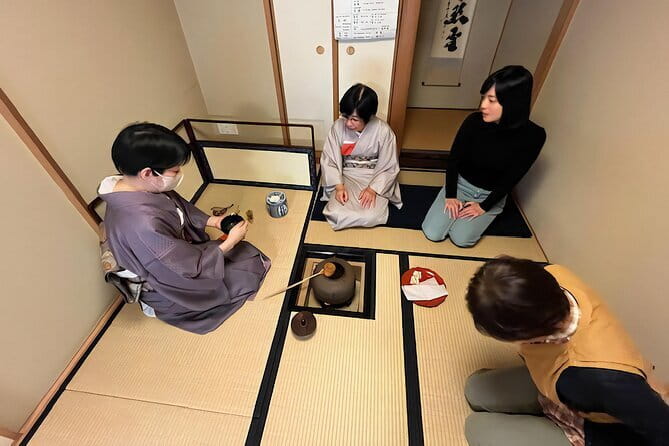
You will do better if you arrive with a simple idea. Think of one word or short theme that you truly like, even if you do not know the Kanji yet. The instructor can suggest the best Kanji, but having your meaning ready helps.
Also, consider your end product. You will write your name in Japanese characters and stamp your initials. If you have questions about how your name is rendered in Japanese, bring that to the instructor. Clear communication helps you leave with something you feel comfortable displaying at home.
Finally, choose the colored paper with your final vibe in mind. The experience encourages you to pick a piece you like from the options, so do not just pick something pretty. Pick something that matches the word you wrote and the mood you want.
Tips to enjoy the tea ceremony more
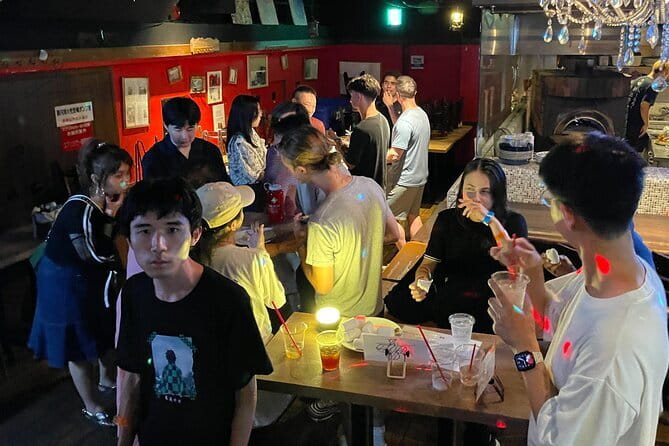
During tea, you will make tea yourself and choose a bowl that fits your feelings. That bowl selection is a great moment to slow down. Take the time to think about the feeling you want to associate with your cup, even if it is as simple as calm, gratitude, or a fresh start after a busy travel day.
If you are asked to pick among bowls, do not overthink it. A quick, honest choice is usually best.
With matcha and Japanese sweets included, pace yourself. Taste the sweets first if you like, but also save a bit of attention for the matcha taste itself. The best part of learning tea is noticing the difference between tasting it casually and tasting it after you prepared it.
Who should book this Osaka experience
You should book this if you want a structured cultural lesson that still feels personal. It fits especially well for:
- Couples or friends who want a shared memory they helped create
- Travelers who like hands-on activities more than museum time
- People who want to ask questions about tea and Japanese life without a language barrier
- Families with kids age 4 to 5, since water calligraphy is free for that age range per adult
You might skip or adjust expectations if:
- You hate writing tasks and you want something purely visual
- You have almost no time, because the experience is about 2 hours and you start at a specific meeting point
- You are extremely budget focused, since the private format increases per-person cost
Should you book tea ceremony and calligraphy in Namba?
If you want one of those rare travel moments where you create something real, this is a strong choice. The private setup, the ability to choose your calligraphy theme and tea bowl, and the hands-on tea making all work together. You also get a guided, not stressful, experience even if you are a total beginner.
I would book it if you can protect the time block and go in ready to participate. If you want a calmer cultural activity that doubles as a souvenir you will actually keep, this one earns its place on an Osaka day.
FAQ
Where does the tea ceremony and calligraphy experience start?
It starts at Japan, 〒542-0086 Osaka, Chuo Ward, Nishishinsaibashi, 1-chōme−10−32 ブルーム心斎橋.
How long does the experience last?
The duration is approximately 2 hours.
Is this a private experience?
Yes. It is a private tour/activity, and only your group will participate.
What happens during the calligraphy lesson?
You select a calligraphy theme, share your favorite letters and words, and the instructor can suggest the best Kanji. Then you receive guidance on basic practices, choose colored paper, write your name in Japanese characters, and stamp your initials.
What happens during the tea ceremony lesson?
You learn how to make tea, then try making it yourself. You also choose a bowl that expresses your feelings today, and you can enjoy Japanese sweets and matcha.
Are there activities for children?
Yes. Children aged 4 to 5 can try water calligraphy for free using water instead of ink. The experience notes that one child aged 4 to 5 per adult can be booked, and children in that age range should be included in the reservation count.
Do I get a mobile ticket?
Yes. The experience includes a mobile ticket.
When do I receive confirmation?
Confirmation is received at the time of booking.
Is the meeting point near public transportation?
Yes, it is described as near public transportation.
What is the cancellation policy?
Free cancellation is available. You can cancel up to 24 hours in advance of the experience for a full refund. If you cancel less than 24 hours before the start time, the amount paid is not refunded.
Just added around Osaka

Tea Ceremony & Matcha Experiences, compared.
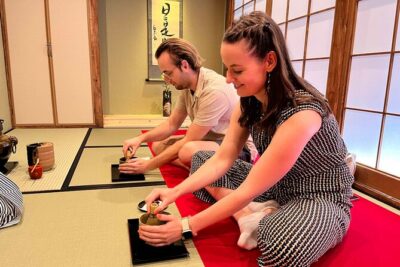
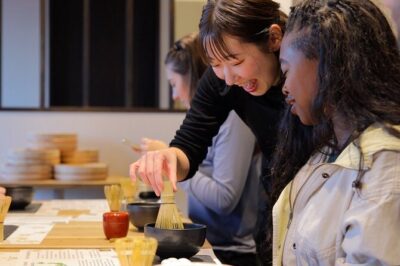
Matcha Making Class in Osaka with Authentic Japanese Sweets Set
Read our review →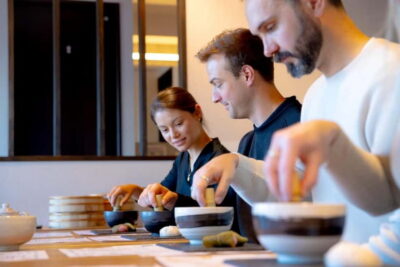
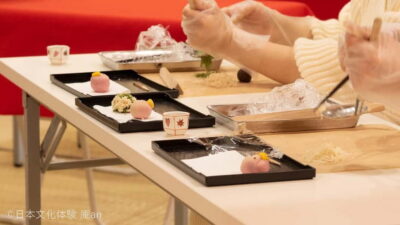
Japanese Traditional Sweets Making and Tea Ceremony
Read our review →
Osaka Temple Cool Foot Bath & Matcha Experience〈45min〉
Read our review →
Samurai Show, Tea Ceremony, Japanese Traditional Activities
Read our review →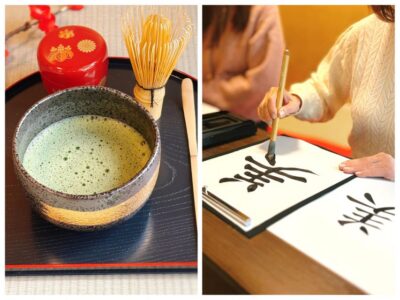
This tour also fits