
Reviewed · COOKING CLASSES
Osaka Sushi Cooking Class
Sushi in 90 minutes, yes please. In Osaka, a small group class led by chef Kazuki Harada takes you from sushi basics to making Nigiri and Maki, then you eat what you made.
One thing I really like is the practical flow. You start with the building blocks, rice and seaweed and fillings, then you shape nigiri and roll maki with guided technique.
A possible drawback to plan for: it is only about 1 hour 30 minutes and runs with a maximum of 8 people, so it moves. Also, no alcohol is included, so skip any expectation of sake or beer.
In This Review
- Key highlights worth your time
- Finding The Class Near Suita: Meeting Point and What It Means
- Welcome, Green Tea, and a Simple Game Plan
- Sushi Basics That Actually Help: Rice, Seaweed, Fillings, Condiments
- Nigiri Sushi: Shaping Rice and Placing Toppings
- Maki Roll Crafting: Rolling Technique With Your Favorite Fillings
- Flavor Enhancements That Change the Bite: Wasabi, Soy Sauce, Pickled Ginger
- Tasting and Sharing Your Self-Made Nigiri and Maki
- Price and Value: Is $78.04 Worth It?
- What To Wear, What To Bring, and How To Get the Most Out of 90 Minutes
- Who This Osaka Sushi Class Fits Best
- Should You Book This Osaka Sushi Cooking Class?
- FAQ
- Where does the Osaka sushi class start and end?
- How long is the class?
- What is the group size limit?
- What does the price include?
- What is not included in the class?
- Is cancellation free?
Key highlights worth your time
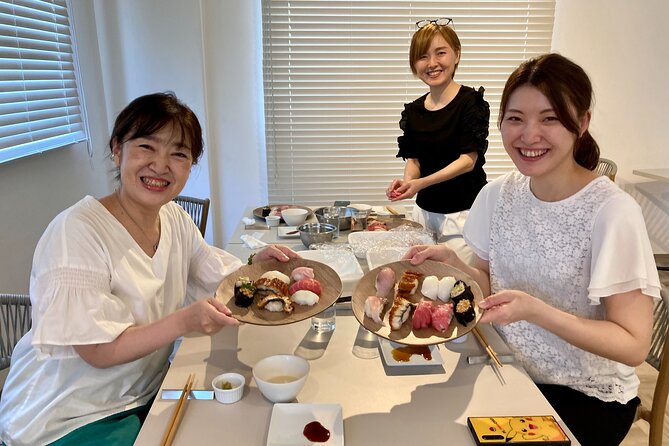
- Chef Kazuki Harada teaching with confidence you can feel from the way instruction is described, and how he is praised for both professionalism and personality
- Small group size (up to 8) so the pace feels friendly, not chaotic
- Hands-on making of both nigiri and maki plus a guided tasting of your own plate
- Clear sushi basics first focusing on rice, seaweed, fillings, and condiments so you understand what matters
- Flavor lessons that change the bite with wasabi, soy sauce, and pickled ginger
- Tea and water included, plus equipment and ingredients, so you show up and cook
Finding The Class Near Suita: Meeting Point and What It Means
This class is set in Osaka Prefecture, with the meeting point at 3-chōme-35-5 Tarumichō, Suita, Osaka 564-0062. It ends back at the same spot, so you do not have to think about getting yourself across town after you eat.
It also runs as a small max group of 8, which matters more than people think. Big classes can turn into watching from the edge. Here, you should have space to practice and ask questions when you get stuck.
One more practical plus: it is near public transportation, so you are not betting your day on taxis or long walks in unfamiliar streets. And you get a mobile ticket, which keeps the pre-class hassle low when you are already juggling trains, snacks, and a busy Osaka schedule.
Other ways to spend a day in Osaka
- 3-Hour Authentic Japanese Cooking Class (Includes 4-Course Meal)★ 5.0 · 2 reviews
- Cultural Cooking Class Featuring Ramen Sushi and Tea Ceremony★ 5.0 · 2 reviews
- Osaka: Ramen and Gyoza Cooking Class in Dotonbori★ 5.0 · 378 reviews
- Osaka Cooking Class: Okonomiyaki &Japanese cuisines experience★ 5.0 · 261 reviews
- Ramen and Gyoza Cooking Class in Osaka★ 5.0 · 202 reviews
Welcome, Green Tea, and a Simple Game Plan
The class starts with a warm welcome and an overview of what you will cover. That structure helps you relax. You are not just handed tools and told to figure it out.
You get water and green tea, plus green tea is part of the included items. This is a classic setup for a cooking lesson in Japan. It keeps you hydrated and gives your taste buds a clean baseline before you start tasting your own sushi.
From there, the rhythm is straightforward: learn the pieces, make nigiri, roll maki, then sit down for tasting and sharing. The best part is that everything connects. Sushi is easy to enjoy but tricky to make well, and this lesson is designed to teach the key steps without dragging on for half a day.
Sushi Basics That Actually Help: Rice, Seaweed, Fillings, Condiments
Before you touch anything complicated, you learn the building blocks of sushi. The class focuses on rice, seaweed, fillings, and condiments. That might sound basic, but it is exactly what you need if you want results you can repeat at home.
Rice is the foundation. Even if your topping is great, sushi will not feel right if the rice is not treated as the core. Seaweed matters because it is the frame for maki. Fillings matter because they affect texture and flavor balance in every bite.
Condiments are not an afterthought here either. You are not just told to grab soy sauce and wasabi. You learn why the components work together, so you understand what you like and how to recreate it.
This is also one reason the class is only about 1 hour 30 minutes. It keeps the lesson focused on the essential parts you can put to use quickly.
Nigiri Sushi: Shaping Rice and Placing Toppings
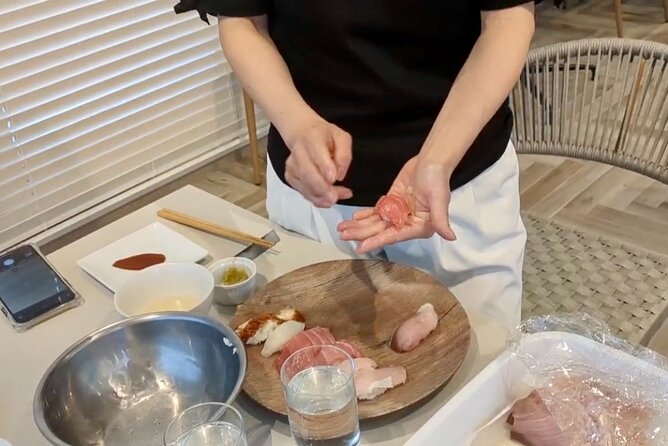
Next comes the fun part: creating nigiri sushi. You will shape rice and place toppings, and the guidance is geared toward helping you do it like a pro.
Nigiri is a good teaching choice because it trains your instincts. Your hands learn how rice should look and feel once shaped, and your topping placement becomes deliberate instead of random. That is a big confidence booster if you are a beginner.
You also get the satisfaction of learning a classic style. Nigiri has less going on visually than some rolls, so it is easier to judge your progress. When it looks right and tastes right, you feel it instantly.
And because the class is small, you are more likely to get quick corrections. That is the difference between leaving with a memory and leaving with a technique you can repeat.
Maki Roll Crafting: Rolling Technique With Your Favorite Fillings
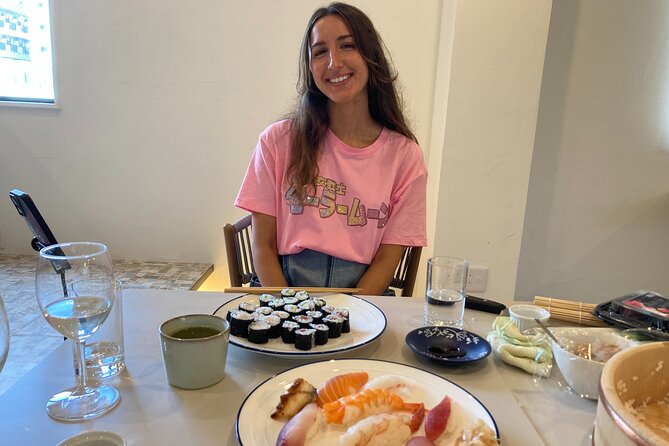
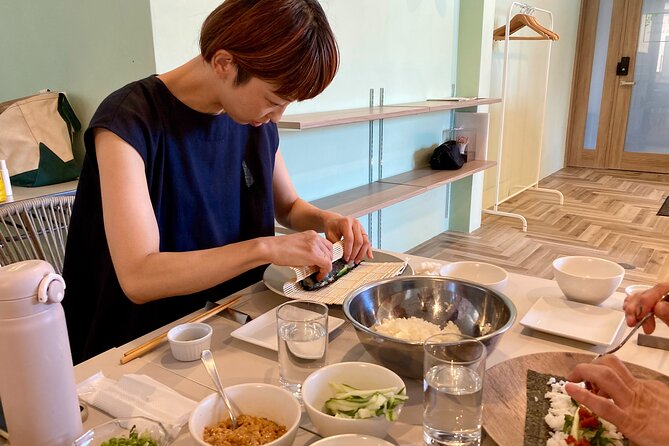
After nigiri, you shift to maki roll crafting. You will make maki rolls and work through the rolling process with your favorite fillings.
Maki is where sushi gets playful. It is also where technique shows. A good roll is about consistency, not perfection in every millimeter. You learn the rolling motion and how to handle fillings so they do not spill out or throw off the structure.
The “favorite fillings” detail is a smart touch. It keeps the experience personal. You are not stuck with whatever the instructor prepared. You get to choose, so the sushi you make is more likely to match your taste.
Even if you are not planning to become a home sushi chef, maki teaches you how sushi is assembled. That helps you understand what you are eating when you order it later.
Not ready to leave Osaka yet? A few more ways to fill the day.
- Full Day Tour of Kyoto with Private Transportation
★ 5.0 · 130 reviews - Sakai – Knife Factory and Craft Walking Tour
★ 5.0 · 44 reviews - Kyoto private tour (Shore excursion available from Osaka or Kobe port)
★ 5.0 · 39 reviews
Flavor Enhancements That Change the Bite: Wasabi, Soy Sauce, Pickled Ginger
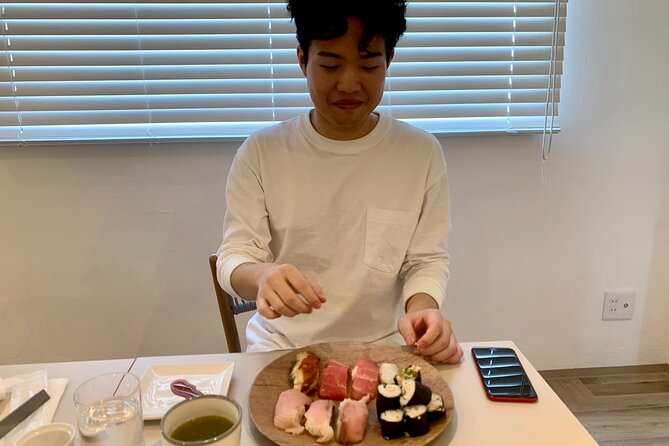
Then you get to the flavor part, the part that makes your sushi taste like sushi instead of rice plus toppings.
The class covers wasabi, soy sauce, and pickled ginger as key players. Here is the practical way to think about it: these are not just “condiments,” they are separate flavor signals. Wasabi brings heat and sharpness. Soy sauce adds saltiness and depth. Pickled ginger adds a sweet, bright reset between bites.
When you understand what each one does, you stop drowning everything in soy sauce. You also stop treating wasabi as optional spice roulette. Instead, you use it intentionally based on the bite you are aiming for.
This matters especially on a class like this, because you are tasting the results you made. Flavor knowledge turns the tasting from a free snack into real learning.
Tasting and Sharing Your Self-Made Nigiri and Maki
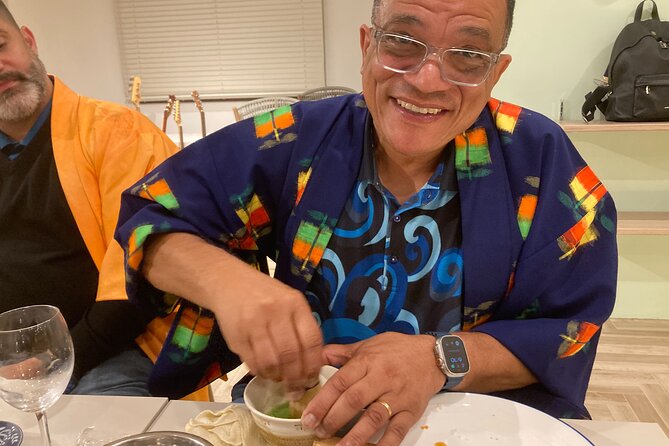
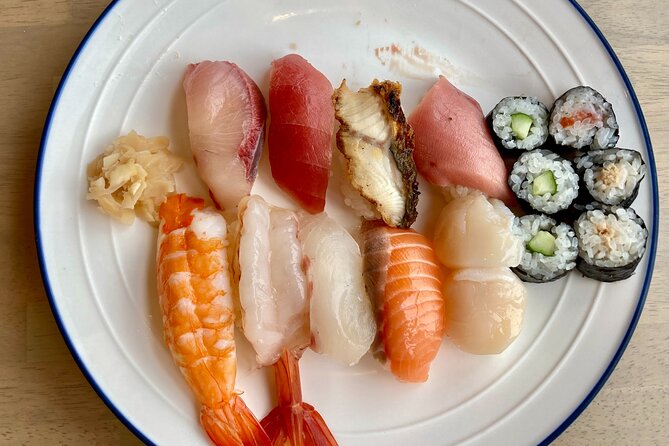
Finally, you taste what you made, and you share your thoughts. The class ends the way it should: with food that comes from your own hands, not a demo plate.
A tasting moment is not just for enjoyment. It is where you learn what to adjust next time. If your roll felt too heavy, if your nigiri needed a different sauce balance, you have a clear reference point.
One highlight worth noting from the experience feedback is the instructor effect. Kazuki Harada is praised for excellent teaching, with both a professional approach and a great personality. That matters at tasting time, because when you trust the instruction, you are more likely to actually learn from what you just ate.
And the result is real confidence. There is feedback saying the class left someone able to make sushi for family and friends. That is the kind of outcome I love to see from a short cooking session.
Price and Value: Is $78.04 Worth It?
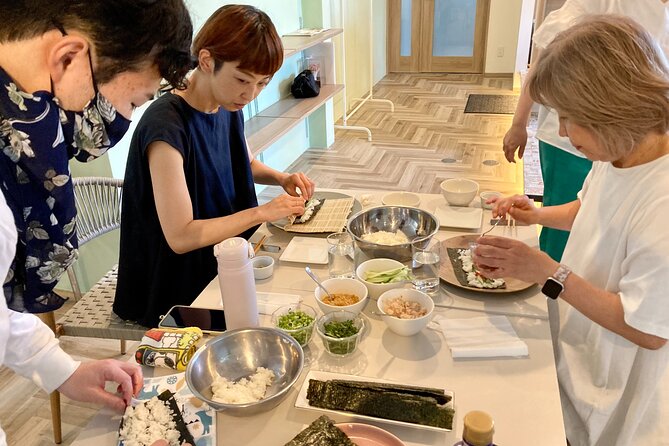
At $78.04 per person for about 1 hour 30 minutes, this is not the cheapest thing on a Japan trip. But it is also not overpriced for what you get.
Here is the value breakdown that matters:
- You get instruction by a chef, not just a general cooking experience
- You make both nigiri and maki, so you practice more than one technique
- You get ingredients and equipment included, so you are not paying extra for basics
- You get water and green tea included
- Group size is capped at 8, which supports hands-on time
Most “see and eat” food experiences do not teach you the method. This one is built to teach the method, at least the core version you can take home and use.
And the tipping point for value is the tasting. You are not only cooking, you are getting feedback from the actual bite. That is how you turn a payment into skill.
If you are a true sushi lover, you will likely feel like you paid for a useful upgrade to your ordering habits. If you are brand new to sushi, you will likely feel like you paid for a clear starter kit.
What To Wear, What To Bring, and How To Get the Most Out of 90 Minutes
The tour data does not list special equipment for you to bring, and the class includes equipment and ingredients. That is good news.
In practice, I suggest you keep it simple:
- Wear comfortable clothes you can move in while you roll and shape
- Bring a small towel-like item if you like to stay tidy, even if it is not listed
- Show up on time. In a class this short, late arrivals cut into your practice
Also, set your expectations around the pacing. The session is designed to cover sushi basics, nigiri shaping, maki rolling, and then tasting. That is a lot for 1.5 hours, so you will learn best when you stay present.
If you want alcohol with your meal, plan ahead. Alcoholic beverages are not included, so do not treat this as a sake-and-sushi night. It is a cooking lesson with tea, not a bar.
Who This Osaka Sushi Class Fits Best
This class is described as suitable for all levels, including beginners and sushi enthusiasts. From the structure, I agree with that. The class starts with fundamentals, then moves into practical making.
You will probably love it if:
- You want a clear, step-by-step sushi foundation
- You enjoy hands-on activities more than food tours
- You want to leave with techniques you can use with friends and family
- You like the idea of choosing fillings for your maki
You might want to consider other options if:
- You need lots of time to practice one style only
- You expect alcohol to be part of the experience
- You hate structured cooking schedules and prefer casual wandering meals
Should You Book This Osaka Sushi Cooking Class?
I would book this class if you want a focused sushi lesson in Osaka with real hands-on practice and a tasting payoff. The combination of small group size, instruction from chef Kazuki Harada, and learning both nigiri and maki makes it a strong value for a short time window.
If you are traveling fast and want one meaningful food activity that teaches you something you can use later, this fits. If you are on a long food crawl already and only want a snack, it might feel too structured. But if you like to make things with your hands, it is a smart use of 1 hour 30 minutes.
FAQ
Where does the Osaka sushi class start and end?
It starts at 3-chōme-35-5 Tarumichō, Suita, Osaka 564-0062, Japan and ends back at the meeting point.
How long is the class?
The duration is approximately 1 hour 30 minutes.
What is the group size limit?
The class has a maximum of 8 travelers.
What does the price include?
Included items are water and green tea, ingredients, and equipment (green tea is also listed as included).
What is not included in the class?
Alcoholic beverages such as sake and beer are not included.
Is cancellation free?
Yes, free cancellation is offered. You can cancel up to 24 hours in advance for a full refund.
Just added around Osaka




Cooking Classes, compared.
Osaka Cooking Class: Okonomiyaki &Japanese cuisines experience
Read our review →

Osaka Sake Tasting & Takoyaki Cooking Experience
Read our review →
Cooking Ramen&Gyoza/KatsuCurry/Bento/Okonomiyaki+Store Tour@Osaka
Read our review →
Eat Osaka: Street Food Cooking in an Authentic Kitchen!
Read our review →This tour also fits