
Reviewed · TEA CEREMONY & MATCHA EXPERIENCES
Osaka: Tea Ceremony and Matcha Tea Bowl Making Workshop
A tea ceremony can feel like a mini reset. In this Osaka workshop, you learn the tea ceremony flow with a tea ceremony master and enjoy matcha plus Japanese sweets. Then you shift to hands-on pottery with Anna, shaping and decorating your own matcha tea bowl using traditional techniques.
What I really like is the pair of skills in one visit, the calm, exact movements of the tea ceremony, and the satisfying work of forming a functional bowl. Second, the workshop is led in English, so you do not need Japanese fluency to follow along. One consideration: your bowl is shipped after about 2 months, and shipping costs are not included.
In This Review
- Key Things That Make This Workshop Worth Your Time
- Getting Oriented in Osaka, Teradacho Station to Ceramics Tocoton
- Tea Ceremony Mastery: Matcha, Sweets, and the Calm Pace
- Preparing Matcha Step by Step, So You Know What Actually Matters
- Making Your Own Matcha Tea Bowl With Anna (Osaka and Spain Roots)
- The Small Dish Gift and What It Adds to Tea Time
- What You Get, What You Skip, and the Waiting Game
- Private Group Pace: Why It Feels Less Like a Class and More Like Skill Time
- After the Workshop: Ikuno Ward Exploration on Your Time
- Price and Value: What $134 Buys You in Real Terms
- Who Should Book This Tea Ceremony and Matcha Bowl Workshop
- Practical Tips So You Enjoy It More
- Should You Book? My Take
- FAQ
- Is the workshop duration really 2 hours?
- Where do I meet the staff in Osaka?
- Is the workshop taught in English?
- What is included in the price?
- When will the matcha tea bowl be shipped, and is shipping included?
- Is this experience suitable for children or wheelchair users?
Key Things That Make This Workshop Worth Your Time
- Tea ceremony basics with matcha and sweets, so you understand what you are making and why
- Hands-on bowl making with Anna, who studied pottery in Osaka and Spain
- Traditional shaping and decorating techniques, not just a casual craft session
- A small dish included, designed for using with sweets during tea ceremony
- Private group format for a more personal pace and Q&A time
Getting Oriented in Osaka, Teradacho Station to Ceramics Tocoton
This experience starts in Ikuno Ward, in a practical spot for getting there by train: JR Teradacho Station, North Exit. Plan to arrive a bit early because if you are more than 15 minutes late, you can be marked as a no-show, so it is worth building in buffer time.
Look for a staff member holding a signboard that says Ceramics Tocoton. That detail matters because the meeting point is very specific and you do not want to spend the first five minutes wandering while your workshop time starts ticking.
One small planning note I’d take seriously: you are not just “dropping in.” You are doing a timed 2-hour workshop, and the schedule flows from tea to pottery, so showing up on time keeps the experience relaxed instead of rushed.
Slow down for a bowl of matcha
- Osaka: Tea Ceremony Experience★ 4.9 · 1,426 reviews
- Tea Ceremony Experience in Osaka Doutonbori★ 5.0 · 754 reviews
- Matcha Making Class in Osaka with Authentic Japanese Sweets Set★ 5.0 · 509 reviews
- Osaka: Matcha Making Experience with Japanese Sweets★ 5.0 · 146 reviews
- Osaka: Japanese Traditional Sweets Making and Tea Ceremony★ 4.7 · 118 reviews
Tea Ceremony Mastery: Matcha, Sweets, and the Calm Pace
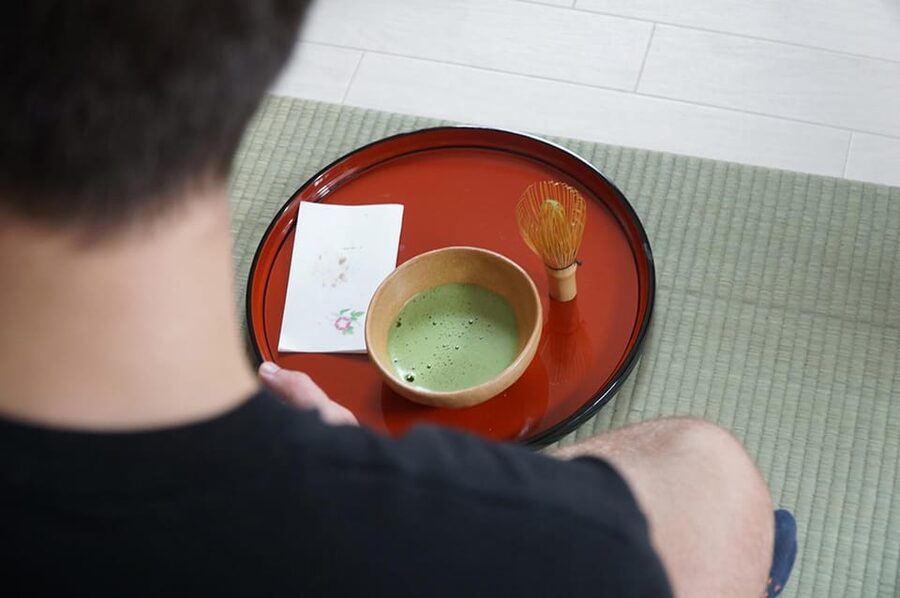
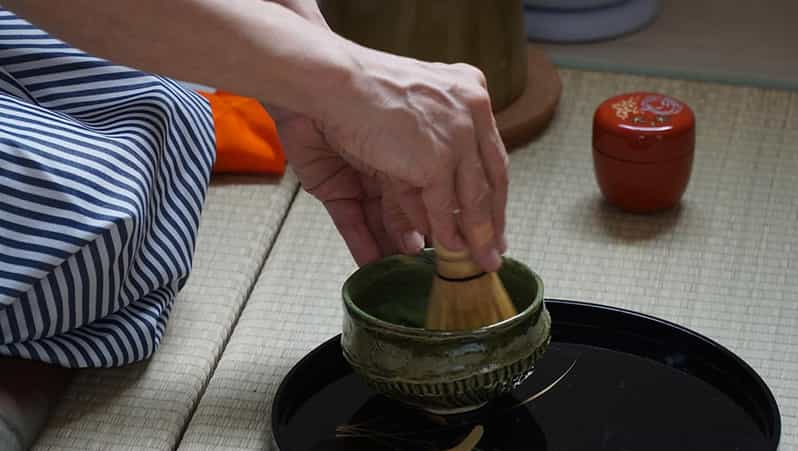
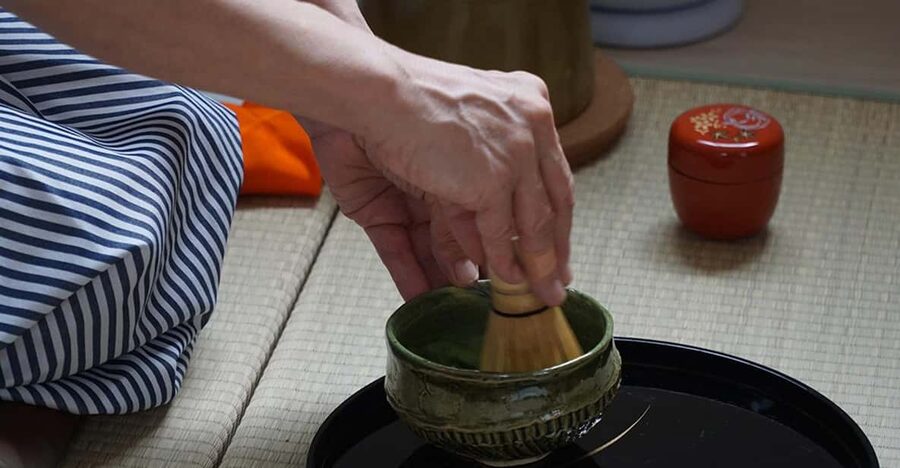
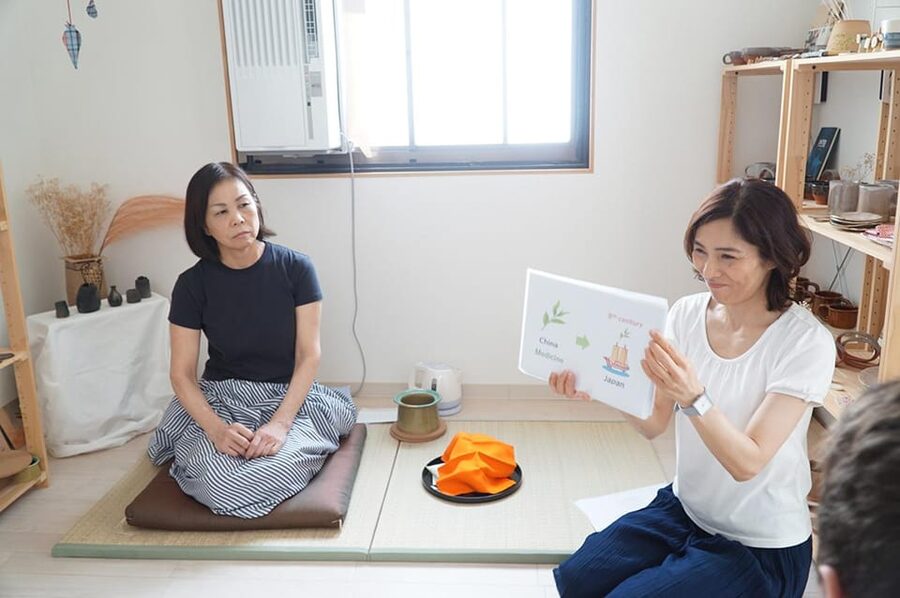
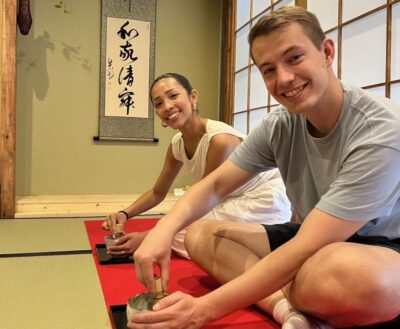
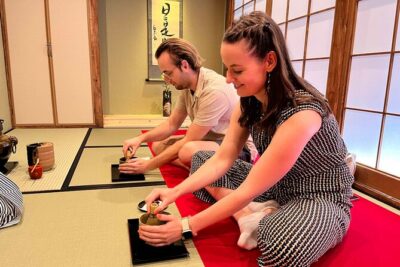
The first half centers on the traditional art of the tea ceremony. You meet your tea ceremony master and get the basics of how the ceremony is done, including how to prepare matcha tea. This is not a lecture where you just watch. You are meant to do the preparation steps with guidance, so you leave knowing what to repeat later at home.
Then comes the part that makes tea ceremony real: you drink the matcha and pair it with Japanese sweets. Those sweets are included for a reason. In tea ceremony, taste and texture are part of the ritual, and having the sweets alongside your matcha helps you understand the intended balance.
Even if you do not think you are a “tea person,” you may still enjoy this section because it is designed for mindfulness. The movements have a rhythm, and that rhythm tends to quiet your brain fast, the way cooking can, when you are focused on steps instead of scrolling.
Preparing Matcha Step by Step, So You Know What Actually Matters
You will prepare matcha tea as part of the ceremony portion, with the tea ceremony master guiding you. The value here is simple: you learn the “how,” not just the “what.” That means when you take the bowl home later, you understand how it is supposed to feel in your hands and how it connects to the drinking experience.
Also, you are not going home with only instructions. You drink matcha during the workshop with accompanying Japanese sweets. That makes the practice stick because you can connect your technique to the final cup.
If you are the type who likes to repeat a recipe exactly, you will probably like this format. If you are more relaxed and just want a memorable skill, it also works because the ceremony is forgiving in a human way. You are learning a tradition, not taking a test.
Making Your Own Matcha Tea Bowl With Anna (Osaka and Spain Roots)
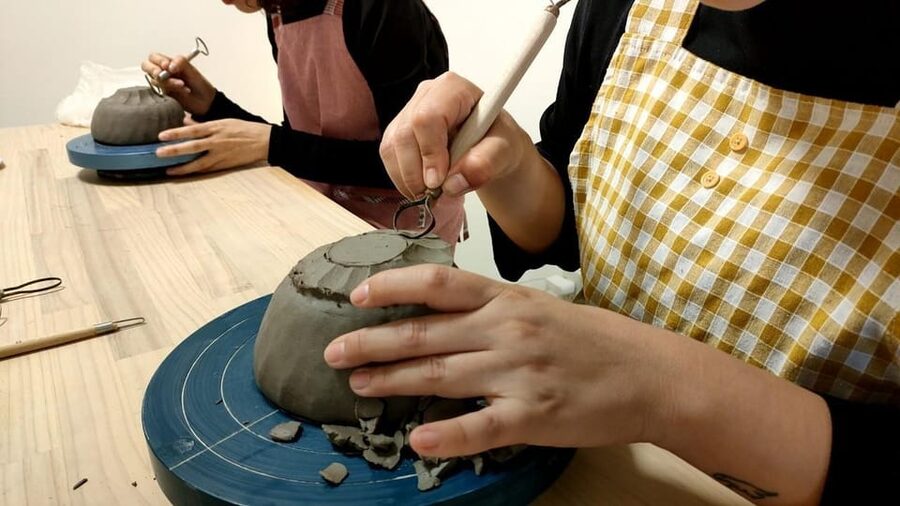
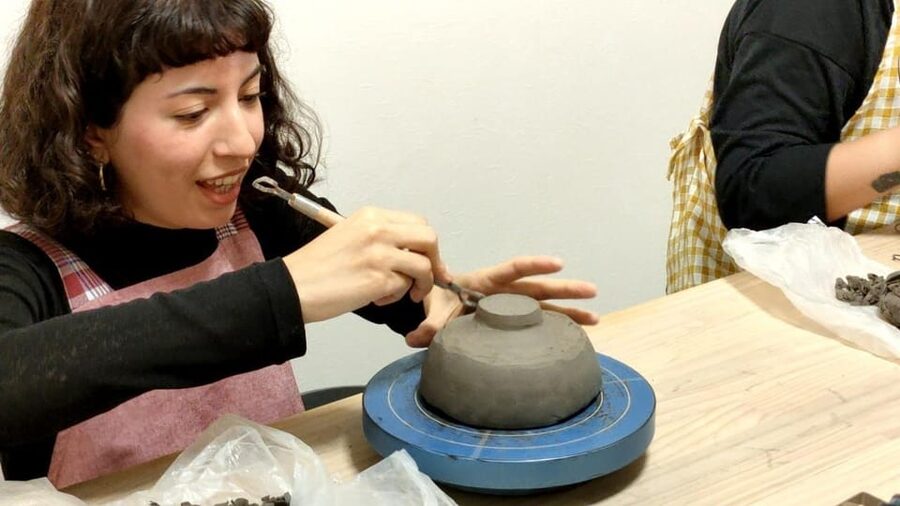
After the tea ceremony portion, you move to the pottery side. This is where the workshop becomes truly hands-on. You make a matcha tea bowl with Anna, a ceramist who studied pottery in Osaka and Spain. That background matters because it hints at a mix of local technique and a broader craft perspective, which often shows up in how teaching is explained.
You will shape and decorate the bowl using traditional Japanese pottery techniques. The emphasis is on the process, not perfection. You are learning how form and decoration affect the final object, especially for something as specific as a tea bowl meant for matcha.
Expect tactile work: turning clay into a vessel you can actually picture using. Even if you have never done pottery, the experience is structured so you can follow along and finish with something meaningful.
And yes, you will likely get attached to your bowl. I say that because bowls made for tea feel personal. They are not just “a souvenir,” they are functional objects tied to a ritual you practiced earlier the same day.
The Small Dish Gift and What It Adds to Tea Time
You get more than a bowl. The experience includes a small dish as a gift, and it is designed for enjoying sweets for the tea ceremony. This is a smart inclusion because it completes the pairing, sweet on a dedicated dish, matcha in your bowl, both part of the same ritual.
Think of it this way: a tea ceremony set does not feel complete with only one piece. The bowl is the centerpiece, but the supporting dish helps your home version feel intentional instead of improvised.
If you are the kind of traveler who likes using your purchases instead of storing them, this gift is a big win. It is meant to be used, not just displayed.
Other ways to spend a day in Osaka
- Sushi Making Osaka Roll and Authentic Japanese Sushi Class
★ 5.0 · 1,220 reviews - Osaka: Ramen and Gyoza Cooking Class in Dotonbori
★ 5.0 · 378 reviews - Osaka Cooking Class: Okonomiyaki &Japanese cuisines experience
★ 5.0 · 261 reviews
What You Get, What You Skip, and the Waiting Game
Included in the experience are matcha tea and Japanese sweets. The tea part and the tasting part are covered, so you can focus on learning without extra spending during the session.
What is not included is the shipping of the bowl. The workshop also states that your bowl will be sent to the address you provide after about 2 months. That means you get a real wait between making and using, and you should plan for the cost of shipping when you budget.
In practical terms, I treat this kind of souvenir as a “future purchase.” The workshop experience is immediate and memorable, but the final reward arrives later. If that timing bothers you, you might prefer a local pickup-style class, but you will not get that option here based on the given details.
Private Group Pace: Why It Feels Less Like a Class and More Like Skill Time
This is listed as a private group experience. That matters more than it sounds. Private format usually means the teacher can watch what you are doing and correct or coach you without holding up a larger group.
In a tea ceremony setting, that kind of attention helps because small steps affect comfort and flow. In pottery, the same is true. Clay is forgiving, but it still needs guidance on shaping and decoration to end up as a bowl you are proud to receive.
Also, instruction is English, which is a genuine practical advantage if your Japanese is limited. You can focus on learning rather than translating every instruction in your head.
After the Workshop: Ikuno Ward Exploration on Your Time
Once the workshop ends, you are free to explore the local area of Ikuno Ward in Osaka. The activity itself is only 2 hours, so this is a good option if you want something hands-on without sacrificing an entire day.
For your post-workshop plan, keep it simple. Wear comfortable shoes, give your hands a little time to cool down if you just got clay on them, and then wander nearby streets at an easy pace. This area is where local life feels more “daily” than “attraction,” which can be a nice contrast after a traditional ritual indoors.
I like pairing workshops like this with casual walking because it helps you decompress. You are practicing calm indoors, and then you can return to motion outside.
Price and Value: What $134 Buys You in Real Terms
At $134 per person for a 2-hour workshop, you are paying for two guided, skilled experiences in one: tea ceremony with matcha and sweets, plus pottery bowl making with Anna. That dual structure is where the value sits, because you are not just buying a snack-and-souvenir craft. You are learning a tradition and creating a functional ceramic object.
You also get materials covered for the tea ceremony part, and you end up with more than one item, including the bowl and a small dish gift. The shipping is extra and the bowl arrives later, but that does not reduce the value of the learning portion. It just affects your logistics.
If you compare this to cheaper craft activities, the difference is in guidance quality and the specificity of the object. A matcha tea bowl is not a generic mug, it has a particular role. That specificity usually means you get more meaningful teaching than a free-form pottery class.
If you are traveling on a tight budget, it may still feel pricey. But if you care about doing one authentic, skill-based activity in Osaka, this is the kind of experience that tends to justify the cost.
Who Should Book This Tea Ceremony and Matcha Bowl Workshop
I think this workshop is a great fit if you want:
- A structured, hands-on cultural activity with matcha ceremony practice
- A chance to make something you can connect to real use later, once the bowl arrives
- English instruction and a private group pace
It may not be the best match if you:
- Need wheelchair accessibility, since wheelchair users are listed as not suitable
- Are traveling with kids under 13, since the workshop is not suitable for them
- Hate the idea of waiting for shipment, since bowls are sent after about 2 months and shipping costs are not included
Also, follow the on-site rules: no smoking, and no alcohol or drugs. Those rules are there to keep the space focused and safe, especially for pottery materials and a quiet tea setting.
Practical Tips So You Enjoy It More
Here are a few things that make the day smoother:
- Confirm you can reach JR Teradacho Station, North Exit on time, and aim to arrive early
- Wear clothes you can tolerate around clay and art materials
- Treat the tea portion seriously. It is short, but it is the foundation for why your bowl matters
- Plan that your bowl is made now, but you will receive it later, so keep that in mind for your timeline
You do not need to be an expert. The format is built for learning, and Anna’s pottery guidance is a key reason people enjoy the experience.
Should You Book? My Take
If you want one Osaka activity that mixes calm ritual with real craft, I’d book it. The tea ceremony basics with matcha and sweets give you context, and the bowl-making with Anna gives you a tangible result you can be proud of. The private pace and English instruction are practical bonuses, especially if you want to ask questions without feeling rushed.
The main reason to hesitate is the wait and cost of shipping. If you are okay with that, you are likely to love how the morning ritual and afternoon pottery connect into one complete experience.
FAQ
Is the workshop duration really 2 hours?
Yes. The experience is listed as a 2-hour workshop. Check availability to see starting times.
Where do I meet the staff in Osaka?
Meet at JR Teradacho Station North Exit. Look for a staff member holding a signboard that says Ceramics Tocoton.
Is the workshop taught in English?
Yes. The instructor is listed as English.
What is included in the price?
Matcha tea and Japanese sweets are included.
When will the matcha tea bowl be shipped, and is shipping included?
The bowl will be sent to your provided address after about 2 months. Shipping costs are not included in the price.
Is this experience suitable for children or wheelchair users?
No. It is not suitable for children under 13, and wheelchair users are listed as not suitable.
Just added around Osaka


Tea Ceremony & Matcha Experiences, compared.
Matcha Making Class in Osaka with Authentic Japanese Sweets Set
Read our review →
Japanese Traditional Sweets Making and Tea Ceremony
Read our review →
Osaka Temple Cool Foot Bath & Matcha Experience〈45min〉
Read our review →
Samurai Show, Tea Ceremony, Japanese Traditional Activities
Read our review →
This tour also fits