
Reviewed · COOKING CLASSES
Well-balanced BENTO (lunch box) Cooking Class
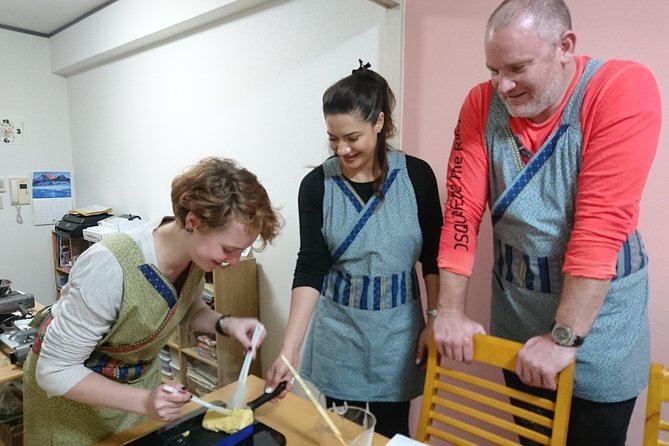
Your lunch turns into a mini project. In Osaka, this small-group class at Sakura Cook teaches you how to make a Japanese-style bento meal, starting with dashi and ending with a packed lunch you can actually eat.
I love how hands-on it is, especially learning to shape triangular rice balls and cook multiple classics in one session. I also like that the instructor guides the details that make bento look good, not just taste good. One consideration: the menu includes fish and other standard Japanese ingredients, so if you have strict dietary needs, you’ll want to check in ahead of time.
In This Review
- What Makes This Bento Class Feel Different?
- Key Highlights You Should Know
- A Bento Class at Sakura Cook, Osaka: More Than Just Lunch
- Starting With Dashi: The Flavor Base Most People Skip
- The Seven Home-Style Dishes You Make, and Why It’s a Smart Menu
- Onigiri Triangle Training: Shape First, Then Confidence
- Packing Bento Like a Local: The Real Trick Is Arrangement
- Miso Soup and Itadakimasu: Finish the Lunch Properly
- Price and Value: Is $92.24 a Fair Deal?
- Getting There and What the Class Logistics Mean for You
- Who This Bento Class Suits Best
- Should You Book This Bento Cooking Class in Osaka?
- FAQ
- How long is the Well-balanced Bento cooking class?
- How many people are in the class?
- Where is the meeting point in Osaka?
- What dishes do I learn to make?
- Is there miso soup included?
- Can I cancel for a full refund?
What Makes This Bento Class Feel Different?
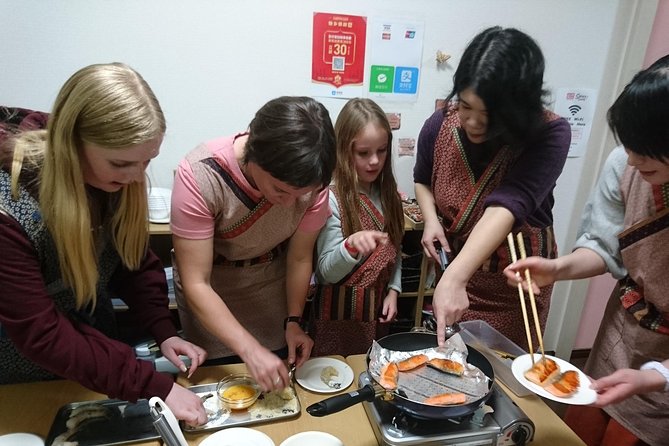
This is not just a cooking demo. You’ll cook, assemble, and pack your bento box lunch like you’re following a local routine, with miso soup to round it out.
I particularly appreciate the focus on practical technique, from simmering and marinades to grilling and frying. I also like the small-group size, with a maximum of 8 people, which helps you get real attention while you work. The drawback is simple timing, the class is about 2 hours 30 minutes, so you won’t master every single step like you would in a longer workshop.
Key Highlights You Should Know
- Dashi as the foundation: You start with traditional Japanese broth stock before cooking other dishes.
- Triangular onigiri training: You practice the shape using plastic molds and finish making two rice balls.
- Seven home-style dishes in one session: Including wagyu beef, shrimp, salmon, egg, squash and mushroom, plus a green vegetable.
- Bento packing is part of the lesson: You learn how to arrange food and add fresh vegetables for an appealing look.
- Small-group attention (max 8): You’re not stuck watching while others cook.
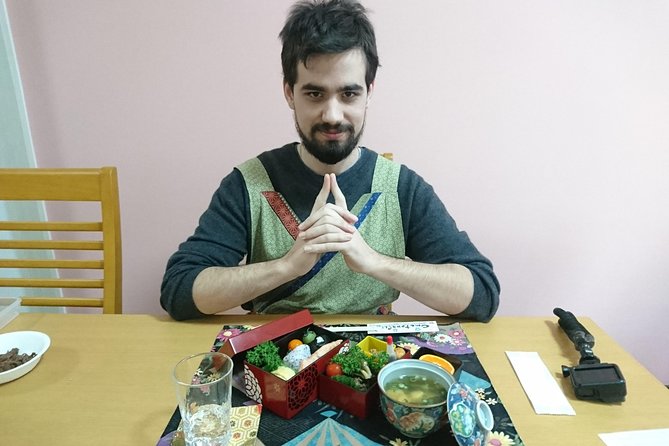
- Finish with miso soup and your own meal: You eat what you made, with chopsticks and the full bento experience.
Midday plates worth the wait
- Osaka: Five Must-See Highlights Walking Tour & Ramen Lunch★ 4.7 · 411 reviews
- Osaka/Kyoto: Amanohashidate & Miyama Tour with Boat & Lunch★ 4.6 · 207 reviews
- Walking Tour of Osaka’s 5 Must-See Sights, with Ramen for Lunch★ 5.0 · 158 reviews
- 5-Hour Osaka Highlights Bike Tour with Lunch★ 4.8 · 146 reviews
- Play with Snow Crab Buffet Lunch and Strawberry Picking Bus Tour★ 5.0 · 88 reviews
A Bento Class at Sakura Cook, Osaka: More Than Just Lunch
If you want one meal that feels like a hands-on culture lesson, this is the kind of class that works. In Osaka, you’re placed inside the routine of a Japanese home lunch system: build flavors, portion them, then pack them with care so they look right and travel well.
The setting is Sakura Cook, and the class is designed for a small group, up to 8 people. That matters because bento is fiddly. Triangular onigiri, careful portioning, and arranging items so they stay visually balanced takes time, and you need enough room to actually do the work.
You start by choosing a lunch box and putting on an apron. That tiny step is more useful than it sounds. It gets you thinking about the final shape of the meal right away, which helps everything else make sense as you cook.
Starting With Dashi: The Flavor Base Most People Skip
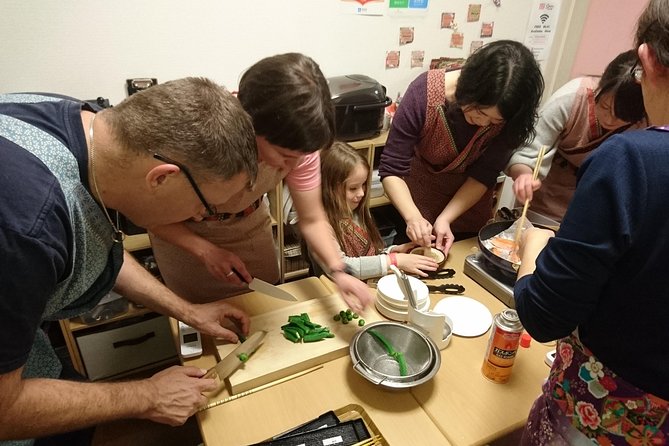
The day’s cooking begins with dashi, the traditional Japanese broth stock that shows up in lots of everyday dishes. Instead of jumping straight to the “main food,” you learn why this base matters. Dashi brings depth without heaviness, so your bento items taste like they belong together rather than like separate dishes dumped onto a plate.
This is also where the class earns its high marks for teaching. In particular, instructors named Yumi and Fumi are described as clear and focused, with English that’s warm and to the point. That’s important for cooking classes in Japan. You need directions you can follow at speed, plus short explanations that help you understand what you’re doing.
You also get a sense that Japanese cooking is built from technique, not only ingredients. Dashi is a prime example. Once you understand the base role, the rest of the menu makes more sense.
The Seven Home-Style Dishes You Make, and Why It’s a Smart Menu
After dashi, the class focuses on making up to seven classic Japanese dishes that are often prepared at home. The menu includes a mix of proteins, eggs, vegetables, and mushrooms, and it uses common Japanese methods you can repeat later.
Here’s what you can expect from the dish lineup based on what’s listed for the class:
- Wagyu beef
- Shrimp
- Salmon
- Egg
- Squash and mushroom
- A green vegetable item
- Plus the triangular rice balls
The class also trains real cooking methods. You’ll practice things like marinating, then cooking with techniques that include frying, grilling, and simmering. That blend is practical. At home, you probably will not make one dish only. You’ll want a workflow where multiple dishes share a rhythm, and this format helps you learn how to manage that.
One value point here is balance. Your bento isn’t just a carb plus one protein. It’s built to cover different flavors and textures, which makes your lunch feel complete and not like a snack.
Also, because these are “home style” dishes, you’re learning the kind of bento logic Japanese families actually use. That’s what separates this from cooking classes that only teach restaurant-style results.
Onigiri Triangle Training: Shape First, Then Confidence
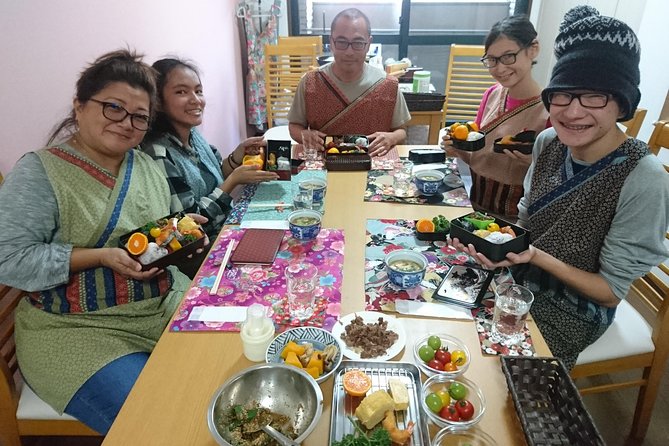
The triangular rice balls, onigiri, are one of the most satisfying parts of the class because the shape is both visible and learnable. You’ll practice forming triangles using plastic molds, which takes the frustration out of the hardest step.
You’ll complete two rice balls by the end, after practicing the shape. The mold step is not just convenient. It gives you a consistent result, and that consistency makes the rest of your bento packing easier. When your rice balls are uniform, your final layout looks intentional.
This is also a great skill to take home. Onigiri are portable, and once you understand the basics of shaping and portioning, you can adapt fillings later. The class focuses on technique, not only a single flavor combination.
If you like cooking that feels a little playful, this is the moment. Triangle rice balls look simple, but when you get them right, it feels like you earned them.
Other ways to spend a day in Osaka
- Osaka: Ramen and Gyoza Cooking Class in Dotonbori
★ 5.0 · 378 reviews - Osaka Cooking Class: Okonomiyaki &Japanese cuisines experience
★ 5.0 · 261 reviews - Ramen and Gyoza Cooking Class in Osaka
★ 5.0 · 202 reviews
Packing Bento Like a Local: The Real Trick Is Arrangement
Cooking is only half the game with bento. The other half is packing. This class treats packing as a lesson, not an afterthought.
Once the dishes are completed, you practice packing in your lunch box with fresh vegetables. An instructor advises an attractive packing way, which helps you avoid the common mistake of stuffing the box randomly. Bento looks best when you pay attention to spacing, color contrast, and how items sit so they do not get crushed.
This is where a small group can help you. You can actually ask questions and adjust your layout instead of rushing through. You also end up learning the logic behind good bento presentation, not just copying a single layout.
A practical detail: you’ll pack the dishes along with chopsticks. Then you get to enjoy what you made, so it’s not only visual work. That “pack, then eat” flow turns packing into part of the meal experience.
Miso Soup and Itadakimasu: Finish the Lunch Properly
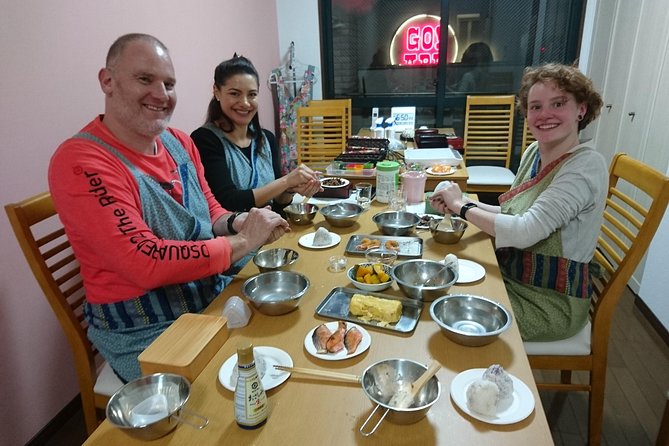
At the end, your bento meal includes the dishes you cooked, served with complimentary miso soup. You’ll place everything together with chopsticks and say Itadakimasu, the usual start-of-meal phrase.
This ending matters for two reasons. First, it closes the loop so the skills feel connected. Second, miso soup is a classic pairing because it adds warmth and helps balance the flavors inside the lunch box.
If you’re the kind of person who gets hungry while waiting for the “fun part,” this class follows the right rhythm. You cook your way to the finished meal, then eat it, right there.
Price and Value: Is $92.24 a Fair Deal?
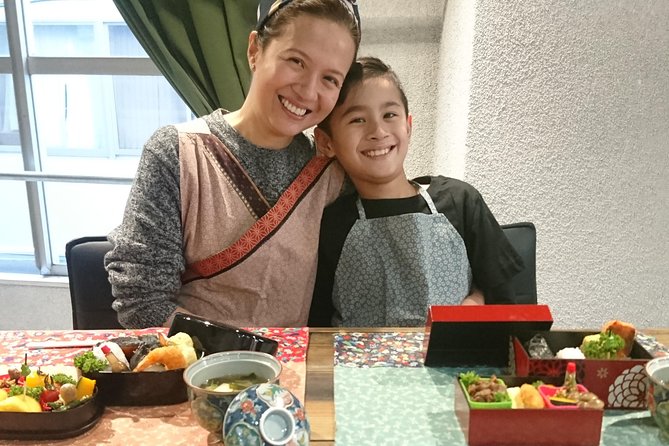
The price is $92.24 per person for about 2 hours 30 minutes, and the tour uses a mobile ticket. On paper, that can sound pricey if you compare it to street food.
But cooking classes in Japan are mostly paying for time, guidance, and ingredients. Here you get multiple dishes, technique practice, onigiri shaping support, and a full lunch meal, including miso soup. You’re not just learning recipes, you’re building repeatable skills like dashi basics, marinades, and common cooking methods.
The small-group format, max 8 travelers, also adds value. If you’ve ever tried a big group class, you know how much you lose when you can’t get quick help.
One more value angle: this class is in Osaka, where eating out is easy and cheap. If you use this class as your “make a real meal and learn it” experience, the cost feels more justified. You’re paying for the learning and the finished meal, not just food.
Getting There and What the Class Logistics Mean for You
The meeting point is listed as Banix北堀江Japan, 3-chōme62 システマギャラリー, Nishi Ward, Kitahorie, Osaka, 550-0014. It’s near public transportation, which helps if you’re hopping between neighborhoods.
The class runs about 2 hours 30 minutes, and it ends back at the meeting point. That makes it easier to plan your afternoon. You also receive confirmation within 48 hours of booking, subject to availability.
If you’re traveling with kids, note that children must be accompanied by an adult. That’s useful info if you’re building a family day with a firm activity time slot.
Who This Bento Class Suits Best
This class is a strong match for people who want a hands-on food activity with real technique, not just a tasting experience. It’s especially good if you:
- Want to learn Japanese lunch fundamentals you can repeat at home
- Like cooking that includes both savory items and onigiri
- Prefer smaller groups where you can participate in each dish
- Want cultural context through food, starting with dashi and ending with proper meal etiquette
It may be less ideal if you dislike seafood or have food restrictions that cannot be accommodated. The class asks you to advise dietary requirements at booking, but the listed menu includes common ingredients like shrimp and salmon.
Should You Book This Bento Cooking Class in Osaka?
I’d book it if you want an activity that delivers a full, balanced meal plus skills you can use after your trip. The dashi first approach makes the instruction feel grounded. The combination of seven dishes, onigiri triangle practice, and bento packing guidance is exactly the kind of structured learning that turns into real confidence.
Skip it only if you know you will not enjoy the core ingredients, or if you want a longer, slower cooking pace. At 2 hours 30 minutes, it’s fast enough to stay fun, but you’ll still work at a cooking-class rhythm.
If you’re planning just one food-focused experience in Osaka, this is one that makes sense. You leave with a lunch story, a box of skills, and the confidence to pack your own bento without guessing.
FAQ
How long is the Well-balanced Bento cooking class?
It lasts about 2 hours 30 minutes.
How many people are in the class?
The class has a maximum of 8 travelers.
Where is the meeting point in Osaka?
The start location is Banix北堀江Japan, 550-0014 Osaka, Nishi Ward, Kitahorie, 3-chōme62 システマギャラリー. The activity ends back at the meeting point.
What dishes do I learn to make?
You start by making dashi, then prepare up to seven classic dishes including wagyu beef, shrimp, salmon, egg, squash and mushroom, and a green vegetable. You also make triangular rice balls.
Is there miso soup included?
Yes. The class includes complimentary miso soup served with your meal.
Can I cancel for a full refund?
You can cancel for a full refund if you cancel at least 24 hours before the experience start time. Free cancellation applies under that timing rule.
More Workshops in Osaka
- Sushi Making Osaka Roll and Authentic Japanese Sushi Class★ 5.0 · 1,220 reviews
- Matcha Making Class in Osaka with Authentic Japanese Sweets Set★ 5.0 · 509 reviews
- Osaka: Roll and Authentic Sushi Making Class in Dotonbori★ 4.9 · 239 reviews
- Osaka: Sushi Class in Dotonbori★ 4.9 · 160 reviews
Just added around Osaka


Cooking Classes, compared.
Osaka Cooking Class: Okonomiyaki &Japanese cuisines experience
Read our review →

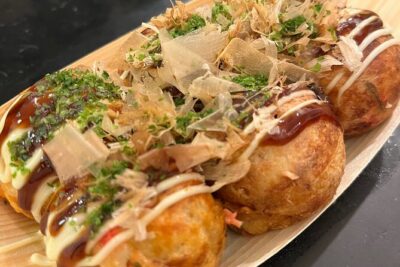
Osaka Sake Tasting & Takoyaki Cooking Experience
Read our review →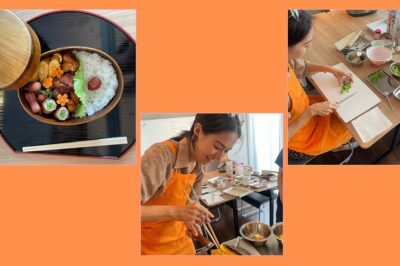
Cooking Ramen&Gyoza/KatsuCurry/Bento/Okonomiyaki+Store Tour@Osaka
Read our review →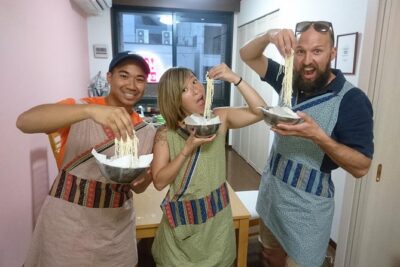
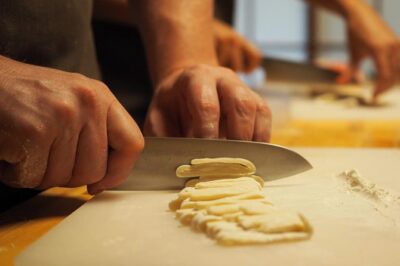
Eat Osaka: Street Food Cooking in an Authentic Kitchen!
Read our review →This tour also fits