
Reviewed · SUSHI MAKING EXPERIENCES
Sushi Making Class for Vegan or Vegetarian
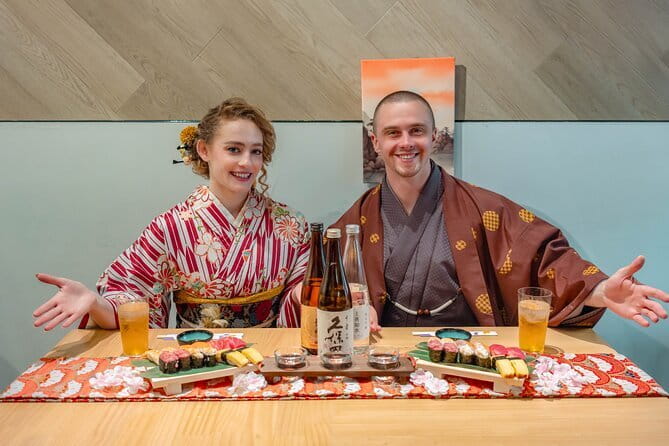
Sushi class in Dotonbori, with a plant-based twist. I like that you are not just watching, you are making 12 sushi pieces yourself. The class teaches you the details so you can repeat the basics at home, using ingredients designed for vegan or vegetarian sushi.
My other favorite part is the friendly, engaging teaching style. You’ll get step-by-step guidance in English, Chinese, and Korean, plus a sushi-chef costume for extra fun. One consideration: the price includes snacks and instruction, but alcoholic beverages are not included, even though sake and beer are available.
In This Review
- Key things to know before you go
- Vegan and Vegetarian Sushi-Making in Dotonbori: What You’re Really Paying For
- First Stop: Meeting at Sushi Making Osaka in Osaka
- What Happens During the Class (In Real, Human Terms)
- Making 12 Pieces: Nigiri and Gunkan-Sushi Without Guesswork
- The Food Moment: Snacking on Your Own Work
- Sake and Beer: What’s Available Versus What’s Included
- Language Support and the Private-Group Advantage
- How to Get the Most Out of Your 1 Hour 30 Minutes
- Who This Class Is Best For (And Who Might Skip It)
- Price and Logistics: Is $84.73 Worth It?
- Should You Book This Vegan Sushi Class in Dotonbori?
Key things to know before you go
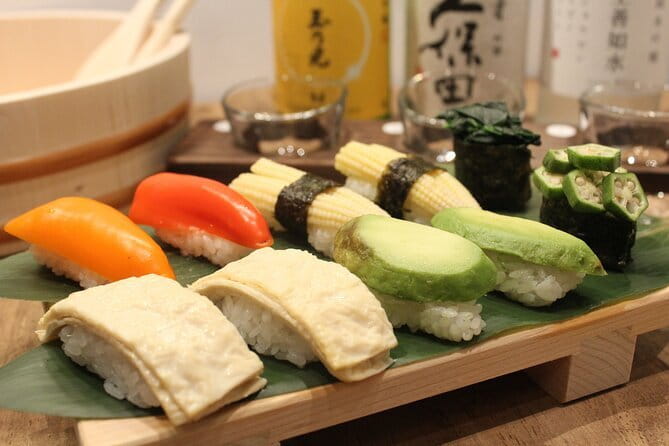
- 12 pieces, two styles: nigiri plus gunkan-sushi, totaling 12 pieces
- Vegan or vegetarian format: they provide vegetarian sushi for the class
- Short, focused session: about 1 hour 30 minutes
- Multilingual guidance: English, Chinese, and Korean
- Chef costume and hands-on learning: you actively make sushi, not just observe
- Private experience: it’s only your group
Vegan and Vegetarian Sushi-Making in Dotonbori: What You’re Really Paying For
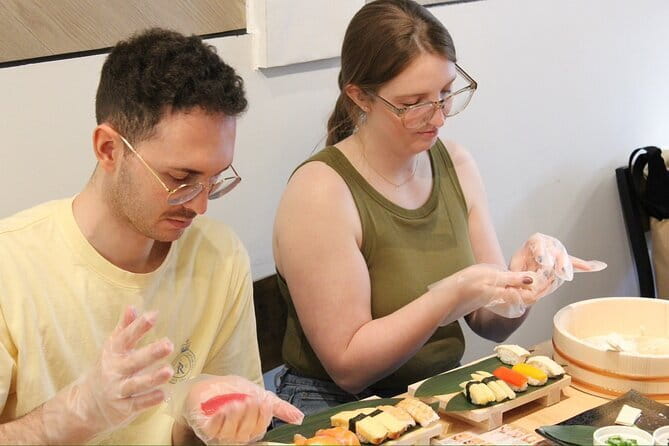
Osaka is famous for food culture, and Dotonbori is where that energy feels loud and immediate. This sushi class fits that vibe, but it keeps things practical. In about 1.5 hours, you learn how to form sushi with two common shapes, then you eat the result (snacks include the pieces you make).
The price, $84.73 per person, is not a “cheap bite” kind of activity. But for what you get, it is fair value. You’re paying for a licensed or certified guide, hands-on coaching, and the ingredients and time needed to produce 12 pieces of sushi. If you’ve ever tried to make sushi at home and ended up with sticky rice chaos, you’ll understand why live instruction is worth something.
Also, this is the sort of class that gets booked ahead. On average, it’s reserved about 47 days in advance. If you want a specific time slot, don’t treat this like a last-minute plan.
Learn why the rice matters most
- Sushi Making Osaka Roll and Authentic Japanese Sushi Class★ 5.0 · 1,220 reviews
- Osaka Sushi Making Experience★ 5.0 · 400 reviews
- Osaka: Roll and Authentic Sushi Making Class in Dotonbori★ 4.9 · 239 reviews
- Osaka: Sushi Class in Dotonbori★ 4.9 · 160 reviews
- Osaka Dotonbori: Sushi Making Experience★ 4.9 · 122 reviews
First Stop: Meeting at Sushi Making Osaka in Osaka
You meet at Sushi Making Osaka 握り寿司体験 大阪1A, 2丁目-6-11 西心斎橋 中央区 大阪市 大阪府 542-0086, Japan. The activity starts there and ends back at the same point, so you don’t need to figure out transportation at the end.
This matters more than it sounds. A food class can turn stressful if you have to wander across town after you’re hungry, sticky, and maybe holding a bag of ingredients you didn’t expect. Here, the route is simple: start, learn, eat, return.
You’ll also like that the location is near public transportation and that the tour uses a mobile ticket. That’s the modern travel win: less paperwork, fewer moving pieces.
What Happens During the Class (In Real, Human Terms)
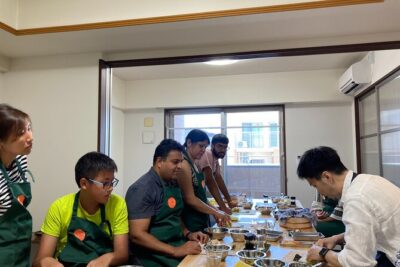
The tour is private, meaning only your group participates. That usually leads to better pacing. You can ask questions as you go instead of waiting your turn behind a larger group. And because this is specifically a vegan or vegetarian sushi making class, the instruction is guided toward plant-based sushi outcomes, not a “special order” done after the fact.
Guidance is provided in English, Chinese, and Korean, which helps if your group includes different language comfort levels. The class is designed around you learning the details, not just following motions.
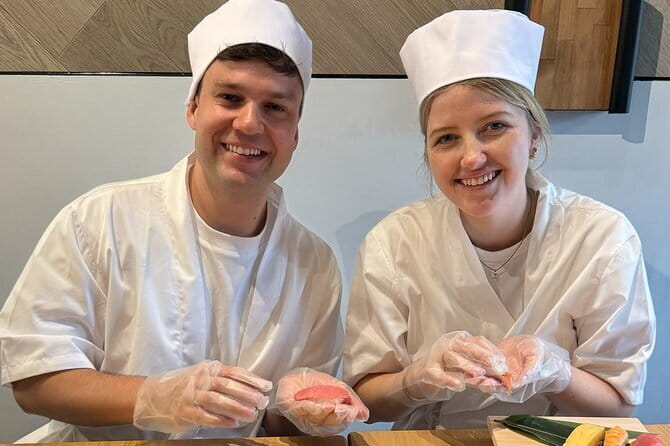
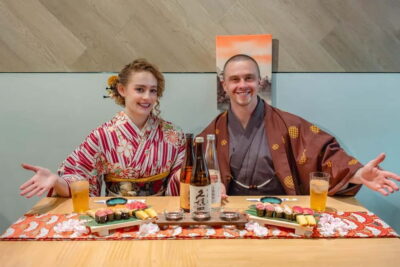
You also get the sushi-chef costume. It’s silly in the best way, and it signals the tone of the experience: learn the craft, relax, and have fun with it.
Making 12 Pieces: Nigiri and Gunkan-Sushi Without Guesswork
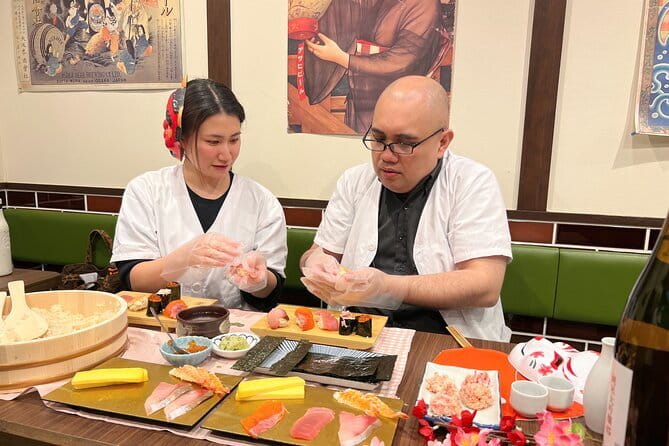
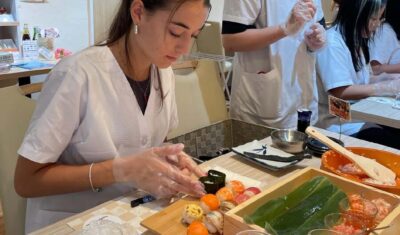
Your main output is clear: you’ll make 12 pieces of sushi with two types included. The class covers nigiri style and gunkan-sushi style.
Why this mix is smart:
- Nigiri style teaches the core idea of shaping and assembling sushi in a compact, clean form.
- Gunkan-sushi style adds a different texture and structure, where the topping and container shape work together.
Even if you end up loving only one style, learning both gives you a better understanding of how sushi shapes differ. That makes it easier to recreate at home because you’ll know what changes, not just what looks pretty.
You’ll also get guidance as you build the pieces. That part is big. Sushi looks simple online, then reality hits: the rice, the pressure, the alignment, the topping placement. Live help reduces the guesswork and helps you avoid wasting time trying to fix mistakes after they happen.
The class also teaches you details so you become able to make sushi at home. “Details” can mean a lot of things, but in this context it usually translates to better technique and clearer reasoning about how the pieces are constructed.
The Food Moment: Snacking on Your Own Work
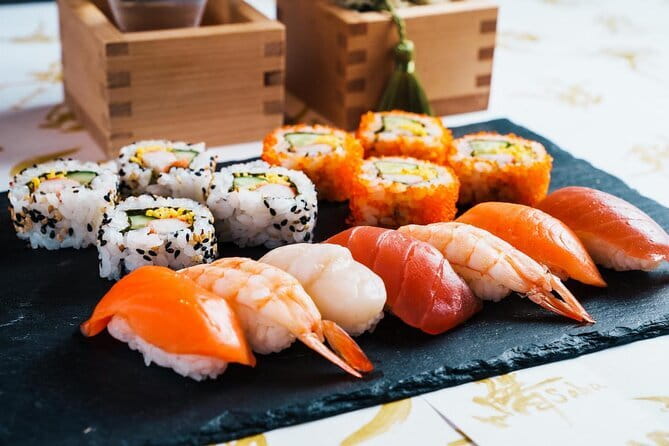
The snacks included are the 12 pieces of sushi you make. That’s a practical setup. You get to taste what you created while the lessons are fresh in your mind.
I like this approach because it closes the feedback loop fast. If something tastes off, you learn immediately why. And because it’s not a separate restaurant experience, you are not spending more money just to “use up” your hunger after the class ends.
One small caution: if you are very sensitive to allergens or ingredients, plant-based still has variety. The data confirms vegan or vegetarian sushi is provided, but it does not list specific ingredient details. If you have a serious allergy, ask in advance so you’re not guessing.
Other ways to spend a day in Osaka
- Matcha Making Class in Osaka with Authentic Japanese Sweets Set
★ 5.0 · 509 reviews - Osaka: Ramen and Gyoza Cooking Class in Dotonbori
★ 5.0 · 378 reviews - Osaka Cooking Class: Okonomiyaki &Japanese cuisines experience
★ 5.0 · 261 reviews
Sake and Beer: What’s Available Versus What’s Included
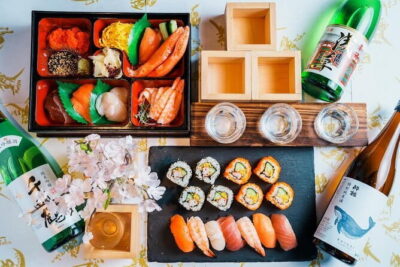
Japanese sake and beer are mentioned as part of the experience. At the same time, alcoholic beverages are listed as not included.
So here’s how to think about it: expect sake and beer to be on hand, but treat alcohol as an add-on you may pay for. If you want a non-alcohol experience, you can plan around that without feeling like you’re missing a required perk.
This matters if you’re budgeting. For $84.73, your core value is instruction plus the sushi you make. Alcohol should be considered optional, not a baked-in expectation.
Language Support and the Private-Group Advantage
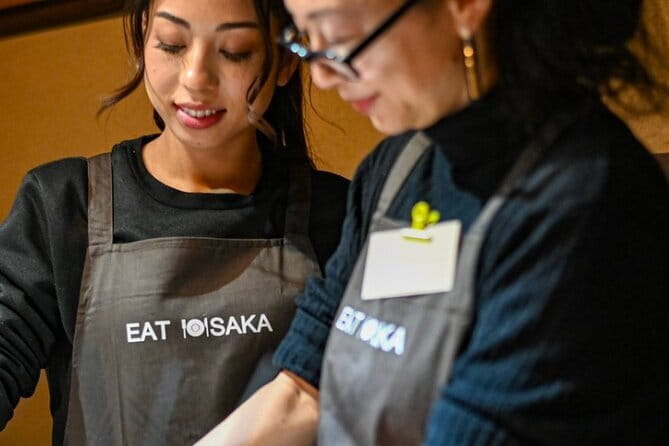
English guidance, plus Chinese and Korean, makes this class easier for mixed-language groups. You’ll likely find it easier to follow technique explanations when you understand the “why,” not just the “do this.”
The private group structure is also a genuine quality upgrade. You’re not stuck watching, waiting, and sharing tools. You can spend more time practicing the shapes you want and ask specific questions about your process.
Based on the strong feedback, the staff tends to be friendly and engaging, and they make learning the art of sushi making fun. That is exactly the kind of energy you want for a hands-on class, because it turns possible frustration into something you can laugh off and fix.
How to Get the Most Out of Your 1 Hour 30 Minutes
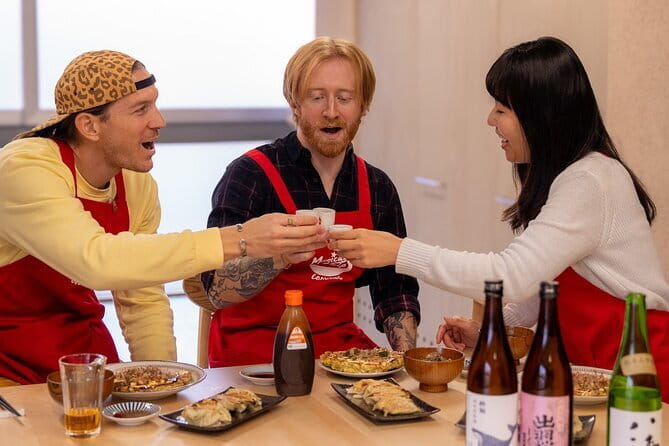
With only about 90 minutes, your time will go fast. Here are practical ways to make it count:
- Pay attention to how you are instructed to shape the nigiri and handle the gunkan style. Those are your take-home skills.
- Ask at least one question before you start assembling your pieces. Technique questions early usually save time later.
- Come with a realistic mindset. You are learning. Your first couple pieces might not be perfect, and that’s fine. The goal is to understand the method.
Also, since it is in Dotonbori, plan your day so you’re not sprinting between other activities. You’ll enjoy the class more when you are not already exhausted.
Who This Class Is Best For (And Who Might Skip It)
This experience is great for you if:
- You want a structured way to learn sushi making at home, with real coaching.
- Your group includes vegan or vegetarian eaters and you want a class that supports that upfront.
- You enjoy hands-on cooking rather than a lecture-style food experience.
- You like a light, fun atmosphere, including the chef costume.
You might consider skipping if:
- You only want to eat, not cook. This is a make-it-yourself class, and the value is in the practice.
- You need detailed ingredient lists for medical reasons. The data confirms vegetarian sushi is provided, but it does not provide ingredient breakdowns.
Price and Logistics: Is $84.73 Worth It?
Let’s do the quick value math in plain terms. For $84.73, you get:
- All fees and taxes
- A licensed or certified guide
- Guidance (multilingual)
- A private group setup
- Sushi-chef costume
- The sushi you make, 12 pieces, as snacks
- A 1 hour 30 minute class in Osaka
That price only seems high if you compare it to buying sushi from a conveyor belt. But it’s more comparable to paying for a cooking lesson with ingredients, coaching, and time. If you’ve tried sushi-making on your own before, you already know that technique is the expensive part. This class packages that technique into a short, guided session.
If you add alcohol, the out-of-pocket cost could rise, since alcoholic beverages are not included. But the core experience does not rely on alcohol.
Should You Book This Vegan Sushi Class in Dotonbori?
I think you should book it if you want hands-on instruction and you care about making sushi you can actually repeat. You’ll leave with 12 pieces made by you, and you’ll get coaching in the languages your group can understand.
The two biggest reasons I’d choose this class again are simple: the format is practical (you learn by doing), and the teaching style is reported as friendly and engaging, which makes a skill lesson feel approachable.
Book early if your schedule is tight, since it’s commonly reserved about 47 days in advance. And if alcohol matters to you, plan to treat sake and beer as optional since alcoholic beverages are not included.
If you want a plant-based sushi experience that feels hands-on, supported, and not intimidating, this one is a strong pick.
More Food in Osaka
- Osaka: Shinsekai Food Tour with 13-15 Dishes at 5 Eateries★ 4.8 · 2,204 reviews
- Osaka Food Tour: 13 Dishes at 5 Local Eateries★ 5.0 · 2,149 reviews
- Hungry Osaka Street Food Tour:15 Tastings & 3 Drinks with a Local★ 5.0 · 1,727 reviews
- Osaka Local Foodie Walking Tour in Dotonbori and Shinsekai★ 5.0 · 985 reviews
Just added around Osaka

Sushi Making Experiences, compared.

Sushi Making Osaka Roll and Authentic Japanese Sushi Class
Read our review →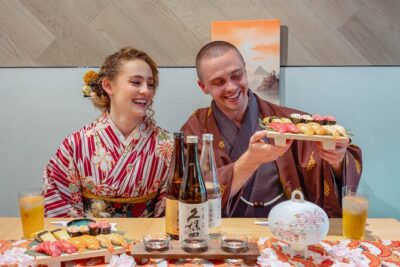

Roll and Authentic Sushi Making Class in Dotonbori
Read our review →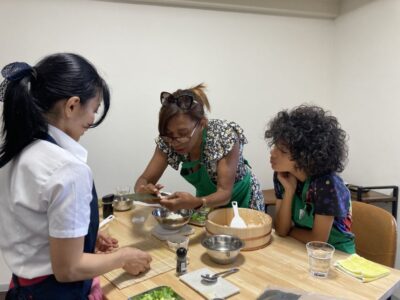
Make Sushi and Create Unforgettable Memories in Osaka
Read our review →This tour also fits