
Reviewed · SUSHI MAKING EXPERIENCES
【Private】Sushi Making Osaka! Omakase Cooking Class in Japan!
Rice, fish, and good laughs in Osaka. In a 90-minute session, you learn nigiri and maki basics with clear English help, plus a quick sushi-history thread that makes the food make sense. It is a hands-on way to taste Japanese culture without hiding behind a menu.
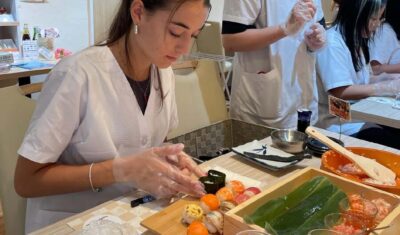
I love that you actually make the sushi yourself, and you can make as many as you like during the cooking portion. I also like how the class mixes a short sushi history chat with practical instruction, so your rolls and pieces feel earned, not random.
One drawback to plan for: there is no hotel pickup, so you will want to get yourself to Higashishinsaibashi in good time. If you have dietary needs, you also need to sort them out ahead of the class, because last-minute changes are not guaranteed.
In This Review
- Quick Highlights
- Sushi Making Osaka in Higashishinsaibashi: What You’re Really Paying For
- The 90-Minute Flow: History First, Then Rolling and Shaping
- Nigiri and Maki: The Two Skills That Actually Travel With You
- English-Speaking Instruction: Momoka, Momo, and Hiro Set the Tone
- What You Eat and Why It Matters
- Diet Options: Gluten-Free, Vegan, Halal, and Allergy Notes
- Osaka Location: Why Higashishinsaibashi Is a Smart Base
- Private Group Format: Best for Couples, Small Families, and Friends
- Price and Value: When It Makes Sense and When It Might Not
- Who Should Book This Sushi Making Class, and Who Should Skip It
- Should You Book Sushi Making Osaka? My Practical Recommendation
- FAQ
- Where is the meeting point for Sushi Making Osaka?
- How long is the sushi making class?
- What types of sushi will I learn to make?
- Is this class private?
- What is included in the price?
- Is hotel pickup or drop-off included?
- Can I request gluten-free, vegan, or halal options?
- Do they accept special ingredient requests beyond the listed menu options?
- Are service animals allowed?
- What is the cancellation policy?
Quick Highlights
- Learn nigiri and maki in one class, not just one sushi style
- Cook, then eat your creations in the second half
- English-speaking instruction with a patient, upbeat pace
- Diet options available like gluten-free, vegan, and halal at booking
- Private group format up to 10 with only your party participating
- Central Osaka location near popular sights you can hit after class
Sushi Making Osaka in Higashishinsaibashi: What You’re Really Paying For
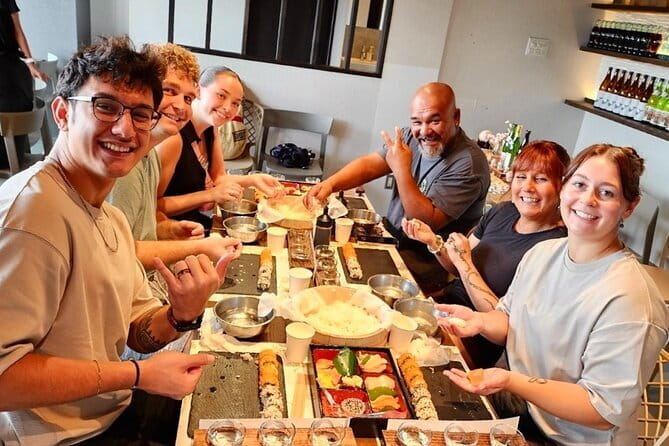
You are paying for more than a cooking show. This is a focused hands-on sushi-making class in central Osaka, designed to get you from ingredients to finished sushi within about 90 minutes. The payoff is practical skill plus a meal you do not have to guess at, because you made it.
The price is listed per group, up to 10 people. At $848.74 per group, it can come out to roughly $85 per person if your group fills to the max. That may sound steep compared to a casual meal, but the value shifts when you consider what is included: an English instructor, ingredients for the class, and the sushi meal itself.
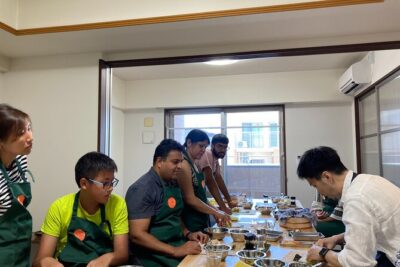
I also like that it is a private booking. Even if you are coming with a small crew, you are not sharing your attention with strangers who want a different pace. That matters when you are learning something hands-on.
Learn why the rice matters most
- Sushi Making Osaka Roll and Authentic Japanese Sushi Class★ 5.0 · 1,220 reviews
- Osaka Sushi Making Experience★ 5.0 · 400 reviews
- Osaka: Roll and Authentic Sushi Making Class in Dotonbori★ 4.9 · 239 reviews
- Osaka: Sushi Class in Dotonbori★ 4.9 · 160 reviews
- Osaka Dotonbori: Sushi Making Experience★ 4.9 · 122 reviews
The 90-Minute Flow: History First, Then Rolling and Shaping
The class runs about 90 minutes, and the structure is simple. You start with a short sushi history and context talk, then you move into cooking. The second half ends with eating what you made, which is the fastest way to confirm what worked and what you want to repeat later.
That pacing is smart. When you understand what you are trying to build, you make better decisions with your ingredients and your technique. And when you eat right away, you get real feedback in taste and texture, not just theory.
You also get a clear endpoint. The activity ends back at the meeting point, so you are not stuck figuring out transportation after you leave your last bite behind.
Nigiri and Maki: The Two Skills That Actually Travel With You
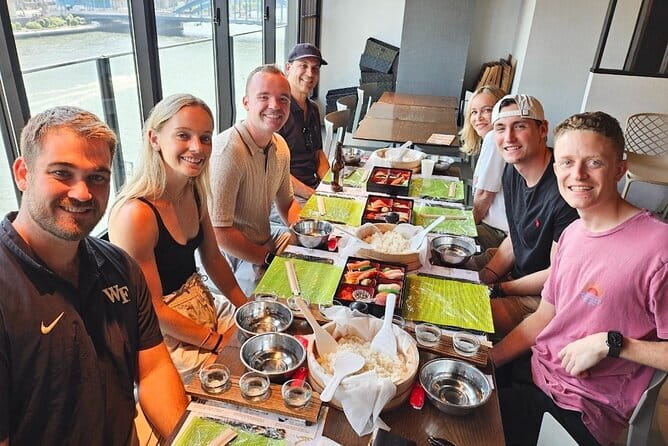
This class teaches two sushi styles: nigiri and maki. Those choices are a big deal for value, because you are learning two different ways sushi is assembled and enjoyed.
Nigiri is the more standard style you will see across Japan. It is also a good foundation because it teaches the idea of balancing rice and topping as a finished unit. If you have ever wondered why sushi looks so precise, nigiri is where you start to feel that.
Maki, or roll sushi, is popular worldwide. Rolling is different from shaping, and it changes the way you think about packing and alignment. In class, you get the chance to make multiple pieces, so you are not just doing one attempt and calling it a day.
Also, you are not locked into a single recipe. The class is designed so you can make as many pieces as you like during the cooking portion. That turns the experience from a one-and-done moment into something that sticks.
English-Speaking Instruction: Momoka, Momo, and Hiro Set the Tone
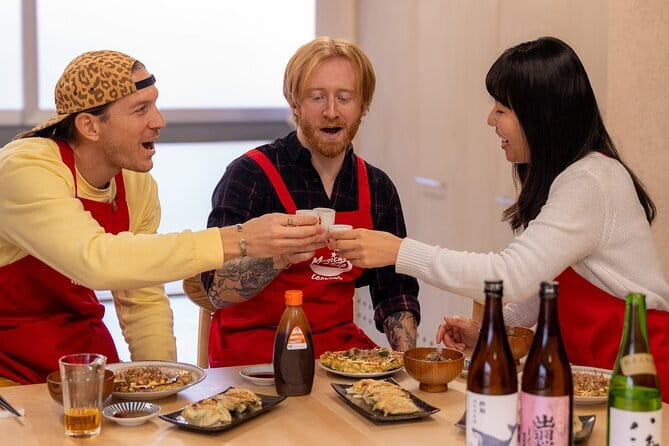
The best part of any cooking class is the human part, and this one sounds strong. The instructors speak English clearly, and the vibe described in the class experiences is patient and encouraging.
In particular, I keep seeing the names Momoka, Momo, and Hiro tied to the teaching. That is a good sign that the staff is consistent, and that the experience is guided by real people who know how to explain, not just perform.
There is also a theme of humor and comfort. When an instructor is willing to slow down, re-explain, or troubleshoot without making it awkward, you end up enjoying the process. That is especially important for sushi, because it can be intimidating when you imagine the technique is strict.
What You Eat and Why It Matters
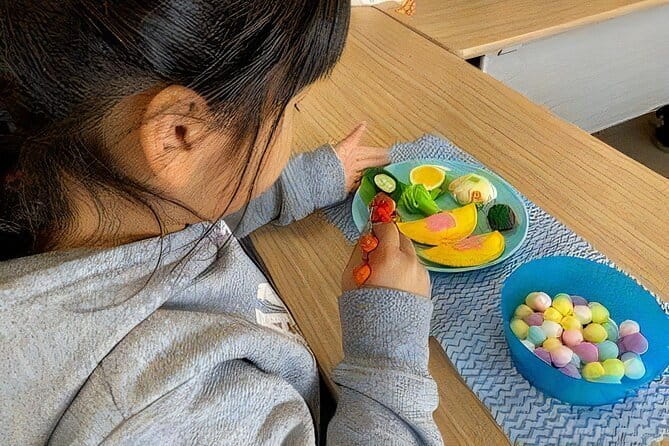
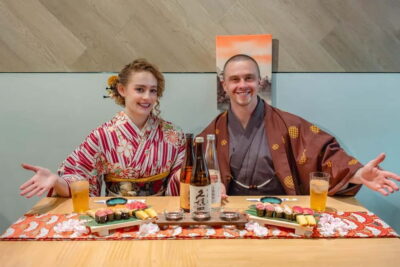
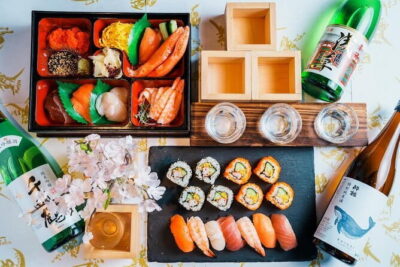
The class includes ingredients and a meal, so you are not paying and then still hunting for food afterward. You make sushi in the first half, then you eat it in the second half. That is a very practical setup, because you get to taste your work while the experience is still fresh.
What you gain goes beyond calories. You learn how the finished pieces should feel in your hands and taste on your tongue, even if you are not yet thinking like a sushi chef. The first bite is where the history talk becomes real, because you can connect the cultural context to something you can actually taste.
And because you are cooking, you also get a mental map for future ordering. Next time you sit down for sushi in Osaka or Tokyo, you will likely recognize nigiri and maki as more than categories. They become techniques you understand, at least at a beginner level that you can build on.
Other ways to spend a day in Osaka
- Osaka: Ramen and Gyoza Cooking Class in Dotonbori
★ 5.0 · 378 reviews - Osaka Cooking Class: Okonomiyaki &Japanese cuisines experience
★ 5.0 · 261 reviews - Ramen and Gyoza Cooking Class in Osaka
★ 5.0 · 202 reviews
Diet Options: Gluten-Free, Vegan, Halal, and Allergy Notes
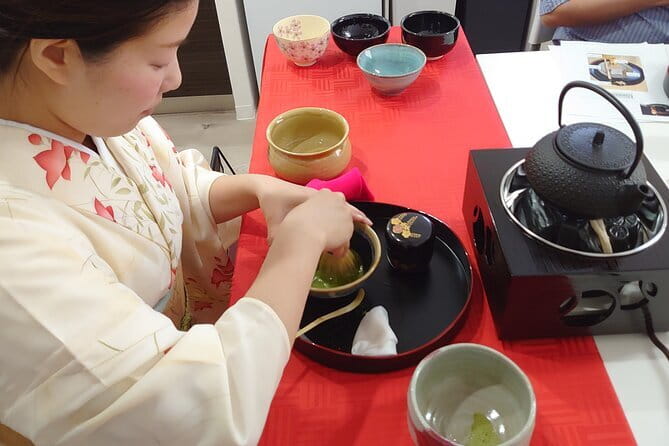
If you have dietary needs, this class offers several menu categories at booking time. You can select:
- Standard (gluten-free)
- Vegan or vegetarian
- Halal
- An allergy option noted as not using meat, nuts, fruits, or dairy
That is helpful because it means you may be able to participate without feeling like sushi-making is off-limits. Still, there are two important limits to keep in mind.
First, the class says it cannot respond on the day for changes. So if you need a category adjustment, do it when you reserve. Second, it says it does not accept ingredient specifications. That means you should not expect to customize down to very specific ingredient swaps beyond the listed menu categories.
If you are traveling with severe allergies, treat this as a plan-ahead situation. Contact during booking so the team can confirm the category you need and what is included.
Osaka Location: Why Higashishinsaibashi Is a Smart Base
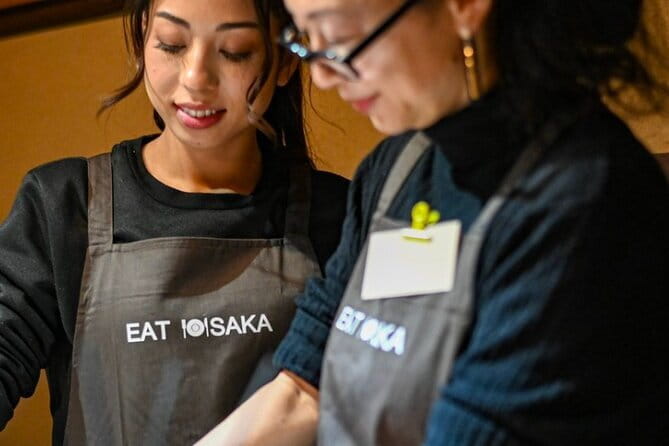
The meeting point is in Higashishinsaibashi, Chuo Ward, Osaka. This matters because central Osaka is easier than you might think for a short class.
You are close to major areas people visit in Osaka, and that gives you flexible timing. The activity ends back at the meeting point, so you can continue sightseeing after class without crossing the city in a hurry.
Also, the class is described as being in the heart of Osaka and near public transportation. That is exactly what you want when you are doing a 90-minute timed experience. You can show up, learn, eat, and then go do something else while your stomach is happy.
Private Group Format: Best for Couples, Small Families, and Friends
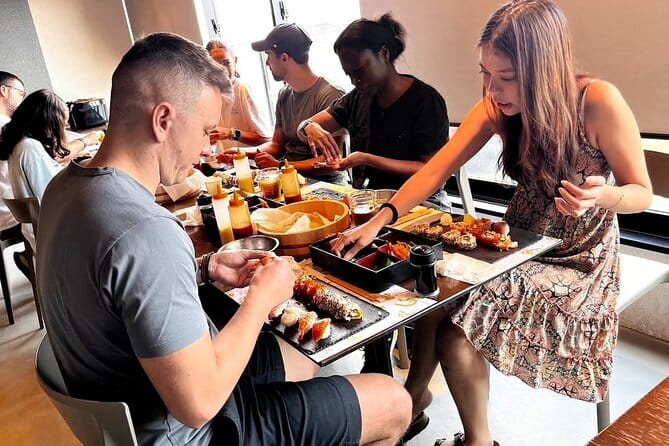
This is a private tour/activity, and only your group participates. It is listed as up to 10 people, which makes it workable for:
- Couples or friends who want a shared activity
- Small families who like doing hands-on things together
- Groups who want an English-friendly, guided food lesson
- Anyone who does not want to split attention in a larger class setting
Since the class is short, it also suits people who do not want to commit to a half-day course. You get enough structure to learn two sushi styles and eat your results, without turning it into a whole day program.
One small consideration: because it is private, it can be easier to justify when you share the group cost with others. If you are solo or a two-person group, the per-person value depends more on how much you value guided instruction and meal inclusion.
Price and Value: When It Makes Sense and When It Might Not
Let us talk value in real terms. The cost is $848.74 per group for up to 10 people. Ingredients and the meal are included. You also get an English instructor and the chance to make two types of sushi, nigiri and maki.
So when is it a good deal?
- If you split the group cost across several people
- If you want a guided learning experience, not just eating sushi
- If you value eating what you make, which cuts down on extra meal planning
When might it be less of a bargain?
- If you are paying for a very small group size and you mainly want a quick dinner
- If you are hoping for a long, advanced chef-level workshop, because the format is about 90 minutes
My practical take: this is best viewed as a learning experience that includes a meal, not as a budget meal deal. If you like food classes, it is a solid use of time in Osaka.
Also, it tends to be booked about 36 days in advance. That suggests popular slots get taken, so if your dates are fixed, it is worth reserving early.
Who Should Book This Sushi Making Class, and Who Should Skip It
Book this if you want a hands-on way to experience Japanese food culture in Osaka. It is especially good if you:
- Want to learn both nigiri and maki
- Prefer clear English instruction and a patient tone
- Like the idea of making your meal, then eating it right away
- Are traveling with someone who enjoys cooking or food craft
Consider skipping if you:
- Only want to eat sushi and not learn the making part
- Need very specific ingredient changes beyond the menu categories listed
- Are not willing to travel to the meeting point yourself, since there is no hotel pickup
Should You Book Sushi Making Osaka? My Practical Recommendation
If you are the type who remembers experiences that teach you something real, this is a strong pick. You get two sushi styles, real guided practice, and the meal is included, all within a tight 90-minute window. Add in the English instruction and the upbeat staff names you will hear mentioned, and it becomes an activity that feels fun as well as useful.
My recommendation is simple: book it if you want to leave Osaka with more than photos. You should come away knowing how nigiri and maki are built, and you will likely feel more confident ordering sushi afterward.
FAQ
Where is the meeting point for Sushi Making Osaka?
The class meets at Sushi Making Osaka, 1-chōme-16-20 Higashishinsaibashi, Chuo Ward, Osaka, 542-0083, Japan.
How long is the sushi making class?
The duration is about 1 hour 30 minutes.
What types of sushi will I learn to make?
You will learn two types of sushi: nigiri sushi and maki sushi (roll sushi).
Is this class private?
Yes. It is listed as a private tour/activity, and only your group participates.
What is included in the price?
The price includes an English speaking instructor, the ingredients for the cooking class, and the meal you eat.
Is hotel pickup or drop-off included?
No. Hotel pickup and drop-off are not included.
Can I request gluten-free, vegan, or halal options?
Yes. Menu changes are available including Standard (gluten-free), Vegan or vegetarian, and Halal. You should contact them when you make your reservation.
Do they accept special ingredient requests beyond the listed menu options?
No. The class states it does not accept any ingredients specifications.
Are service animals allowed?
Yes. Service animals are allowed.
What is the cancellation policy?
You can cancel for a full refund up to 24 hours in advance of the experience’s start time. If you cancel less than 24 hours before, the amount paid is not refunded.
More Workshops in Osaka
- Matcha Making Class in Osaka with Authentic Japanese Sweets Set★ 5.0 · 509 reviews
- Three Types of Ramen Cooking Class in Osaka★ 5.0 · 119 reviews
- Osaka: Cooking Class Ramen & Gyoza Course in Nanba★ 4.9 · 86 reviews
- Osaka Cooking Class and Sake Tasting with Local Supermarket Visit★ 5.0 · 79 reviews
Just added around Osaka


Sushi Making Experiences, compared.
Sushi Making Osaka Roll and Authentic Japanese Sushi Class
Read our review →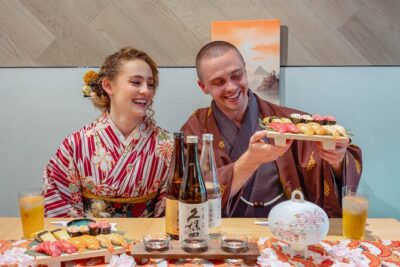
Roll and Authentic Sushi Making Class in Dotonbori
Read our review →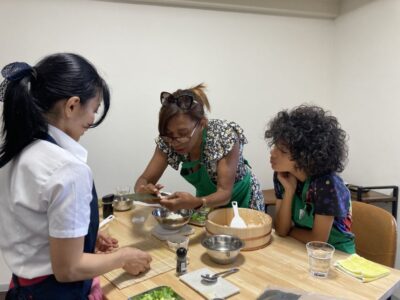
Make Sushi and Create Unforgettable Memories in Osaka
Read our review →This tour also fits